
Traveling with an infant in the Philippines requires careful planning, especially when it comes to feeding. Keeping infant formula dry, sterile, and easy to dispense while on the move is a common challenge for parents navigating bustling airports, long road trips, or humid beach destinations. A dedicated milk powder storage container designed specifically for travel is an essential tool that helps maintain the nutritional integrity of the formula while simplifying your feeding routine. By choosing a container that balances airtight security with portable convenience, you can ensure your baby’s milk remains fresh and safe, no matter where your journey takes you.
Selecting the right container involves understanding how different materials and designs perform under tropical conditions. High humidity and warm temperatures can quickly compromise poorly sealed formula, leading to clumping or spoilage. This guide outlines the critical features to evaluate, compares the most common container types, and provides practical tips for maintaining hygiene and verifying product safety before you make a purchase.
Key Features to Evaluate for Travel-Friendly Formula Storage
When evaluating options on e-commerce platforms, the sealing mechanism is the most critical factor for preventing moisture ingress. Look for containers that feature robust silicone gaskets and multi-point snap locks. A high-quality silicone seal creates a tight barrier against the humid air common in coastal and tropical regions of the Philippines. To verify the leak-proof performance of a container before you travel, perform a simple dry test at home. Fill the container with a small amount of dry sugar or salt, seal it, and gently shake or turn it upside down over a clean surface to check if any fine particles escape or if the lid shifts under pressure.
Products mentioned in this guide
Prices are valid at publication and may change. Please refer to the product page for the latest price.
Material safety is another non-negotiable consideration when choosing baby gear. Ensure the container is clearly labeled as food-grade and free from harmful chemicals like Bisphenol A (BPA). Common safe materials include high-quality, food-grade plastics such as polypropylene (PP), which is lightweight and durable, or food-grade silicone. While glass containers offer excellent chemical stability, they are often too heavy and prone to breakage during travel, making lightweight, impact-resistant plastics the preferred choice for diaper bags. Always check the manufacturer’s age recommendations and usage guidelines, as some materials may not be suitable for high-temperature sterilization or microwave use.
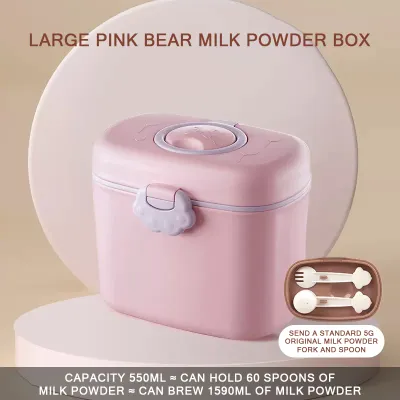
Portability and space efficiency are vital when packing a diaper bag for a day trip or an extended vacation. Consider the physical footprint and weight of the container when fully loaded with formula. Stackable designs or modular compartments are highly efficient because they utilize vertical space in your bag, leaving room for other essentials like diapers, wipes, and change of clothes. Smooth, rounded exterior profiles are also beneficial, as they prevent the container from snagging on bag linings or pockets. Look for options that include integrated scoop holders or leveling bars, which keep the scoop clean and ensure precise measurements without requiring extra tools.
Types of Milk Powder Storage Containers and Their Ideal Use Cases
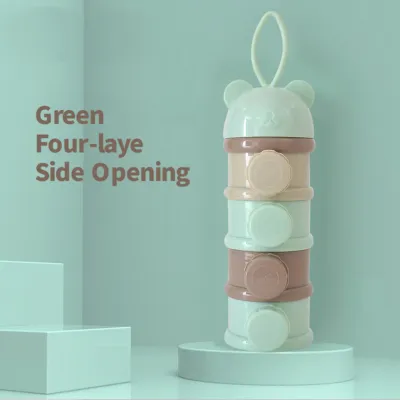
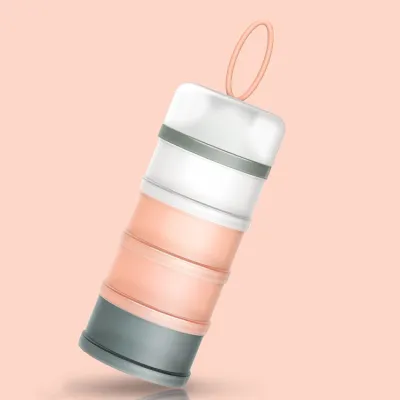
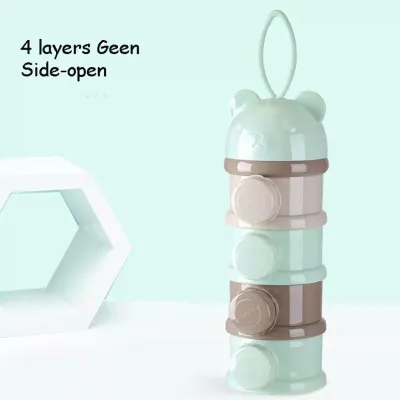
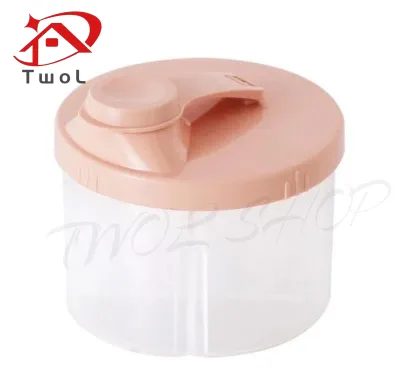
Different travel scenarios require different storage solutions, and matching the container design to your specific itinerary can make feeding times significantly smoother. Multi-tier formula dispensers are highly popular for short day trips, such as a family outing to a local mall or a quick visit to relatives. These dispensers typically feature three to four stacked compartments, each holding a pre-measured portion of powder for a single feed. When using these, it is important to check the compartment capacity against your baby’s current feeding volume and standard scoop sizes. Ensure the rotating lid or pouring spout aligns perfectly with each compartment to prevent powder from spilling into adjacent sections or leaking during transit.

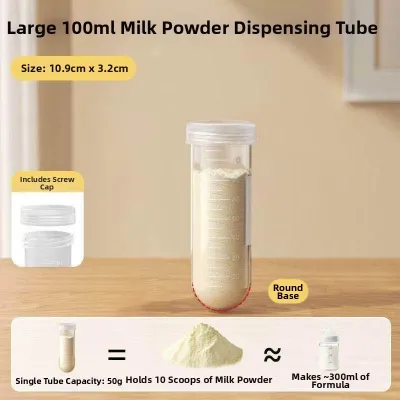
For parents who prioritize precise portioning and maximum protection against humidity, single-serve airtight pods are an excellent choice. These individual containers feature independent, highly secure seals that minimize the powder’s exposure to air. Because you only open one pod per feed, the remaining formula stays completely sealed and protected from the ambient humidity. When evaluating single-serve pods, verify the integrity of the individual seals and test how easily the powder pours from the opening. A narrow, funnel-shaped spout is ideal for directing the powder cleanly into baby bottles without spilling, which is especially helpful when preparing a bottle in a moving vehicle or a crowded public space.
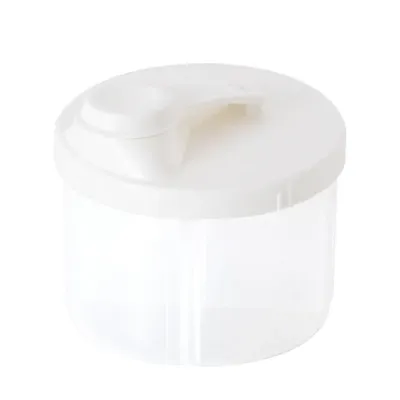
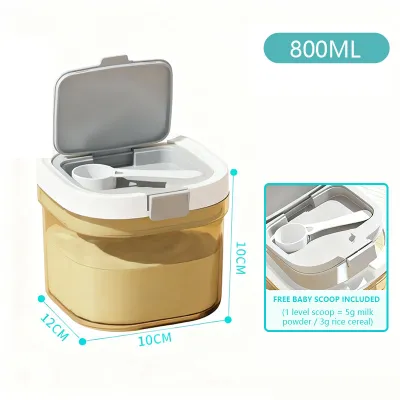
If you are planning an extended stay, such as a multi-day road trip or a vacation at a provincial resort, a large-capacity sealed canister is more practical than multiple small dispensers. These canisters function like portable pantry jars, allowing you to carry a larger volume of formula powder that you scoop out as needed. When selecting a large canister, assess its overall weight and how much space it will occupy in your main luggage or travel bag. Look for models that feature a secure, one-touch button lock or a heavy-duty latch system that prevents accidental opening if the bag is bumped or dropped. It is also beneficial to choose a canister with a built-in scraper or leveler to ensure accurate dosing while away from home.
Silicone or flexible pouches represent a modern, space-saving alternative for travel. These pouches can be rolled or flattened as they are emptied, drastically reducing the volume of trash or empty containers you need to carry back. However, before choosing flexible pouches, carefully review the manufacturer’s guidelines regarding cleaning and structural durability. Flexible materials can sometimes retain powder residue in the corners or seams, requiring meticulous washing and drying to prevent bacterial growth. Additionally, ensure the pouch material is thick enough to resist punctures from keys, safety pins, or other sharp objects commonly carried in travel bags.
Maintaining Freshness and Hygiene During Trips in the Philippines
The tropical climate of the Philippines presents unique challenges for food preservation, and infant formula is particularly sensitive to environmental factors. High relative humidity can cause formula powder to absorb moisture rapidly, leading to clumping, localized spoilage, and a reduction in shelf life. To prevent moisture ingress, always open and close the storage container as quickly as possible, especially when outdoors or in non-air-conditioned spaces. Avoid storing the container in direct sunlight, near car windows, or inside a hot car trunk, as elevated temperatures can degrade the nutritional quality of the formula and compromise the integrity of plastic seals.
Maintaining strict hygiene while on the road is essential for protecting your baby’s developing immune system. Establish a reliable cleaning and drying protocol for your travel containers. Between uses, wash all parts of the container thoroughly with mild, baby-safe dishwashing liquid and clean water. If you do not have access to a steam sterilizer while traveling, ensure that every component is completely air-dried in a clean, well-ventilated area before reassembling or refilling. Moisture trapped inside a sealed container is a primary catalyst for mold and bacterial growth, which can contaminate the next batch of formula powder.
Parents must remain vigilant and inspect the condition of both the formula and the container before every feed. If you notice any signs of moisture ingress, such as hard clumps of powder that do not easily break apart, or if the formula has developed an unusual odor or color, discard the powder immediately. Similarly, inspect the container’s silicone gaskets and plastic latches regularly for signs of wear, cracking, or warping. A damaged seal cannot provide the airtight barrier necessary to keep formula fresh, and a compromised container should be replaced promptly to ensure your baby’s food remains safe and uncontaminated.
Pre-Purchase Verification and Safety Checklist
Before purchasing a milk powder storage container from an online marketplace, it is crucial to verify the product’s specifications and safety standards. Do not rely solely on promotional images or brief product titles. Cross-reference the product description with the official manufacturer’s website or documentation to confirm the materials used, temperature tolerances, and recommended cleaning methods. Look for explicit safety certifications, such as food-grade compliance or BPA-free labels, and verify that the product is intended for infant food storage rather than general household organization.
Upon receiving the container, conduct a thorough physical inspection before using it for your baby’s formula. Check the alignment of the lid and the seals to ensure there are no gaps or manufacturing defects that could allow air or moisture to enter. Test the latching mechanism several times to confirm it secures firmly and does not pop open under light pressure. Additionally, verify that your standard formula scoop fits comfortably inside the container or its designated compartment, and check that the pouring spout is wide enough to allow the powder to flow freely without clogging.
Be alert to potential red flags that indicate a substandard or unsafe product. Avoid containers that have strong chemical odors, unclear material origins, or missing manufacturer contact information. Conflicting care instructions—such as a product listing claiming a container is dishwasher-safe while the packaging warns against heat exposure—are a sign of poor quality control. Investing time in these pre-purchase checks helps protect your baby’s health and ensures that your travel container will perform reliably throughout your journeys.
Frequently Asked Questions (FAQ)
Can I use regular food storage containers for milk powder?
While it may be tempting to repurpose standard household food containers for travel, it is highly recommended to use containers specifically designed for infant formula. Regular food containers often lack the specialized airtight seals required to keep fine powder dry in humid environments, increasing the risk of moisture exposure and clumping. Furthermore, containers previously used for general food storage can retain microscopic food residues, strong odors, or oils that are difficult to remove completely, posing a risk of cross-contamination. Dedicated formula containers are manufactured from certified food-grade, BPA-free materials and are designed with features like pouring spouts and levelers that make preparing bottles on the go safe, hygienic, and convenient.
How do I clean a formula dispenser while traveling without a sterilizer?
If you do not have access to a steam or UV sterilizer while traveling, you can still clean your formula dispenser safely by following a careful manual washing routine. First, disassemble all parts of the container, including silicone gaskets and lids. Wash each component thoroughly using hot, clean water—ideally boiled or bottled water if tap water quality is uncertain—and a mild, baby-safe dishwashing liquid. Use a clean, dedicated bottle brush to reach into corners and crevices where powder residue might accumulate. Rinse all parts thoroughly with clean water, and place them on a clean paper towel or a sanitized drying rack to air-dry completely in a well-ventilated space. Never towel-dry the components, as this can reintroduce lint or bacteria, and ensure every piece is entirely dry before reassembly.

Community discussion
Share your experience or ask a question. Comments are reviewed before publication.