
Selecting the right milk powder container (lagayan ng milk powder) for travel requires balancing portability, moisture protection, and ease of use. In a tropical climate, high humidity and warm temperatures can quickly cause dry formula to clump or spoil if exposed to air. The ideal container keeps your baby’s formula dry, pre-measured, and ready for quick preparation, whether you are running a quick errand or embarking on a long family road trip.
Instead of relying on bulky original formula tins, a dedicated travel container streamlines your diaper bag setup. By choosing a design that matches your specific outing duration, you can minimize feeding stress and maintain strict hygiene standards on the go.
Core Features to Look for in a Travel Formula Container
When evaluating different containers, material safety should be your primary consideration. Look for containers explicitly labeled as BPA-free to ensure no harmful chemicals leach into your baby’s food. Food-grade silicone and high-quality, impact-resistant plastics are common choices that withstand daily wear and tear. If you prefer plastic-free options, some manufacturers offer stainless steel containers, though these are often heavier and less transparent.
Products mentioned in this guide
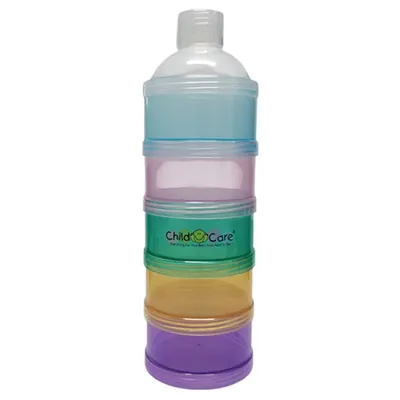
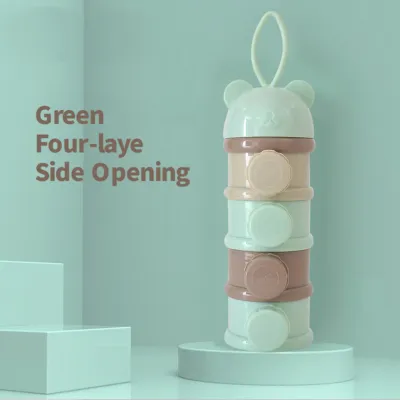
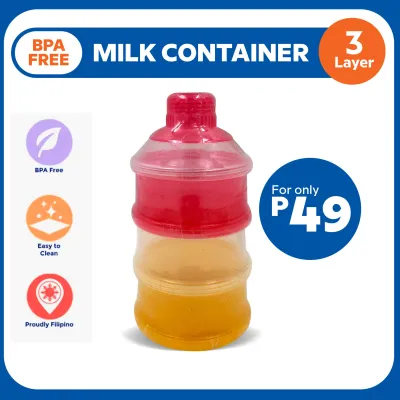
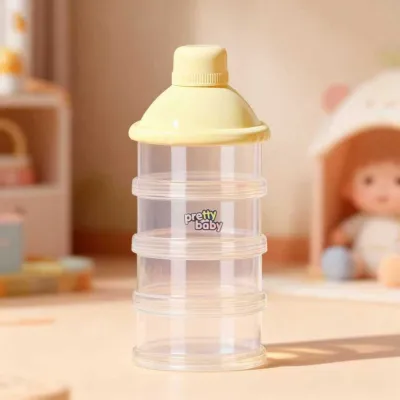
Prices are valid at publication and may change. Please refer to the product page for the latest price.
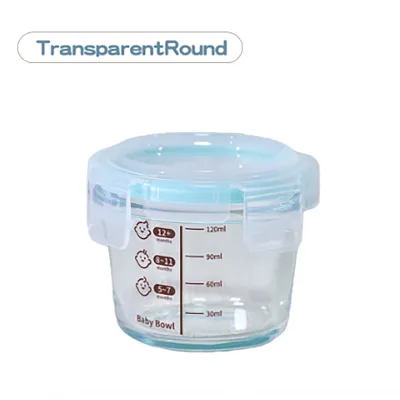
Airtight sealing is crucial for preserving formula freshness, especially in humid environments. Inspect the container for robust sealing mechanisms, such as thick silicone rings embedded in the lid and secure snap-lock latches. A weak seal allows moisture to seep in, which can turn fine powder into hard clumps and create an environment ripe for bacterial growth.
Portability determines how easily the container fits into your daily routine. Consider the physical dimensions and weight of the container when fully loaded. It should slip easily into standard diaper bag side pockets or insulated compartments without forcing you to rearrange all your other baby essentials.
Ease of cleaning is another vital feature that busy parents often overlook. Choose designs with rounded corners and minimal crevices where fine powder residue can hide. Containers that can be completely disassembled allow for thorough washing and sterilization, reducing the risk of mold or old formula buildup in hard-to-reach spots.
Matching Container Types to Your Outing Scenarios
The duration of your trip dictates the capacity and design of the container you should pack. Matching your gear to your specific travel timeline prevents you from carrying unnecessary bulk while ensuring you never run out of formula.

Short Trips and Daily Errands
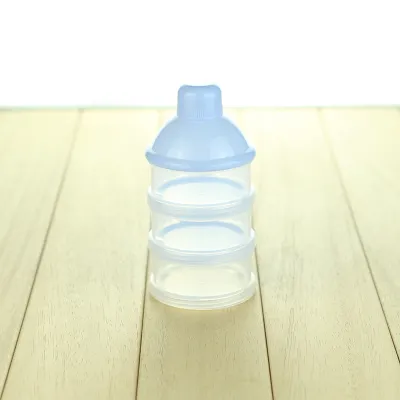
For quick outings lasting only a few hours, single-serve dispensers or stackable pods are highly efficient. These compact containers typically feature three to four separate compartments, each holding a pre-measured portion of formula for a single bottle. A rotating lid with a narrow spout allows you to pour the powder directly into a baby bottle without spilling.
The primary trade-off with these compact designs is their limited capacity. While they are incredibly space-saving, they require you to refill them before every outing. They are not suitable for extended trips where you might need to prepare more than three or four bottles.
When choosing a stackable or multi-compartment dispenser, verify that the individual compartments seal tightly against one another. Poorly designed dividers can allow powder to migrate between sections, throwing off your precise measurements and potentially compromising your baby’s feeding consistency.
Long Travel and Overnight Stays
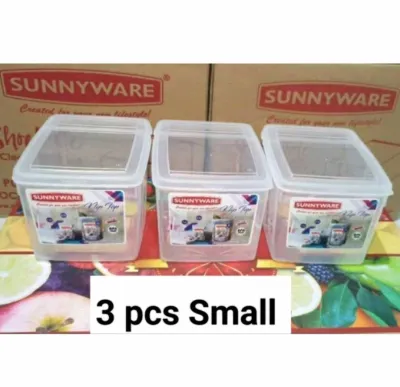
Extended travel, such as weekend trips or long flights, requires a larger storage solution. Large-capacity airtight canisters or bulk formula dispensers are designed to hold enough powder for multiple days of feeding. These containers often include a built-in leveler and a dedicated compartment to store the scoop separately from the powder.
Packing larger volumes of formula in a single container requires extra vigilance against humidity. Every time you open a large canister, you expose the remaining powder to ambient air. To mitigate this, look for canisters with airtight, one-touch button seals that minimize air exchange during opening and closing.
Keep in mind that a full bulk container adds significant weight to your travel gear. Balance this weight by choosing lightweight, durable materials and placing the container in a centralized, easily accessible spot in your luggage to prevent tipping or accidental opening during transit.
How to Ensure Safety and Hygiene on the Go
Maintaining hygiene while away from home is one of the biggest challenges of formula feeding. Before packing any milk powder, thoroughly wash and sterilize the container according to the manufacturer’s instructions. It is absolutely critical that the container is completely bone-dry before you add the powder; even a single drop of trapped moisture can cause clumping and foster rapid bacterial growth.
During transit, protect the container from direct sunlight and extreme heat. Leaving a diaper bag inside a hot car or exposed to direct sun on an outdoor table can raise the temperature inside the container, degrading the nutritional quality of the formula. Keep the container in an insulated pocket or shaded area whenever possible.
Always perform visual and olfactory checks on the powder before mixing a bottle. If you notice any unusual clumping, discoloration, or an off-odor, discard the powder immediately. It is safer to carry a small backup supply of formula in a separate, sealed pouch than to risk feeding spoiled milk to your baby.
Regularly inspect the container’s seals for signs of wear and tear. Over time, silicone rings can stretch, crack, or lose their elasticity, while plastic latches may weaken. If you notice any degradation in the airtight seal or if the lid no longer snaps shut securely, replace the container immediately to prevent leaks and contamination.
Step-by-Step Packing and Feeding Routine
Establishing a structured routine makes feeding on the go seamless and stress-free. Start by pre-measuring the exact amount of formula your baby needs for each feed into the clean, dry container. Pack your clean, sterilized baby bottles separately, keeping them capped to protect the nipples from dust and lint inside your bag.
Carry warm water in a reliable insulated flask to maintain the correct temperature for mixing. When it is time to feed, pour the pre-measured water into the bottle first, then carefully dispense the formula from your container. This sequence ensures accurate water measurement and helps the powder dissolve smoothly without clumping at the bottom of the bottle.
Immediately after feeding, rinse the empty bottle and the used container compartment with clean water if available. Storing a damp container with formula residue can lead to sour odors and stubborn buildup that is difficult to clean later. Keep a dedicated wet bag in your diaper bag to store these used items separately until you can wash and sterilize them properly at home.
Frequently Asked Questions (FAQ)
Can I store prepared liquid formula in a milk powder container?
No, travel milk powder containers are designed strictly for dry powder storage and do not have the thermal insulation or sterile sealing required to keep liquid formula safe. Prepared liquid formula spoils rapidly at room temperature and must be consumed within a short timeframe or kept continuously refrigerated. Storing liquid formula in a non-insulated powder container increases the risk of rapid bacterial growth, which can make your baby sick.
How often should I replace my baby's formula dispenser?
You should inspect your formula dispenser regularly and replace it at the first sign of physical wear. Look for fine cracks in the plastic, discoloration, lingering odors that do not wash away, or silicone seals that have become loose or brittle. Depending on how frequently you travel and the sterilization methods you use, plastic dispensers typically benefit from replacement every six to twelve months to ensure optimal hygiene and sealing performance.

Community discussion
Share your experience or ask a question. Comments are reviewed before publication.