
Selecting the right milk pouch depends entirely on whether your goal is long-term preservation of expressed breast milk at home or convenient, mess-free feeding while traveling. While a single-use, lay-flat bag is ideal for maximizing freezer space and protecting delicate breast milk nutrients, a durable, spouted reusable pouch is far better suited for dispensing formula or purees during a family outing. Understanding these distinct roles prevents leaks, minimizes preparation time, and ensures your baby receives safe, uncontaminated nutrition.
Choosing between these options requires looking closely at material safety, sealing mechanisms, and ease of cleaning. By matching the specific design features of a pouch to your daily feeding routine, you can simplify meal preparation and keep your baby well-nourished whether you are at home or on the go.
Identifying Your Primary Need: Home Storage vs. Travel Feeding
When planning your infant feeding setup, the first step is to clarify where and how the milk will be consumed. Long-term home storage and short-term travel feeding present entirely different environmental challenges, especially in tropical climates like the Philippines where high humidity and warm temperatures require strict temperature control to prevent bacterial growth.
Products mentioned in this guide
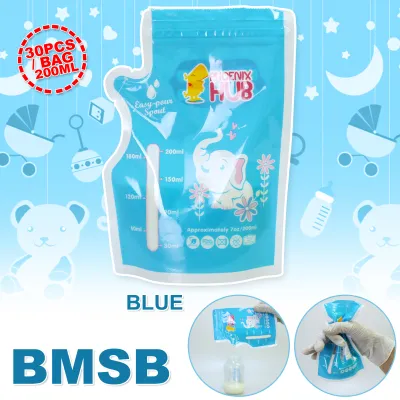
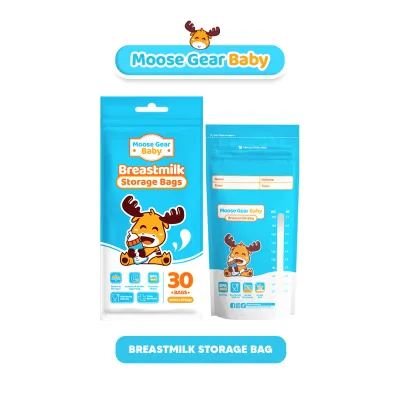
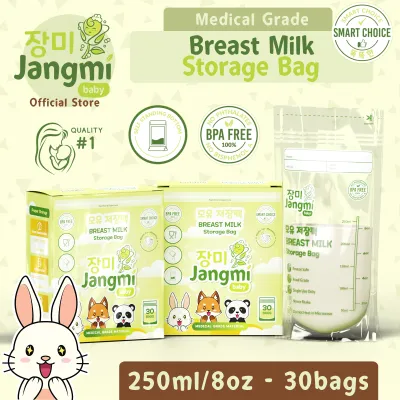
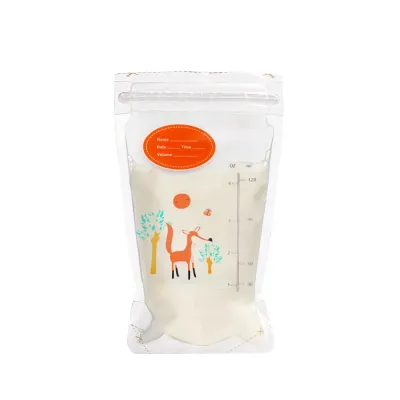
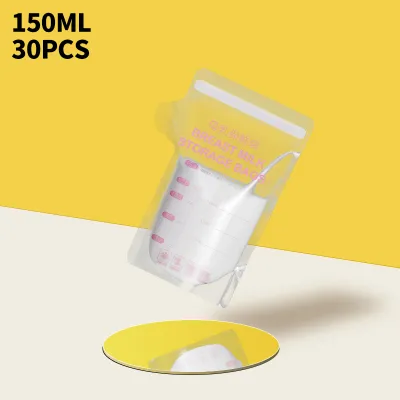
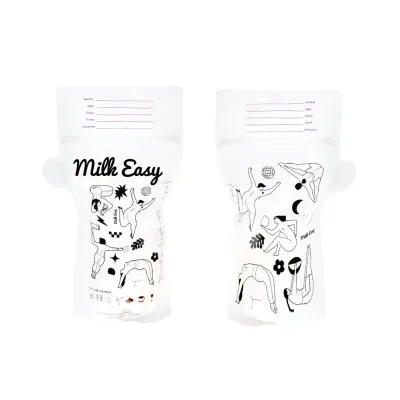
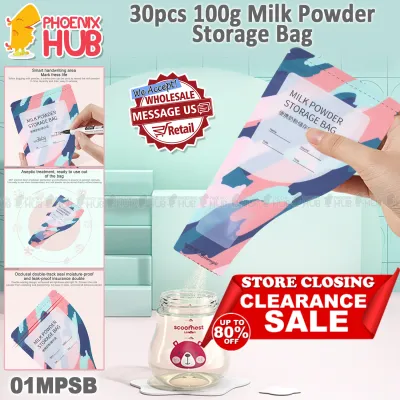
Prices are valid at publication and may change. Please refer to the product page for the latest price.
For home storage, the primary goal is preserving expressed breast milk for days or months. This process requires pouches that can withstand freezing temperatures without cracking, lay flat to optimize limited freezer space, and provide an absolute barrier against freezer odors and moisture. Because breast milk is highly valuable and labor-intensive to produce, minimizing any risk of contamination or leakage during the freezing and thawing cycle is the top priority.
Conversely, travel feeding focuses on immediate convenience and portability. When you are out running errands, visiting family, or traveling, you need a solution that allows you to carry pre-measured formula powder, warm water, or prepared baby food safely. The ideal travel pouch must be puncture-resistant to survive being jostled inside a packed diaper bag and feature an easy-to-use dispensing mechanism that minimizes spills in public spaces.
Your feeding frequency and environment will also dictate whether single-use disposable pouches or reusable options make the most sense. If you are pumping multiple times a day to build a freezer stash, disposable bags offer unmatched convenience and sterility. However, if you only need a container for occasional weekend outings, reusable silicone pouches can significantly reduce ongoing costs and environmental waste, provided you have the means to clean and dry them thoroughly.
Selection Criteria for Breast Milk Storage Pouches
To ensure your expressed breast milk remains safe and nutritious, storage pouches must meet strict structural and material standards. The freezing process causes liquids to expand, which puts immense pressure on the seams and seals of any storage container.

First, evaluate the sealing mechanism of the pouch. Double-zipper seals or reinforced tracks are highly recommended because they provide a redundant barrier against leaks. When sealing the pouch, always gently press out excess air before closing the zippers to prevent freezer burn and reduce the risk of the bag bursting as the milk expands during freezing.
Second, look for clear, accurate volume measurement markings on the side of the pouch. Because plastic can stretch slightly when filled, these markings should serve as a reliable guide, though verifying the volume with a graduated baby bottle before pouring is always the safest practice. Additionally, ensure the pouch features a dedicated, smudge-proof labeling area located away from the storage compartment. This allows you to write the date and volume clearly with a waterproof marker without any risk of ink transferring through the plastic.
Third, verify the material safety standards by checking the manufacturer’s product labels and official specifications. The pouch must be made from food-grade, BPA-free, and BPS-free materials to ensure no harmful chemicals leach into the milk during storage or warming. Because safety standards and certifications can change, always verify these details directly on the manufacturer’s packaging or official brand website.
Finally, consider the physical stability of the pouch. Many high-quality breast milk bags are designed to lay completely flat in the freezer, which not only saves space but also allows the milk to freeze and thaw rapidly and evenly. If you plan to warm the milk directly in the pouch, verify its compatibility with standard bottle warmers or warm water baths to prevent melting or structural failure.
Must-Have Features for On-the-Go Formula Pouches
When selecting a milk pouch for travel or outdoor feeding, the design priorities shift toward durability, ease of dispensing, and quick cleanup. A pouch that works perfectly in a quiet kitchen may prove highly frustrating when trying to feed a hungry baby in a crowded public space.
The dispensing mechanism is the most critical feature for on-the-go pouches. Look for secure, screw-on spouts or tight-fitting flip-top caps that prevent accidental openings inside your bag. A well-designed spout allows you to pour prepared formula directly into a bottle or feed older infants directly if you are transitioning to purees, eliminating the need to carry extra spoons or bowls.
Durability is equally important when traveling. Diaper bags are often packed tightly with heavy items like thermos flasks, toys, and keys, which can easily puncture thin plastic. Choose pouches made from thick, multi-layer laminated plastics or high-grade, flexible silicone that can withstand physical compression and accidental drops without tearing or leaking.
For reusable travel pouches, the ease of cleaning and drying is a vital safety consideration. In warm, humid environments, any residual moisture or milk protein left in the corners of a pouch can quickly foster mold and bacterial growth. Ensure the pouch has a wide opening, minimal crevices, and is fully compatible with your home sterilization equipment, such as steam sterilizers or boiling water, according to the manufacturer’s instructions.
Lastly, check the overall capacity and physical shape of the pouch. It should hold a standard feeding volume, typically between 150ml and 250ml, while remaining compact enough to fit comfortably into standard stroller cup holders, insulated bottle bags, or the side pockets of your diaper backpack for quick and easy access.
Building Your Shortlist: How to Compare Pouch Options
To help you decide which pouch types best fit your family’s lifestyle, it is helpful to compare the primary options across key practical dimensions. The table below outlines the general characteristics of the three most common pouch types available on the market.
| Pouch Type | Primary Use | Durability | Cleaning Requirement | Relative Cost per Use |
|---|---|---|---|---|
| Single-Use Breast Milk Bags | Long-term freezing | Moderate (single-use) | None (pre-sterilized) | High (ongoing cost) |
| Reusable Silicone Pouches | Travel feeding & purees | Very High (multi-use) | High (requires sterilization) | Low (one-time purchase) |
| Disposable Formula Pouches | On-the-go convenience | High (single-use) | None (pre-sterilized) | High (ongoing cost) |
When building your shortlist, always verify product claims by reading customer reviews on reputable online marketplaces and checking official brand websites. Look for feedback from other parents regarding how well the seals hold up under daily use and whether the volume markings remain legible after freezing. Avoid products that lack clear manufacturer contact details, safety labels, or explicit material sourcing information.
To calculate the long-term financial impact, estimate your weekly usage. For example, if you plan to use five single-use breast milk bags per day at an average cost of ₱8 per bag, your monthly expense will be approximately ₱1,200. If your budget is a primary concern, investing in a set of six reusable silicone pouches at roughly ₱400 each (totaling ₱2,400) may save you money within two months, provided you are willing to dedicate the time and effort required for daily washing and sterilization.
Essential Safety and Handling Practices
Regardless of the type of milk pouch you choose, maintaining strict hygiene and safety protocols is essential to protect your baby’s developing immune system. Infant feeding equipment must always be handled with clean hands and stored in a sanitary environment.
Always follow the manufacturer’s instructions regarding temperature limits, cleaning procedures, and sterilization methods. Some materials may warp or release chemicals if exposed to temperatures beyond their rated limits, so never assume that all pouches can be boiled or placed in a steam sterilizer unless explicitly stated on the packaging.
When thawing and warming breast milk, never use a microwave or place the pouch in boiling water. Microwaves heat liquids unevenly, creating dangerous hot spots that can burn your baby’s mouth, and the intense heat can destroy the delicate proteins and antibodies in breast milk. Instead, thaw the pouch in the refrigerator overnight or submerge it in a bowl of lukewarm water. Once breast milk has been thawed, it must be used within 24 hours and should never be refrozen.
Regularly inspect reusable pouches for physical signs of degradation. Over time, repeated washing and sterilization can cause silicone or plastic to develop micro-tears, cloudiness, or lingering sour odors that indicate bacterial buildup. If you observe any of these signs, or if the sealing mechanism feels loose, discard the pouch immediately and replace it.
Finaly, always supervise your baby during feeding and visually inspect the pouch and its components before every single use. Ensure that caps, spouts, and seals are intact and securely attached to prevent choking hazards. If you notice any leaks, unusual discoloration, or signs of spoilage, stop using the pouch immediately and consult a healthcare professional if you have concerns about your baby’s health.
Frequently Asked Questions (FAQ)
Can I reuse disposable breast milk storage bags?
No, disposable breast milk storage bags are strictly designed for single-use and must never be washed or reused. The thin plastic and delicate zipper tracks are not built to withstand the physical stress of washing, which can create microscopic tears that lead to leaks and contamination. Furthermore, these bags are pre-sterilized during manufacturing; attempting to clean them at home cannot guarantee the sterile environment required to store breast milk safely. Always check the product packaging for explicit single-use warnings from the manufacturer.
How do I properly thaw breast milk stored in a pouch?
The safest method is to transfer the frozen pouch to the refrigerator and allow it to thaw slowly overnight. If you need the milk immediately, you can submerge the sealed pouch in a clean bowl of lukewarm water (not exceeding 37°C) or hold it under cool running water, gradually increasing the temperature. Avoid using microwaves, boiling water, or direct stovetop heating, as these methods destroy essential nutrients and create uneven hot spots that pose a burn risk to your baby.
Are reusable silicone pouches safe for carrying warm formula?
Yes, reusable silicone pouches are generally safe for carrying warm formula, but you must verify the manufacturer’s maximum temperature rating for your specific product before use. Never pour boiling water directly into the pouch, as this can damage the material or cause severe burns during handling. Always prepare the formula according to the manufacturer’s instructions, and test the temperature of the liquid by dropping a small amount onto your inner wrist before feeding your baby.

Community discussion
Share your experience or ask a question. Comments are reviewed before publication.