
Weaning is a major milestone for families in the Philippines, marking the transition from exclusive milk feeding to the exciting world of solid foods. During this developmental phase, your baby’s feeding schedule and milk intake will naturally begin to shift, making meal preparation more dynamic and sometimes unpredictable. A reliable milk dispenser baby formula container becomes an essential tool during this period, helping you manage changing feed volumes, keep formula dry in our humid tropical climate, and prepare bottles quickly when you are away from home.
Using a dedicated dispenser allows you to pre-measure precise portions of formula powder ahead of time. This simple step eliminates the stress of counting scoops while holding a hungry baby, especially during late-night feeds or busy afternoon outings. By choosing a dispenser that fits your daily routine, you can ensure that your baby’s nutritional needs are met efficiently as they explore new tastes and textures.
Why a Formula Dispenser Matters During the Weaning Transition
As your baby begins to explore solid foods like purees, mashed vegetables, and local rice porridges, their milk consumption patterns will naturally change. Instead of following a rigid, predictable feeding schedule, your baby may start taking smaller milk feeds after meals or demand a bottle at irregular intervals. A formula dispenser helps you adapt to these shifting patterns by allowing you to pre-portion different amounts of powder for various times of the day, ensuring you are always prepared for a quick feed.
Products mentioned in this guide
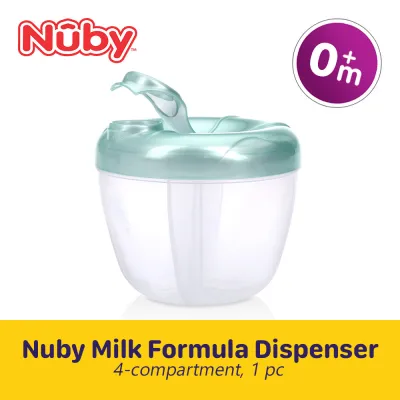
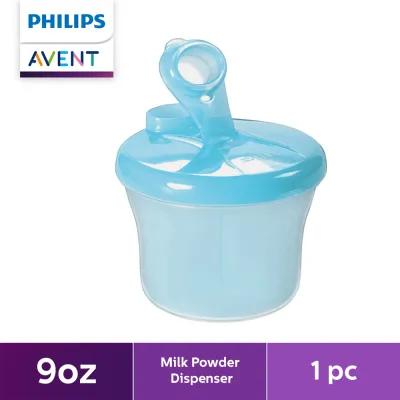
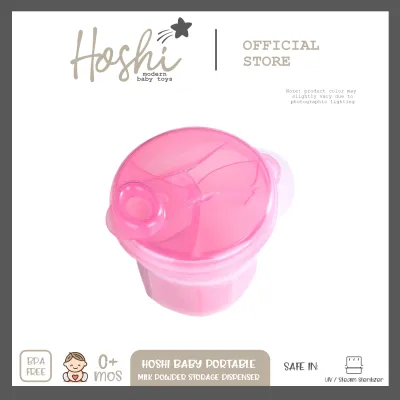
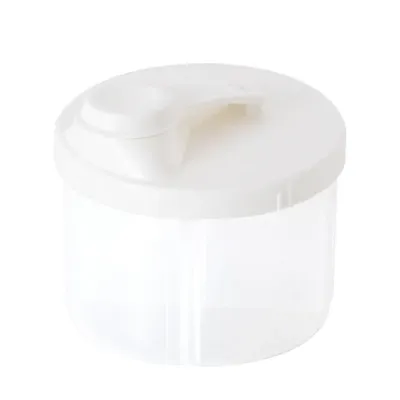
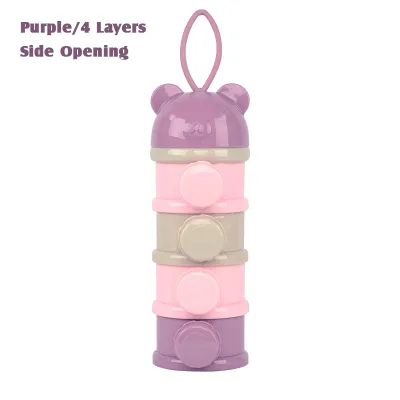
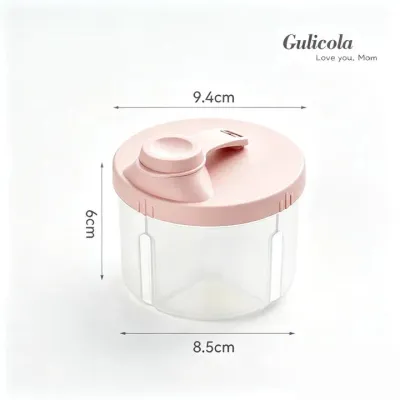
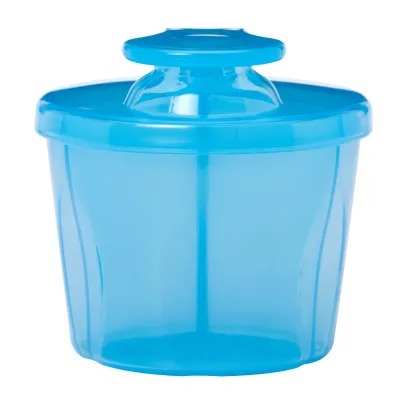
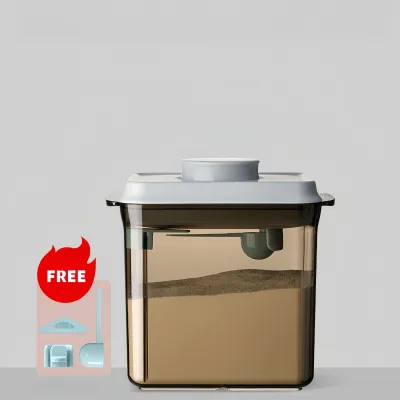
Prices are valid at publication and may change. Please refer to the product page for the latest price.
During the weaning transition, formula waste can become a common issue. Parents often prepare full-sized bottles only to find that their baby is already full from their recent solid meals. By using a multi-compartment dispenser, you can easily store smaller, transitional portion sizes. This flexibility allows you to mix only what your baby will actually consume, saving both time and expensive formula powder over the course of the weaning journey.
Maintaining a consistent feeding routine is also crucial when you are away from home. Whether you are visiting relatives, running errands at the mall, or traveling, carrying a bulky, entire tin of formula is highly impractical. A compact dispenser fits neatly into your diaper bag, keeping the powder secure and protected from external contaminants. This portability ensures that your baby can enjoy a fresh, warm bottle of milk wherever you are, without disrupting their developing weaning schedule.
Furthermore, the tropical climate of the Philippines presents unique challenges for food storage. High humidity can cause open formula tins to absorb moisture quickly, leading to clumping and spoilage. A high-quality dispenser with airtight seals protects the powder from ambient moisture, preserving its quality until it is ready to be mixed. This environmental protection is vital for maintaining the hygiene and safety of your baby’s milk feeds.
Essential Features to Evaluate in a Milk Dispenser
When selecting a milk dispenser baby formula container, material safety must be your primary consideration. Always verify that the product is labeled as BPA-free and made from food-grade plastics, such as polypropylene. Because these containers will hold dry powder that is directly reconstituted for your baby, they must not leach any harmful chemicals. Additionally, check the manufacturer’s packaging for age recommendations and safety certifications to ensure the product is suitable for infant care.

Portion accuracy is another critical factor to evaluate before making a purchase. Different formula brands utilize varying scoop sizes, and some scoops are significantly wider or deeper than others. The compartments of your chosen dispenser must be spacious enough to hold your baby’s current scoop volume without requiring you to pack the powder down tightly, which can affect the accuracy of the feed. Ensure the opening of each compartment allows the powder to pour out completely without leaving residue behind.
An effective dispensing mechanism can make a significant difference in your daily routine. Look for designs that feature a narrow, funnel-shaped spout that fits easily into the neck of standard and wide-neck baby bottles. This shape prevents accidental spills and ensures all the powder enters the bottle. Additionally, consider how easy the dispenser is to operate with one hand; caregivers often need to hold a baby in one arm while preparing a bottle with the other.
Given the warm and humid conditions in the Philippines, cleaning and maintenance features are incredibly important. A dispenser that cannot be thoroughly cleaned can quickly become a breeding ground for bacteria and mold. Look for models that are dishwasher-safe or can be completely disassembled into individual parts. Avoid designs with deep, unreachable crevices or permanently attached components, as these areas are highly prone to trapping moisture and old formula residue.
Comparing Common Types of Formula Dispensers
Stackable tower dispensers are a highly popular choice among parents who value organization and flexibility. These systems consist of individual containers that screw into one another, forming a vertical tower with a single dispensing lid at the top. One of the main advantages of this design is its modularity; you can stack as many or as few compartments as you need for a specific outing. However, they can be somewhat bulky in smaller diaper bags, and you must ensure each layer is screwed on tightly to prevent leaks.
Rotating or carousel dispensers feature a single, round container divided internally into three or four wedge-shaped compartments. To use this style, you rotate the outer lid until the dispensing spout aligns with the compartment you wish to empty. This design is exceptionally space-efficient and fits easily into compact bags. The primary drawback is that if the lid does not fit snugly, powder can occasionally migrate between compartments, which may compromise portion accuracy.
Single-serve portable pods are individual, standalone containers designed to hold a single portion of formula. These are highly convenient for short trips where you know you will only need to prepare one bottle. Because they are completely separate, there is zero risk of cross-compartment mixing or accidental spills from rotating lids. While they offer excellent convenience, carrying multiple individual pods can sometimes lead to them getting lost in the depths of a large diaper bag.
When deciding between these types, consider your typical daily routine and travel habits. If you frequently go on long day trips or leave your baby with a caregiver for extended periods, a stackable tower offers the capacity and organization you need. For quick errands or short walks around your neighborhood, a compact rotating dispenser or a single-serve pod may be the more practical and lightweight choice for your diaper bag.
Building Your Shortlist and Verifying Product Safety
Before finalizing your purchase from an online marketplace or local baby boutique, it is wise to build a shortlist of potential options based on your specific needs. Start by cross-referencing the physical dimensions of the dispenser compartments with your formula brand’s scoop size. If your baby requires larger feeds, ensure the dispenser can comfortably accommodate the necessary number of scoops without overflowing. This simple check prevents the frustration of buying a container that is too small for your baby’s appetite.
Once your chosen dispenser arrives, perform a thorough physical inspection before using it for the first time. Check for any visible manufacturing defects, such as sharp plastic edges, cracks, or poorly fitting lids. Ensure that all seals are tight and secure, as loose lids can lead to messy spills inside your bag. Read the manufacturer’s instruction manual carefully to understand the recommended sterilization methods, as some plastics may warp if exposed to extreme heat.
Conducting a trial run with water or dry rice is an excellent way to test the dispenser’s functionality before using actual formula. Fill a compartment and practice pouring it into a baby bottle to observe the flow. This trial allows you to check if the powder pours out smoothly or if it tends to stick to the sides of the container. It also helps you get accustomed to the dispensing mechanism, ensuring you can operate it confidently when your baby is hungry.
As your weaning journey progresses, keep a close eye on your baby’s changing feeding habits. If you notice your baby is consistently leaving milk in their bottle or showing a strong preference for solid foods, it may be time to adjust the portion sizes in your dispenser. Always consult your pediatrician or a qualified healthcare professional if you have questions about your baby’s nutritional requirements, weight gain, or how to safely balance formula feeds with solid meals during the weaning phase.
Frequently Asked Questions (FAQ)
Can I use a formula dispenser for baby food or purees during weaning?
Standard dry formula dispensers are designed exclusively for dry powders and should not be used to store wet baby foods, purees, or breast milk. Placing moist foods inside these containers can lead to rapid bacterial growth and mold, especially in the warm tropical climate of the Philippines. Wet foods require specialized, airtight, and leak-proof food storage containers that are designed to be refrigerated or frozen. Always follow the manufacturer’s guidelines regarding the intended use of your specific dispenser to ensure your baby’s food remains safe and hygienic.
How do I clean and dry a milk dispenser to prevent mold?
To prevent mold and bacterial growth, disassemble all removable parts of the dispenser strictly according to the instruction manual. Wash each component thoroughly in warm, soapy water, using a small bottle brush to reach into narrow corners and crevices where powder might accumulate. After washing, rinse the parts completely with clean water. Allow all components to air-dry fully in a well-ventilated area before reassembling them. Never store formula powder in a dispenser that is even slightly damp, as moisture will cause the powder to clump and spoil.
When should I stop using a formula dispenser as my baby eats more solids?
You can gradually phase out the use of a formula dispenser as your baby’s reliance on formula decreases and their intake of solid foods increases. This transition typically occurs naturally as they establish a routine of three solid meals a day and begin drinking water or other fluids from a cup. Once your baby no longer requires on-the-go bottle preparation, you can clean and sterilize the dispenser one last time before storing it safely. Many parents also choose to repurpose dry dispensers for holding small, dry toddler snacks like puffs or biscuits during outings.

Community discussion
Share your experience or ask a question. Comments are reviewed before publication.