
Starting the weaning journey is an exciting milestone for families in the Philippines, marking your baby’s transition from exclusive milk feeding to exploring solid foods and new ways of drinking. In a tropical climate characterized by high humidity and warm temperatures, selecting the right milk container (lagayan ng gatas ng baby) and transition cup is not just a matter of convenience, but a critical step in maintaining food hygiene and supporting oral motor development. Navigating this transition requires understanding your child’s physical readiness, verifying the safety standards of your chosen gear, and establishing a strict cleaning routine to protect your little one’s developing immune system. By focusing on practical design features and material safety, you can confidently guide your baby through this developmental phase while keeping their milk and water safe from contamination.
Understanding Your Baby's Weaning Stage and Drinkware Needs
Around six months of age, many babies begin to show clear physical signs that they are ready to explore solid foods and alternative drinking vessels. These developmental milestones include sitting up with minimal support, maintaining steady head control, and showing a keen interest in what family members are eating and drinking during meals. If your baby can grasp objects and bring them to their mouth with coordination, they are physically primed to start practicing with transition cups.
It is essential to distinguish between storage containers and drinking cups, as they serve entirely different purposes during the weaning process. A storage container, or lagayan ng gatas ng baby, is designed to keep breastmilk or formula powder secure, portioned, and free from environmental contamination. On the other hand, transition cups are active learning tools designed to help your baby move away from the sucking reflex required by bottles and toward the sipping action used with open cups.
Products mentioned in this guide
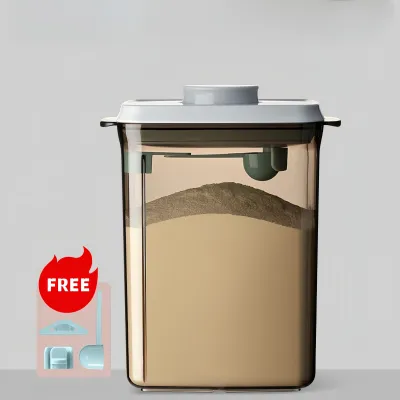
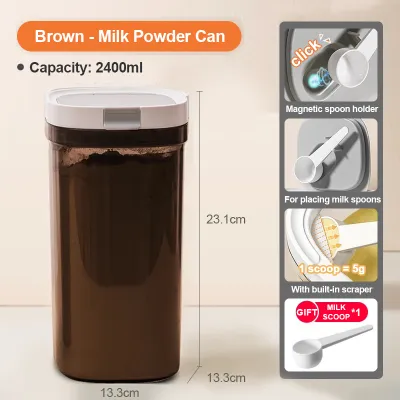
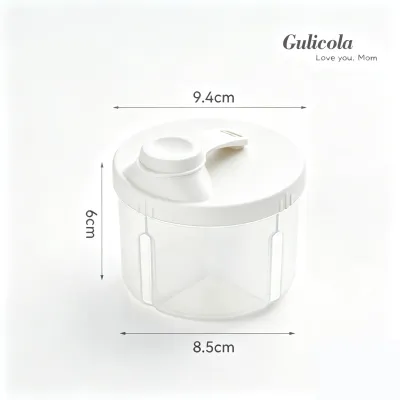
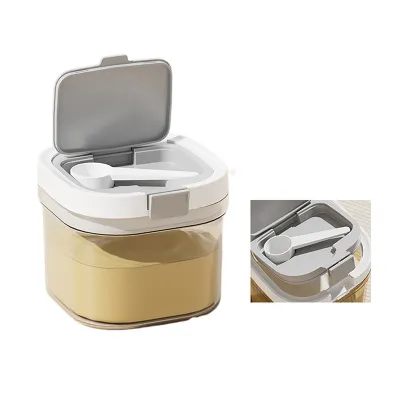
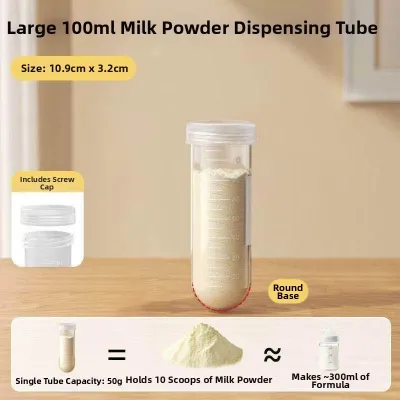
Prices are valid at publication and may change. Please refer to the product page for the latest price.
Oral motor skills develop gradually, and each baby progresses at their own pace. A baby starting weaning at six months will have very different capabilities compared to an eight-month-old or a one-year-old who has had more practice. Do not expect your baby to master a new cup immediately; spilling is a natural and necessary part of the learning process. Aligning your purchases with your baby’s current developmental stage ensures you do not introduce a cup that causes frustration or discourages independent drinking.
Essential Checks for Milk Containers and Formula Dispensers
When selecting a lagayan ng gatas ng baby, material safety is your primary priority. Look for clear labels indicating that the product is BPA-free, phthalate-free, and made from food-grade materials such as polypropylene (PP), polyethersulfone (PES), or high-quality silicone. In the Philippines, reputable brands will display these certifications clearly on their packaging, giving you peace of mind that no harmful chemicals will leach into your baby’s milk.

The tropical climate presents unique challenges, including high humidity and the constant presence of household pests like ants. A milk container must have an airtight, leak-proof seal to keep moisture out and prevent formula powder from clumping. Threaded lids with silicone gaskets are highly effective, provided the gasket can be easily removed for thorough cleaning to prevent mold growth in the humid air.
For parents on the go, multi-compartment formula dispensers are incredibly convenient. Evaluate how easily the dispenser pours into a bottle; a narrow, funnel-shaped spout is ideal for preventing spills and ensuring that the entire portion of formula enters the bottle. Ensure the rotating lid clicks securely into place over each compartment so that portions do not mix during travel in your diaper bag.
Always check the manufacturer’s instructions regarding temperature limits. A high-quality milk container should be able to withstand both freezing temperatures (for breastmilk storage) and high-heat sterilization. Look for explicit markings on the packaging indicating whether the container is safe for boiling water, steam sterilizers, or UV sterilizers, as exceeding these temperature limits can degrade the plastic and compromise its structural integrity.
Choosing Transition Cups for Independent Drinking
Transition cups come in several distinct designs, each targeting different oral motor skills. Spout cups, which feature a soft or hard nipple-like spout, are often a common first step for babies accustomed to bottles, though pediatric dentists often recommend moving quickly to straw cups or 360-degree rim cups. Straw cups help develop the muscles at the back of the mouth, while 360-degree cups allow babies to drink from any edge without spilling, mimicking an open cup while preventing major messes.
In a warm, humid environment, any residual moisture left in a cup’s valve or straw can quickly become a breeding ground for mold and bacteria. When choosing a transition cup, inspect the valve design. Opt for cups with simple, removable, and fully disassemblable valves rather than complex, integrated systems that cannot be thoroughly scrubbed. If a valve cannot be easily cleaned, it poses a health risk to your baby.
Independent drinking requires physical coordination, so the cup’s physical design must cater to small, developing hands. Look for cups with large, easy-to-grip handles that are textured or rubberized to prevent slipping. A weighted base is another excellent feature, as it helps the cup remain upright when placed on a high chair tray, reducing the frequency of accidental tips and spills.
Always read the product packaging for age recommendations and safety warnings. Manufacturers design cups with specific flow rates and material hardness tailored to different age brackets, such as 6 months+, 9 months+, or 12 months+. Additionally, check for warnings regarding choking hazards, particularly concerning small detachable parts or soft silicone spouts that a teething baby could potentially bite off and swallow.
Building Your Shortlist and Verifying Product Safety
Before making a purchase, whether at a local department store or through an online marketplace, establish a systematic evaluation process. Start by listing your specific needs—such as travel-friendliness, ease of cleaning, or compatibility with your existing sterilizer. Do not rely solely on attractive designs or low prices; instead, focus on the functional specifications that match your daily routine.
Online marketplaces offer a wealth of user reviews, which can be invaluable for verifying a product’s real-world performance. Look for feedback specifically mentioning durability, leak resistance, and how well the cup survives being dropped from a high chair. Be cautious of reviews that seem overly generic, and focus on those that describe the practical, day-to-day experience of other parents.
It is crucial to verify that the products you are considering have not been subject to safety recalls. You can check the official websites of consumer protection agencies or international safety databases to ensure the brand and model are cleared for use. This step is especially important if you are purchasing imported goods or buying from third-party sellers on e-commerce platforms.
A transition cup is an investment that should last several months, but soft components like silicone straws, spouts, and sealing rings will inevitably wear out or get lost. Before finalizing your purchase, check if the manufacturer sells individual replacement parts. If you cannot easily buy replacement straws or valves, you may end up having to discard the entire cup prematurely, which is neither cost-effective nor environmentally friendly.
While budget-friendly options are appealing, avoid unbranded or extremely cheap items on online marketplaces that lack clear material specifications or manufacturer details. These products may not comply with international safety standards and could contain harmful chemicals or present choking hazards. Investing a bit more in a certified, well-documented product, whether you are spending ₱200 or ₱1,000, ensures your baby’s safety and provides better durability over time.
Cleaning, Sterilization, and Maintenance Rules
Proper hygiene is vital to protect your baby from gastrointestinal illnesses. Always follow the manufacturer’s specific guidelines for cleaning and sterilization. While some materials can safely tolerate boiling water or steam sterilization, others may warp or release microplastics under high heat. If you use a UV sterilizer, verify that the cup’s materials are UV-compatible, as some plastics can degrade or discolor quickly when exposed to ultraviolet light.
Standard dishwashing sponges are often too bulky to reach the tight crevices, valves, and straws of transition cups. Invest in a set of specialized cleaning brushes, including a narrow straw brush and a small detail brush for cleaning threads and valve seats. Thoroughly scrubbing these hidden areas after every use is the only way to ensure that milk residue does not accumulate and spoil.
Regularly inspect your baby’s milk containers and transition cups for signs of wear and tear. Over time, exposure to heat, cleaning agents, and baby teeth will take a toll. Look for cloudy or discolored plastic, fine cracks, deep scratches where bacteria can hide, or degraded, sticky silicone parts. If you notice any of these signs, it is time to replace the item immediately to maintain a safe feeding environment.
Frequently Asked Questions (FAQ)
When should I introduce a transition cup instead of a bottle?
Most pediatricians and child development experts suggest introducing a transition cup around six months of age, coinciding with the start of solid foods. Rather than focusing strictly on age, look for developmental milestones such as the ability to sit upright with support, good head control, and the coordination to bring hands to the mouth. Transitioning early helps prevent prolonged bottle use, which can impact dental alignment and oral motor development. If you have concerns about your baby’s readiness, consult your pediatrician for personalized guidance.
Can I use regular food storage containers for baby milk?
It is highly recommended to use dedicated baby milk containers rather than standard household food storage containers. Dedicated containers, or a proper lagayan ng gatas ng baby, are specifically designed to meet strict food-grade safety standards, ensuring they are free from BPA and other harmful chemicals. They also feature specialized airtight seals to prevent moisture and pests from entering, and they are built to withstand the high temperatures of sterilization. Regular food containers may not offer the same level of chemical safety or temperature resistance, posing risks of chemical leaching or leakage.
How do I transition my baby from a spout cup to an open cup?
Transitioning to an open cup is a gradual process that requires patience and close supervision. Start by introducing a small, open cup during mealtimes when your baby is already seated in their high chair. Pour only a tiny amount of water—just a sip or two—to minimize the mess when spills inevitably happen. You can guide the cup to your baby’s lips to help them understand the tipping motion, gradually letting them take control as their hand-eye coordination improves over several weeks.

Community discussion
Share your experience or ask a question. Comments are reviewed before publication.