
The right lagayan ng milk for baby depends on your child’s developmental milestones and motor skills rather than a strict age calendar. While standard baby bottles support early infancy, transitioning to sippy cups, straw cups, and eventually open cups helps build essential oral motor skills and coordination. By observing your baby’s physical cues—such as head control, sitting stability, and hand-to-mouth coordination—you can choose a container that matches their current weaning stage and supports safe, comfortable feeding.
Recognizing Your Baby's Current Weaning Stage
In the Philippines, where warm weather makes proper hydration and feeding comfort a daily priority, understanding your baby’s developmental timeline is key. Parents often look for the perfect lagayan ng milk for baby based solely on age, but physical readiness is a much more reliable indicator. Before introducing any new drinking vessel, observe how your baby handles their body.
Look for clear physical signs of readiness. Can your baby sit upright in a high chair without slumping? Do they have steady, controlled head movements? Good head control and trunk stability are crucial because they directly affect your baby’s ability to swallow safely and avoid choking. Additionally, watch their hand-eye coordination; if they can grasp a toy and bring it directly to their mouth, they are developing the motor pathways needed to handle a cup.
Products mentioned in this guide
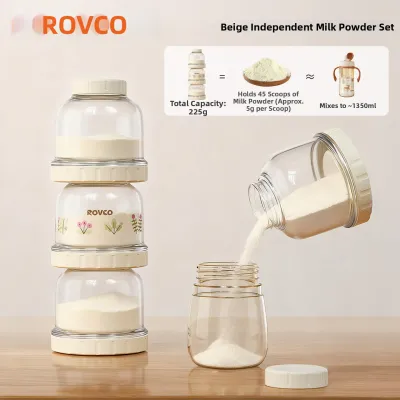

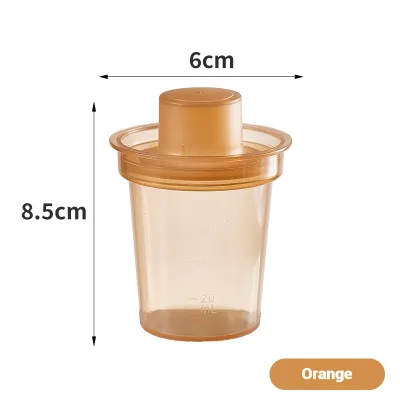
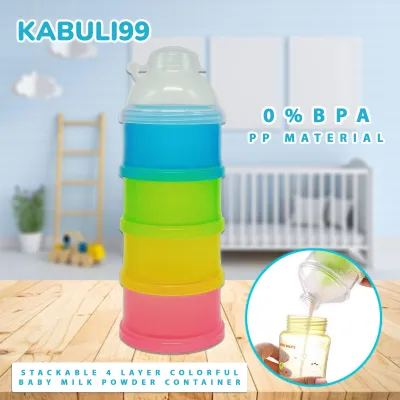
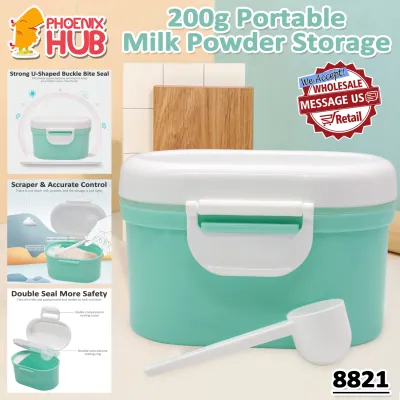
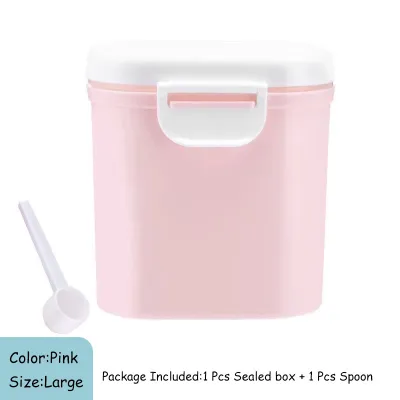
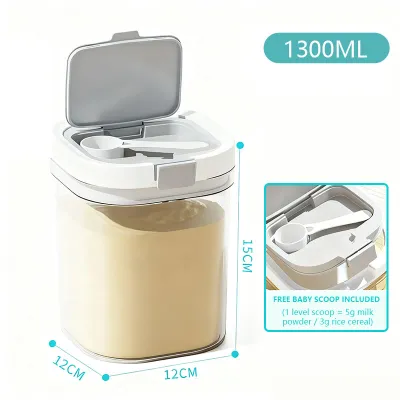
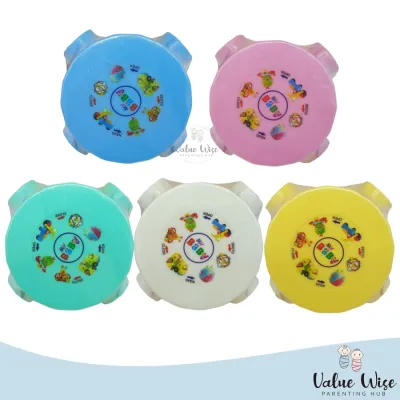
Prices are valid at publication and may change. Please refer to the product page for the latest price.
While general age guidelines serve as a helpful reference, every baby develops at their own pace. Some infants master the coordination required for a cup earlier, while others need more time to transition away from the breast or bottle. It is always best to consult your pediatrician to evaluate your baby’s specific developmental milestones and receive personalized feeding advice before making major changes to their routine.
Baby Bottles: When to Use and When to Transition
Baby bottles serve as the primary lagayan ng milk for baby during the first few months of life, providing a familiar and comforting way to feed. When using bottles, it is essential to regularly check the manufacturer’s guidelines regarding age recommendations and nipple flow rates. As babies grow, their sucking strength increases, requiring a transition to faster flow rates to prevent frustration during feeding. However, bottles are not meant to be used indefinitely, and planning a gradual transition supports healthy oral development.

Recognizing when to start weaning off the bottle involves watching for subtle behavioral shifts. You might notice your baby showing an active interest in the glasses or mugs you use during family meals. They might begin chewing on the bottle nipple instead of sucking, or they may easily grasp and manipulate small toys, indicating they have the manual dexterity to hold a cup. These actions suggest that their oral motor skills are evolving beyond the simple suck-and-swallow reflex used with bottles.
Even if your baby shows these signs, the transition does not have to be a continuous upward climb. If your baby is currently dealing with teething discomfort, recovering from a common cold, or experiencing a major disruption in their daily routine—such as moving to a new home or starting daycare—it is perfectly acceptable to pause the transition. Forcing a new cup during times of stress can lead to feeding aversion, so returning to the comfort of a familiar bottle temporarily is often the wisest choice.
Sippy Cups vs. Straw Cups: Navigating the Transition
When moving away from the bottle, parents are often faced with the choice between sippy cups and straw cups. These two options require very different oral motor mechanics. A traditional hard-spout sippy cup requires a baby to tilt their head back and use a tongue-thrust motion similar to bottle feeding. In contrast, a straw cup encourages the baby to keep their head level, purse their lips, and use active cheek and tongue coordination to draw liquid upward. Many pediatric feeding experts suggest that straw cups offer a more beneficial workout for developing speech and swallowing muscles.
To determine if your baby is managing either cup successfully, observe their swallowing patterns closely. A successful transition is marked by smooth swallowing without coughing, choking, or excessive drooling. If you notice milk constantly leaking from the corners of their mouth, or if they cough frequently while drinking, the flow may be too fast, or their oral coordination may not yet be mature enough for that specific cup design.
When shopping for a transitional lagayan ng milk for baby, carefully inspect the product packaging and labels. Look for manufacturer-specified age ranges and verify that the materials are certified BPA-free to ensure safety. In the humid tropical climate of the Philippines, ease of cleaning is another critical factor; cups with complex, non-removable valves can easily trap moisture and harbor mold. Opt for designs that can be completely disassembled and thoroughly scrubbed or sterilized according to the manufacturer’s instructions.
If your baby consistently rejects a new cup or becomes highly frustrated during mealtime, do not hesitate to step back. Forcing the issue can create negative associations with drinking. Put the cup away for a week or two, continue with their current feeding method, and try introducing it again when they are in a relaxed, curious mood.
Introducing the Open Cup: Signs of Readiness and Practice
Introducing an open cup is a significant milestone in your baby’s weaning journey, helping them develop advanced hand-eye coordination and precise control over their jaw and tongue. Before making this transition, your baby needs to demonstrate specific motor skills. They should be able to hold a small, lightweight cup with both hands, bring it to their lips, and tilt it slightly without immediately dumping the contents. This requires a level of physical control that typically develops in later infancy.
When you begin practicing with an open cup, start with very small amounts of liquid—just a tablespoon or two of water or breast milk at a time. This minimizes the mess and reduces the risk of your baby taking in too much liquid at once. Always provide close, active supervision during these practice sessions. Sit directly in front of your baby, guide their hands if necessary, and ensure they do not tilt the cup too quickly, which can lead to choking or inhaling the liquid.
It is completely normal for open cup practice to be messy, but watch for signs of genuine fatigue or frustration. If your baby begins throwing the cup, crying, or spilling the entire contents repeatedly, it indicates they may be tired or not yet ready for this level of coordination. In such cases, temporarily returning to a straw cup or a spill-proof sippy cup keeps mealtimes positive while keeping them hydrated.
If your baby struggles significantly with the basic mechanics of drinking from an open cup past the typical developmental window, or if they consistently choke or cough when trying to swallow from an open rim, consult your pediatrician or a pediatric feeding specialist. They can evaluate your baby’s oral motor function and provide tailored exercises to support their progress.
Decision Checklist: Matching the Container to Your Baby's Cues
Choosing the right lagayan ng milk for baby requires ongoing observation and flexibility. To help you decide whether to maintain your current setup or introduce a new container, use this step-by-step evaluation checklist based on your baby’s daily feeding behaviors:
- Assess Coordination: Can your baby easily bring objects to their mouth and hold a lightweight container with both hands?
- Monitor Frustration: Does your baby seem content during feedings, or do they cry, bite the nipple, or push the container away?
- Observe Swallowing: Is your baby swallowing smoothly, or do you notice frequent coughing, sputtering, or milk leaking from their mouth?
- Check Interest: Does your baby reach for your cup or try to mimic your drinking habits during family meals?
If your baby is struggling with their current stage or showing signs of stress, there is absolutely no penalty for delaying a transition. Every child develops on their own timeline, and forcing a transition before they are physically ready can lead to feeding challenges. Keeping them on a familiar bottle or transitional cup for a few extra weeks is a safe and supportive choice.
However, if you observe persistent feeding difficulties, such as continuous choking, a complete refusal to take any liquids other than from a bottle past twelve months, or signs of oral discomfort, it is time to seek professional guidance. Consult your pediatrician, a certified lactation consultant, or a pediatric occupational therapist. These professionals can offer specialized support to ensure your baby’s weaning journey is safe, healthy, and successful.
Frequently Asked Questions (FAQ)
Can I skip the sippy cup and go straight to a straw or open cup?
Yes, skipping the traditional sippy cup is a highly common and developmentally appropriate path. Many pediatric feeding specialists recommend going directly from a bottle or breast to a straw cup or a small open cup, as these tools promote better oral motor habits and tongue positioning. Observe your baby’s ability to sit upright and control their hands, and consult your pediatrician for personalized advice on skipping transitional cups.
What should I do if my baby refuses to drink from a new cup?
If your baby rejects a new lagayan ng milk for baby, try introducing it during low-stress times, such as playtime, without any liquid inside so they can explore it as a toy. When you do offer milk, ensure the temperature matches what they are used to in their bottle. If they are teething or feeling unwell, pause the introduction and try again in a week or two when they are more comfortable.
Are there specific materials I should look for when buying a milk container?
When selecting a milk container, always check the product labels to verify that the materials are food-grade and certified BPA-free. Look for durable options like high-quality silicone, stainless steel, or tempered glass with protective sleeves, depending on your baby’s age and handling ability. Always follow the manufacturer’s care and sterilization instructions to maintain the container’s safety and hygiene, especially in warm, humid environments.

Community discussion
Share your experience or ask a question. Comments are reviewed before publication.