
The best milk box for feeding on the go depends on your outing’s duration, the type of milk, and environmental conditions. For quick errands, a single-dose dispenser or a compact pouch minimizes bulk. Full-day outings require multi-tier, stackable containers or insulated cooler compartments to maintain freshness, while long-distance travel demands robust, airtight bulk containers. By matching the container’s capacity, sealing mechanism, and insulation to your specific itinerary, you can ensure your baby’s milk remains safe, dry, and ready to serve.
Evaluating Your Outing Duration and Feeding Needs
Planning a successful outing with a baby starts with assessing your schedule and feeding routine. Calculate the exact number of feeds required during your time away, adding one extra serving as a buffer. A young infant feeding every few hours has vastly different storage requirements than an older baby who only needs one midday bottle alongside solid foods.
The physical state of the milk also dictates your choice of container. Powdered formula is highly sensitive to humidity, requiring completely dry, airtight compartments to prevent clumping. Conversely, expressed breast milk or pre-mixed liquid formula requires strict temperature control, meaning your storage setup must accommodate ice packs and insulated barriers rather than just dry plastic dividers.
Products mentioned in this guide
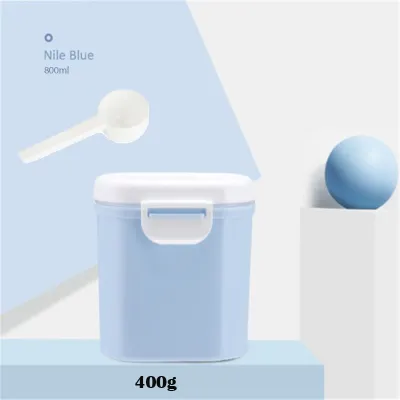
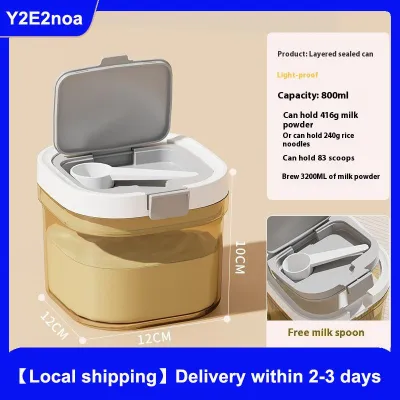
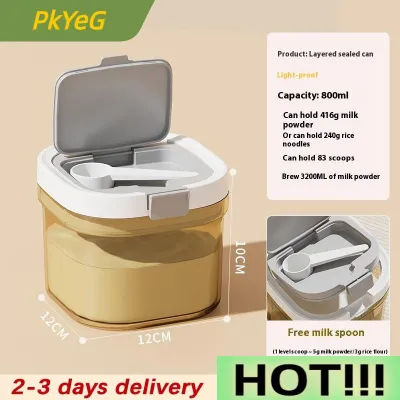
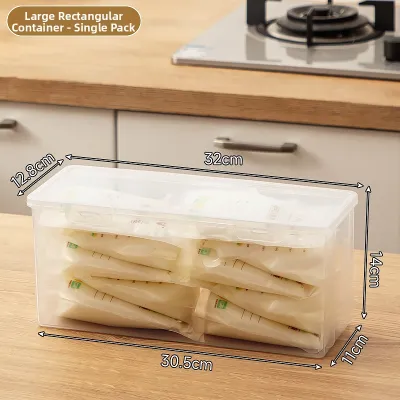
Prices are valid at publication and may change. Please refer to the product page for the latest price.
Portability constraints should also guide your decision. Diaper bags fill up quickly with essentials, leaving limited space for bulky feeding gear. Consider the weight and shape of the milk box, ensuring it fits comfortably into the dedicated pockets of your bag without stretching the seams or adding unnecessary strain.
Finally, think about the nature of your movement. If you are pushing a stroller through a park or shopping mall, you may have more storage space in the under-carriage basket for larger containers. If you are wearing your baby in a carrier or navigating crowded public transport, a minimalist, lightweight setup that fits into a small backpack is much more practical.
Choosing a Compact Milk Box for Short Errands
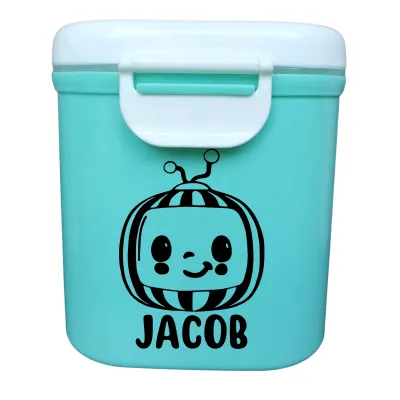
For quick trips like a doctor’s appointment, a brief walk, or a fast run to the supermarket, carrying a bulky multi-tier container is unnecessary. A compact, single-serve formula dispenser or a small, flexible storage pouch is the ideal solution. These minimalist options are designed to hold just one or two pre-measured portions of powder, keeping your diaper bag light and uncluttered.

When you are out on a short errand, convenience is paramount. Look for quick-access designs that allow you to dispense the powder into a bottle with one hand while holding your baby. Funnel-shaped openings or narrow spouts are particularly helpful, as they guide the powder directly into the bottle neck without spilling, even when you are preparing a feed in a crowded space.
Security is another critical factor, even on short trips. A simple snap-lock lid or a secure twist-top mechanism ensures that the container will not accidentally pop open if your diaper bag is bumped. Inspect the seals of these compact boxes to confirm they fit tightly and do not allow fine powder to seep out into your bag.
Because these small containers are used frequently, they must be exceptionally easy to clean and dry. Opt for designs with rounded interior corners where powder cannot get trapped, and verify that the material is easy to scrub by hand. Fast-drying plastics or silicone pouches help ensure the container is ready for another trip without delay.
Selecting High-Capacity Storage for Full-Day Outings
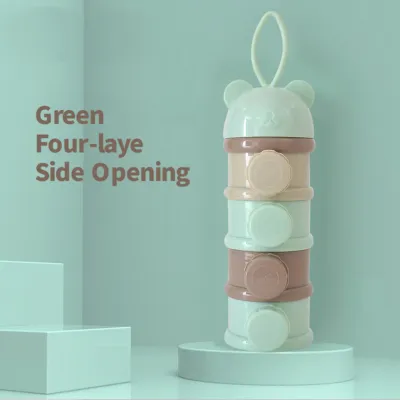
Spending a full day away from home requires a more robust storage strategy. Multi-tier, stackable formula dispensers are excellent because they allow you to carry three or four pre-measured portions in separate, self-contained compartments. This modular approach keeps each serving completely isolated, preventing moisture from affecting the remaining powder when you open one section.
For parents using liquid milk, such as expressed breast milk or pre-mixed formula, temperature control is the primary concern over an extended day. You will need to pair your milk containers with an insulated bottle holder or a specialized cooler bag equipped with gel ice packs. Keeping the liquid consistently cold is vital to slow down bacterial growth, especially in warm, tropical climates.
Durability and sealing power are non-negotiable when a container must survive hours of shifting inside a packed bag. Look for milk boxes made from thick, impact-resistant plastics that will not crack if dropped. High-quality silicone gaskets or deep screw-thread lids provide the necessary leak-proof barrier, ensuring that liquid milk stays inside the bottle and dry powder remains protected from external humidity.
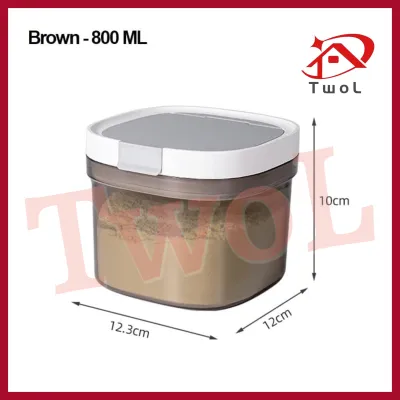
To make feeding times smoother, choose containers with clear measurement markings or transparent walls. Being able to see exactly how much powder or liquid remains at a glance saves you from having to open multiple compartments, which exposes the contents to air. This simple feature helps you track your baby’s intake and plan your return home before running out of supplies.
Packing Secure Milk Containers for Travel and Long Trips
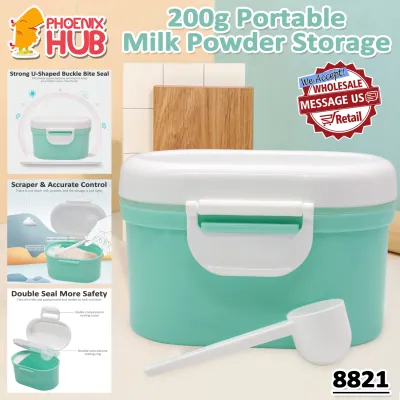
Long-distance travel, overnight stays, or flights require a shift from pre-measured portions to bulk storage solutions. When traveling for several days, carrying a large-capacity, airtight milk box for bulk formula powder is much more efficient than packing dozens of individual dispensers. These heavy-duty containers feature reinforced walls to protect the powder from being crushed under heavy luggage and airtight silicone seals that lock out moisture.
If you are traveling with liquid breast milk over long distances, a dedicated breast milk transport cooler is essential. These specialized coolers often feature molded ice packs that wrap closely around the bottles, maximizing thermal efficiency. When packing these coolers, ensure the ice packs do not directly touch the milk containers if you want to prevent partial freezing, or arrange them specifically to maintain a uniform, cold temperature.
Even the most reliable containers can experience leaks due to changes in cabin pressure during flights or vibrations on rough roads. To prevent a messy cleanup, always use secondary barriers, such as placing your primary milk boxes and bottles inside sealable, food-grade silicone bags or clean plastic zip pouches. This extra layer of defense ensures that any accidental leaks are contained and do not ruin your clothes or travel documents.
Before embarking on your journey, take the time to verify the current regulations of your airline or public transport provider regarding baby food and liquids. Most transport authorities allow reasonable quantities of breast milk, distilled water, and formula to exceed standard liquid limits, but they may require separate screening. Keeping your milk containers easily accessible at the top of your carry-on bag will make security checks faster and less stressful.
Maximizing Versatility and Maintaining Hygiene on the Go
Investing in versatile, modular milk boxes can save you money and storage space over time. Many modern designs allow you to stack as many or as few compartments as you need for a specific trip, easily converting from a single-serving container for a quick errand into a four-tier tower for a full day out. As your baby grows, these adaptable containers can be repurposed to hold small snacks or purees, extending their useful lifespan.
Maintaining strict hygiene is critical when preparing feeds away from home, where clean water and sanitizing stations may not be readily available. Establish a consistent routine of washing all parts of your milk box with warm, soapy water, sterilizing them according to the manufacturer’s instructions, and letting them air dry completely before assembly. Packing powder into a container that is even slightly damp will cause clumping and create an environment where bacteria can thrive.
Always inspect the manufacturer’s labels and product packaging to verify that the milk box is made from food-grade, BPA-free materials. Because these containers are exposed to warm temperatures, sunlight, and frequent washing, using certified safe plastics ensures that no harmful chemicals leach into your baby’s food. Avoid using containers that do not clearly state their material composition or safety certifications.
Finally, establish clear safety boundaries for when to discard milk or retire a container. Any prepared formula or breast milk that has been left at room temperature beyond the safe window recommended by health authorities must be discarded immediately. Regularly inspect your milk boxes for signs of wear, such as deep scratches, cloudy plastic, or persistent odors that do not wash away, as these imperfections can harbor bacteria and indicate that it is time to replace the container.
Frequently Asked Questions (FAQ)
How long can prepared formula stay in an insulated milk box?
The safe storage time for prepared formula depends heavily on the initial preparation temperature, the quality of your insulated container, and the ambient weather conditions. Generally, prepared formula should be consumed within two hours of preparation if kept at room temperature, or up to 24 hours if kept constantly cold in a highly efficient cooler bag with ice packs. Because tropical heat can accelerate bacterial growth, always consult the formula manufacturer’s specific label instructions and local pediatric health guidelines for exact time limits. Ensure your ice packs are placed in a separate compartment to avoid direct freezing.
Can I use the same milk box for both breast milk and formula?
Yes, you can use the same milk box or storage container for both breast milk and formula, provided you clean and sterilize it thoroughly between uses. Breast milk contains natural fats and proteins that can leave a thin residue on plastic surfaces, which must be completely removed to prevent bacterial contamination before storing formula. Never mix breast milk and formula together in the same compartment or bottle prior to feeding. Always check the manufacturer’s care instructions to ensure the container’s material is resistant to odor retention and can withstand the high temperatures required for proper sterilization.

Community discussion
Share your experience or ask a question. Comments are reviewed before publication.