
Starting your baby on solid foods is an exciting milestone, but it often comes with a fair share of messy tables and spilled purees. Choosing the right feeding gear can make this transition smoother, safer, and much more enjoyable for both you and your little one. Melii offers a range of colorful, engaging, and thoughtfully designed cups and tableware that cater to different stages of the weaning journey. To find the best options for your baby, you need to focus on developmental readiness, material safety, and practical features like suction bases and ergonomic handles.
Every baby develops at their own pace, meaning the ideal tableware setup will change as your child transitions from smooth purees to textured finger foods. By understanding what to look for in terms of design, durability, and ease of cleaning, you can select the right feeding essentials without overspending. This guide will help you evaluate the key features of training cups and tableware, match them to your baby’s specific weaning stage, and establish a safe, hygienic routine for your daily feeding gear.
Key Features to Evaluate in Melii Tableware for Beginners
When selecting tableware for a baby who is just starting solids, the suction base is one of the most critical features to evaluate. A strong suction mechanism keeps the bowl or plate firmly anchored to the high chair tray, preventing your baby from lifting and flipping their food onto the floor. Look for designs that feature an easy-release tab hidden from the baby’s view, allowing you to remove the dish effortlessly when mealtime is over. The effectiveness of the suction often depends on the surface material of your high chair, so testing the grip on a clean, dry, and non-porous surface is always recommended.
Products mentioned in this guide
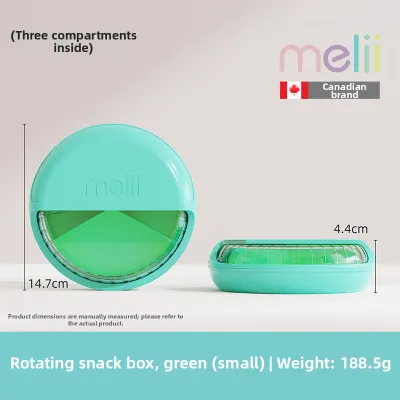
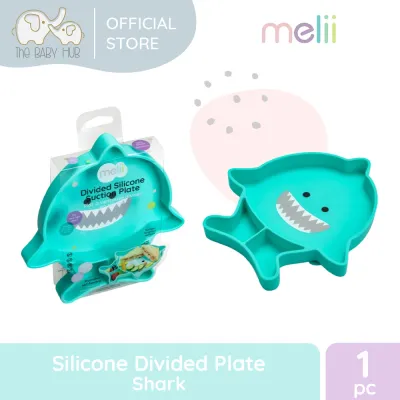
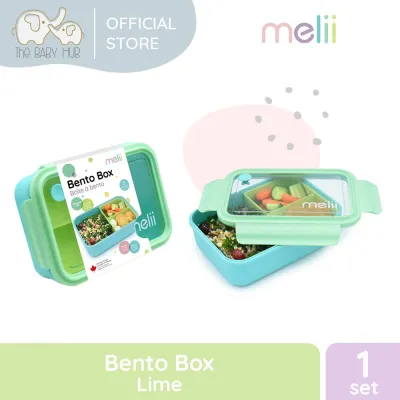
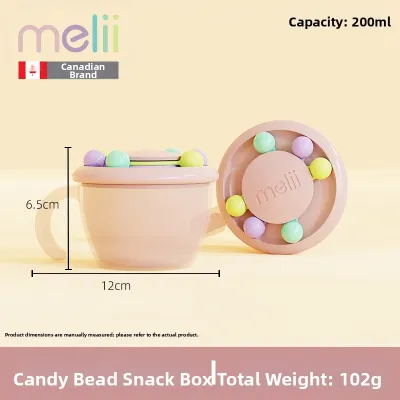
Prices are valid at publication and may change. Please refer to the product page for the latest price.
Material safety should be your top priority when choosing any product that comes into contact with your baby’s food. Always check the product packaging for clear labels indicating that the items are BPA-free, lead-free, PVC-free, and phthalate-free. Food-grade silicone is highly recommended for beginners because it is soft on sensitive gums, durable, and resistant to breaking when dropped. Ensuring these safety standards are met gives you peace of mind during daily use.
The physical design of the bowls and plates plays a significant role in how easily your baby learns to self-feed. For early purees, a bowl with deep, contoured walls helps you scoop up every spoonful against the side of the dish. As your baby transitions to self-feeding and finger foods, divided plates become highly useful. These sections allow you to offer a variety of food groups without them mixing, which can help babies identify different textures and flavors individually.
In a warm and humid tropical climate, ease of cleaning and hygiene are essential considerations for baby tableware. Silicone and high-quality plastics should resist staining from vibrant foods like squash, carrots, or tomato-based sauces. Furthermore, materials must be resistant to retaining food odors after washing. Choosing items with smooth, seamless designs prevents food particles from getting trapped in hard-to-reach crevices, reducing the risk of bacterial growth and mold in humid conditions.
Selecting the Ideal Melii Training Cups for Early Drinking Skills
Introducing a cup alongside solid foods is essential for teaching your baby how to swallow liquids other than breast milk or formula. The transition from a bottle or breast to a cup involves different oral motor skills, and choosing the right style depends on your baby’s coordination. Transition cups generally progress from soft spouts to weighted straws, and eventually to open cups. Introducing a straw cup early on is often recommended by pediatric specialists as it encourages proper tongue positioning and lip seal development.

Ergonomic design is crucial for helping small hands grasp and control a cup independently. Look for training cups equipped with wide, easy-to-grip handles that are sized perfectly for a baby’s hands. Lightweight materials ensure that the cup is not too heavy for your baby to lift when filled with water. As your baby’s fine motor skills improve, they will gradually transition from using two hands on the handles to holding the body of the cup with a single hand.
Flow rate control is another vital feature to prevent choking and sputtering during early drinking attempts. Spill-proof valves are excellent for preventing messy leaks when the cup is dropped or thrown from the high chair, but they require the baby to suck harder to get liquid. Free-flow or open-flow mechanisms, on the other hand, allow water to flow naturally, helping your baby learn the actual mechanics of sipping. Balancing these features based on your baby’s frustration levels and drinking progress will guide you to the right choice.
Finally, consider the physical stability of the cup when it is placed on a flat surface. Cups with a wider base or a slightly weighted bottom are less likely to tip over when your baby sets them down clumsily. A sturdy, well-balanced cup builds your baby’s confidence as they practice the repetitive motion of lifting, drinking, and returning the cup to the table without causing a spill.
Matching Melii Products to Your Baby's Weaning Stages
During Stage 1 of weaning, which typically begins around six months of age, your baby is introduced to smooth purees and single-ingredient foods. At this starting point, your primary needs are small-capacity suction bowls and soft-tipped silicone spoons. The spoons should be gentle on tender, teething gums and shallow enough for a beginner to clear the food easily with their upper lip. For drinking, an introductory cup with a soft spout or a highly responsive silicone straw is ideal for teaching the basic concept of sipping water.
As your baby progresses to Stage 2, usually between eight and ten months, they will begin exploring mashed foods, thicker textures, and soft finger foods. This is the perfect time to introduce divided suction plates, which allow you to present different food groups side-by-side. Larger suction bowls are also useful for serving thicker oatmeal or mashed vegetables. At this stage, a weighted straw cup is highly beneficial, as the flexible straw moves with the liquid, allowing your baby to drink from any angle, even when tilted.
By Stage 3, which often occurs around twelve months and beyond, your toddler is actively self-feeding and chewing a wider variety of family foods. At this point, you can begin transitioning them to open cups to build advanced swallowing skills and lip control. You can also introduce beginner stainless steel or firmer plastic utensils with short, thick handles designed for a toddler’s palm grip. As your child’s coordination improves and the tendency to throw dishes decreases, you can gradually transition to standard plates and bowls without suction bases.
Safety Checks and Daily Care for Melii Feeding Gear
To keep your baby’s feeding gear hygienic and safe, always verify the manufacturer’s care instructions before the first use. Not all plastics and silicones are created equal; some are safe for the top rack of the dishwasher, while others must be washed strictly by hand. Similarly, check the packaging to confirm if the items are safe for microwave use or steam sterilization. Exposing non-compatible plastics to high heat can cause warping, degradation, or the release of unwanted chemicals.
Regularly inspect all silicone and plastic components for signs of wear and tear. Babies who are teething may chew on the rims of cups, spoon tips, or the edges of plates. Look closely for deep scratches, tears, or bite marks, as these damaged areas can easily harbor harmful bacteria even after thorough washing. If you notice any peeling, cracking, or structural weakness, it is time to discard the item immediately to prevent choking hazards or bacterial contamination.
Proper washing routines are essential for maintaining the integrity of suction bases and preventing soap residue. Silicone is known to sometimes absorb the scent and taste of highly fragranced dish soaps, which can make your baby’s food taste soapy. To prevent this, use a mild, fragrance-free baby bottle cleanser and rinse thoroughly with warm water. Ensure that suction bases are completely dry and free of lint or dust before storing them, as any debris on the bottom will significantly reduce their suction power during the next meal.
In a tropical environment where humidity is high, mold can develop quickly in enclosed spaces. Pay special attention to cup lids, straw valves, and removable silicone seals. Disassemble all cup parts completely after every use and use specialized straw brushes to clean the inside of narrow tubes. Allow all components to air dry completely in a well-ventilated area before reassembling them for storage.
Building Your Starter Shortlist: What to Buy First
When preparing for the weaning journey, it is easy to get overwhelmed and over-purchase feeding accessories. To keep your initial budget practical, start with a minimal shortlist of essentials for the first month. A solid starter kit should include one high-quality suction bowl, a set of two soft silicone spoons, and one transition straw cup. This basic setup allows you to begin offering purees and water without cluttering your kitchen cabinets with items your baby might not be ready to use yet.
As you shop, ensure you are purchasing authentic products by buying from official brand stores or authorized distributors on reputable e-commerce platforms. Counterfeit baby products may not adhere to strict chemical safety standards, posing risks to your child’s health. Look for official seller badges, read customer reviews carefully, and verify that the packaging contains genuine safety certifications and brand labeling before making a purchase.
Evaluating bundle deals versus individual purchases can also save you money. Many brands offer starter sets that combine a bowl, plate, cup, and utensils at a lower price point than buying each item separately. However, only opt for a bundle if you plan to use all the included items within the first few months. If your baby is starting strictly with purees, buying a single suction bowl and a spoon set individually is often more practical and cost-effective than purchasing a large multi-piece set immediately.
Frequently Asked Questions (FAQ)
Can Melii tableware be used in the microwave and dishwasher?
To determine if your specific Melii tableware is safe for the microwave or dishwasher, you must check the product packaging or the manufacturer’s official guidelines. While many food-grade silicone items can tolerate the heat of a microwave and the top rack of a dishwasher, certain plastic components or decorative prints may warp or degrade under high temperatures. Always place dishwasher-safe items on the top rack only, away from the heating element, to prevent heat damage.
How do I know if the suction base is working properly?
To test if a suction base is functioning correctly, press down firmly on the center of the empty bowl or plate against a clean, completely flat, and non-porous surface, such as a plastic high chair tray or a glass tabletop. The surface must be free of dust, grease, and moisture to create a secure vacuum seal. If the dish slides or lifts easily, check the bottom of the suction base for any warping, lint, or soap residue, and ensure the surface you are sticking it to is not textured or matte.

Community discussion
Share your experience or ask a question. Comments are reviewed before publication.