
Selecting the right material for your child’s Avent straw bottle is a decision that directly impacts daily convenience, durability, and peace of mind. Parents in the Philippines often choose between polyphenylsulfone (PPSU), borosilicate glass, and polypropylene (PP) plastic. The ideal choice depends on your child’s age, physical coordination, and sterilization preferences. While PPSU combines the lightweight nature of plastic with high heat resistance, glass offers scratch resistance and chemical purity, and standard plastic remains a highly accessible, lightweight option. To make the best decision, you must weigh how each material performs under daily wear, how it responds to tropical conditions, and how easily your child can handle it independently.
Understanding PPSU, Glass, and Plastic for Avent Straw Bottles
When browsing for baby bottles, you will encounter various technical terms and material codes printed on the packaging or molded directly onto the bottle base. Understanding these designations is the first step in making an informed purchase. PPSU, or polyphenylsulfone, is a medical-grade thermoplastic known for its distinct honey-colored tint. It is highly durable and can withstand repeated sterilization cycles without degrading. Borosilicate glass is a traditional material valued for its clarity, chemical stability, and resistance to thermal shock. Polypropylene, commonly labeled as PP, is the standard lightweight, semi-translucent plastic used in many everyday baby products.
You can easily identify these materials by inspecting the bottom of the bottle or checking the product packaging for official recycling codes. PP bottles typically feature the number 5 recycling symbol, while PPSU and glass bottles will be clearly marked with their respective material names. Visually, glass is perfectly clear and feels heavy, PPSU has a natural golden or amber hue, and PP plastic has a slightly cloudy appearance.
Products mentioned in this guide
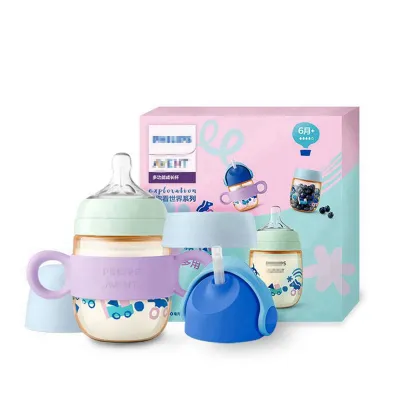
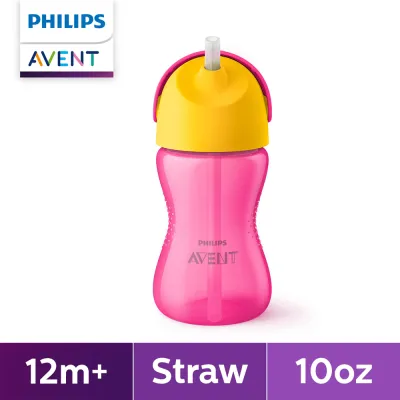
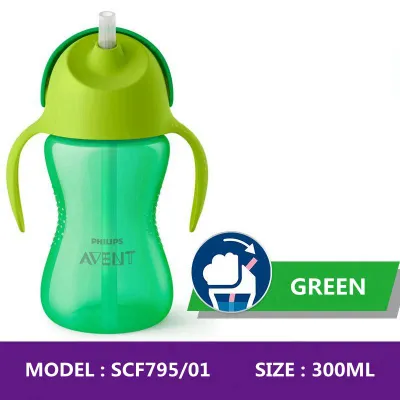
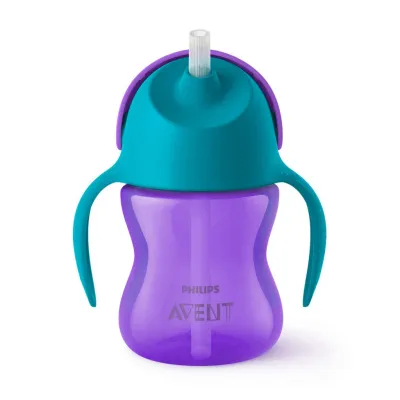
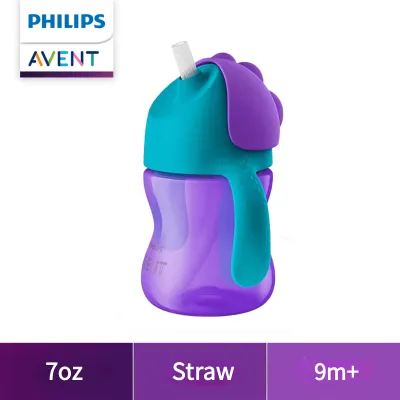
![[ BUY 1 TAKE 1 ] Philips AVENT Premium Spout Cup 12M+ Baby Bottle With Straw For Baby 9oz Feeding Bottle With Handles 6m+ 12m+ 18m+ Boy Training Cup With Straw Bottle Feeding For Baby With Straw Baby Straw Tumbler Straw Cup18m+ Hard Spout Cup 12oz](https://img.lazcdn.com/g/p/76d7717a4e4f163e1f1300c091975316.png_400x400q80.png_.webp)
Prices are valid at publication and may change. Please refer to the product page for the latest price.
Each of these materials interacts differently with heat, cleaning chemicals, and physical impacts. While PPSU and borosilicate glass generally offer higher heat tolerance and chemical resistance compared to standard PP plastic, the exact specifications can vary. It is essential to verify the maximum temperature limits and recommended sterilization methods in your specific product’s user manual before first use. This ensures you do not accidentally damage the bottle or compromise its structural integrity during cleaning.
Evaluating Durability and Drop Resistance for Active Toddlers
As babies transition to using a straw bottle, they enter an active developmental stage characterized by throwing, dropping, and banging their cups. Evaluating how well each material survives these daily impacts is crucial for choosing a bottle that lasts. Glass bottles, despite their premium feel and chemical purity, carry an inherent risk of shattering or chipping when dropped onto hard surfaces like tile or concrete floors. This makes them less suitable for unsupervised use by active toddlers who are learning to drink independently.

In contrast, plastic and PPSU bottles are virtually shatterproof, making them highly resilient against high-impact drops. However, standard PP plastic is prone to developing micro-scratches, cracks, or minor deformations over time, especially when subjected to rough handling or abrasive cleaning tools. PPSU offers superior impact resistance compared to PP, maintaining its structural integrity and resisting scratches even after multiple drops on hard surfaces.
Weight is another critical factor to consider when evaluating durability and usability. A heavier glass bottle can be difficult for a small child to hold steady, increasing the likelihood of accidental drops. If you prefer the hygienic benefits of glass but worry about breakage, look for protective silicone sleeves designed specifically for your bottle model. Always check the manufacturer’s guidelines regarding drop resistance, warranty conditions, and recommended usage environments to ensure the bottle matches your child’s active lifestyle.
Cleaning, Sterilization, and Heat Tolerance Guidelines
Maintaining strict hygiene is a top priority for parents, particularly in warm, humid tropical climates where bacteria and mold can multiply rapidly in damp environments. The material you choose dictates the sterilization methods you can safely use. Standard sterilization routines include boiling water, electric steam sterilizers, and ultraviolet (UV) sterilizing cabinets. However, not all materials react the same way to these processes.
PPSU and borosilicate glass possess excellent heat tolerance, allowing them to undergo frequent high-temperature steam or boiling sterilization without warping or releasing odors. PP plastic, while safe for standard sterilization, has a lower heat threshold and may degrade, warp, or become increasingly cloudy over time if exposed to excessive heat repeatedly. Furthermore, some plastics can retain strong odors from milk or juices, which can be difficult to remove.
To prevent damaging your bottles, always use the correct cleaning tools. Avoid abrasive scrubbing pads or stiff-bristled brushes that can create micro-scratches on the inner walls of plastic and PPSU bottles. These tiny scratches can become breeding grounds for bacteria and mold, which are especially challenging to eliminate in humid weather. Instead, opt for soft silicone brushes or sponge cleaners. Inspect the bottle body and straw assembly regularly; if you observe any deep scratches, persistent cloudiness, cracks, or stubborn mold spots, stop using the bottle immediately and replace the affected parts.
Matching the Material to Your Child’s Age and Motor Skills
A child’s physical coordination and developmental milestones should heavily influence your choice of bottle material. Younger infants who are still assisted during feeding do well with glass bottles, as the caregiver manages the weight and handles the bottle safely. However, as your child transitions to a straw bottle—typically around six months of age or older—they will want to hold the bottle themselves to practice their grip and motor skills.
For independent drinking, lightweight materials like PPSU and PP plastic are highly advantageous. A lighter bottle allows toddlers to lift, tilt, and carry their straw cup with ease, promoting self-feeding milestones without tiring their small hands and wrists. If a heavy glass bottle is dropped onto a child’s face or toes during a self-feeding attempt, it can cause pain or minor injury, which might discourage them from practicing their independent drinking skills.
When choosing a bottle, observe your child’s grip strength and hand-eye coordination. If your child is highly active and prone to throwing objects, a lightweight, shatterproof PPSU or PP straw bottle is generally the most practical and safest option. If you have concerns about your child’s physical development, grip strength, or transition to straw drinking, consider consulting a pediatrician or an occupational therapist for personalized guidance tailored to their specific motor skill milestones.
Purchasing Checklist: Verifying Specs and Avoiding Counterfeits
With the popularity of premium baby brands, counterfeit products have become a concern on various online marketplaces and unauthorized retail channels. Ensuring you purchase a genuine Avent straw bottle is vital for your child’s safety, as counterfeit plastics may contain harmful chemicals or fail to meet basic durability standards. To protect your family, follow a strict verification process when shopping.
First, carefully inspect the packaging and the bottle itself. Genuine bottles feature crisp, clear brand markings, accurate material recycling codes, and visible batch or lot numbers molded into the base. Be wary of products with misspelled words, smudged logos, or uneven seams, which are common indicators of low-quality counterfeits. Additionally, check for any unusual or strong chemical odors upon opening the packaging, as genuine medical-grade PPSU, borosilicate glass, and food-grade PP should be completely odorless.
To guarantee authenticity, purchase your baby gear only from authorized physical retailers, official brand flagship stores on reputable ecommerce platforms, or recognized local pharmacies. Investing a few hundred pesos ₱ in a genuine product ensures that the materials used are thoroughly tested and compliant with international safety standards. Finally, always retain your official receipt or proof of purchase, which is necessary for handling any warranty claims, customer service inquiries, or potential manufacturer product recalls.
Frequently Asked Questions (FAQ)
Can I mix and match Avent bottle parts across different materials?
Many parents appreciate the convenience of modular baby feeding systems, where collars, caps, handles, and straw assemblies can be swapped between different bottle bodies. While many bottle lines feature standardized neck sizes that allow some degree of interchangeability, compatibility is not always universal across different materials like glass and plastic. Glass bottles often have slightly different thread designs or rim thicknesses compared to their plastic counterparts to ensure a secure seal. To prevent leaks, spills, or damaged threads, always consult the specific product manual or the manufacturer’s official compatibility chart before mixing parts from different material lines.
How often should I replace a PPSU or plastic straw bottle?
There is no universal calendar date for replacing a baby bottle, as the lifespan depends heavily on how often the bottle is used, washed, and sterilized. Instead of relying on a fixed timeline, perform regular visual and physical inspections of the bottle body and straw. You should replace plastic or PPSU bottles immediately if you notice signs of wear such as deep scratches, persistent cloudiness, cracks, structural warping, or stubborn odors that do not fade after thorough cleaning. Silicone straw components generally wear out faster than the bottle bodies and should be checked frequently for tears, bite marks, or mold growth, especially in humid tropical climates.

Community discussion
Share your experience or ask a question. Comments are reviewed before publication.