
Selecting the right baby bottle is a key decision for parents navigating early parenthood. If you are considering a MAM feeding bottle, you will find options in polyphenylsulfone (PPSU), borosilicate glass, and soft silicone. The best material for your baby depends on their developmental stage, who is holding the bottle, and your daily lifestyle. While glass provides excellent purity and longevity for newborns at home, lightweight PPSU offers exceptional durability for active babies transitioning to self-feeding, and flexible silicone provides a soft, tactile grip that mimics natural feeding. Balancing these factors helps ensure a comfortable, safe, and efficient feeding routine.
Understanding MAM Bottle Materials: PPSU, Glass, and Silicone
To make an informed choice, understand the physical properties of each material. PPSU, or polyphenylsulfone, is a medical-grade plastic alternative known for its high durability and heat resistance. It is easily recognizable by its natural amber or honey-colored tint. Unlike standard plastics, PPSU does not easily absorb odors or stains, and it maintains its structural rigidity even after repeated sterilization cycles.
Glass bottles, typically made from high-quality borosilicate glass, represent the traditional choice for infant feeding. Glass is completely inert, meaning it does not react chemically with milk. Its ultra-smooth surface resists scratching and is highly hygienic, making it a favorite for parents who prioritize absolute purity. However, glass is naturally heavier and rigid.
Products mentioned in this guide
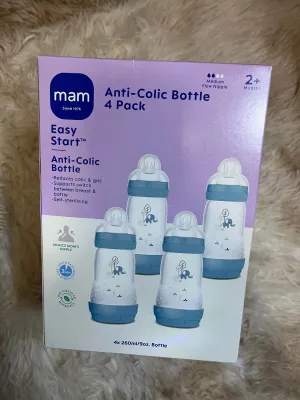
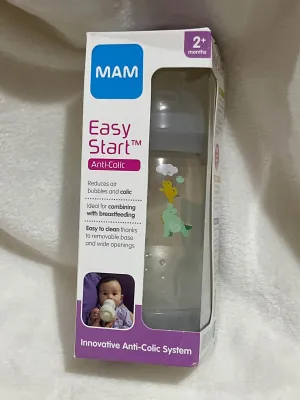

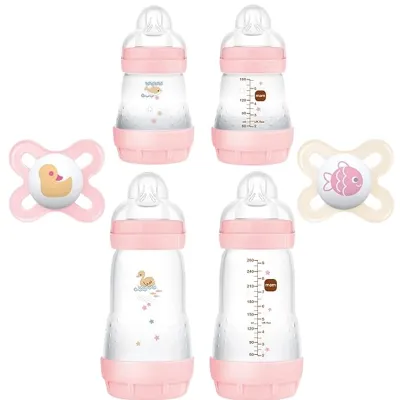
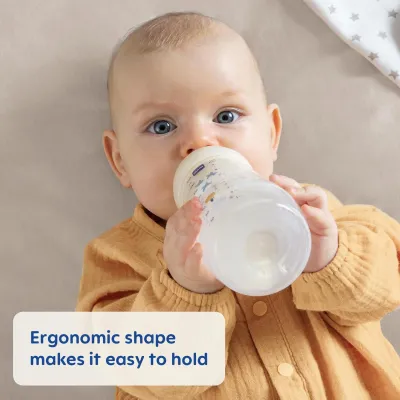
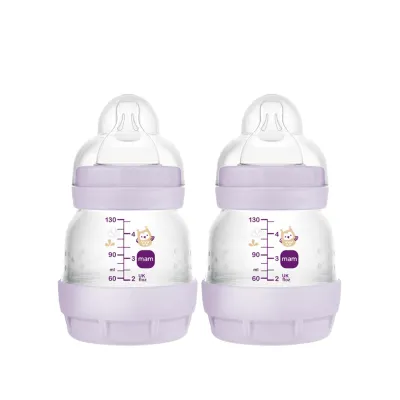
Prices are valid at publication and may change. Please refer to the product page for the latest price.
Silicone bottles introduce a modern, flexible alternative. Made from food-grade silicone, these bottles feature a soft, squeeze-able texture that closely mimics the feel of skin. This flexibility can be comforting to babies, and the material is highly resilient against drops.
While these materials are designed with infant safety in mind, parents should always verify BPA-free and BPS-free claims directly on the product packaging or official brand documentation. Do not rely on general material assumptions; instead, look for certified labels on the specific MAM feeding bottle model you purchase to ensure it meets current safety standards.
Comparing Durability, Weight, and Practical Handling
Evaluating how each material performs under daily wear and tear is crucial for long-term satisfaction. Shatter resistance is a primary concern for many families. In homes with hard tile or stone flooring, dropping a glass bottle can result in immediate breakage and dangerous shards. PPSU and silicone, by contrast, are virtually shatterproof, making them highly forgiving when dropped from high chairs or countertops.

Weight is another critical factor, particularly as your baby grows. Glass bottles are significantly heavier, which can tire out a parent’s wrist during long late-night feeding sessions. More importantly, this weight makes it difficult for a baby to hold the bottle independently. PPSU and silicone are exceptionally lightweight, allowing older infants to practice self-feeding milestones safely without the risk of dropping a heavy object on their face.
Thermal properties also differ among these materials. Glass has excellent heat transfer, meaning it warms up quickly in a bowl of warm water and allows you to gauge the milk’s temperature easily by touching the outside. PPSU and silicone have lower thermal conductivity; they may take slightly longer to warm up, and the outer surface might not feel as hot as the liquid inside. Always test the milk temperature on your wrist before feeding.
Regardless of the material you choose, regular physical inspections are vital. Over time, daily cleaning and sterilization can take a toll. Parents should routinely inspect bottles for micro-cracks, deep scratches, or cloudiness. These physical changes are clear indicators that the material is degrading and needs to be replaced to maintain hygiene.
Matching the Material to Your Baby's Age and Feeding Stage
Matching the bottle material to your baby’s age and developmental stage ensures a smoother feeding journey. For newborns and young infants, glass is often highly suitable. During these early months, parents or caregivers handle all the feeding, temperature checking, and cleaning. The weight of the glass is not an issue for an adult, and the material’s superior hygiene provides peace of mind during a stage when the baby’s immune system is still developing.
As your baby transitions to self-feeding, usually around six months or when they begin showing interest in holding the bottle, switching to PPSU or silicone is highly practical. These lightweight, shatterproof options allow your little one to build motor skills safely. If a PPSU or silicone bottle slips from their hands, there is no risk of injury or messy cleanup from broken glass.
Lifestyle and daily routines also dictate the best choice. If your baby attends daycare, travels frequently, or feeds on the go, lightweight materials are far easier to pack in a diaper bag. Carrying multiple glass bottles can quickly make a diaper bag heavy and cumbersome, whereas PPSU and silicone keep your travel gear light and manageable.
Budgeting is another practical consideration. While glass bottles have a higher initial cost, they can last indefinitely if they do not break. PPSU and silicone bottles are durable but will eventually require replacement due to natural wear. When planning your baby budget, it is wise to allocate a set amount in ₱ for periodic updates to your bottle collection, ensuring you can replace worn items without delay.
Cleaning, Sterilization, and Care Instructions
Maintaining strict hygiene is essential to protect your baby’s health, and each material requires specific care. General sterilization methods include boiling, electric steam sterilizers, and UV sterilizers. However, you must always check the specific MAM product manual for exact temperature limits and sterilization compatibility. For instance, while glass and PPSU can withstand very high temperatures, some silicone components or plastic collars may have lower thresholds or may degrade faster under continuous UV exposure.
If you use a dishwasher, verify the manufacturer’s instructions regarding dishwasher safety. Generally, bottle components should be placed on the top rack to keep them away from the intense heat of the bottom heating element, which can warp plastics or damage silicone seals.
The choice of cleaning tools is equally important. Avoid using abrasive wire brushes or harsh scrubbing pads, especially on PPSU and silicone surfaces. These abrasive tools can create microscopic scratches on the inner walls of the bottle. These tiny grooves are highly problematic because they can harbor milk residue and bacteria, making subsequent cleanings less effective. Instead, opt for soft sponge brushes or specialized silicone bottle brushes.
Finally, establish clear stop-conditions for your feeding gear. If you notice permanent discoloration, persistent sour odors that do not disappear after thorough washing, or structural degradation like sticky silicone or cracked glass, immediately dispose of and replace the bottle.
Frequently Asked Questions (FAQ)
Can I mix different MAM bottle materials for the same baby?
Yes, you can safely alternate between different MAM bottle materials depending on your daily needs. The brand’s nipples, collars, and caps are generally designed to be compatible across their standard bottle bodies, allowing you to swap components easily. However, keep in mind that babies can be highly sensitive to changes. Your baby might notice the difference in weight between glass and PPSU, or they may prefer the soft, squeeze-able texture of silicone. If your baby seems fussy or rejects a bottle, it could be a reaction to the physical feel of the material rather than the milk itself.
How often should I replace PPSU, glass, or silicone bottles?
There is no single calendar date for replacing bottles, as it depends entirely on wear and tear. Glass bottles can last for years or even through multiple children, provided they remain free of chips, cracks, or deep scratches. PPSU is highly durable but should generally be evaluated every six to twelve months for signs of cloudiness or scratching. Silicone bottles, being softer, may degrade faster under heavy use and sterilization; inspect them regularly for a sticky texture, tears, or discoloration, and replace them immediately if these signs appear.
Do all MAM bottle materials feature the same anti-colic design?
MAM is widely known for its signature anti-colic venting system, which typically features a ventilated base to regulate pressure and prevent air bubbles from mixing with the milk. While this design is a hallmark of the brand, the exact mechanism can vary slightly between material lines—for example, glass bottles may utilize a different valve system compared to the self-sterilizing plastic models. Always verify the specific model’s packaging and instructions to ensure the anti-colic feature is present and that you assemble all venting components correctly before feeding.

Community discussion
Share your experience or ask a question. Comments are reviewed before publication.