
Choosing the right kids tableware set and water cup set in the Philippines requires balancing material safety, developmental readiness, and local environmental factors like high humidity. Parents transitioning their babies to solid foods—a milestone often referred to as weaning—should look for complete sets that offer strong suction bases, ergonomic designs, and materials that can withstand frequent sterilization. Rather than searching for a single, universally perfect brand, the most effective approach is to verify product specifications against your baby’s specific developmental stage and your home’s cleaning setup.
As your baby transitions from a milk-only diet to exploring purees and finger foods, the physical tools they use play a significant role in their motor skill development. The right tableware encourages self-feeding, minimizes mealtime mess, and ensures that the food served remains safe and uncontaminated. By understanding what features to look for and how to maintain these items in a tropical climate, you can create a safe, stress-free dining environment for your growing child.
Essential Features for Weaning Tableware Sets
When evaluating a kids tableware set, the material composition is your first line of defense for food safety. Parents should carefully inspect product labels to verify that the items are made from food-grade silicone, high-quality stainless steel, or BPA-free plastics. Food-grade silicone has become highly popular because it is flexible, shatterproof, and resistant to extreme temperatures. Stainless steel offers exceptional durability and hygiene, though it cannot be used in a microwave. If you choose plastic, ensure it is completely free of bisphenol A (BPA), phthalates, and other potentially harmful chemical additives. Always check the manufacturer’s packaging for age-suitability ratings to ensure the size and weight of the tableware match your baby’s physical capabilities.
Products mentioned in this guide
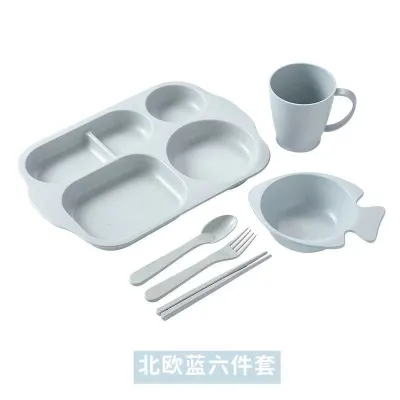
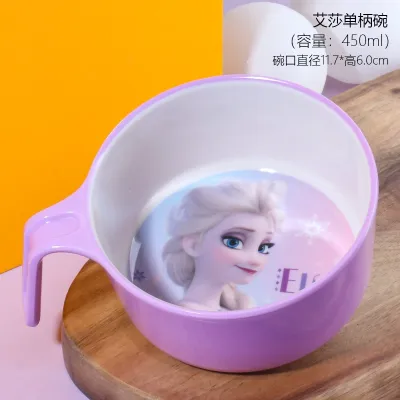
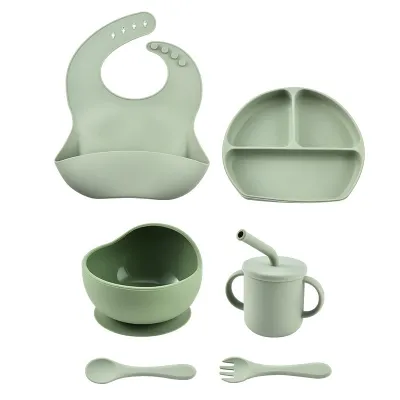
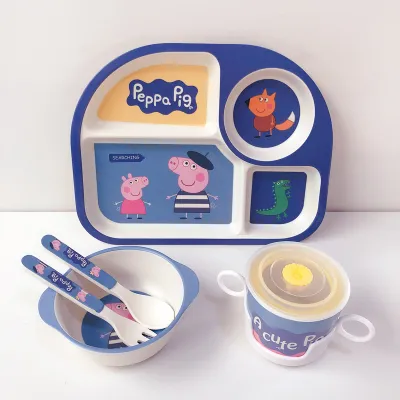
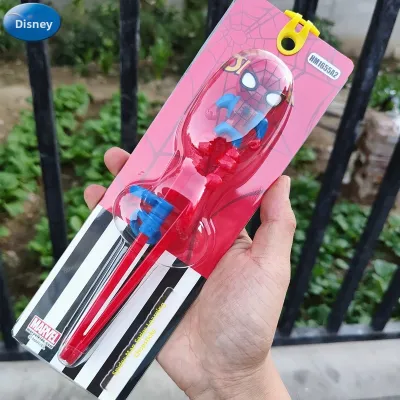
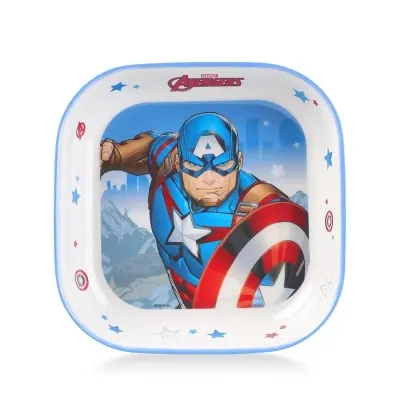
Prices are valid at publication and may change. Please refer to the product page for the latest price.
Base stability is another critical factor to consider when your baby is learning to feed themselves. Suction plates and bowls are designed to stick to highchair trays, preventing the entire meal from being swiped onto the floor. However, the effectiveness of a suction cup depends heavily on the surface texture of your highchair. Smooth, non-porous surfaces like polished plastic or glass provide the strongest seal, whereas textured, matte, or wooden trays often allow air to seep under the suction cup, causing it to release. To test a suction base, clean both the tray and the suction pad, press down firmly from the center of the bowl, and try to lift it from the edges. As your child develops better hand-eye coordination and learns to respect the boundaries of the table, you can gradually transition them to non-suction plates.
Compartment design also plays a practical role in early childhood nutrition and development. Divided plates allow caregivers to serve different food groups separately, which is highly beneficial when introducing single ingredients during the early stages of weaning. This separation helps babies identify distinct flavors, textures, and colors rather than experiencing them as a single mixed puree. Furthermore, look for plates and bowls with deep, curved inner walls. These raised edges act as a natural backstop, making it much easier for a baby to scoop up food with a spoon or their fingers without pushing it over the side of the dish.
Matching Water Cups to Your Baby’s Developmental Stage
Introducing a water cup is a progressive learning experience that aligns with your baby’s oral motor development. The transition typically begins with a trainer cup or a soft-spout cup, which requires a sucking action similar to a bottle. From there, babies usually progress to a straw cup, which helps develop the lip strength and tongue coordination necessary for mature swallowing patterns. The final stage is the open cup, which teaches the child how to control the flow of liquid using their lips and jaw. Because every child develops at their own pace, parents should closely observe their baby’s physical milestones and consult their pediatrician or follow manufacturer guidelines before moving from one cup style to the next.

Flow control and spill prevention are essential features to analyze when choosing a cup. Many transition cups feature silicone valves that prevent leaks even when the cup is dropped, shaken, or turned upside down. While these leak-proof mechanisms are highly convenient for keeping your home clean, some valves require a significant amount of suction to draw liquid. If a valve is too stiff, a young baby may become frustrated and refuse to use the cup, or they may develop improper swallowing habits. Look for adjustable valves or cups designed with a gentle flow rate that matches your baby’s sucking strength, ensuring they can drink comfortably without swallowing excess air.
Ergonomics and physical design are equally important for small, developing hands. A baby’s grip is still developing during the early months of weaning, so a cup must be lightweight and easy to hold. Cups equipped with dual, easy-grip handles are ideal for beginners, as they allow the baby to use both hands to stabilize and guide the cup to their mouth. The handles should feature a non-slip texture, which is particularly helpful in warm, tropical climates where a baby’s hands may become sweaty or coated in food during mealtime. As your child’s grip strength improves, you can transition them to handle-free cups with contoured bodies that fit naturally into their palms.
Safety Inspections and Daily Maintenance
Regular safety inspections are vital to ensure your kids tableware set remains hygienic and safe for daily use. Over time, even the most durable materials can degrade under the stress of frequent washing, biting, and dropping. Parents should routinely inspect silicone items for micro-tears, especially along the edges of bowls and the tips of spoons where teething babies tend to chew. Plastic tableware should be checked for deep scratches, cracks, or cloudy discoloration. These physical imperfections are not just cosmetic issues; they can trap tiny food particles and moisture, creating an ideal breeding ground for bacteria that standard washing cannot easily reach. If you detect any signs of structural damage, it is best to discard the item immediately.
In the warm and humid climate of the Philippines, daily cleaning protocols require extra diligence to prevent the growth of mold and mildew. Water cups with complex straw mechanisms, sliding lids, and internal valves are highly susceptible to mold accumulation if moisture is trapped inside. To clean these items thoroughly, disassemble every single component of the cup after each use. Wash the parts in warm, soapy water using specialized, slim straw brushes to scrub the inner channels of straws and valves. Always check the manufacturer’s product label to verify if the tableware is dishwasher-safe. If washing by hand, use a mild, baby-safe dishwashing liquid and allow all parts to air-dry completely in a well-ventilated area before reassembling them.
Temperature limits must be strictly observed during sterilization and food preparation to prevent material damage. Many parents prefer to sterilize baby items using boiling water, steam sterilizers, or UV sterilizers. However, subjecting tableware to temperatures beyond the manufacturer’s specified threshold can cause plastics to warp, silicone to lose its elasticity, or chemical bonds to break down. Always read the user manual to find the maximum temperature limit for each component. Additionally, avoid using microwave ovens to heat food directly in plastic containers unless they are explicitly labeled as microwave-safe, as excessive heat can cause chemical leaching into your baby’s food.
Building Your Shortlist: Purchasing and Verification Steps
When you are ready to purchase a kids tableware set, establishing a realistic budget is a practical starting point. Prices for weaning sets in the local market can vary widely, ranging from budget-friendly plastic options starting around ₱300 to premium, medical-grade silicone or stainless steel sets that can cost upwards of ₱2,000. While premium materials generally command higher price points due to their durability and chemical purity, you do not need to buy the most expensive set on the market. Instead, focus on finding a set that offers the specific safety features and designs your baby needs, and compare prices across authorized retailers to find the best value.
To protect your baby from counterfeit or substandard products, always verify the purchasing channel. The local market has seen an influx of unbranded, extremely cheap children’s products that may not comply with international safety standards. To ensure authenticity, purchase your tableware and cups directly from official brand stores, authorized maternity specialty shops, or reputable online marketplaces that feature verified seller badges. Avoid buying from unverified third-party sellers who cannot provide clear information about the manufacturer, product origin, or material composition.
Before finalizing your purchase, perform a thorough check of the product packaging for recognized safety certifications. Look for clear labels indicating compliance with international food-contact safety standards, such as the US Food and Drug Administration (FDA) guidelines, European LFGB standards for silicone, or EN 14372 safety specifications for children’s cutlery and feeding utensils. These certifications serve as verifiable proof that the materials used in the tableware have undergone rigorous testing and are free from harmful levels of lead, heavy metals, phthalates, and BPA, giving you peace of mind during every meal.
Frequently Asked Questions (FAQ)
When is the right time to introduce a water cup?
Most babies are developmentally ready to start learning how to use a water cup around six months of age, which typically coincides with the introduction of solid foods. Key physical milestones to look for include the ability to sit upright with minimal support, good head and neck control, and a demonstrated interest in what caregivers are drinking. Rather than relying solely on age charts, observe your baby’s coordination and consult your pediatrician for a personalized readiness assessment before introducing a cup to their daily routine.
Can I microwave food directly in silicone tableware?
While high-quality, food-grade silicone is generally heat-resistant and safe for microwave use, you must always verify the manufacturer’s specific guidelines and temperature limits printed on the packaging. Avoid microwaving foods that are exceptionally high in fat or sugar directly in silicone dishes, as these substances can quickly reach temperatures that exceed the material’s heat tolerance, potentially causing the silicone to warp, discolor, or degrade over time. For the safest results, heat food in a glass container first, let it cool to a safe temperature, and then transfer it to your baby’s silicone plate.

Community discussion
Share your experience or ask a question. Comments are reviewed before publication.