
Choosing the right kids spoon and fork set is a fundamental step in supporting your child’s developmental journey from their very first taste of solid food to confident, independent eating. During the weaning process, a child’s oral motor skills, hand-eye coordination, and grip strength undergo rapid transformations. Introducing a utensil that does not match your baby’s current physical capabilities can lead to frustration, mealtime resistance, and unnecessary messes. By selecting utensils tailored to specific developmental milestones, you can foster self-reliance, protect sensitive gums, and make family mealtimes a more engaging and positive experience.
In tropical environments like the Philippines, where fresh, seasonal fruits, warm rice mashes, and local vegetable purees are mealtime staples, having the right tools is especially important. High humidity and warm temperatures also mean that utensil hygiene, material durability, and ease of cleaning are critical factors for busy parents. Understanding how to evaluate handle shapes, bowl depths, and material safety allows you to make informed purchases that keep pace with your growing child.
Identifying Your Baby's Current Weaning Stage
Before purchasing any feeding utensils, observe your child’s physical milestones and motor skills rather than relying solely on age guidelines. The transition to solid foods typically begins around six months of age, but readiness is demonstrated through specific physical cues. Your baby should be able to sit upright with minimal support, maintain steady head control, and show active interest in the food on your plate. Another key indicator is the gradual disappearance of the tongue-thrust reflex, which naturally prevents infants from choking on solid objects early in life.
Products mentioned in this guide
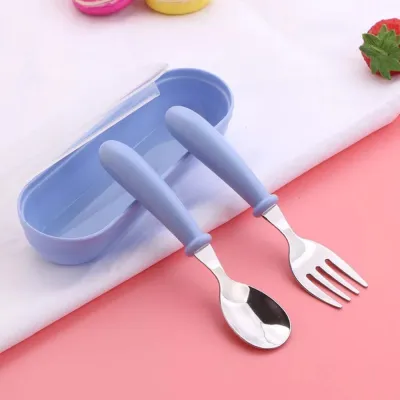
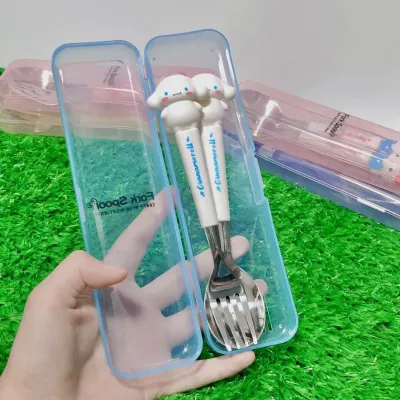
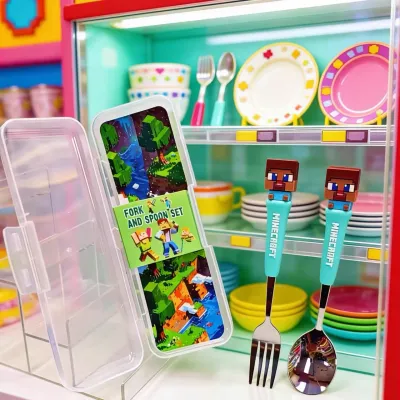
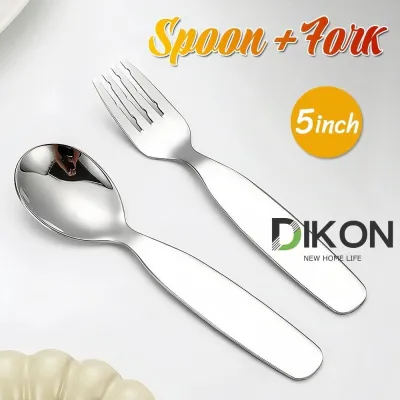
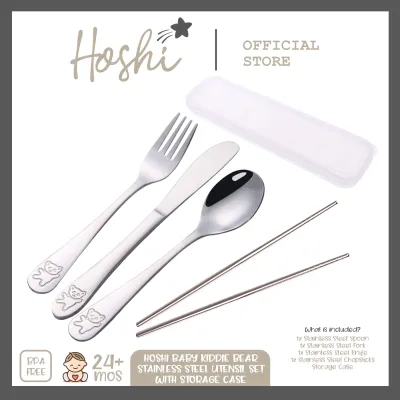
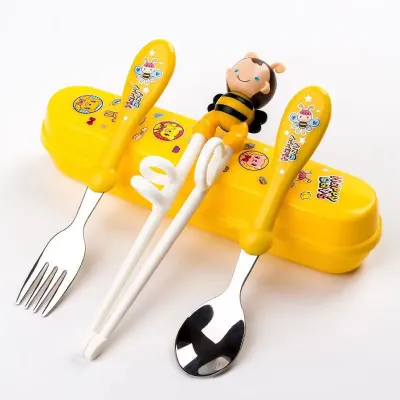
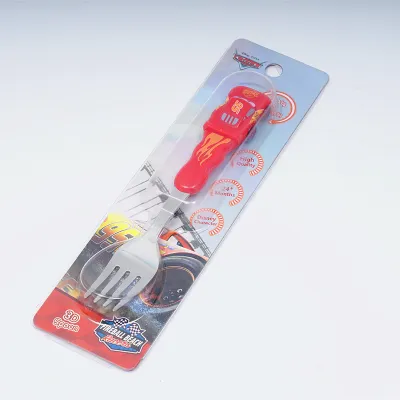
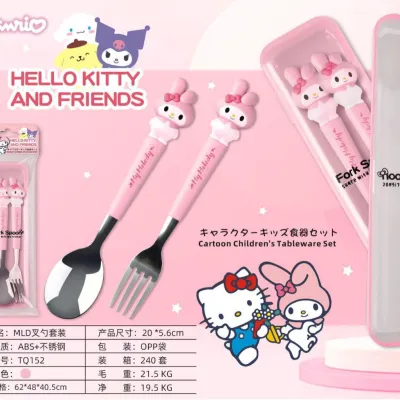
Prices are valid at publication and may change. Please refer to the product page for the latest price.
As your baby grows, their hand movements will progress through distinct grasping patterns that dictate the type of handle design they require. Initially, infants use a palmar grasp, wrapping their entire fist around an object to hold it. During this phase, long, thin utensils are difficult for them to coordinate and can easily poke the back of their throat. Utensils designed for this stage must feature short, bulbous, or textured handles that fit comfortably inside a tiny fist.
Between nine and twelve months, most babies begin developing the pincer grasp, using their thumb and index finger to pick up smaller items. This motor milestone signals that they are ready to transition to more refined utensil shapes. You will also notice behavioral cues, such as your baby reaching for your spoon, attempting to scoop food from their bowl, or mimicking your chewing motions. Recognizing these subtle shifts in behavior ensures you introduce the correct spoon and fork designs at the exact moment your child is ready to learn.
Stage 1: First Solids and Parent-Led Feeding (6 to 8 Months)
During the initial phase of weaning, the primary goal is introducing new textures and flavors rather than self-feeding. At this stage, parents do the majority of the feeding, which means the utensils must be designed for adult hands to navigate a baby’s small mouth safely. Look for spoons with long, ergonomically curved handles that allow you to maintain a steady grip and feed your baby from various angles without straining your wrist.

The spoon bowl is the most critical feature during these early weeks. It must be exceptionally shallow and narrow. A shallow bowl ensures that your baby can easily clear the entire portion of puree or mash using only their upper lip. If the spoon bowl is too deep, food will accumulate at the bottom, making it difficult for the baby to swallow and leading to frustration. The edges of the spoon must be completely smooth and soft to protect delicate, teething gums.
Food-grade silicone and soft, flexible, BPA-free plastics are the ideal materials for this introductory stage. These materials bend slightly under pressure, minimizing the risk of oral injury if your baby suddenly jerks their head forward during a feeding session. Avoid metal spoons or hard, rigid plastics during these early months, as they can cause painful bruising to sensitive gums and emerging primary teeth.
When feeding your baby, always maintain direct supervision and watch for signs of fullness or fatigue. If you notice your baby turning their head away, closing their mouth, or pushing the spoon away, respect these cues and end the meal. Keep in mind that early weaning is about exploration and sensory development, so keeping the experience gentle and stress-free is far more important than the volume of food consumed.
Stage 2: Transitional Grips for Early Self-Feeding (8 to 12 Months)
As your baby approaches their eighth or ninth month, their desire for independence will naturally grow. They will likely try to grab the spoon from your hand or plunge their fingers directly into the food bowl. This behavioral shift marks the perfect time to introduce transitional self-feeding utensils. These sets are specifically engineered to help babies bridge the gap between being fed by a parent and scooping food independently.
For early self-feeding, look for utensils with short, chunky, and highly textured handles. Because babies at this stage still rely on a palmar grasp and have limited wrist rotation, they cannot easily guide a standard long-handled spoon into their mouth. A short, bulbous handle fits naturally into their palm, reducing the distance between their hand and their mouth. Many transitional spoons also feature a built-in collar or shield near the neck to prevent the baby from inserting the utensil too far into their throat.
During this transitional phase, the spoon bowl should be slightly deeper than the parent-led version to help keep soft mashes, thick purees, and local favorites like mashed squash or sweet potato secure as the baby lifts the spoon. Some innovative designs feature curved necks or angled bowls, which compensate for the baby’s lack of wrist control by keeping the spoon level even when their hand is tilted.
This is also the ideal window to introduce a transitional fork. A transitional fork should never have sharp metal tines. Instead, look for forks made of firm silicone or rounded, durable plastic with wide, blunt tines. These forks are designed to help babies practice the motion of piercing soft, textured foods, such as steamed saba banana slices or soft-cooked carrots, without any risk of puncturing their lips or gums. Expect plenty of mess during this stage, as spilling is a natural and necessary part of the learning process.
Stage 3: Independent Toddler Sets (12 Months and Up)
By the time your child reaches their first birthday, their fine motor skills and hand-eye coordination will have improved significantly. Most toddlers at this stage have mastered the pincer grasp and are beginning to develop the wrist rotation necessary to bring a utensil straight to their mouth without spilling. They are also eating a much wider variety of family foods, including grains, small pieces of tender meat, pasta, and fresh tropical fruits.
To match these advanced skills, transition your toddler to utensils with slightly longer handles and firmer materials. Many high-quality toddler sets feature stainless steel cores wrapped in soft, grippy silicone or textured plastic exteriors. The stainless steel provides the structural rigidity needed to cut through denser foods, while the outer grip ensures the utensil does not slip out of sweaty or greasy hands during active meals.
The fork tines in these independent sets must be functional enough to pierce food effectively, yet remain safe for self-feeding. Look for stainless steel forks with rounded, polished tips that can easily pick up pasta or fruit pieces without being sharp to the touch. Avoid cheap plastic forks with flimsy tines that bend or snap easily when pressure is applied, as broken plastic pieces can pose a serious choking hazard.
Weight and balance are also important considerations for older toddlers. Utensils that are too light can be difficult for a child to track spatially, while utensils that are excessively heavy can cause hand fatigue during longer meals. A slightly weighted handle provides valuable sensory feedback, helping your toddler coordinate their movements more accurately. Always ensure your child remains seated while using these firmer utensils, and maintain active supervision to prevent them from running or playing with their spoon and fork.
Safety, Material, and Care Checks Before Purchasing
When shopping for kids spoon and fork sets, prioritizing safety and durability is essential. Always read product packaging carefully to verify material safety declarations. Look for clear labels indicating that the utensils are free from harmful chemicals such as BPA, phthalates, PVC, and lead. If you are purchasing silicone utensils, verify that they are made from 100% food-grade silicone, which does not leach chemicals and is highly resistant to bacterial growth.
In the warm and humid climate of the Philippines, proper cleaning and drying of baby utensils are crucial to prevent the growth of mold and mildew. Before buying, check the manufacturer’s care instructions to see if the utensils are dishwasher-safe or require hand-washing. Seamless, single-piece molded silicone designs are highly recommended because they lack crevices, joints, or hollow handles where water and food particles can trap and breed bacteria. If you choose multi-piece utensils, ensure they can be easily disassembled for thorough cleaning and sanitizing.
Regularly inspect your child’s utensil sets for any signs of wear, tear, or degradation. Silicone spoons can develop micro-tears or rough edges over time, especially if your baby is actively teething and chewing on them. Plastic utensils can become scratched, brittle, or discolored after repeated exposure to heat and dishwashing detergents. If you notice any peeling, cracking, deep scratches, or loose parts, discard the utensil immediately and replace it to ensure your child’s safety.
Frequently Asked Questions (FAQ)
When should I introduce a fork to my baby?
You can typically introduce a transitional fork to your baby around eight to ten months of age, or as soon as they begin showing an interest in self-feeding and have developed a basic palmar grasp. Rather than focusing strictly on age, look for developmental milestones such as the ability to pick up small pieces of food with their fingers and the coordination to bring objects directly to their mouth. Start with a soft, blunt-tined silicone or plastic fork and offer soft, easily pierceable foods like steamed vegetables or ripe fruits. Always supervise your baby closely during these early attempts to ensure they use the fork safely.
Are silicone or stainless steel utensils better for toddlers?
Both materials offer distinct advantages depending on your toddler’s age, bite strength, and feeding habits. Silicone utensils are excellent for younger toddlers and active teethers because they are gentle on sensitive gums, slip-resistant, and virtually unbreakable. However, silicone can sometimes retain soapy odors if washed with heavily scented detergents and may degrade over time under heavy chewing. Stainless steel utensils are highly durable, hygienic, and far more effective at piercing and cutting solid foods, making them the superior choice for older toddlers who have refined their motor skills. Consider starting with silicone-tipped utensils and transitioning to stainless steel as your child’s coordination improves.

Community discussion
Share your experience or ask a question. Comments are reviewed before publication.