
Preparing for the arrival of a new baby is an exciting journey, but the final weeks of pregnancy can feel overwhelming as the delivery date approaches. In the Philippines, packing a hospital bag is a crucial rite of passage for expectant mothers. With tropical weather, varying hospital facilities, and the unique dynamics of local maternity wards, having a highly organized bag is not just a convenience—it is a necessity. A dedicated hospital bag organizer system helps you categorize, store, and quickly locate essential items for yourself and your newborn. Instead of rummaging through a deep, cluttered duffel bag while experiencing labor contractions, a modular organizer system ensures that every item, from receiving blankets to postpartum recovery supplies, is exactly where it needs to be. This guide will help you evaluate, select, and utilize the right organizers to ensure a smooth, stress-free hospital stay.
Why a Dedicated Hospital Bag Organizer Matters
The environment of a delivery ward is fast-paced and unpredictable. From the moment you are admitted to the active labor room, medical staff will frequently ask for specific items. They may need your prenatal records, a clean set of newborn clothes, or a specific swaddle blanket immediately after birth. If these items are packed loosely in a single large bag, finding them in a hurry becomes a major challenge. This is particularly true in Philippine hospitals, where a companion or “watcher”—often a partner, mother, or sibling—is tasked with retrieving items for the nurses while you are resting or undergoing medical procedures. If your companion cannot find what is needed, it can lead to unnecessary panic and delay.
Transitioning from a single, massive diaper bag to a system of multiple smaller, categorized pouches makes a world of difference. It allows you to delegate tasks easily. Instead of telling your partner to “look for the baby’s socks somewhere in the big bag,” you can simply ask them to hand over the clearly labeled “Newborn Care” pouch. This level of organization is also essential because your physical needs shift rapidly during your stay. The items you require during active labor, such as lip balm, hair ties, or a handheld fan to cope with the tropical heat, are entirely different from the heavy-duty maternity pads, nursing bras, and postpartum recovery tools you will need once you are transferred to the recovery ward. A modular system adapts to these changing phases, keeping relevant items accessible at the right time.
Products mentioned in this guide
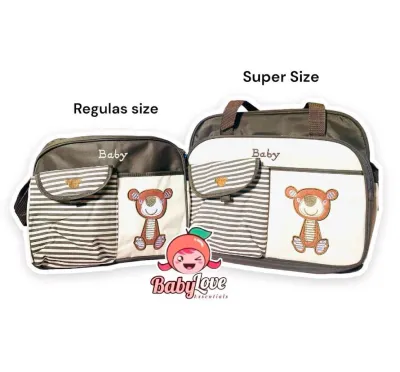
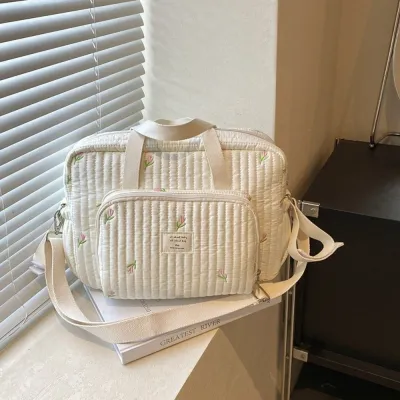
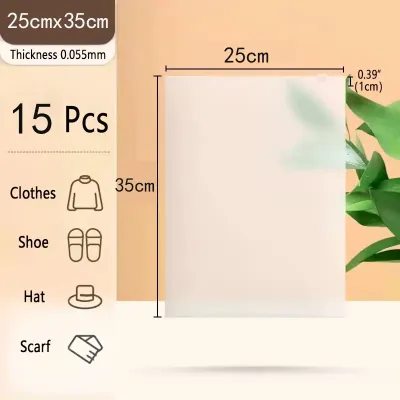
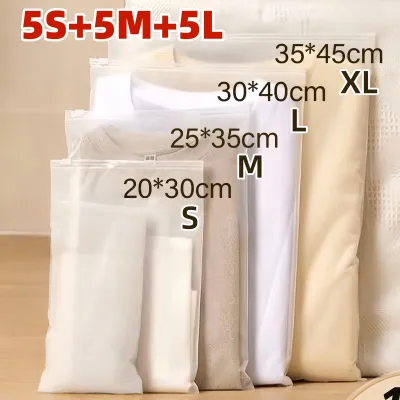
![[Ready Stock]1pc Reusable FROSTED ZIPPER BAG Maternity Nappy Hospital Organizer Mommy baby bag NEWBORN INFANT Diaper Mommy infant(with pores)](https://img.lazcdn.com/g/p/742a8ae2accc17de508e7c6b4b5a1505.jpg_400x400q80.jpg_.webp)
Prices are valid at publication and may change. Please refer to the product page for the latest price.
Key Features to Evaluate Before Buying
When browsing online marketplaces or local baby boutiques, it is easy to be swayed by cute designs and colors. However, hospital bag organizers must be highly functional to withstand the clinical environment.

Material and Wipeability: The tropical climate of the Philippines brings high humidity, which can promote the growth of mold or mildew on damp fabrics. Furthermore, hospital surfaces are clinical environments where spills can easily occur. When evaluating organizers, check the manufacturer’s specifications for water-resistant or waterproof materials such as nylon, polyester, or TPU. The interior linings should be easy to wipe down with disinfectant wipes or a damp cloth. This ensures that any leaks from toiletries, liquid antiseptics, or baby oils do not ruin the rest of your packed items or create a breeding ground for bacteria.
Compartment Layout: Maternity and newborn essentials come in highly varied shapes and sizes. Postpartum recovery items, such as thick maternity pads, abdominal binders, and nursing bras, are bulky and require spacious compartments. On the other hand, newborn items like mittens, booties, and tie-side shirts are tiny and can easily get lost if not kept in dedicated pockets. Evaluate whether the organizer’s internal dividers are flexible or removable. You want a layout that can accommodate bulky textiles without crushing delicate items or bending the plastic components of a breast pump.
Visibility and Access: Hospital rooms, especially shared recovery wards, often have dim lighting at night to allow patients to rest. In these situations, you do not want to open multiple opaque bags to find a single item. Prioritize organizers that feature clear PVC windows or breathable mesh panels. These allow you and your companion to identify the contents at a glance without unzipping the pouch. Additionally, look for wide-opening zippers, such as clamshell designs that allow the organizer to open completely flat, providing easy access to everything inside.
Portability and Hanging Options: Space is often limited in hospital rooms. Bedside tables are typically reserved for medical charts, water pitchers, and meals. Organizers that feature built-in handles, wrist straps, or integrated hanging hooks offer a major advantage. You can hang them directly on hospital bed rails, IV poles, or bathroom hooks, keeping your essentials within arm’s reach while keeping surfaces clear. Before purchasing, verify the manufacturer’s stated weight limits for these attachments to ensure they can safely support your packed items.
Matching Organizer Types to Your Maternity Needs
No single organizer can efficiently hold every type of maternity item. A successful packing strategy relies on a modular approach, combining different types of organizers to suit specific categories of gear.
Packing Cubes and Compression Sacs
Packing cubes are highly practical for organizing clothing and bulky textiles. They are best suited for separating your postpartum loungewear, nursing pajamas, and the baby’s clothing, swaddles, and receiving blankets. When selecting packing cubes, pay close attention to zipper durability and seam reinforcement. Compressing bulky cotton items puts significant strain on the closures, so durable zippers are essential. Additionally, verify that the dimensions of the cubes match the interior depth of your primary diaper bag or suitcase when fully expanded, ensuring a snug fit without wasting space.
Bag-in-Bag Insert Organizers
If you prefer to use a large, open tote bag as your primary hospital bag, a structured bag-in-bag insert is highly beneficial. Typically made of sturdy felt or lightweight nylon, these inserts feature multiple upright pockets and compartments. They are ideal for keeping bottles, hand sanitizers, lotions, and small accessories upright, preventing them from tipping over and leaking at the bottom of a deep bag. To ensure a proper fit, measure the base width, length, and height of your tote bag and compare them to the insert’s dimensions. Look for inserts with removable hook-and-loop dividers, which allow you to customize the interior space to accommodate larger, irregularly shaped items like a manual breast pump.
Dedicated Toiletry and Tech Pouches
Keeping hygiene products and electronics separate from baby clothes and textiles is crucial for preventing cross-contamination and damage. Toiletry pouches must feature leak-proof linings and sealed seams to contain any accidental spills of shampoo, body wash, or liquid antiseptic. For electronics, a dedicated tech pouch protects long charging cables, power banks, and your phone from moisture. If you are bringing a breast pump motor, ensure the pouch has adequate padding to absorb shocks during transit. These pouches should have independent handles or wrist straps, making it easy to carry them standalone to the hospital bathroom or nurses’ station.
How to Verify Fit and Compatibility with Your Diaper Bag
A common mistake expectant mothers make is purchasing organizers based solely on online photos, which can often distort the actual scale of the products. To avoid packing failures on the day of admission, you must perform some basic dimensional math.
Start by measuring the interior dimensions of your primary hospital bag or suitcase. Next, check the fully expanded dimensions of the organizers you plan to purchase. Add the dimensions of the organizers together and compare them to the main bag’s capacity. Keep in mind that the combined volume of the organizers should be slightly less than the main bag’s total capacity. This leaves enough room for the main bag’s fabric to flex, allowing you to zip it shut easily without straining the seams.
Weight distribution is another critical factor to consider. When packing your organizers into the main bag, plan to place the heaviest items at the very bottom. This includes organizers containing heavy toiletries, tech accessories, power banks, or breast pump motors. Placing these heavy items at the bottom lowers the center of gravity, preventing your bag from tipping over when set on the hospital floor or a bedside chair.
Finally, ensure that the handles, straps, or top edges of your insert organizers do not interfere with the main bag’s closures. If an insert is too tall, it can block the main bag’s zippers, magnetic snaps, or flap designs. A jammed zipper or a bag that cannot close fully can be highly frustrating when you are rushing to the hospital. Physically test the fit of your packed organizers inside your main bag a few weeks before your due date to ensure everything closes smoothly.
Smart Packing Strategies for the Delivery Room and Postpartum Ward
To maximize the efficiency of your organizers, arrange them chronologically based on the different phases of your hospital stay. This ensures that you and your support team can access the right items at the right moment without unnecessary searching.
The “Labor and Delivery” Pouch: This should be a small, easily grabbable pouch containing only immediate essentials for the active labor phase. Pack items such as lip balm to combat dry lips in air-conditioned rooms, hair ties, face wipes, a long phone charging cable, and any comfort items like massage oil or a handheld fan. Keep this pouch within arm’s reach of your hospital bed so you or your partner can access it instantly.
The “Postpartum Recovery” Pouch: Group all of your recovery essentials together in a dedicated organizer. This should include heavy-duty maternity pads, disposable underwear, a peri bottle, nursing pads, nipple cream, and comfortable, loose-fitting loungewear. Having these items in a single, organized pouch makes the transition from the delivery room to the recovery ward seamless, as you can easily locate your recovery gear as soon as you are settled.
The “Newborn Care” Pouch: Keep your baby’s immediate needs in a separate, clearly labeled organizer. Pack newborn diapers, gentle baby wipes, diaper rash cream, a swaddle, and the baby’s going-home outfit. When the hospital staff or nurses ask for the baby’s clothing or diapering supplies, you can hand them this entire pouch directly, ensuring they have everything they need without searching through your personal items.
To make this system even more effective, use distinct colors or clear, bold labels for each pouch. In high-stress moments, telling your partner to “grab the blue pouch” or “get the pouch labeled ‘Baby'” is far more effective than asking them to search for a specific item. This simple strategy reduces stress and ensures a smoother experience for everyone involved.
Frequently Asked Questions (FAQ)
Can I use regular travel organizers for my hospital bag?
Yes, standard travel packing cubes and pouches can work well for organizing clothing and blankets. However, they may lack specialized features that are highly useful for a hospital stay, such as leak-proof compartments for wet items or structured pockets to keep bottles upright. If you decide to use regular travel organizers, ensure they are made of machine-washable materials. Hospital environments contain various pathogens, and you will want to thoroughly wash and sanitize all organizers as soon as you return home to protect your newborn’s developing immune system.
How many organizers do I actually need for a standard hospital stay?
For a typical hospital stay of two to three days, a baseline of three to four distinct organizers is usually sufficient. This includes one for labor essentials, one for postpartum recovery, one for newborn care, and one dedicated toiletry pouch. Avoid over-purchasing or using a separate pouch for every single small item, as this can actually make your bag more cluttered and difficult to navigate. Remember to leave enough physical space in your main bag for larger, non-organizer items such as a nursing pillow, a breast pump, or a large insulated water bottle to keep you hydrated.

Community discussion
Share your experience or ask a question. Comments are reviewed before publication.