
Selecting a head pillow for a baby requires prioritizing safety over aesthetic appeal or commercial shaping claims. For parents, the desire to provide a comfortable, cozy sleeping environment is natural, but infant physiology demands a completely different approach to sleep setup than that of adults. A baby’s physical development—specifically their neck strength, spinal alignment, and airway structure—dictates when and how a pillow can be safely introduced. Introducing any pillow too early poses severe risks, making it essential to understand the precise milestones that signal readiness.
In the Philippines, where warm temperatures and high humidity are constant factors, choosing bedding also requires careful consideration of thermal comfort. A baby’s body temperature runs slightly higher than an adult’s, and their sweat glands are still developing. Placing an unsuitable pillow under an infant’s head can trap heat, leading to discomfort, restless sleep, and an increased risk of overheating. Therefore, the decision to use a pillow must always be guided by age readiness, physical milestones, and environmental suitability rather than marketing trends.
Before purchasing a head pillow for a baby, caregivers must understand that a flat, firm mattress with a tight-fitting sheet is the safest sleep surface for the first year of life. The transition to using a pillow should only occur when the child has moved past infancy and shows clear signs of physical readiness. By focusing on developmental stages and safety baselines, parents can make informed decisions that support their child’s growth while ensuring a secure and restful sleep environment.
Products mentioned in this guide
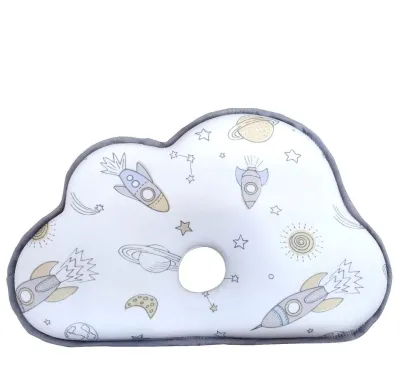
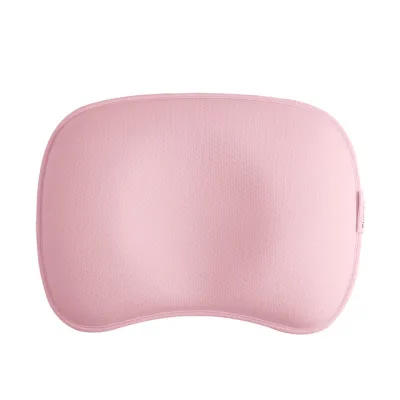
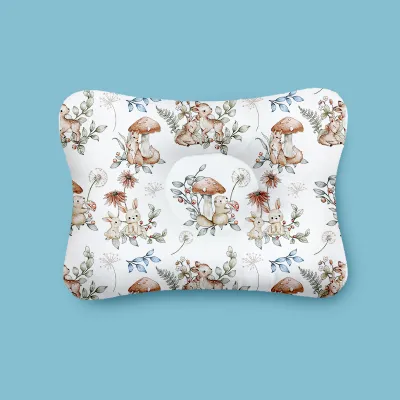
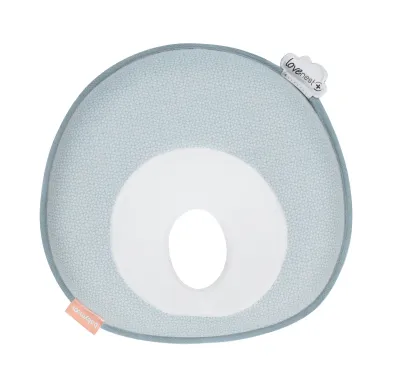
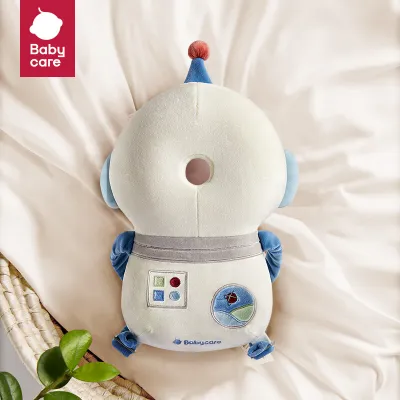
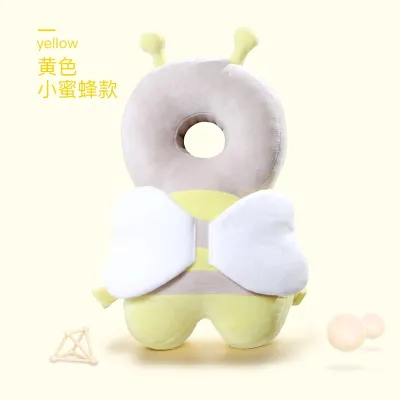
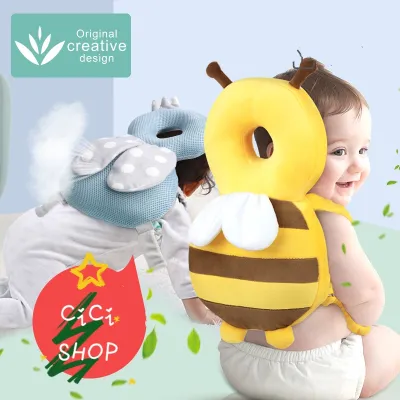
Prices are valid at publication and may change. Please refer to the product page for the latest price.
Confirming Age Readiness and Safety Baselines
The general consensus among pediatricians and child safety organizations worldwide is that infants do not require pillows for sleep. In fact, introducing a pillow into a crib before the baby is developmentally ready is highly discouraged due to the risk of Sudden Infant Death Syndrome (SIDS) and accidental suffocation. During the first year of life, a baby’s spine is relatively straight, and their head is large in proportion to their body. This unique anatomy means they sleep most comfortably and safely on a flat, firm surface without any elevated support under their head or neck.
To determine when it is safe to introduce a head pillow for a baby, caregivers must look for specific physical milestones rather than relying solely on age. A primary indicator of readiness is when the child transitions from a crib to a toddler bed, which typically occurs between 18 and 24 months of age. At this stage, their shoulders are wider than their head, creating a natural gap between their neck and the mattress when sleeping on their side or back. Additionally, the child must possess the physical strength to roll over independently in both directions, sit up without assistance, and easily push objects away from their face.
Even when a child reaches these milestones, parents must verify the manufacturer’s age warnings on any bedding product. Many pillows designed for young children are explicitly labeled for ages two and older. These warnings are not mere suggestions; they are based on safety standards designed to prevent airway obstruction. If a pillow is too thick or soft, it can push a toddler’s chin down toward their chest, flexing the trachea and potentially restricting their breathing during deep sleep.
Before introducing a pillow, it is highly recommended to consult a pediatrician during a routine check-up. A healthcare professional can assess the child’s physical development and confirm if they are ready for an elevated headrest. If you do introduce a pillow and notice the child tossing it out of the bed, waking up with sweat-drenched hair, or showing signs of restless breathing, you should remove the pillow immediately and revert to a flat sleeping surface until they are older.
Matching Pillow Design to Sleep Posture and Development
Once a child is developmentally ready for a pillow, the design must be carefully matched to their sleeping posture and physical proportions. Unlike adult pillows, which are thick and plush, a toddler’s first pillow must have an extremely low profile, often referred to as low loft. The thickness of the pillow should align precisely with the distance from the child’s neck to the outer edge of their shoulder. This ensures that their spine remains in a neutral, straight alignment whether they are sleeping on their back or their side.

For toddlers who primarily sleep on their backs, a pillow that is too thick will force their head forward, creating an unnatural curve in the neck and potentially compressing the airway. A back-sleeping child requires a very thin, firm pillow that merely cushions the back of the head without lifting it significantly off the mattress. If the child prefers sleeping on their side, a slightly firmer pillow with just enough loft to fill the gap between the ear and the mattress is appropriate, preventing the head from tilting downward and straining the neck muscles.
Many commercial products are marketed as “head shaping” or “flat head prevention” pillows, often featuring a circular indentation in the center. Caregivers should approach these claims with caution. There is little scientific evidence to support the claim that commercial pillows can safely correct or prevent flat head syndrome (positional plagiocephaly) in infants. In fact, using these contoured pillows for infants under one year old is dangerous, as they can restrict the baby’s ability to turn their head freely, increasing suffocation risks. If you are concerned about your baby’s head shape, seek a professional pediatric evaluation rather than relying on retail products.
Firmness is another critical factor when evaluating a pillow’s design. A baby’s head should never sink deeply into the material. To test this, press your hand firmly into the center of the pillow; it should quickly bounce back to its original shape without leaving a deep impression. A pillow that is too soft or conforms too closely to the child’s face poses a suffocation hazard if they roll over onto their stomach during the night.
Essential Material and Structural Checks for Infant Bedding
The materials used in a baby head pillow are just as important as its shape and size, especially when living in a tropical climate like the Philippines. High humidity and warm nights mean that babies are prone to sweating, which can lead to heat rash, skin irritation, and a buildup of moisture within the bedding. To combat this, caregivers should prioritize highly breathable fabrics and moisture-wicking materials that promote continuous airflow around the child’s head and neck.
When inspecting the outer cover of the pillow, look for natural fibers such as organic cotton or bamboo-derived rayon. These fabrics are gentle on sensitive skin, highly breathable, and effective at absorbing moisture. Some modern toddler pillows utilize a 3D mesh construction, which allows air to pass through the material freely, significantly reducing heat retention. Avoid synthetic fabrics like standard polyester or nylon covers that trap heat and can cause the child to wake up uncomfortable and damp with sweat.
The internal filling of the pillow must also be evaluated for safety and hygiene. Hypoallergenic polyester fibers, natural latex, or organic cotton fillings are excellent choices because they resist common allergens like dust mites and mold, which thrive in humid environments. Avoid pillows filled with loose materials such as feathers, down, or small foam beads. These fillings can clump over time, creating uneven support, and they pose a severe choking hazard if the outer cover tears and the filling escapes.
Structural integrity is another vital check. Examine the pillow for any loose threads, decorative buttons, ribbons, or long tassels that could wrap around a child’s fingers or neck. If the pillow has a zipper, ensure it is a safety zipper that is recessed or covered by a fabric flap, often called a zipper garage. This design prevents the zipper tab from scratching the child’s delicate skin or being opened by curious fingers. Finally, ensure the entire pillow—or at least a removable outer cover—is fully machine-washable to make cleaning up drool, sweat, and accidental spills simple and hygienic.
Navigating Online Listings and Verifying Safety Claims
Shopping for baby bedding on e-commerce platforms and online marketplaces requires a critical eye, as listings are often filled with exaggerated marketing claims and unverified safety assertions. When browsing online, do not rely solely on product titles that use buzzwords like “pediatrician-approved,” “orthopedic,” or “100% safe.” Instead, look for concrete evidence of quality and safety by checking the product specifications and reading customer reviews with a discerning eye.
One of the most reliable ways to verify safety claims is to look for recognized textile and safety certifications. For example, certifications like OEKO-TEX Standard 100 indicate that the fabric has been tested for harmful substances and is safe for direct contact with sensitive baby skin. While these certifications are often mentioned in online descriptions, caregivers should verify them by checking the physical product labels and packaging upon delivery. If a product claims to have a certification but lacks the corresponding label or registration number, it should be treated with skepticism.
When reading customer reviews on online marketplaces, look past the overall star rating and focus on detailed feedback from parents who have used the product over several months. Search for reviews that mention how the pillow holds up after multiple washes, whether the filling clumps, or if the fabric causes the baby to sweat. Be wary of reviews that report the pillow flattening out completely within a few weeks, as a collapsed pillow loses its supportive properties and can cause neck strain.
Setting a realistic budget is also key to finding a safe, high-quality product. In the Philippines, a well-constructed, safe toddler pillow typically costs between ₱400 and ₱1,500. Products priced significantly below this range may use cheap, non-breathable synthetic materials or low-grade fillings that degrade quickly. On the other hand, extremely expensive pillows costing upwards of ₱3,000 often feature unnecessary marketing gimmicks or unproven medical claims. A mid-range, certified-safe pillow made from breathable materials is generally the best choice for both safety and value.
Monitoring Usage and Knowing When to Stop
Introducing a pillow to your child’s bed is not a set-and-forget decision; it requires ongoing monitoring to ensure it remains safe and comfortable as your child grows. Caregivers must regularly observe the child while they sleep and inspect the pillow for signs of wear and tear. If you notice any changes in your child’s sleep quality or physical comfort, be prepared to adjust or temporarily remove the pillow.
Watch for physical signs of discomfort or strain during sleep. If your child constantly slides off the pillow, pushes it to the corner of the bed, or wakes up rubbing their neck, the pillow may be too thick or firm for their current developmental stage. Additionally, check for signs of overheating, such as a damp scalp, flushed cheeks, or rapid breathing. In the warm Philippine climate, if a pillow traps too much heat, it can disrupt the child’s sleep cycle and cause skin irritation, indicating that a more breathable material is needed.
As toddlers grow and become more active sleepers, their sleep positions will change. A child who initially slept quietly on their back may begin tossing, turning, and rolling onto their stomach. If your child frequently rolls face-down onto the pillow, it is safer to remove the pillow entirely until they are older and have better control over their sleeping positions. A pillow should never be left in the bed if it frequently ends up covering the child’s face or restricting their movement.
Finally, perform a weekly physical inspection of the pillow. Check the seams for any loose threads or openings where filling could escape. Feel the pillow for lumps, flat spots, or areas where the filling has shifted significantly, as uneven support can strain the child’s neck. If the pillow has lost its original firmness, shows signs of fabric degradation, or cannot be thoroughly cleaned after an illness or accident, it must be replaced immediately to maintain a hygienic and safe sleep environment.
Frequently Asked Questions (FAQ)
Are head shaping pillows safe for newborns?
No, head shaping pillows are not safe for newborns. Pediatric guidelines strictly advise against placing any pillows, cushions, or loose bedding in a newborn’s sleep environment due to the high risk of suffocation and Sudden Infant Death Syndrome (SIDS). Newborns lack the neck strength to move their heads if their airway becomes blocked by a soft surface. If you have concerns about your newborn’s head shape, consult a pediatrician for safe, professional guidance rather than using commercial pillows.
Can a pillow correct flat head syndrome?
Commercial pillows are not a proven or safe treatment for flat head syndrome (positional plagiocephaly). Standard pediatric practices for managing flat spots include supervised tummy time during awake hours, frequently changing the baby’s position, and alternating the direction they lay in their crib. If a flat spot persists or seems severe, a pediatrician should evaluate the child to determine if professional interventions, such as physical therapy or a specialized helmet, are necessary.

Community discussion
Share your experience or ask a question. Comments are reviewed before publication.