
When your baby is congested, finding a quick and reliable way to clear their airways is a top priority. Infant nasal congestion can disrupt sleep, make feeding difficult, and cause significant distress for both the baby and the caregiver. Choosing between the manual NoseFrida (famously known as “The Snotsucker”) and the FridaBaby Electric Nasal Aspirator depends on your comfort level with suction control, your baby’s age, and the severity of their congestion. The manual model offers customizable, caregiver-regulated suction that is highly effective for thick, stubborn mucus, while the electric model provides consistent, gentle, and automated suction ideal for quick, daily maintenance and wriggly babies.
In the Philippines, where high humidity, seasonal rains, and air-conditioned nurseries can contribute to infant nasal congestion, having a reliable tool is essential. Understanding the functional differences, safety protocols, and maintenance routines of each model will help you make an informed decision that keeps your little one breathing comfortably.
Quick Decision Guide: Matching the Model to Your Needs
To choose the right model, you must first evaluate your primary caregiving priorities. The manual NoseFrida relies on your own lung power to create suction. This design gives you immediate, tactile control over how hard or soft the suction is, making it a preferred choice for parents dealing with thick, stubborn mucus that requires dynamic adjustments. It is highly portable, requires no batteries, and is simple to pack in a diaper bag for travel. However, it does require you to be comfortable with the concept of using your mouth to draw out mucus, even though a physical filter prevents any contact.
Products mentioned in this guide
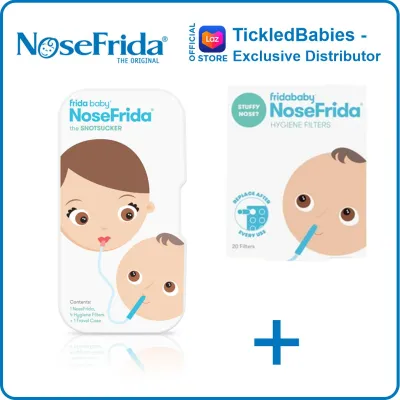
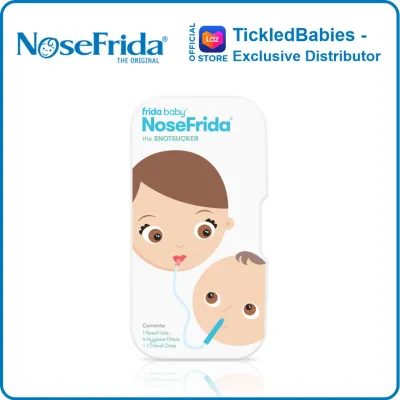
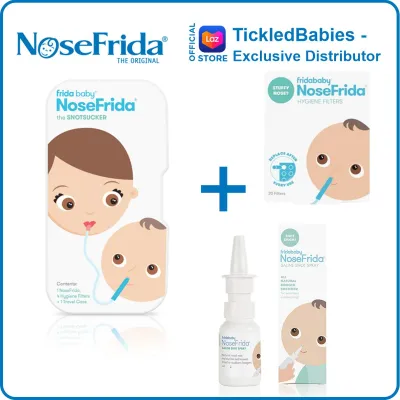
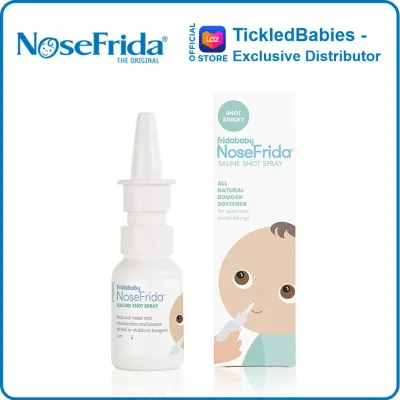
Prices are valid at publication and may change. Please refer to the product page for the latest price.
On the other hand, the electric FridaBaby model offers automated, battery-powered suction. This is often the preferred choice for parents who want a quick, hands-free operation or who feel uncomfortable with the manual mouth-suction method. The electric model provides a steady, consistent draw that is excellent for mild, daily congestion and quick cleanups. It is particularly useful when dealing with squirming toddlers who will not sit still for a manual extraction, as the automated process can be completed rapidly.
Before making a final purchase, always verify the specific product’s age guidelines, weight limits, and safety warnings printed on the packaging. While both models are designed with infant safety in mind, individual developmental stages and pediatric advice should always guide your choice.
Manual vs. Electric: Comparing the Main Frida Models
The Manual Option (NoseFrida The Snotsucker)

The manual NoseFrida is a straightforward, non-invasive device that has become a staple in many nurseries. It consists of a plastic tube that you place against the baby’s nostril (not inside it), a mouthpiece for the caregiver, and a flexible connecting tube. Between these components lies a disposable hygiene filter. When you inhale through the mouthpiece, you create a vacuum that draws mucus out of the baby’s nose and into the plastic tube.
The primary advantage of this manual system is suction control. Because you are the engine, you can instantly increase the suction force to dislodge thick, sticky mucus, or soften it for a gentle clear. The physical barrier of the hygiene filter is designed to block mucus and bacterial transfer, ensuring that nothing reaches the caregiver’s mouth. However, the manual model does require ongoing purchases of these disposable filters, which you must factor into your long-term budget in ₱.
The Electric Option (FridaBaby Electric Nasal Aspirator)
The electric FridaBaby model replaces lung power with a small, battery-operated motor. It typically features soft silicone tips of varying shapes to fit different nostril sizes. With the press of a button, the device provides continuous suction to draw out mucus into a collection chamber.
This model excels in convenience and ease of use. It eliminates the learning curve of manual suction and is highly portable, often featuring USB charging capabilities. Some electric models also include built-in lights or distracting sounds to keep the baby calm during the process. However, the suction strength of electric consumer models is generally set to a safe, moderate limit to prevent injury to delicate nasal tissues. This means it may require more time or the assistance of saline drops to clear very thick, dry, or deep-seated mucus compared to the manual version. Additionally, the electric motor produces a humming sound that some sensitive infants might find startling, and the unit itself requires regular charging or battery replacements.
Choosing by Age and Congestion Severity
Newborns and Young Infants
Newborns have extremely delicate nasal passages that are easily irritated. For infants under three months, gentle care is paramount. When using any aspirator on a newborn, you must verify the manufacturer’s minimum age and weight recommendations. The manual NoseFrida is often favored for newborns because the caregiver can apply an incredibly soft, barely-there suction that matches the fragility of the infant’s nose. Regardless of the model you choose, always use a drop of sterile saline solution beforehand to lubricate the nasal lining and loosen any dry crusts, minimizing the risk of tissue irritation.
Older Infants and Toddlers
As babies grow into older infants and toddlers, they become stronger, more active, and significantly more resistant to nasal clearing. A ten-month-old or a toddler is likely to wiggle, turn their head, or push your hand away. In these scenarios, the electric model can be highly advantageous. The quick, one-handed operation allows you to secure the baby gently with one hand while operating the device with the other. However, older children also produce thicker, more abundant mucus during common colds, which may require the stronger, adjustable suction of the manual model.
Severity of Congestion
The nature of the congestion should also dictate your tool of choice. For daily maintenance—such as clearing out dry boogers caused by air conditioning or dust in the home—the electric model is highly efficient. It provides a quick, gentle sweep that keeps the nasal passages clear. Conversely, during active respiratory illnesses where the baby is producing thick, heavy, and continuous mucus, the manual NoseFrida is often more effective. The ability to perform deep, controlled draws is crucial for clearing heavy blockages before feeding or bedtime.
When to Stop and Consult a Pediatrician
Nasal aspiration is a temporary comfort measure, not a cure. You must stop using the device and consult a qualified pediatrician immediately if you observe any of the following warning signs:
- Difficulty breathing, rapid breathing, or chest retractions (the skin pulling in around the ribs or neck).
- Flaring nostrils or grunting sounds while breathing.
- Persistent high fever or symptoms that worsen after a few days.
- Bleeding from the nose or signs of severe nasal tissue irritation.
- Extreme lethargy, poor feeding, or inability to stay hydrated.
Safety, Cleaning, and Daily Maintenance
Filter and Component Replacement
For the manual NoseFrida, the hygiene filter is your primary defense against cross-contamination. You must check the filter before every single use to ensure it is clean, dry, and properly seated. The manufacturer recommends replacing the filter after every use to prevent the buildup of bacteria and mold. Never attempt to wash and reuse a disposable foam filter, as this compromises its structural integrity and filtration capability. Keep a stock of replacement filters on hand, budgeting for these regular small purchases in ₱.
Cleaning Routines
Proper cleaning is vital to prevent mold growth, especially in the warm, humid climate of the Philippines. After each use, completely disassemble the aspirator.
For the manual model: Wash the blue nose tube, the red mouthpiece, and the plastic connector with warm, soapy water. Run warm water through the thin tubing to clear any moisture. Allow all parts to air-dry completely on a clean towel before reassembling. Do not boil or microwave the plastic parts unless the manufacturer’s manual explicitly states it is safe to do so.
For the electric model: Remove the silicone tip and the collection chamber. Wash these parts thoroughly with warm, soapy water. Never submerge the main electric body or motor unit in water, as this will damage the electrical components and void the warranty. Wipe the exterior of the motor unit with a damp cloth if necessary. Ensure all components are bone-dry before reassembly to prevent electrical shorts or mold accumulation.
Usage Limits
Aspirating your baby’s nose too frequently can cause swelling, inflammation, and minor bleeding of the delicate nasal mucosa. Pediatricians generally recommend limiting nasal aspiration to no more than three to four times a day. The best times to aspirate are right before feeding (to help them latch or drink comfortably) and right before sleep. If you find yourself needing to clear your baby’s nose constantly, consult your pediatrician for alternative ways to manage the congestion.
Warning Signs of Damage
Regularly inspect your nasal aspirator for signs of wear and tear. Discard the device or replace affected parts immediately if you notice:
- Cracks, chips, or discoloration in the plastic tubes or collection chamber.
- Stretched, loose, or torn silicone tips that no longer create a proper seal.
- Mold spots or persistent odors that do not disappear after thorough cleaning.
- Loss of suction power in the electric model, which may indicate motor failure or a compromised seal.
Where to Buy and How to Verify Authenticity
To ensure the safety of your baby, it is critical to purchase authentic Frida products. Counterfeit baby products are common on open online marketplaces and may be manufactured with low-grade plastics, toxic chemicals, or substandard parts that pose choking or electrical hazards.
Always buy from authorized retailers, official brand flagship stores, or reputable pharmacy chains in the Philippines. When shopping online, look for verified mall sellers or official distributor badges.
Red Flags for Counterfeit Products
Be vigilant and watch out for these warning signs of counterfeit items:
- Suspiciously low prices that are significantly below the standard retail price in ₱.
- Poor packaging quality, including blurry printing, spelling errors, or missing official logos.
- Missing components, such as the initial pack of hygiene filters or the official instruction manual.
- Strong chemical or plastic odors coming from the device upon unboxing.
Upon unboxing, inspect the product carefully. Ensure that all seals are intact, the plastic is smooth and free of sharp edges, and the silicone tips are soft and medical-grade. If you suspect a product is counterfeit, do not use it on your baby; contact the retailer or the official distributor for verification.
Frequently Asked Questions (FAQ)
Can I use the Frida nasal aspirator if my baby has a cold or RSV?
Yes, you can use a Frida nasal aspirator to help manage congestion caused by a cold or Respiratory Syncytial Virus (RSV). However, it is important to understand that aspiration only provides temporary symptomatic relief by clearing physical blockages; it does not cure the underlying viral infection. Pediatricians typically recommend administering a few drops of sterile saline solution into each nostril before aspirating to help loosen thick mucus. Always monitor your baby closely for severe symptoms. If you observe rapid breathing, chest retractions, flaring nostrils, extreme lethargy, or poor feeding, seek immediate emergency medical care rather than relying on home aspiration.
How do I get my baby to tolerate the nasal aspirator?
Many babies naturally dislike having their noses cleared and may cry or wiggle. To make the process easier, try timing the aspiration when your baby is relatively calm, such as before a feed or bedtime when they need the relief most. You can gently swaddle your baby in a blanket to keep their arms secure, or have a second caregiver assist by gently holding the baby’s head still. Approach the process with confidence and a calm demeanor; babies can sense caregiver anxiety. Always use a gentle touch, ensure you are not inserting the tip too deeply into the nostril, and consider using saline drops to make the mucus extraction faster and less uncomfortable.
Is the manual NoseFrida safe for the caregiver to use?
Yes, the manual NoseFrida is designed with caregiver safety in mind. The device features a built-in, disposable hygiene filter that is clinically designed to block the transfer of mucus, bacteria, and viruses from the baby to the caregiver. To maintain this safety barrier, you must replace the filter after every single use and never attempt to wash or reuse a soiled filter. If you are uncomfortable with the concept of mouth-powered suction or worry about cross-contamination despite the filter, the electric FridaBaby model is an excellent alternative that completely eliminates the need for manual suction.

Community discussion
Share your experience or ask a question. Comments are reviewed before publication.