
Finding the right duyan for babies in the Philippines requires balancing traditional soothing practices with modern safety standards. For generations, the gentle swaying of a duyan (baby hammock) has been a trusted method for calming restless infants. However, as pediatric safety guidelines evolve, choosing and using a duyan today involves more than simply hanging a cloth from a beam. Caregivers must carefully evaluate the structural design, material breathability, and developmental readiness of their child before introducing this traditional soothing tool.
In the warm and humid Philippine climate, comfort and safety go hand in hand. A poorly ventilated duyan can quickly lead to overheating or skin rashes. At the same time, structural integrity is non-negotiable; the suspension hardware, frame stability, and fabric strength must all be verified to prevent accidental falls. By understanding the different types of duyan products available, you can make an informed decision that keeps your baby comfortable while prioritizing their physical safety.
Understanding Duyan Types and Materials
When exploring the market for a duyan for babies, you will encounter two main design styles: traditional fabric hammocks and modern net or mesh designs. Fabric options, often made of thick cotton or canvas, offer a secure, cocoon-like environment that mimics the snug feeling of the womb. While this snugness is excellent for soothing, heavy fabrics can trap heat and moisture, especially during the hot summer months or humid rainy seasons.
Products mentioned in this guide
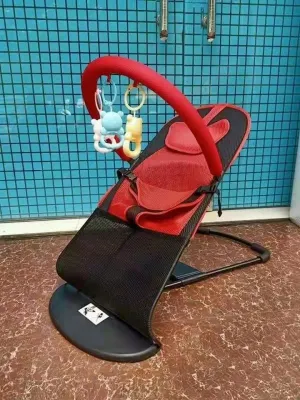
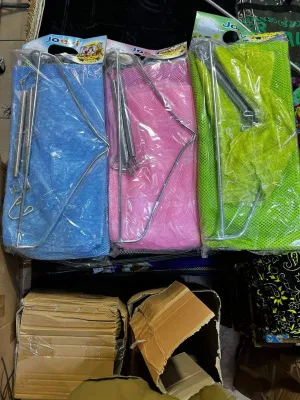
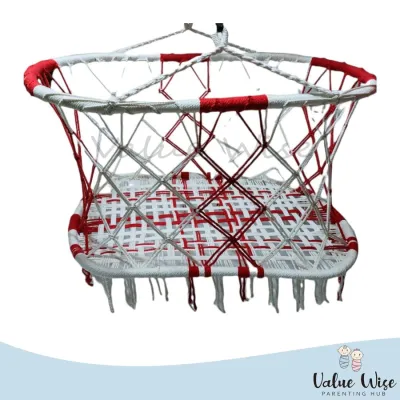


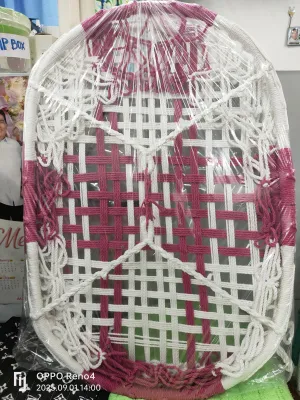
Prices are valid at publication and may change. Please refer to the product page for the latest price.
In contrast, net or mesh duyan designs are highly favored in tropical regions due to their superior breathability. The open-weave construction allows air to circulate freely around the baby, reducing the risk of overheating. However, when choosing a net design, caregivers must inspect the size of the mesh holes. The weave must be tight enough to prevent the baby’s tiny fingers, toes, or clothing buttons from getting caught, which could cause injury.
Beyond the hammock itself, the support structure is a critical choice. Traditional setups rely on ceiling-hung ropes or springs, which save floor space but require a permanent, structurally sound anchor point. If you live in a rental property or lack a solid wooden beam or concrete ceiling to drill into, a freestanding metal frame is a practical alternative. These frames are portable, allowing you to move the duyan from the living room during the day to your bedside at night.
When evaluating freestanding frames, pay close attention to the materials used. Heavy-duty steel frames offer the best structural integrity and are less likely to bend or warp under weight. Lightweight aluminum frames are easier to transport but must be checked thoroughly for joint stability. Always prioritize a wide, low-center-of-gravity base that prevents the frame from tipping over if the baby shifts or if a sibling accidentally bumps into it.
Key Safety and Age Guidelines for Newborns and Infants
Before placing an infant into any duyan, caregivers must consult the manufacturer’s explicit guidelines regarding age, weight, and developmental milestones. Many commercial duyan products are designed for a specific weight range, often starting from birth up to a limit of around 9 to 12 kilograms. Never assume a product is suitable for your baby based solely on its appearance; always verify the weight capacity printed on the packaging or instruction manual.

It is crucial to understand the difference between supervised soothing and unsupervised sleep. Pediatric health organizations emphasize that the safest sleep environment for an infant is a flat, firm, separate surface, such as a crib or bassinet, free of loose blankets, pillows, or bumpers. The curved, flexible bottom of a traditional duyan does not provide a flat surface. This curved posture can cause a newborn’s heavy head to tilt forward onto their chest, potentially obstructing their airway—a condition known as positional asphyxiation.
Because of these structural characteristics, a duyan should only be used for supervised soothing sessions or brief, closely monitored naps during the day. A caregiver must remain in the same room and keep a watchful eye on the infant at all times while they are in the duyan. Never leave a baby to sleep in a duyan overnight or while you are asleep, as you will not be able to monitor their breathing or position.
Physical hazards also change as your baby grows and gains mobility. In the first few weeks of life, a newborn has very limited movement, but within a few months, they will begin to wiggle, kick, and attempt to roll. A duyan with shallow sides or inadequate edge support poses a significant fall risk if the baby shifts their weight. Additionally, inspect the interior of the duyan regularly for loose threads, raw seams, or decorative elements that could unravel and present a strangulation or choking hazard.
How to Evaluate and Compare Duyan Options
To find a high-quality duyan for babies among the many options available in local stores and online marketplaces, you need a structured evaluation process. Start by closely examining the suspension hardware, which is the most critical safety link in the entire setup. Look for heavy-duty steel springs that are specifically rated for infant hammocks; these springs absorb sudden movements and provide a gentle, bouncing motion. Ensure that all carabiners, S-hooks, and connecting links feature secure locking mechanisms, such as screw-gates, to prevent them from accidentally slipping open.
Next, evaluate the fabric and textile components. Because your baby’s sensitive skin will be in direct contact with the duyan, prioritize hypoallergenic, non-irritating materials. Cotton blends are generally soft and breathable, while synthetic fabrics should be checked for chemical odors or rough textures. Hygiene is another major consideration; babies are prone to diaper leaks, spit-up, and sweat. Choose a duyan with a fabric body that is easily detachable, machine-washable, and quick to dry to prevent the buildup of bacteria or mold.
When comparing different products, look beyond the initial price tag to assess the overall value across different price tiers. Basic standalone fabric or net hammocks can be found for under ₱500, but these often require you to purchase suspension ropes, springs, and hooks separately. Mid-range options, typically priced between ₱1,000 and ₱2,500, often come as complete packages including a basic metal stand, a spring, and a mosquito net. Premium sets, which can exceed ₱4,000, usually feature adjustable-height heavy-duty stands, specialized multi-spring tension systems, premium organic fabrics, and convenient carrying bags for travel.
While budget is always a factor, investing in a complete, certified set from a reputable manufacturer often provides greater peace of mind. Buying a pre-packaged set ensures that all components—the stand, the spring, the carabiners, and the hammock—are engineered to work safely together, eliminating the risk of using mismatched or incompatible hardware that could fail under load.
Proper Installation and Daily Maintenance
Safe installation is paramount to preventing structural failures and keeping your baby secure. If you choose a traditional ceiling-hung duyan, you must locate a solid structural joist or concrete beam. Never mount a duyan hook directly into plasterboard, drywall, or thin wooden ceiling panels, as these materials cannot support the dynamic weight of a swinging baby. Use heavy-duty expansion bolts or concrete anchors, and if you are at all unsure about your ceiling’s load-bearing capacity, hire a professional carpenter or contractor to perform the installation.
For those using freestanding frames, assembly must take place on a completely flat, level floor surface. Avoid placing the frame on thick rugs or uneven tiles that could cause it to wobble. Ensure that the frame is positioned far away from potential hazards, such as electrical outlets, wall decorations, television stands, and window blind cords, which can pose a strangulation risk. Keep the duyan out of high-traffic household pathways where family members or pets might accidentally bump into it.
Routine maintenance is just as important as the initial setup. Establish a habit of inspecting the entire duyan system before placing your baby inside for each use. Check the fabric or net for any signs of thinning, fraying, or torn seams, especially around the attachment loops. Inspect the metal springs for signs of metal fatigue, rust, or permanent stretching. Ensure that all carabiners are fully closed and locked, and wipe down the metal frame periodically to prevent dust and moisture buildup, which can lead to corrosion in humid environments.
When to Transition Away from a Duyan
A duyan is a temporary soothing aid, and knowing when to transition your baby to a standard crib or bed is essential for their ongoing safety. The most critical signal to stop using a duyan is when your baby reaches key physical milestones. As soon as your baby attempts to roll over, push up on their hands and knees, or sit up independently, they must be transitioned out of the duyan immediately. At this stage of development, the baby’s increased mobility makes it incredibly easy for them to tip the hammock over or climb out, leading to a dangerous fall.
You must also monitor the manufacturer’s maximum weight threshold. Even if your baby is not yet rolling, reaching the weight limit means the suspension springs and fabric are no longer guaranteed to support them safely. Behavioral signs can also indicate it is time for a change; if your baby seems restless, fights the confined space of the duyan, or no longer settles down with the swaying motion, they are likely ready for a more spacious sleeping environment.
To make the transition to a flat crib mattress as smooth as possible, start by introducing the crib for daytime naps. Keep your established pre-nap routines identical—such as dimming the lights, playing white noise, or reading a book—so your baby associates these cues with sleep rather than relying solely on the motion of the duyan. Be patient, as it may take several days or weeks for your baby to adjust to the stationary feel of a firm crib mattress.
Frequently Asked Questions (FAQ)
Is it safe for a newborn to sleep in a duyan overnight?
No, it is not safe for a newborn to sleep in a duyan overnight or for any extended, unsupervised period. Pediatric health guidelines emphasize that infants should sleep on a flat, firm surface to minimize the risk of Sudden Infant Death Syndrome (SIDS) and positional asphyxiation. The curved shape of a duyan can cause a baby’s head to tilt forward, potentially blocking their airway. While a duyan is an excellent tool for supervised daytime soothing and short, closely monitored naps, overnight sleep should always take place in a safe crib, bassinet, or playpen. If you have concerns about your baby’s sleep habits, consult your pediatrician for personalized guidance.
How do I clean a traditional net or fabric duyan?
To clean a traditional net or fabric duyan, always start by checking the manufacturer’s care label for specific instructions. If the fabric is machine-washable, place it in a mesh laundry bag and use a gentle cycle with cold water and a mild, hypoallergenic baby detergent to protect your infant’s sensitive skin. For net or mesh duyans, hand-washing in a basin of warm, soapy water is often the safest method to prevent the delicate weave from snagging or tearing. After washing, rinse thoroughly to remove all soap residue, and hang the duyan to air-dry completely in a well-ventilated area. Avoid using bleach or fabric softeners, and ensure the material is entirely dry before reassembling to prevent mold growth.
Can I use a duyan in an apartment with concrete ceilings?
Yes, you can use a duyan in an apartment with concrete ceilings, but the installation requires specific hardware and extreme caution. You must use heavy-duty concrete expansion bolts (often called dynabolts) rather than standard wood screws. It is critical to drill only into solid, structural concrete beams; never drill into hollow concrete blocks or decorative plaster ceilings, as these cannot safely support the weight. If you are renting, check your lease agreement before drilling, as this may violate building rules. For a safer, non-destructive, and highly portable alternative, consider using a freestanding metal duyan frame, which requires no drilling and can be easily disassembled when you move.

Community discussion
Share your experience or ask a question. Comments are reviewed before publication.