
Setting up a nursery requires balancing comfort, style, and utility. Among the many decisions new parents face, choosing where and how to handle diaper changes is one of the most frequent daily tasks. A diaper changing mat serves as the foundation for this routine, yet finding one that fits your specific home layout, furniture, and lifestyle can be surprisingly complex.
The ideal setup must accommodate your physical space while remaining easy to clean, especially in warm, humid tropical climates where moisture and hygiene require constant attention. This guide helps you navigate the primary types of changing mats—including fixed, portable, foldable, and integrated options. By matching these designs to your daily habits and room layout, you can establish a safe, efficient station. We will also provide a practical framework for evaluating popular market options, such as an enfant diaper changing mat, to ensure your choice meets your family’s needs.
Understanding the Main Types of Diaper Changing Mats
Before purchasing any nursery gear, it helps to understand the structural categories available. Diaper changing mats generally fall into four main designs: fixed contoured pads, portable mats, foldable clutch-style mats, and integrated furniture toppers. Each category serves a distinct purpose, ranging from heavy-duty stationary use to ultra-lightweight travel convenience.
Products mentioned in this guide
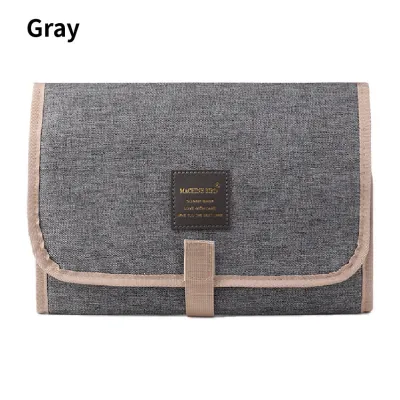
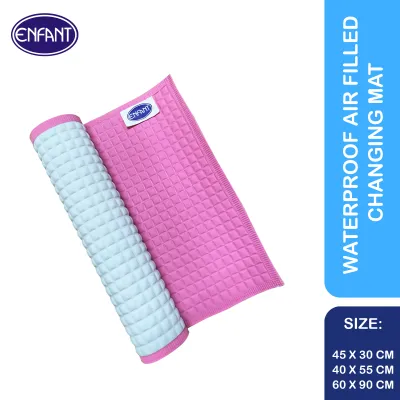
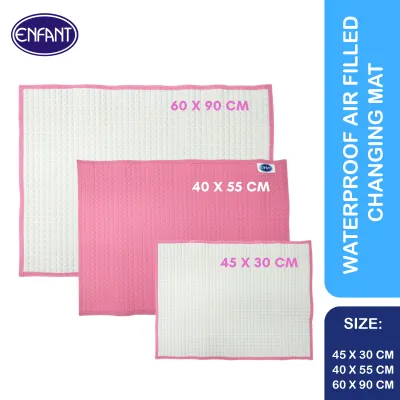
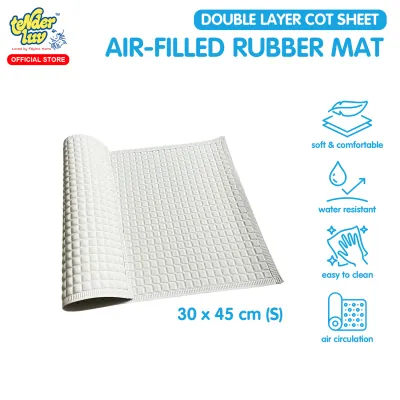
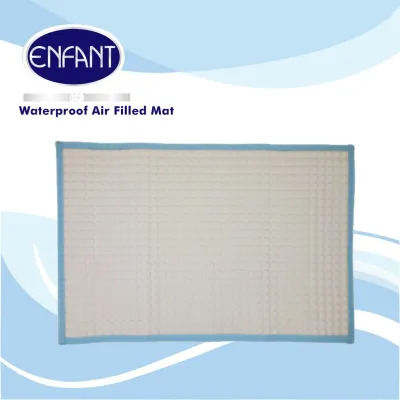
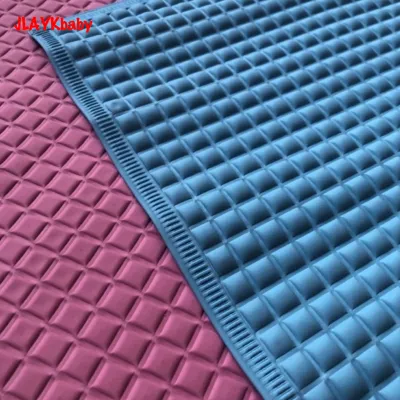
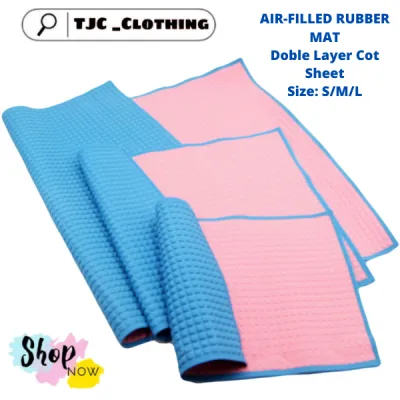
Prices are valid at publication and may change. Please refer to the product page for the latest price.
Selecting the right category depends heavily on your primary caregiving environment. If you plan to handle every diaper change in a single, dedicated nursery space, a stationary option provides stability and integrated storage. Conversely, if your daily routine involves moving between different rooms or traveling frequently, a flexible, mobile design will better support your lifestyle.
Furthermore, the type of mat you select directly influences how you organize your nursery storage. A stationary setup allows you to keep diapering essentials like creams, wipes, and fresh clothes permanently arranged within arm’s reach. On the other hand, a mobile setup requires you to think about portable storage solutions, such as diaper caddies or utility carts, that can travel alongside the mat to different rooms.
Fixed and Contoured Mats
Fixed contoured mats are designed to remain in one dedicated spot, typically on top of a dresser, changing table, or a secure chest of drawers. These mats feature raised outer edges—often referred to as contours—that create a shallow, protective barrier to help keep your baby centered during changes. The physical structure of these pads is usually made of dense foam wrapped in a waterproof, wipeable cover.
The core of a contoured mat is typically constructed from high-density foam, providing a firm yet comfortable cushion. This foam is sealed inside a waterproof cover, often made of vinyl or polyurethane laminate, to prevent liquids from seeping into the core. Some models feature a non-slip bottom surface to prevent the pad from shifting on smooth dresser tops.
Because they do not fold or compress easily, contoured mats require a flat, stable, and spacious surface. They are best suited for nurseries with dedicated changing tables or ample dresser space where the mat can remain permanently installed. The raised sides offer a helpful physical boundary, but they are not a substitute for active supervision.
When selecting a contoured mat, always check the manufacturer’s product label for specific weight limits and age recommendations. Many models include safety straps designed to anchor the pad directly to the underlying furniture. Verifying these anchoring mechanisms before purchase ensures the mat will remain firmly in place during use.
Portable and Foldable Mats
Portable and foldable mats prioritize mobility and space-saving flexibility. These mats are typically thin, lightweight, and designed to fold down into a compact shape that easily slides into a diaper bag or cabinet. Some foldable models even feature integrated pockets for holding a small supply of wipes and diapers, acting as a self-contained changing clutch.
This style is highly practical for families living in smaller apartments, multi-story homes, or those who travel frequently. A portable mat allows you to transform almost any flat, stable surface—such as a bed, a clean floor, or a secure table—into a temporary changing station. This flexibility is particularly useful when visiting relatives or running errands.
When using a portable mat outside the home, quick sanitization is key. Because these mats contact public surfaces, they must withstand rapid disinfection. Many parents prefer foldable mats with smooth, heat-sealed surfaces, as stitched seams can trap moisture and bacteria, making them harder to clean thoroughly on the go.
However, portable mats have distinct trade-offs. Because they are designed to fold flat, they lack the thick, raised safety contours found on stationary pads. They require constant, uninterrupted physical supervision and must only be used on flat, clean, and secure surfaces. Before buying, check the folded dimensions to ensure the mat fits comfortably inside your preferred diaper bag or stroller compartment.
Integrated Dresser and Table Toppers
Integrated dresser and table toppers are designed to function as a seamless extension of your nursery furniture. These systems often consist of a wooden or rigid frame that secures directly to the top of a matching dresser, holding a compatible changing mat snugly inside. This setup creates a cohesive, built-in look that blends perfectly with your nursery’s aesthetic.
The primary advantage of an integrated topper is its structural stability and immediate access to storage. Because the mat is nested within a rigid frame, there is minimal risk of the pad sliding or shifting during use. Additionally, having the changing station directly on top of a dresser keeps fresh clothes, diapers, and wipes within arm’s reach in the drawers below.
A removable dresser topper allows you to transition the furniture as your child grows. Once your toddler outgrows the diaper-changing phase, the wooden topper frame can be removed entirely, restoring the dresser to a standard piece of bedroom furniture. This adaptability makes integrated toppers a highly practical choice for parents investing in long-term nursery setups.
The main limitation of this setup is its lack of flexibility. Once installed, the topper limits your ability to rearrange the room or use the dresser surface for other purposes. It is also critical to verify the exact dimensional compatibility between the topper frame, the changing mat, and your dresser surface, as even a small mismatch can compromise safety.
Matching the Mat Type to Your Nursery Space and Routine
Choosing the right diaper changing mat requires a realistic assessment of your home’s physical layout and your daily caregiving habits. A beautifully designed nursery setup is only effective if it aligns with how you actually move through your day.

For homes with limited square footage, a large, fixed contoured mat on a dedicated changing table may crowd the room and restrict movement. In these smaller spaces, a foldable or portable mat that can be tucked away in a drawer when not in use is often the most practical choice. Alternatively, an integrated dresser topper can save floor space by combining two essential pieces of furniture into one footprint.
Your daily routine also dictates the best option. If your home has multiple levels, relying solely on an upstairs stationary station can quickly become exhausting. Many parents find success with a hybrid approach: installing a secure, fixed contoured mat in the nursery for nighttime changes, while keeping a lightweight portable mat downstairs for quick daytime transitions.
If you decide on a stationary setup, measuring your intended furniture surface is a non-negotiable first step. Compare the length, width, and depth of the dresser or table top against the physical specifications of the mat you plan to buy. Ensure there is ample clearance on all sides and that the surface can fully support the weight of both the mat and your growing baby.
Remember that your needs will evolve as your baby grows. A portable mat that serves as a secondary option during the newborn stage may become your primary tool once your baby becomes more active and transitions to floor-based changes. Planning for these developmental shifts can save you from making redundant purchases later on.
Evaluating Brand Options and Material Specifications
When browsing online marketplaces or local baby boutiques, you will encounter a wide variety of brands and material specifications. Evaluating options like an enfant diaper changing mat or similar products requires looking past marketing descriptions and focusing on concrete product labels and material details. Use the following checklist to guide your decision.
Material and Wipeability: In warm, humid tropical climates, moisture control is essential. Look for non-porous, waterproof materials that wipe clean easily. Avoid fabric covers that require frequent machine washing unless paired with a waterproof inner liner, as trapped moisture can quickly lead to mold, mildew, or bacterial growth.
Safety Certifications: Do not assume a changing mat is safe simply because it carries a recognizable brand name. Examine the product packaging or manufacturer’s website for verified safety certifications and compliance with international or local juvenile product standards. These certifications indicate that the materials have been tested for structural integrity and are free from harmful chemicals or phthalates.
Strap and Anchor Systems: A secure attachment system is vital for any stationary mat. Check whether the product includes safety straps to secure the baby, as well as anchoring straps or hardware to attach the mat to the furniture. If the mat relies on adhesive strips or requires drilling into your dresser, ensure you are comfortable with these installation requirements before purchasing.
Budgeting: Diaper changing mats in the local market typically range from budget-friendly portable sheets to premium contoured pads, with prices spanning from approximately ₱500 to ₱3,000 or more. When budgeting, weigh the initial cost against the expected lifespan of the materials. A slightly higher investment in a durable, easy-to-clean mat can offer better long-term value than a cheap option that degrades quickly under daily washing and tropical humidity.
Essential Safety Checks and Setup Guidelines
Regardless of the brand or style of diaper changing mat you choose, safety must remain your top priority. Diaper changing surfaces are elevated, making fall prevention the most critical aspect of your daily routine.
The absolute, non-negotiable rule of diaper changing is to keep at least one hand on your baby at all times. Even if your mat features high contoured edges, a secure safety strap, or a non-slip bottom, these design elements are secondary aids and cannot replace active caregiver supervision. Babies can wiggle or roll unexpectedly in a matter of seconds.
Before using a newly installed mat, perform a thorough physical setup check. Press down on the mat from various angles to ensure it does not slide, tilt, or shift on the furniture surface. If the mat uses anchoring straps, verify that they are pulled taut and securely fastened to the back of the dresser or changing table frame.
To minimize the risk of falls, organize your changing station so that every necessary item is fully prepared before you place your baby on the mat. Diapers, wipes, diaper rash creams, and a change of clothes should all be positioned within your immediate reach, but safely out of the baby’s grasp. You should never have to step away from the changing table or turn your back to retrieve a forgotten item, even for a split second.
Regularly inspect the condition of your changing mat for signs of wear and tear. Establish a strict stop-use condition: if the waterproof outer cover tears, the inner foam begins to crumble, or the anchoring straps show any signs of fraying, discontinue use immediately. Damaged materials can harbor bacteria or compromise the structural stability of the mat.
Finally, always consult both the changing mat manufacturer’s instructions and your furniture’s manual before completing your setup. Some furniture manufacturers provide specific guidelines or pre-drilled holes for attaching changing toppers. Following these official instructions ensures you do not void warranties or accidentally compromise the structural integrity of your nursery furniture.
Frequently Asked Questions (FAQ)
Can I use a regular towel or blanket instead of a dedicated changing mat?
While a folded towel or blanket can work in an emergency, they are not recommended as permanent changing surfaces. Regular fabrics lack a waterproof barrier, meaning spills and liquid waste will soak through immediately, requiring frequent machine washing and risking damage to the underlying furniture. Furthermore, loose towels and blankets lack slip-resistant backings or anchoring systems, creating a significant sliding hazard when placed on smooth dresser tops. A dedicated changing mat provides a stable, non-porous, and easily sanitized surface that ensures both hygiene and safety.
How do I clean and maintain a contoured changing mat?
To maintain hygiene and prolong the lifespan of your contoured changing mat, always follow the specific cleaning instructions printed on the product label. For daily maintenance, wipe the surface clean with a damp cloth and a mild, baby-safe soap or a gentle disinfectant wipe. Avoid using harsh chemical cleaners, bleach, or abrasive scrubbing pads, as these can degrade the waterproof polyurethane or vinyl coating over time. In humid tropical environments, ensure the mat is completely dry before placing any fabric covers or liners over it to prevent the growth of mold and mildew.
When should I stop using a changing mat?
You should transition away from an elevated changing mat when your baby reaches the manufacturer’s stated weight or height limit, which is typically found on the product packaging. Additionally, developmental milestones are crucial indicators; once your baby begins to roll over actively, pull themselves up, or attempt to climb off the changing table, the risk of falls increases significantly. When these behaviors emerge, it is safest to stop using the elevated station and transition to changing your baby on a clean portable mat placed directly on the floor or another low, secure surface.

Community discussion
Share your experience or ask a question. Comments are reviewed before publication.