
Introducing a cup with a built-in straw is a significant milestone during the weaning journey. In the Philippines, where warm tropical days require consistent hydration, finding a reliable cup is essential for your baby’s daily comfort. Rather than relying on unverified product rankings or social media trends, this guide focuses on the essential safety standards, developmental needs, and practical maintenance routines you need to evaluate. Use these criteria to confidently select a straw cup that supports your baby’s growing independence and fits your daily routine.
Transitioning from breast or bottle feeding to a cup can be challenging for both parents and babies. Many families instinctively reach for traditional sippy cups, but modern pediatric dental and speech guidelines increasingly point toward straw cups as a highly beneficial alternative. By understanding the mechanics of how your baby drinks, you can make a choice that actively supports their physical development. This guide breaks down the key factors to consider when shopping on local online marketplaces or visiting baby boutiques, ensuring you invest in a safe, durable, and hygienic product.
Why Built-in Straw Cups Support Weaning Milestones
Drinking from a straw cup plays a crucial role in your baby’s oral motor development. Unlike a bottle or a traditional hard-spout sippy cup, which encourages a primitive suckle-swallow pattern where the tongue moves forward and backward, straw drinking requires a more mature swallowing mechanism. To draw liquid up a straw, your baby must seal their lips tightly around the silicone tip, retract their tongue, and use their cheek muscles to create suction. This active engagement of the facial muscles helps strengthen the jaw, lips, and tongue, which are the very same muscles your baby will use as they begin to babble and speak. If you have concerns about your baby’s oral motor development or swallowing mechanics, consult a qualified pediatrician or pediatric dentist for personalized guidance.
Products mentioned in this guide



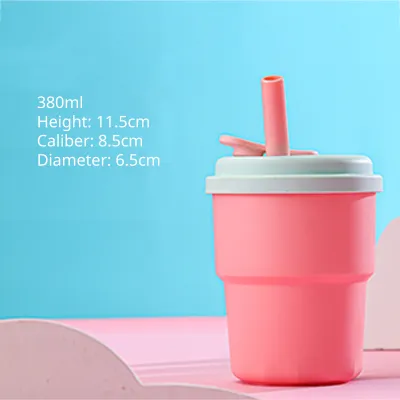
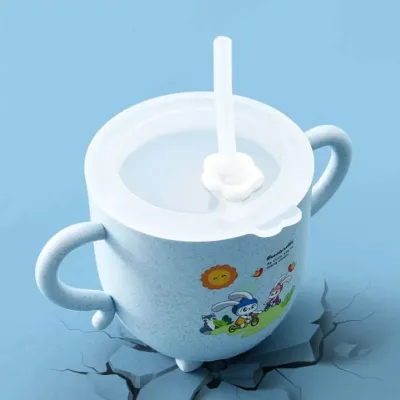
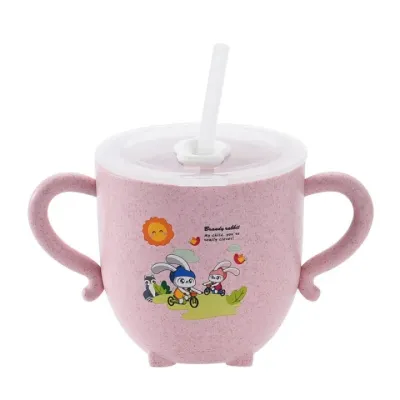
Prices are valid at publication and may change. Please refer to the product page for the latest price.
In addition to oral motor benefits, using a cup with a built-in straw fosters physical independence and hand-eye coordination. During the early stages of weaning, babies are learning to grasp objects, bring them to their mouths, and control their grip. A straw cup allows them to practice these self-feeding skills without needing to tilt their head back excessively, which can be disorienting or cause mild choking in beginners. By managing the cup on their own, babies build confidence in their physical abilities, making mealtime a more interactive and positive experience.
From a practical standpoint, built-in straw cups offer a highly effective compromise between open-cup training and spill prevention. While learning to drink from an open cup is an important long-term goal, the reality of early weaning often involves frequent spills, messy cleanups, and wet clothes. In a typical household with tiled or wooden dining areas, a dropped open cup can quickly turn mealtime into a stressful cleanup session. A well-designed straw cup keeps the liquid securely contained, allowing your baby to explore independent drinking with minimal mess, whether you are at home or dining out.
Essential Safety and Design Features to Check Before Buying
When evaluating different straw cups on ecommerce platforms or in local department stores, material safety must be your absolute priority. Always inspect the product packaging or online specifications to verify that the cup is completely free from bisphenol A (BPA), phthalates, and other potentially harmful chemical additives. Look for food-grade silicone components, particularly for the straw and sealing rings, as this material is soft on sensitive gums and highly resistant to heat. If the cup body is made of plastic, check for durable, heat-resistant options such as polypropylene (PP) or polyphenylsulfone (PPSU), which can withstand the high temperatures of frequent sterilization. When purchasing, treat safety standards and certifications as items you must verify directly on the product label, checking for active manufacturer recalls or safety updates before use.

Always verify the manufacturer’s age and weight recommendations on the packaging, as developmental readiness varies. Additionally, ensure that your baby is always supervised by a caregiver while using any straw cup to prevent accidental injury. Leak-proof mechanisms are another critical feature to examine before making a purchase. Most high-quality baby straw cups utilize specialized valves to prevent liquid from escaping when the cup is tipped upside down or dropped from a high chair. A common design is the bite valve, which remains closed until your baby applies gentle pressure with their lips or gums. While this is highly effective at preventing leaks, some babies may find it difficult to extract liquid initially. Alternatively, some cups feature a simple weighted straw with a cross-cut valve at the tip, which allows liquid to flow only when suction is applied, offering a balance between leak prevention and ease of use.
Ergonomics play a major role in how easily your baby will adopt their new cup. For infants who are just starting their weaning journey around six months of age, look for cups equipped with removable, easy-grip double handles. These handles should be ergonomically curved to fit comfortably within tiny hands, allowing your baby to lift and stabilize the cup independently. Additionally, consider the overall stability of the cup; a wide, weighted base helps prevent the cup from tipping over easily when placed on a high chair tray or dining table.
Finally, pay close attention to the design of the straw tip itself. The tip should be made of soft, flexible silicone that is gentle on your baby’s developing teeth and gums. Many training cups feature a cross-cut or slit valve at the very top of the straw. This design is specifically engineered to control the flow of liquid, preventing a sudden rush of water that could cause your baby to choke or swallow excess air. A controlled flow rate is especially important for younger babies who are still coordinating their breathing and swallowing reflexes.
Matching the Straw Design to Your Baby's Drinking Skills
As your baby progresses through different stages of weaning, their physical capabilities and hydration needs will change. For babies in the early weaning stage, typically between six and nine months old, a weighted straw cup is often the most suitable choice. These cups feature a flexible silicone straw with a small, weighted anchor at the bottom. The weight is designed to slide along the bottom of the cup, ensuring that the end of the straw remains submerged in liquid regardless of the angle at which your baby holds the cup. This is particularly helpful for beginners who instinctively tilt their cups upward, as they would a bottle, preventing them from sucking in air.
As your baby transitions into the active toddler stage, usually around twelve months and beyond, their motor skills and sucking strength will have improved significantly. At this point, you can transition them to a standard straight straw cup. These cups typically do not have a weighted base on the straw and often feature a wider straw diameter, allowing for a faster, more natural flow of liquid. Toddler-sized cups also tend to have larger capacities, ranging from 240ml to 300ml, which are ideal for keeping your child hydrated during outdoor play, family trips, or warm afternoons.
Adjusting the flow rate of the cup is essential to prevent frustration and encourage consistent drinking habits. If you notice your baby struggling to get water out of a bite-valve straw, or if they quickly lose interest and push the cup away, the resistance may be too high for their current sucking strength. In this case, switching to a free-flow straw or a cup with a simpler cross-cut valve can make drinking much easier. Conversely, if your baby frequently coughs or spits out water while drinking, the flow rate may be too fast, indicating they need a cup with a more restrictive valve to help them pace themselves.
How to Clean and Maintain Straw Cups to Prevent Mold
Maintaining strict hygiene is one of the most challenging aspects of using straw cups, especially in the warm and humid climate of the Philippines. Mold and bacteria thrive in dark, damp environments, and the narrow, hard-to-reach crevices of silicone straws and valves are prime breeding grounds. To ensure your baby’s safety, you must establish a daily routine of complete disassembly. This means separating every single component of the cup, including the silicone straw, the weighted ball, the rubber sealing ring inside the lid, the handles, and the bottle itself, after every use.
To clean these intricate parts effectively, standard dishwashing sponges are simply not enough. You will need to invest in a specialized, ultra-thin straw cleaning brush, which is often included with high-quality cups or can be purchased separately for under ₱150. Gently insert the brush into both ends of the silicone straw, scrubbing thoroughly with warm water and a mild, baby-safe dishwashing liquid to remove any trapped residue. When sterilizing the parts, always consult the manufacturer’s instructions. While most silicone straws can handle boiling water or steam sterilization, some plastic cup bodies or weighted components may warp or degrade if exposed to extreme heat.
Before reassembling the cup, perform a meticulous visual inspection of every component under bright light. Look closely at the inside of the silicone straw, the valve mechanism, and the grooves of the lid for any tiny black or grey spots, which are clear indicators of mold buildup. Additionally, check the silicone parts for any signs of physical wear, such as micro-tears, thinning, or stretching. Damaged silicone can easily tear further during use, presenting a potential choking hazard if a small piece of the straw breaks off in your baby’s mouth.
Even with diligent daily cleaning and sterilization, silicone components do not last forever. Over time, exposure to saliva, water, and cleaning agents will cause the material to degrade, lose its elasticity, or develop a persistent odor. As a general safety rule, plan to replace the silicone straw and valve components every two to three months, or immediately if you detect any signs of mold, tearing, or structural weakness. Many reputable brands offer replacement straw packs, allowing you to maintain hygiene without having to purchase an entirely new cup.
Practical Tips for Teaching Your Baby to Use a Straw
Teaching your baby how to use a straw requires patience, as the sucking mechanic is quite different from bottle or breast feeding. A simple and highly effective way to introduce this skill is the pipette method. Dip a clean, reusable silicone straw into a cup of water, place your clean finger over the top opening to trap a small amount of liquid inside, and bring the tip of the straw to your baby’s lips. When they open their mouth to touch the straw, gently release your finger to let a few drops of water enter their mouth. This helps them quickly associate the straw with receiving liquid.
It is important to manage your expectations and remain patient during the initial learning phase. Your baby will almost certainly cough, sputter, drop the cup, or let water run down their chin as they figure out how to coordinate their sucking, swallowing, and breathing. These minor spills are a completely natural part of the learning curve. To minimize mess, start by offering only small amounts of plain water during practice sessions, and avoid showing frustration, which can cause your baby to develop a negative association with the cup.
To build a consistent habit, integrate the straw cup into your baby’s regular mealtime routine from the very beginning of their weaning journey. Place the cup on their high chair tray alongside their solid food plate, allowing them to explore it at their own pace. By making the cup a standard fixture of their meals, they will begin to understand that drinking water is an integral part of eating. Over time, this consistent exposure will help them transition smoothly to independent hydration, ensuring they stay comfortable and healthy as they grow.
Frequently Asked Questions (FAQ)
Can a baby use a straw cup for formula or breast milk?
Yes, you can use a straw cup to serve formula or breast milk, but doing so requires extra vigilance regarding cleaning and food safety. Milk residue contains fats and proteins that cling to the inner walls of silicone straws and valves, creating an ideal environment for rapid bacterial growth, especially in warm tropical climates. If you choose to put milk in a straw cup, you must wash and sterilize all components immediately after your baby finishes drinking. Never let milk sit in a straw cup for extended periods, as the narrow passages are incredibly difficult to sanitize once residue has dried.
How do I know if the straw flow is too fast or too slow?
You can determine if the flow rate is appropriate by carefully observing your baby’s behavior while they drink. If your baby coughs, sputters, chokes, or constantly lets water leak out of the corners of their mouth, the flow is likely too fast, or the valve is too open for their current developmental stage. On the other hand, if your baby sucks vigorously for several seconds but only receives a few drops, or if they cry, bite the straw in frustration, and push the cup away, the flow is too slow. This indicates that the valve resistance is too high, and you may need to adjust the valve or switch to a free-flow straw design.

Community discussion
Share your experience or ask a question. Comments are reviewed before publication.