
Selecting the right Bebeta baby walker for your child requires looking closely at their physical milestones rather than relying solely on their age in months. While baby gear can support a child’s curiosity and desire to explore, their physical readiness—such as core strength, head control, and the ability to bear weight on their legs—must guide your decision. Choosing a model that matches your baby’s current developmental stage ensures they can interact with their environment comfortably and without unnecessary physical strain.
Every baby develops at their own pace, meaning a walker that is suitable for one six-month-old might not be appropriate for another of the same age. By understanding what physical signs to look for and how to evaluate the structural features of different walker models, you can make an informed choice that supports your baby’s natural growth. This guide will help you navigate the key developmental indicators, essential product specifications, and safety practices necessary to select and use a baby walker effectively.
Understanding Your Baby's Readiness for a Walker
Before introducing any baby walker, it is essential to assess whether your child has reached the necessary physical milestones. Chronological age is a helpful starting point, but physical capability is the true indicator of readiness. A baby is generally not ready for a seated walker until they can sit up completely unassisted, hold their head steady without wobbling, and show a clear ability to bear weight on their legs when held in a standing position. These milestones indicate that the baby’s neck, spine, and leg muscles have developed sufficient strength to handle the upright posture required by a walker.
Products mentioned in this guide
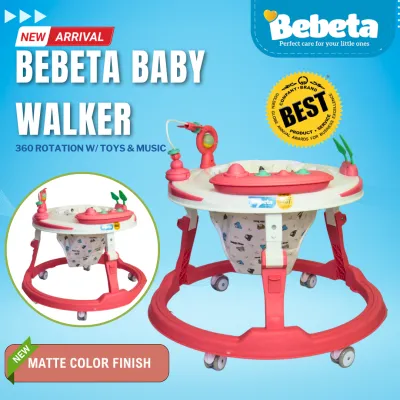
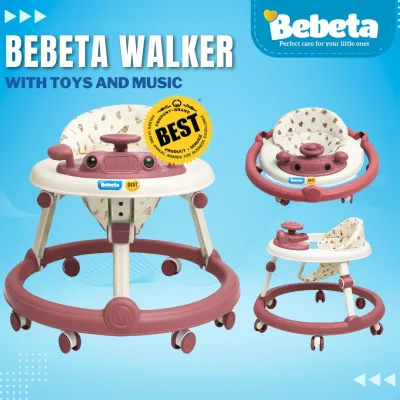
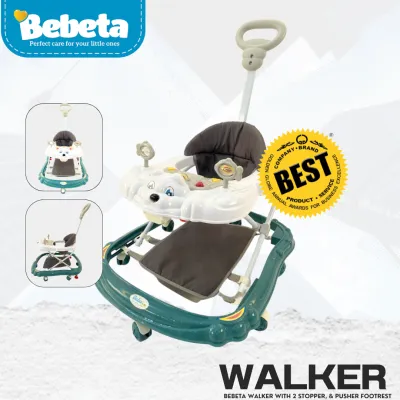
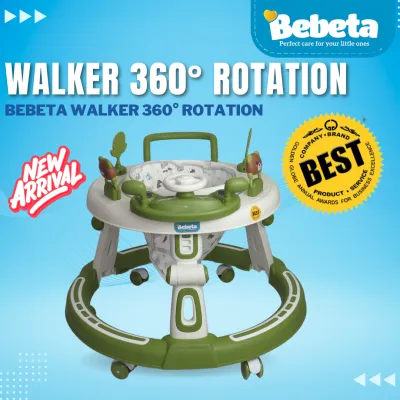
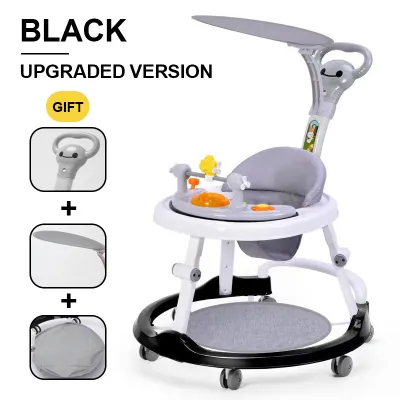
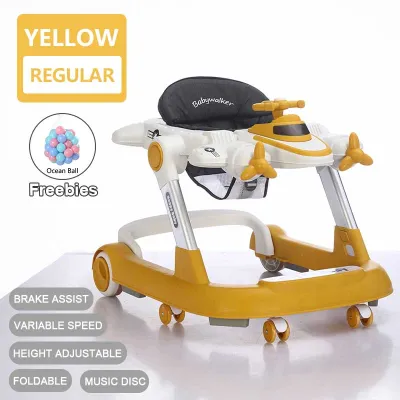
Prices are valid at publication and may change. Please refer to the product page for the latest price.
Introducing a walker too early can pose significant risks to a baby’s physical development. When a baby who cannot yet sit up unassisted is placed in a seated walker, their spine and hip joints are subjected to forces they are not yet strong enough to support. This can lead to poor posture, spinal slumping, and improper hip alignment. Furthermore, babies who are placed in walkers before they are developmentally ready may rely on the seat to support their weight entirely, which can delay the natural strengthening of the core and leg muscles needed for independent standing and walking.
Conversely, introducing a walker too late may limit its usefulness, as the child may already be transitioning to independent walking and prefer freer movement. To ensure a safe introduction, parents must always check the manufacturer’s minimum age, weight, and height requirements printed directly on the product packaging or label. These guidelines are established based on structural testing and developmental averages, providing a critical baseline for safety. Never assume a walker is suitable for your baby simply because they fall within a general age range; always verify that their physical abilities align with the product’s specific design.
Evaluating Bebeta Walker Specifications and Adjustability
When shopping for a Bebeta baby walker, verifying the product specifications is a crucial step in ensuring a proper fit and maintaining structural integrity. Every walker model comes with specific maximum weight and height limits, which are typically located on a safety label attached to the frame or detailed in the user manual. Exceeding these limits can lead to structural failure, such as the frame bending or collapsing, or increase the risk of the walker tipping over when the baby moves quickly. Regularly checking your baby’s weight and height against these specifications is necessary as they grow.

Adjustability is another vital feature to evaluate when choosing a walker. A high-quality walker should offer multiple seat height adjustments or frame settings to accommodate your baby’s growth. When your baby is seated in the walker, their feet should rest flat on the floor with a slight, comfortable bend in their knees. If the walker is adjusted too high, the baby will only be able to touch the floor with their tiptoes, which can cause them to develop a toe-walking habit and tighten their calf muscles. If the walker is too low, their knees will bend excessively, preventing them from pushing off effectively and putting unnecessary strain on their joints.
In addition to height adjustability, you should carefully inspect the walker’s safety features and certifications. Look for models that feature built-in braking mechanisms or friction strips (often called anti-slip pads) on the underside of the base. These safety features are designed to grip the floor and stop the walker if it encounters an uneven surface or a small ledge. Before purchasing, verify these details by reading the manufacturer’s manual or checking official product listings from authorized retailers to ensure the model meets current safety standards.
Matching Walker Styles to Your Baby's Mobility Stage
Baby walkers generally fall into two main categories: seated activity walkers and push-behind walkers. Understanding the differences between these styles will help you choose the one that best aligns with your baby’s current mobility stage. Seated activity walkers feature a fabric seat suspended within a wheeled plastic frame, often accompanied by a toy tray. This style is designed for babies who can sit up with support and are beginning to bear weight on their legs, offering a secure environment where they can practice upright balance and leg coordination while staying entertained.
Push-behind walkers, on the other hand, do not have a seat. Instead, they consist of a stable wheeled frame with a handle that the baby grips while walking behind it. This style is suitable for older babies who are already pulling themselves up to stand and are beginning to take tentative steps. Push-behind walkers require a higher level of core strength, balance, and coordination, as the baby must support their own body weight entirely while steering and pushing the toy. Choosing a push-behind walker too early can lead to falls if the baby lacks the balance to keep up with the moving frame.
To determine which style is right for your baby, assess their current physical capabilities and willingness to stand. If your baby enjoys standing while holding onto furniture but still loses their balance easily, a seated walker can provide a supportive transition. If they are actively trying to take steps while holding your hands, a push-behind walker may offer the right level of challenge. Before making a decision, verify which specific styles, features, and models are currently offered by the Bebeta brand by visiting official brand stores or authorized local retailers to find the best match for your baby’s developmental needs.
Essential Safety Practices and Home Preparation
Using a baby walker requires careful preparation of your home environment to prevent accidents. Walkers allow babies to move much faster and reach much higher than they can when crawling, which introduces new hazards. It is essential to block access to stairs, steps, and uneven surfaces using secure safety gates. In many homes in the Philippines, tiled floors are common, which can cause walkers to roll very quickly; ensure there are no loose rugs, thresholds, or electrical cords that could catch the wheels and cause the walker to tip over.
You must also secure the surrounding area by removing access to dangerous objects. Because a walker elevates your baby, they may be able to reach items on low tables or countertops that were previously out of reach. Keep hot liquids, heavy objects, sharp utensils, and cleaning chemicals far away from areas where your baby uses the walker. Additionally, ensure that doors leading to outdoor areas, bathrooms, or kitchens—where wet floors or hot appliances pose risks—are kept securely closed while the walker is in use.
No safety feature or home preparation can replace the absolute necessity of constant, direct adult supervision. A baby walker is an activity toy and should never be used as a substitute for a caregiver or as a safe containment space while you attend to other tasks. Keep your baby within arm’s reach at all times while they are in the walker. Furthermore, it is highly recommended to limit daily walker use to short sessions, such as 15 to 20 minutes at a time. This prevents your baby from becoming over-reliant on the walker and ensures they spend plenty of unrestricted time on the floor crawling, rolling, and playing, which are critical for natural muscle development and motor skills.
Frequently Asked Questions (FAQ)
At what exact age should my baby start using a walker?
There is no single exact age at which a baby should start using a walker, as physical milestones are far more important than chronological age. While many manufacturers suggest a starting age of around six months, your baby must first demonstrate the physical readiness to use it safely. This includes the ability to sit up completely unassisted, maintain steady head control, and bear weight on their feet when held upright. Always consult the specific packaging of your Bebeta walker to verify the minimum age, weight, and height requirements before allowing your baby to use it.
How do I clean and maintain the walker's fabric and wheels?
Regular maintenance is essential to keep the walker safe and hygienic, especially in warm, humid climates where sweat and spills can accumulate. To clean the plastic frame and toy tray, wipe them down with a damp cloth and mild soap, avoiding harsh chemical cleaners that could degrade the plastic. For the fabric seat pad, check the manufacturer’s care label to see if it is machine washable or requires spot cleaning; if washable, use a gentle cycle and air dry it completely to prevent mold. Additionally, regularly inspect the wheels to remove any trapped hair, dust, or debris, ensuring they roll smoothly and do not lock up during use.

Community discussion
Share your experience or ask a question. Comments are reviewed before publication.