
Transitioning your baby from breast or bottle feeding to a straw cup is a significant milestone in their weaning journey. This phase, which typically begins around six months of age, introduces your little one to new oral motor skills that are vastly different from the sucking reflex used during early infancy. A baby bear straw cup offers an engaging, visually comforting design that can ease this transition, turning a potentially frustrating learning process into a playful, positive experience. However, selecting the right cup requires looking beyond the adorable bear ears and charming faces to evaluate the underlying functionality, safety, and ease of maintenance.
As you navigate the wide array of weaning products, you will find that not all straw cups are created equal. The ideal cup must support your baby’s developing grip, protect their sensitive gums, and withstand the rigorous cleaning routines necessary in a warm, humid climate. By understanding the key features of weaning cups, you can make an informed decision that promotes independent drinking while keeping your baby safe and healthy.
Essential Features for a Weaning-Stage Straw Cup
When babies first transition to a straw, they must learn to coordinate their breathing, swallowing, and lip seal in a completely new way. Unlike bottles, which require a simple suck-and-swallow motion, straws demand active lip closure and stronger cheek muscles. To support this learning curve, the design of the straw itself is paramount.
Products mentioned in this guide
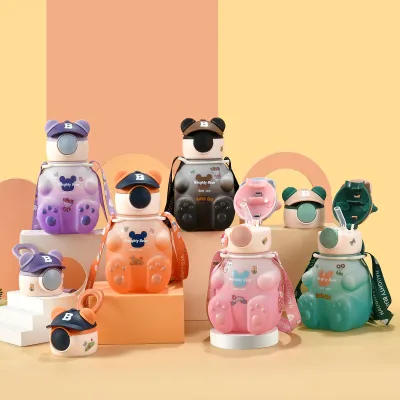
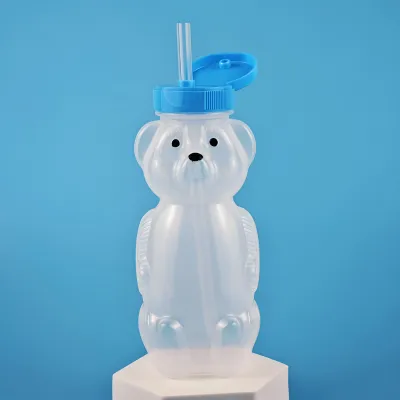
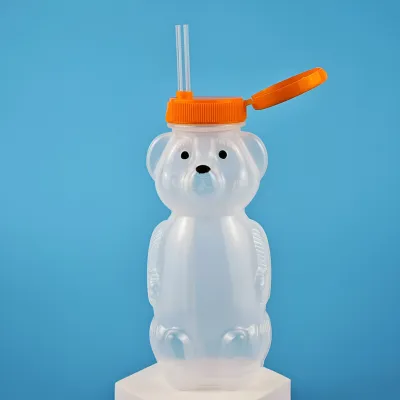
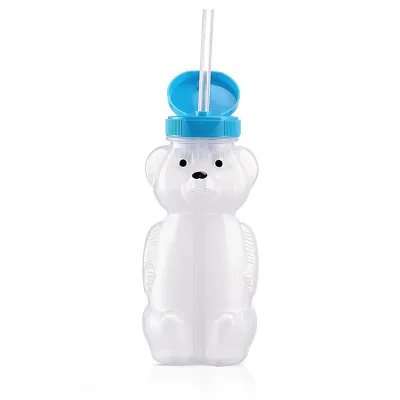
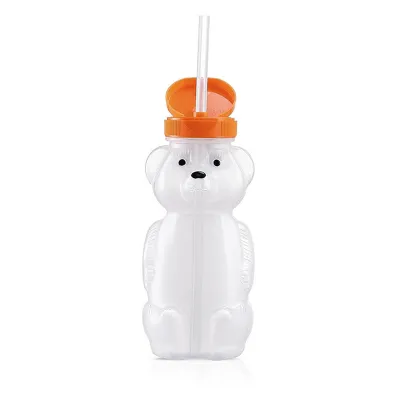
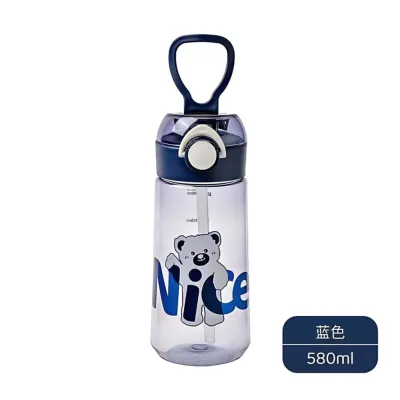
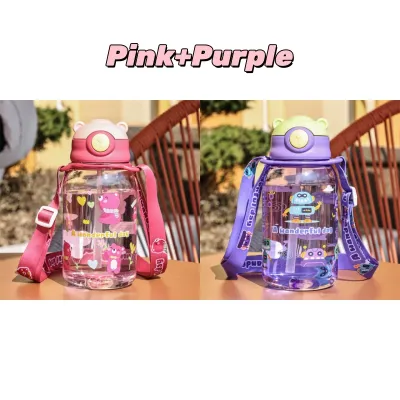
Prices are valid at publication and may change. Please refer to the product page for the latest price.
For early weaning stages, a cross-cut valve straw is highly recommended over an open, free-flowing straw. A cross-cut valve, often shaped like an “X” or a “Y” at the tip of the silicone straw, remains closed until the baby applies gentle pressure with their lips or gums. This mechanism prevents liquid from rushing into the baby’s mouth all at once, which can cause choking, coughing, or a sudden refusal to use the cup. It also ensures that the cup remains spill-proof when tipped over, dropped from a high chair, or tossed across the room.
However, the very mechanism that prevents spills can sometimes make drinking too difficult. If the valve is too stiff, your baby will have to exert excessive sucking effort to get even a tiny sip of water or milk. This can lead to fatigue and frustration, causing them to reject the cup entirely. When evaluating a baby bear straw cup, look for a valve that balances spill protection with ease of use, allowing liquid to flow with moderate, age-appropriate suction.
Capacity is another critical factor to consider during the weaning phase. Weaning infants do not require large volumes of water at meal times; their primary source of hydration and nutrition remains breast milk or formula. A cup with a capacity of 150ml to 240ml is generally the sweet spot for babies between six and twelve months old. A smaller cup is lighter and much easier for a baby to lift, hold, and control independently. Larger cups, when filled with liquid, can become too heavy, leading to poor drinking posture and accidental drops.
Furthermore, a smaller capacity encourages you to refresh the water or milk frequently. Leaving liquids sitting in a cup for extended periods, especially in tropical temperatures, can encourage bacterial growth. A compact cup ensures that your baby always has access to fresh, clean drinks while keeping the physical weight of the cup manageable for their small hands.
Evaluating Bear-Themed Designs and Ergonomics
The visual appeal of a bear-themed cup is undeniable, but the physical design must serve a functional purpose. Ergonomics play a vital role in how quickly and comfortably your baby learns to hold and use their new cup. The handles, body shape, and overall weight distribution must be tailored to a baby’s limited motor skills.

Many bear straw cups feature handles designed to look like bear ears, or they incorporate a 3D bear shape directly into the cup’s body. While these designs are incredibly cute, you must assess how easily your baby’s tiny hands can grasp them. Loop handles that curve outward from the sides of the cup are generally the easiest for young infants to hold. These handles should be thick enough for a secure grip but small enough for tiny fingers to wrap around completely.
The texture of the handles is equally important. During weaning, your baby’s hands will often be slippery with purees, baby food, or natural oils. Smooth, glossy plastic handles can easily slip out of their grasp, leading to frustration and spills. Look for cups that feature textured, matte, or rubberized silicone grips on the handles. These non-slip surfaces provide the friction needed for a secure hold, even when meal times get messy.
Weight distribution and balance are critical for preventing the cup from tipping over on a high chair tray. Bear-themed cups sometimes feature elaborate, heavy lids shaped like solid plastic bear heads. While visually appealing, a top-heavy cup is highly unstable. When placed on a flat surface, it can easily tip over at the slightest bump. Look for cups with a wide, stable base, preferably with a non-slip silicone ring at the bottom to keep it anchored to the tray.
To assist with drinking posture, many modern straw cups utilize a weighted straw system. A weighted straw features a small, food-grade metal or heavy silicone ball at the bottom of the flexible straw. This weight ensures that the end of the straw always rests in the liquid, regardless of the angle at which the baby holds the cup. Whether your baby is sitting upright, reclining, or tilting the cup backward, they can still drink successfully without sucking in air. This is particularly helpful for babies who are used to tilting bottles upward to drink.
Finally, you must carefully inspect the decorative elements of the bear design. Cute features like raised plastic eyes, molded fur textures, or deep grooves around the bear’s face can easily trap food particles, milk residue, and saliva. If these decorative elements are located near the mouthpiece or on areas that your baby frequently touches, they can quickly become hotbeds for bacteria. Ensure that any decorative features are smooth, seamless, and easy to wipe clean.
Material Safety and Hygiene Maintenance in Tropical Climates
In the Philippines, the combination of high temperatures and high humidity creates an environment where mold, mildew, and bacteria can thrive rapidly. Therefore, material safety and ease of cleaning are the most critical factors when choosing any weaning accessory. You must be vigilant about the materials used in your baby’s straw cup and establish a strict hygiene routine.
When shopping for a baby bear straw cup, always verify the material composition on the product packaging or manufacturer’s specification sheet. The cup body, lid, and straw must be completely free from Bisphenol A (BPA), Bisphenol S (BPS), PVC, lead, and phthalates. Look for food-grade silicone for the straw and mouthpiece, as it is soft on sensitive gums and highly resistant to heat. For the cup body, common safe plastics include Polypropylene (PP), Tritan, and Polyphenylsulfone (PPSU). PPSU is particularly favored for its high durability, scratch resistance, and ability to withstand repeated high-temperature sterilization without degrading.
To maintain proper hygiene, the cup must be designed for complete disassembly. Before purchasing, check if you can easily remove every single component: the silicone straw, the gravity weight, the silicone sealing ring inside the lid, the handles, and the lid itself. If any part of the cup is permanently fused or has enclosed cavities that cannot be opened, water and liquid residue will inevitably get trapped inside. Over time, this trapped moisture will lead to the growth of black mold, which poses a serious health risk to your baby.
Cleaning a straw cup requires specialized tools. Standard bottle brushes are too large to clean the inside of a narrow silicone straw. You will need a slender straw brush, which is often included with high-quality cups or can be purchased separately. After each use, rinse the cup immediately to prevent milk or juice from drying and sticking to the inner surfaces. Disassemble all parts and wash them thoroughly with warm water and a mild, fragrance-free baby bottle cleanser. Pay close attention to the crevices inside the lid and the connection point where the straw meets the gravity weight.
Once washed, the drying process is crucial, especially in a tropical climate. Air-drying parts in a closed, unventilated space can take hours, allowing bacteria to multiply. Instead, place all disassembled components on a clean, elevated drying rack in a well-ventilated area with good airflow. Ensure that the inside of the straw is completely dry before reassembling the cup. Never store a straw cup fully assembled if there is any residual moisture inside, as this is the primary cause of mold development.
Creating Your Pre-Purchase Checklist
Before you add that adorable bear straw cup to your physical cart or online shopping basket, it is wise to run through a final pre-purchase checklist. This step ensures that the cup is not only cute but also practical, cost-effective, and safe for your specific situation.
First, match the manufacturer’s age grading with your baby’s actual developmental milestones. While a cup might be labeled “6m+” (six months and older), every baby develops at their own pace. If your baby is still struggling to sit upright without support or has difficulty grasping objects, they may need a simpler transition cup before moving to a weighted straw cup. Conversely, an older baby might find a highly restricted valve frustrating and require a faster-flowing straw.
Second, investigate the availability and cost of replacement parts. Silicone straws are soft and highly appealing to teething babies, who will inevitably bite, chew, and eventually tear them. A damaged or torn straw is a choking hazard and must be replaced immediately. Before committing to a specific brand of bear cup, search local online marketplaces or baby specialty stores to ensure that replacement straws, gravity weights, and silicone seals are readily available. In the Philippines, these replacement packs typically cost between ₱100 and ₱300. If replacement parts are difficult to find or excessively expensive, you may end up having to buy an entirely new cup, which is neither practical nor budget-friendly.
Third, review the retailer’s return and exchange policies. Because baby feeding items are classified as personal hygiene products, most physical stores and online sellers have strict policies prohibiting returns or exchanges once the packaging has been opened or the seal broken. This means you must be absolutely certain of your choice before purchasing. Double-check the product dimensions, material certifications, and user reviews to ensure the cup meets your expectations.
By taking the time to verify these details, you can avoid the common pitfall of buying a cup that looks wonderful on a shelf or screen but fails to perform in daily life. A well-chosen bear straw cup will not only bring a smile to your baby’s face but also provide you with peace of mind during the exciting journey of weaning.
Frequently Asked Questions (FAQ)
At what age can a baby start using a straw cup for weaning?
Most babies are developmentally ready to start practicing with a straw cup around six months of age, which coincides with the introduction of solid foods. At this stage, they are developing the motor skills required to sit upright, grasp objects, and bring them to their mouth. However, mastering the coordination needed to suck, swallow, and breathe simultaneously can take time. Look for signs of readiness, such as curiosity about your own cups, the ability to hold objects with both hands, and improved tongue control. If you are unsure whether your baby is ready to transition, or if they experience persistent coughing or choking when trying to drink, consult your pediatrician or a pediatric feeding specialist for personalized guidance.
How often should the straw and silicone parts be replaced?
As a general guideline, the silicone straw and sealing rings of a baby cup should be replaced every two to three months, even if they appear to be in good condition. However, you should inspect these parts daily for signs of wear and tear. Teething babies often chew on the soft silicone, which can create small tears, cracks, or loose fragments that pose a serious choking hazard. Additionally, look out for persistent discoloration, cloudiness, or stubborn black spots that indicate mold growth, which cannot be cleaned off. If you notice any damage, deep scratches, or mold, discard the affected parts immediately and replace them with official manufacturer replacements.
Can bear-shaped straw cups be sterilized in boiling water?
Whether a bear-shaped straw cup can be sterilized in boiling water depends entirely on the specific materials used in its construction. While food-grade silicone and high-quality plastics like PPSU can easily withstand the high temperatures of boiling water (often up to 180°C), other plastics like standard Polypropylene (PP) or Tritan may have lower heat tolerances. Before boiling any part of the cup, consult the manufacturer’s instruction manual or product packaging for exact temperature limits. If boiling is permitted, limit the exposure to two to three minutes, ensuring the parts do not touch the hot bottom or sides of the pot. If the manufacturer advises against boiling, or if you are using a UV sterilizer that might cause certain plastics to discolor or degrade over time, consider alternative methods such as steam sterilization or cold-water sterilizing tablets.

Community discussion
Share your experience or ask a question. Comments are reviewed before publication.