
Finding the right baby walker for your baby girl in the Philippines requires balancing developmental readiness, structural safety, and practical features suited for local homes. While many parents look for vibrant designs or interactive toy trays, the primary focus must always be on how well the walker supports your child’s physical growth and safety. Philippine homes often feature tiled or polished concrete floors, which can cause wheeled toys to move rapidly, making stability and speed control critical factors. By understanding the different types of walkers and verifying their specifications against your baby’s current physical milestones, you can make an informed decision that keeps playtime both engaging and secure.
Rather than relying solely on age recommendations, which are often generalized, you should evaluate a walker based on your baby’s weight, height, and physical capabilities. A baby girl who can sit upright independently requires a different style of support than one who is already pulling herself up to stand. Additionally, the tropical climate in the Philippines means that materials must be breathable and easy to clean to prevent heat rash and mold accumulation. This guide provides a comprehensive framework to help you navigate the selection process, evaluate online listings, and establish safe usage habits.
Understanding Walker Types for Your Baby's Developmental Stage
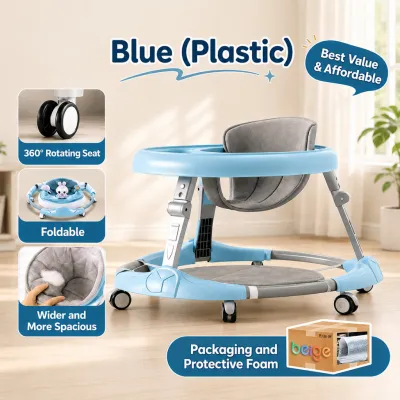
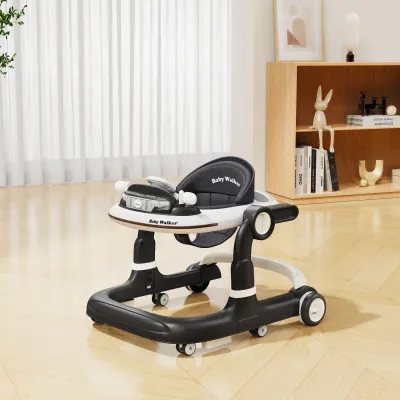
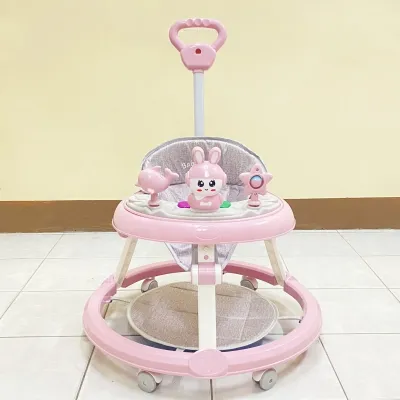
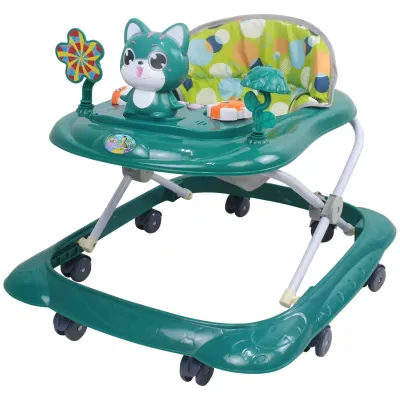
Sit-in walkers feature a suspended fabric seat inside a rigid frame, supported by wheels that allow the baby to glide across the floor. These models are designed for babies who have achieved excellent head and neck control and can sit upright completely unassisted, but who are not yet strong enough to stand or walk on their own. When choosing a sit-in walker, it is vital to check the manufacturer’s documentation for the minimum and maximum weight and height limits. Placing a baby in a sit-in walker before their spine and neck muscles are sufficiently developed can lead to poor posture and physical strain.
Products mentioned in this guide
![[Easy To Walke] Bobbi Baby Walker walker for baby boy baby walker for girl SuitableFor 6-18 Months Infant Foldable walker for baby with Wheel Toddler Walk Learning Anti Rollove walker baby girl walker for baby With Music and Handle](https://img.lazcdn.com/g/p/e556e95d1e84b3034168d74ed603b3ce.jpg_400x400q80.jpg_.webp)
![[BABY WALKER] Training Walker for Babies 5-14 months old with Push Control Bar.. Music and Light-201](https://img.lazcdn.com/g/p/2a64f203adafdd05d3f71f178b85853c.jpg_400x400q80.jpg_.webp)
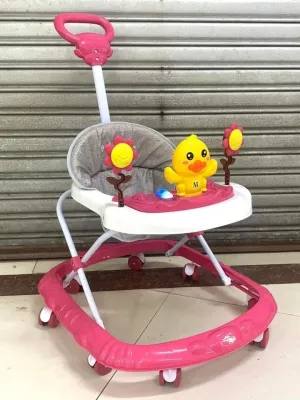
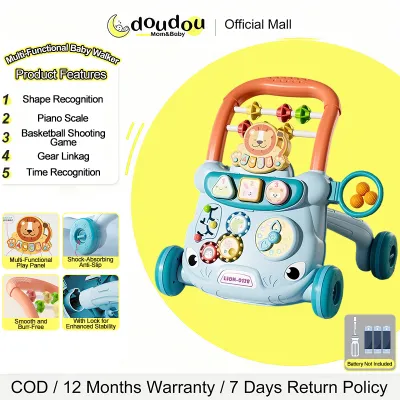
Prices are valid at publication and may change. Please refer to the product page for the latest price.
Push walkers, also known as walk-behind toys, are designed for babies who are actively pulling themselves up to stand and attempting their first independent steps. Unlike sit-in models, push walkers require the baby to support their own body weight, which helps build muscle strength and coordination in the legs and core. When evaluating a push walker, pay close attention to the stability of the base and the height of the handle. The base should be heavy and wide enough to prevent the walker from tipping backward when your baby pulls herself up using the handle. Adjustable wheel resistance is another crucial feature, as it allows you to tighten the wheels to prevent the walker from rolling away too quickly on smooth tiled floors.
Convertible models offer a versatile solution by transitioning from a sit-in walker to a push walker as your baby girl grows. These multi-functional designs can extend the usable lifespan of the gear, but they require careful inspection of the conversion mechanisms. Parents must verify that the locking systems are robust and that the frame remains structurally sound in both configurations. When switching modes, always consult the product manual to ensure all pins, latches, and screws are securely locked into place. A loose joint or a faulty lock can cause the walker to collapse under your baby’s weight, posing a significant safety risk.
Essential Safety Checks and Specifications to Verify
Safety is the most critical aspect of choosing any baby gear, and walkers require rigorous inspection of their braking and stopping mechanisms. Many modern sit-in walkers are equipped with friction strips or rubber stoppers on the underside of the base. These components are designed to grip the floor and halt the walker if it moves over an edge, such as a step or a threshold. When reading product specifications, look for verified stair-fall prevention features and speed restrictors. If you are purchasing a wheeled model, ensure that the wheel locks are easy to engage and hold the walker firmly in place when you need to restrict movement.

The physical dimensions of the walker’s base play a major role in preventing tipping accidents. A safe walker should feature a wide, stable base that is significantly larger than the upper frame and seat area. This wide footprint prevents the walker from tipping over when your baby leans sideways to reach for an object or bumps into furniture. In Philippine households, where doorways may have raised thresholds or rooms may transition from smooth tiles to thick area rugs, a wide base with a low center of gravity is essential. Check the product dimensions in the manual to confirm that the base provides a generous safety margin on all sides.
Every baby walker is engineered to support a specific range of physical dimensions, and exceeding these limits can compromise the structural integrity of the product. Manufacturers clearly label their products with maximum weight and height capacities, which must be strictly followed. Do not rely on marketing claims that suggest a walker is suitable for a broad age range, as babies develop and grow at highly individual rates. Regularly measure your baby girl’s height and weight, and compare these measurements against the walker’s specifications. If her feet can no longer rest flat on the floor at the highest setting, or if her weight approaches the maximum limit, it is time to retire the walker.
Before finalizing any purchase, verify that the baby walker meets recognized safety standards. Look for official certification marks on the product packaging, listing images, or the physical labels attached to the frame. These certifications indicate that the walker has undergone testing for structural strength, stability, and non-toxic materials. When buying from online marketplaces, request clear photos of the safety labels from the seller if they are not visible in the product listing. Verifying these certifications helps ensure that the product is free from sharp edges, pinch points, and hazardous chemicals.
Evaluating Comfort, Adjustability, and Activity Features
For sit-in and convertible walkers, the design of the seat directly impacts your baby’s comfort and physical alignment. Look for a seat that features thick, supportive padding and a high backrest to help your baby maintain an upright posture. Because the tropical climate in the Philippines can lead to sweating and skin irritation, prioritize breathable, moisture-wicking fabrics. The seat cover should be easily removable and machine-washable, allowing you to maintain proper hygiene. Additionally, ensure that the leg openings are smooth and well-padded to prevent chafing on your baby’s delicate skin, and check for a secure harness system if specified by the manufacturer.
A walker that cannot be adjusted to your baby’s height can cause developmental issues and discomfort. Safe usage of a sit-in walker requires that your baby’s feet rest flat on the floor, allowing her to push off naturally with her whole foot. If the walker is too high, she may develop a habit of toe-walking, which can tighten her calf muscles and affect her natural gait. Look for models that offer multiple height adjustment settings with secure locking pins. This adjustability ensures that you can lower or raise the seat as your baby girl grows, maintaining the correct ergonomic alignment at every stage.
Many baby walkers come equipped with interactive activity trays featuring toys, lights, and music modules to keep your baby engaged. While these features are excellent for sensory development, they must be evaluated carefully for safety and cleanliness. Ensure that the toy tray is completely removable, which makes it easier to clean spills, crumbs, and drool. Inspect the toys to confirm that there are no small, easily detachable parts that could pose a choking hazard. If the tray includes electronic components, verify that the battery compartment is securely screwed shut and inaccessible to curious little hands.
How to Evaluate Listings on E-Commerce Platforms
Shopping on online marketplaces in the Philippines requires a cautious approach to ensure you are purchasing genuine, high-quality baby gear. Prioritize official brand stores, authorized local distributors, or sellers with high ratings and positive feedback. These sellers are more likely to provide accurate product descriptions, genuine safety certifications, and reliable customer service. Avoid listings with vague descriptions, missing specifications, or unusually low prices, as these can be indicators of counterfeit or substandard products that do not meet safety regulations.
Customer reviews are a valuable resource for verifying the real-world performance of a baby walker. Look for reviews that include photos and videos uploaded by verified buyers, as these show the product in actual use rather than polished marketing images. Pay close attention to comments regarding the walker’s stability, the smoothness of the wheels on different floor surfaces, and whether the actual dimensions match the listing description. If multiple reviews mention that the walker tips easily, has stiff wheels, or feels fllimsy, it is best to look for an alternative option.
Before clicking the purchase button, familiarize yourself with the platform’s return policy and the seller’s warranty terms. A reputable seller should offer a clear return window for defective, damaged, or incorrect items. Check if the product is covered by a local warranty and whether replacement parts, such as replacement wheels or seat pads, are readily available. Having access to local after-sales support provides peace of mind and ensures that you can resolve any issues quickly without having to ship the product back overseas.
Safe Usage Guidelines and When to Stop
No safety feature can replace the need for constant, active adult supervision when a baby is using a walker. A baby in a walker can move surprisingly fast and reach objects that are normally out of her grasp. Before placing your baby girl in the walker, thoroughly clear the floor of all potential hazards. This includes securing electrical cords, removing small objects that could be swallowed, and blocking access to stairs, steps, and uneven surfaces. Keep a close eye on her at all times, and never leave her unattended, even for a brief moment.
While baby walkers can provide entertainment and a change of pace, they should not be used as a substitute for natural floor play. Pediatricians and child development experts generally recommend limiting walker sessions to short intervals, such as 15 to 20 minutes per day. Overusing a walker can lead to developmental delays, as it reduces the time your baby spends crawling, pulling up, and practicing independent balance. Balance walker time with plenty of supervised tummy time and floor play, which are essential for building the core muscles needed for walking.
Knowing when to stop using a baby walker is just as important as choosing the right one. You should discontinue use immediately if your baby girl reaches the manufacturer’s maximum weight or height limit. Other signs that it is time to transition away from the walker include when she begins walking independently, when she can easily climb out of the sit-in seat, or if she shows signs of frustration and prefers to explore on her own feet. Transitioning her to active floor play and push toys will support her natural progression toward independent walking.
Frequently Asked Questions (FAQ)
At what age can a baby start using a sit-in walker?
A baby’s readiness for a sit-in walker is determined by her physical development rather than her chronological age. She must have strong head and neck control and be able to sit upright completely unassisted before using a walker. Always consult the manufacturer’s documentation for the specific minimum age, weight, and height requirements of the model you choose.
Are push walkers better for motor development than sit-in walkers?
Push walkers are generally considered highly beneficial for motor development because they encourage natural walking mechanics, weight-bearing, and balance. They allow babies to actively engage their leg and core muscles while practicing coordination. Sit-in walkers, while entertaining, should only be used for short, supervised intervals to ensure they do not interfere with natural developmental milestones. For personalized advice, consult your pediatrician.

Community discussion
Share your experience or ask a question. Comments are reviewed before publication.