
Caring for your baby’s oral health begins long before the first tooth emerges. The journey of early oral hygiene is closely tied to your child’s physical development, with each teething milestone requiring a specific set of tools. Choosing the correct toothbrush is not just about keeping tiny teeth clean; it is also about soothing sore gums, establishing healthy habits, and protecting delicate oral tissues from accidental injury. By matching the design of the toothbrush to your baby’s current teething stage, you can ensure that daily cleaning sessions are both safe and comfortable.
As a parent, navigating the wide array of infant oral care products can feel overwhelming. You will find everything from textured silicone sleeves that fit over your finger to miniature versions of adult manual toothbrushes. Understanding the physical changes occurring in your baby’s mouth will help you select the most appropriate tool for each stage. This guide outlines how to transition through these stages safely, what key features to verify before making a purchase, and how to establish a reliable daily routine that protects your child’s developing smile.
Understanding Baby Oral Care and Teething Milestones
Early baby oral care serves several vital purposes that extend beyond simply cleaning teeth. In the first few months of life, the primary goals are to soothe tender gums, remove milk residue that can accumulate on the tongue, and gradually introduce your infant to the sensation of having their mouth cleaned. Establishing this daily routine early makes the transition to actual brushing much smoother as your child grows. It helps normalize oral hygiene, reducing resistance and anxiety when more teeth begin to emerge.
Products mentioned in this guide
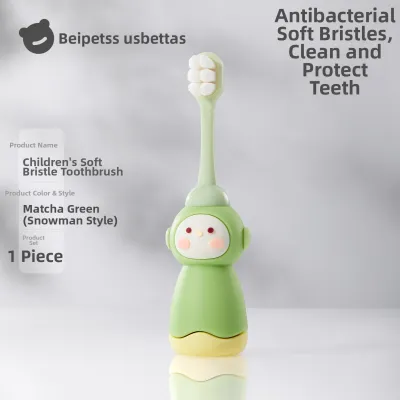
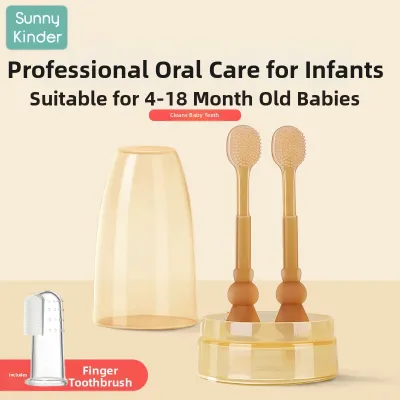
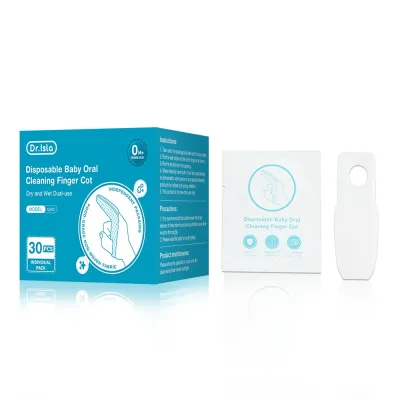
Prices are valid at publication and may change. Please refer to the product page for the latest price.
Using an adult or older-child toothbrush on an infant is highly unsafe and ineffective. The oral cavity of a baby is incredibly small, and the tissues lining the gums and cheeks are highly sensitive. Standard toothbrushes have heads that are far too large, which can easily cause gagging or bruising. Furthermore, the bristles on older-child or adult brushes are typically too stiff for a baby’s delicate gums, risking micro-scratches that can cause pain and invite bacterial infections. Infant-specific tools are engineered with these physical limitations in mind, featuring ultra-soft materials and safety barriers.
While every child develops at their own pace, tooth eruption generally follows a predictable timeline. Most infants experience their first tooth eruption around six months of age, usually starting with the lower central incisors. By twelve months, multiple upper and lower front teeth typically emerge, allowing the baby to begin biting and exploring different food textures. Between twelve and twenty-four months, the first primary molars begin to break through the gums at the back of the mouth. Tracking these physical milestones, rather than relying solely on age in months, is the most reliable way to determine when to upgrade your baby’s oral care tools.
Stage 1: Pre-Teeth and First Tooth Eruption (0–6 Months)
Before any teeth visible break through the gums, oral care focuses on maintaining a clean environment and relieving teething discomfort. During this pre-teeth stage, milk residue from breastmilk or formula can build up on the tongue and gums, occasionally leading to oral issues if left uncleaned. For infants in this stage, a soft, damp washcloth, a specialized oral wipe, or a silicone finger brush is the ideal tool. These tools allow you to gently sweep away residue while massaging the gums to ease the pressure of upcoming teeth.

When selecting a finger brush, material safety is of utmost importance. Look for products made entirely from high-quality, food-grade silicone. It is essential to verify that the packaging explicitly states the product is free from Bisphenol A (BPA) and other potentially harmful chemical additives. Silicone is highly flexible, durable, and gentle on tender tissues, making it the perfect material for early oral stimulation. Because these items go directly into your baby’s mouth, checking these material certifications on the manufacturer’s packaging is a critical step for every caregiver.
Safety during use requires careful attention to fit and condition. A silicone finger brush must fit securely and snugly on your index finger. If the brush is too loose, it can easily slip off during use, presenting a serious choking hazard for your infant. Always inspect the finger brush before each session, stretching it slightly to check for any tears, cracks, or signs of wear. In the warm, humid climate of the Philippines, silicone tools can easily trap moisture in small crevices. To maintain hygiene, wash the finger brush thoroughly with mild soap after every use, rinse it completely, and allow it to air-dry in a well-ventilated area to prevent mold or bacterial growth.
Stage 2: Multiple Teeth and Early Chewing (6–12 Months)
As your baby transitions to solid foods and more incisors begin to emerge, their natural urge to chew increases significantly. This stage, typically spanning from six to twelve months, is the ideal time to introduce a training toothbrush. These brushes are designed to bridge the gap between passive gum cleaning and active brushing. They feature extra-soft bristles—often made of rounded nylon or soft silicone—and short, thick handles that are easy for small, developing hands to grasp and hold.
One of the most critical safety features to look for in a training toothbrush is a built-in choke guard. This is usually a wide, circular shield or a flared handle base that prevents the brush from being pushed too far back into the baby’s throat. Because infants at this stage lack developed motor control, they will naturally try to shove objects deep into their mouths. A secure choke guard acts as a physical barrier, protecting your child from accidental gagging or airway obstruction. Always verify that the guard is securely attached and cannot be easily pulled off by a curious baby.
Supervision is mandatory during this stage of oral care. At six to twelve months, your baby will primarily chew on the toothbrush rather than perform any actual scrubbing motions. This chewing behavior is completely normal and helps soothe itchy, swollen gums as new teeth push through. However, you must remain close by to ensure they do not run or crawl with the brush in their mouth, which poses a severe injury risk. After allowing your baby to explore and chew on the brush under your watchful eye, you should take over the tool to gently clean around all sides of the newly erupted teeth.
Stage 3: First Molars and Toddler Transition (12–24 Months)
The arrival of the first primary molars, usually occurring between twelve and twenty-four months, marks a major milestone in your toddler’s oral development. Molars have wide chewing surfaces with deep grooves and pits that easily trap food particles and plaque. Once these back teeth appear, silicone finger brushes and simple training shields are no longer sufficient. You must transition to a standard toddler toothbrush featuring a small, rounded head and multiple rows of extra-soft nylon bristles that can effectively sweep debris out of these deep crevices.
Handle ergonomics become increasingly important during this transitional phase. Toddlers are eager to assert their independence and will often insist on brushing their own teeth. Look for a toothbrush with a dual-grip handle design. These handles are thick and textured enough for a toddler’s small hands to hold securely, yet long enough for a parent to comfortably grip at the same time. This allows you to guide their hand movements, teaching them the correct brushing angles while ensuring that the teeth are actually being cleaned thoroughly.
Because toddlers often bite down hard on the brush head during cleaning, you must monitor the condition of the bristles closely. Aggressive chewing can cause nylon bristles to fray, bend, or split much faster than they would during normal adult use. Frayed bristles lose their ability to clean effectively and can scrape the delicate gum line, causing discomfort. Inspect the brush head weekly; if you notice the bristles are splaying outward or losing their shape, it is time to replace the toothbrush immediately to maintain both safety and cleaning efficiency.
Key Features to Check Before Buying Any Baby Toothbrush
When shopping for a baby toothbrush, it is easy to get distracted by bright colors, cartoon characters, and marketing claims. To ensure you are choosing a tool that is both safe and effective, you should focus on a few practical, verifiable design features. Evaluating these physical characteristics yourself will help you make an informed decision without relying on brand advertisements.
- Bristle Softness: Before using any brush on your baby, physically test the bristles. Press them gently against your own inner wrist or along your sensitive gum line. The bristles should feel incredibly soft, flexible, and yielding. If they feel stiff, scratchy, or sharp, they are too harsh for an infant's mouth and should not be used.
- Head Size and Shape: The brush head must be small enough to fit comfortably inside your baby's cheek pocket and reach the very back teeth without forcing their mouth open uncomfortably wide. Look for a head with a rounded shape and, ideally, a rubberized or padded back to cushion accidental bumps against the gums and cheeks.
- Material Safety: Carefully read the product packaging to verify that all materials are non-toxic and safe for oral use. Look for clear labels indicating the absence of BPA, phthalates, and heavy metals. Because safety standards and product recalls can change, make it a habit to verify these material claims through trusted consumer safety databases or official manufacturer documentations.
- Packaging and Hygiene: Only purchase toothbrushes that are sold in completely sealed, tamper-evident packaging. This ensures the brush remains sterile and free from dust or contaminants before its first use. In humid environments, consider brushes that include a breathable, ventilated protective cap or those designed with a suction-cup base that allows the brush to stand upright to dry quickly.
Building a Safe and Effective Baby Oral Care Routine
Establishing a consistent oral care routine is just as important as choosing the right toothbrush. Pediatric dental guidelines generally recommend introducing a tiny smear of fluoride toothpaste—about the size of a single grain of rice—as soon as the first teeth begin to erupt. However, because local water fluoridation levels and individual cavity risks vary, you should always consult a pediatric dentist to verify the appropriate toothpaste type and amount for your specific child. This professional guidance ensures your baby receives the protective benefits of fluoride without the risk of mild fluorosis.
Consistency is key to building a lifelong habit. You should aim to brush your baby’s teeth twice a day: once in the morning after breakfast, and once right before bed. The bedtime brushing session is particularly critical. During sleep, salivary flow decreases significantly, reducing the mouth’s natural ability to wash away food particles and neutralize acids. Leaving milk residue or food on the teeth overnight creates an environment where plaque can rapidly accumulate, increasing the risk of early childhood caries.
Maintaining the hygiene of the toothbrush itself is a vital part of the routine. In the tropical, high-humidity climate of the Philippines, damp toothbrushes can easily become breeding grounds for mold and bacteria. After each brushing session, rinse the brush thoroughly under running water to remove all remaining toothpaste and debris. Shake off excess water and store the brush upright in an open, well-ventilated area to dry completely. Never store a wet toothbrush in a closed container or travel case. Replace the toothbrush every two to three months, or immediately if your baby has recently recovered from an illness, to prevent the reintroduction of bacteria into their mouth.
Frequently Asked Questions (FAQ)
When should I start using toothpaste with a baby toothbrush?
You can begin using a tiny smear of toothpaste as soon as your baby’s first tooth erupts through the gums. For children under two years old, this smear should be no larger than a single grain of rice. Because every child’s oral health needs are unique, it is highly recommended to consult a pediatric dentist. They can evaluate your baby’s specific cavity risk and provide personalized advice on whether to use fluoride or fluoride-free toothpaste based on your local water supply and dietary habits.
How often should I replace my baby's toothbrush?
Generally, a baby’s toothbrush should be replaced every two to three months. However, you should replace it much sooner if you notice visual signs of wear, such as splayed, bent, or missing bristles. Because babies frequently chew on their brushes, the bristles can wear out rapidly. Additionally, you should always discard and replace the toothbrush immediately after your baby recovers from an infectious illness, such as a cold, flu, or oral thrush, to prevent reinfection.
Can I use a regular soft toothbrush for a 1-year-old?
No, you should not use a regular soft toothbrush designed for older children or adults for a one-year-old. Even if the bristles are labeled as soft, the brush head is far too large for a toddler’s small mouth, which can cause gagging, pain, and accidental injury to the gums. Furthermore, the handles of regular brushes are not designed for a parent to guide or for a toddler to grip safely. Always choose a brush specifically labeled for the infant or toddler age range to ensure proper sizing and safety features.

Community discussion
Share your experience or ask a question. Comments are reviewed before publication.