
Introducing solid foods and transitioning your baby away from the breast or bottle is a major milestone in your parenting journey. In the warm, tropical climate of the Philippines, keeping your little one hydrated becomes an even higher priority as they begin to explore new textures and flavors. A baby sippy cup with a straw is often recommended by pediatricians and speech therapists alike, as it encourages proper oral motor development and helps prevent spills. Choosing the right cup involves understanding your baby’s physical readiness, evaluating the design features that match their current skills, and verifying the safety of the materials.
By focusing on how your baby interacts with their tableware, you can select a cup that minimizes frustration and supports their natural developmental timeline. This guide walks you through the essential factors to consider, from flow mechanisms and material safety to cleaning routines that prevent mold in humid environments, ensuring a smooth and safe transition to independent drinking.
Recognizing Developmental Readiness for a Straw Cup
Before purchasing your first straw cup, it is helpful to observe your baby’s physical milestones to ensure they are ready for this new skill. Drinking from a straw requires a complex coordination of sucking, swallowing, and breathing, which is quite different from the suckling reflex used during breastfeeding or bottle-feeding.
Products mentioned in this guide
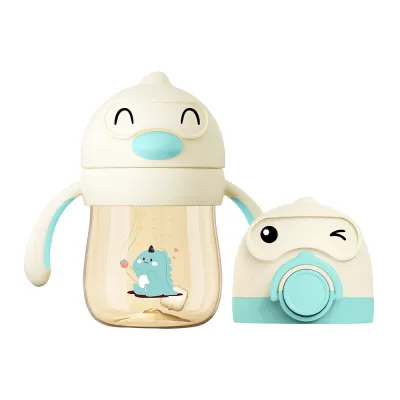

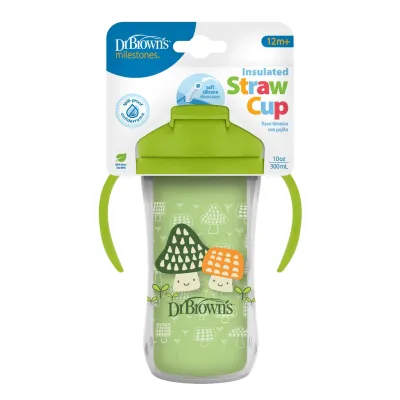
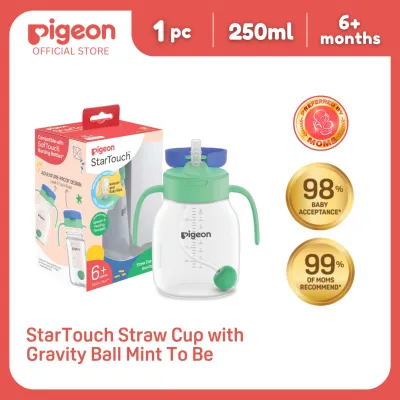
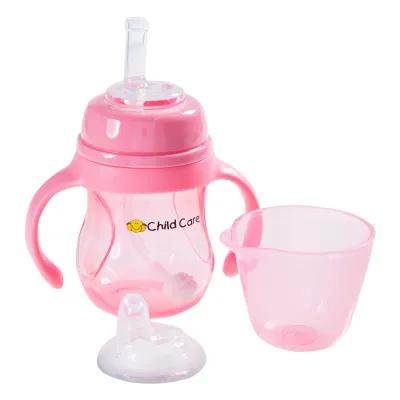
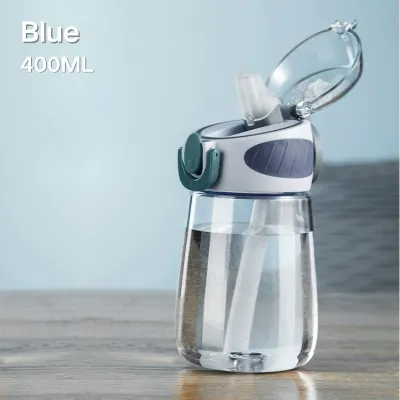
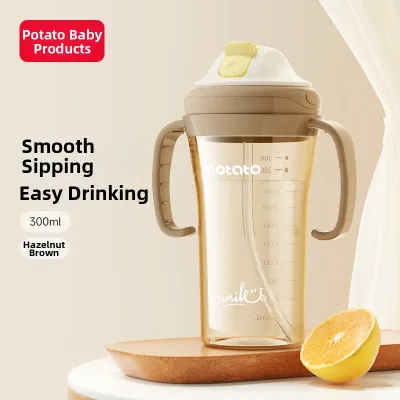
Prices are valid at publication and may change. Please refer to the product page for the latest price.
One of the primary indicators of readiness is stable physical posture. Your baby should be able to sit upright independently in a high chair with stable head control. This posture not only ensures safety while swallowing liquids but also allows your baby to use their hands freely to reach for and hold a cup. Coordinated reaching and grasping are also key signs; if your baby is actively reaching for your own water glass or attempting to hold their bottle, they are likely developing the motor control needed to manage a straw cup.
While age ranges are general guidelines rather than strict rules, many infants show readiness for a straw cup between six and nine months of age, coinciding with the introduction of solid foods. Some babies may transition slightly earlier or later, and it is always best to follow your child’s unique pace rather than a rigid calendar.
You might also notice behavioral cues that suggest your baby is ready for a change. If they begin to show frustration with their usual bottles, bite down on bottle nipples, or express intense curiosity about what you are drinking, these are excellent indicators that they are looking for a more mature drinking method. Introducing a straw cup at this stage can channel their natural curiosity into a positive learning experience.
Evaluating Cup Design and Straw Mechanisms
When browsing online marketplaces or local baby boutiques, you will quickly realize that straw cups are not all designed the same way. The internal mechanism of the straw plays a significant role in how easily your baby can draw liquid and how well the cup resists spills.

Valved straws are designed with a small cross-cut or valve inside the silicone tip that remains closed until your baby applies pressure with their lips or tongue. This design is highly effective at preventing leaks, making it a favorite for parents who want to avoid messy cleanups on living room floors or inside diaper bags. However, valved straws require a stronger sucking force, which can sometimes frustrate a baby who is just learning how to use a straw. In contrast, open or free-flow straws allow liquid to move freely without resistance. While open straws are much easier for a baby to drink from and are often preferred by speech-language pathologists for promoting natural swallowing patterns, they are highly prone to spilling if the cup is tipped over or dropped.
Ergonomics are equally important when selecting a cup for a weaning infant. Look for designs that feature easy-grip, removable handles that fit comfortably in small hands. These handles help your baby build the hand-eye coordination necessary to lift the cup to their mouth independently. Additionally, weighted straws are an incredibly useful feature for younger babies. A small weight at the bottom of a flexible silicone straw ensures that the end of the straw remains submerged in the liquid, even when your baby tilts the cup upside down or drinks while reclining.
As you evaluate these features, you will need to balance the convenience of a leak-proof design against your baby’s learning curve. If your baby is easily discouraged, starting with a free-flow straw during supervised high-chair meals can help them grasp the concept of suction quickly. Once they understand how to draw liquid, you can transition them to a valved, leak-proof cup for daily use and travel.
Verifying Material Safety and Product Labels
Ensuring the safety of the materials that enter your baby’s mouth is a non-negotiable step for any parent. Because baby products are subject to wear, heat, and frequent washing, you must look closely at product packaging and manufacturer specifications rather than relying on attractive designs or vague marketing claims.
Always verify that the cup is explicitly labeled as BPA-free (bisphenol A). To ensure comprehensive safety, look for labels indicating the product is also free from BPS (bisphenol S) and PVC (polyvinyl chloride), which are chemical compounds sometimes used as substitutes in lower-quality plastics. These markings should be clearly printed on the outer packaging or molded directly onto the bottom of the cup itself. In the local market, high-quality, certified straw cups typically range from ₱300 to ₱1,200 depending on the material and brand reputation.
The choice of cup material affects its durability, weight, and how well it handles sterilization. Polypropylene (PP) is a common, lightweight, and affordable plastic that is generally durable but can become cloudy over time with frequent washing. Polyphenylsulfone (PPSU) is a medical-grade plastic known for its high temperature resistance and extreme durability, making it an excellent choice if you plan to use steam or UV sterilizers frequently, though it typically comes at a higher price point. Silicone is highly flexible, drop-resistant, and gentle on developing gums, but it can sometimes retain food odors if not cleaned thoroughly. Tritan is another popular co-polyester that offers the clarity of glass without the risk of shattering, making it easy to monitor how much liquid your baby has consumed.
When shopping, be vigilant against potential red flags. Avoid products that lack clear manufacturer details, contact information, or age-grading labels. In the Philippines, reputable brands will often feature clear distributor information on the packaging, indicating that the product has met local import and safety standards. If a product’s packaging is entirely devoid of English instructions or safety certifications, it is best to choose an alternative to ensure your baby’s safety.
Establishing Cleaning Routines to Prevent Mold
The warm and highly humid climate of the Philippines creates an ideal breeding ground for bacteria and mold, particularly in the small, damp crevices of baby bottles and straw cups. Establishing a rigorous, daily cleaning routine is essential to protect your baby’s developing immune system from contamination.
To clean a straw cup effectively, you cannot rely on a standard sponge or dishwasher alone. You will need specialized cleaning tools, such as ultra-thin pipe cleaners or dedicated straw brushes, which are often sold in baby care kits. These thin brushes allow you to scrub the entire length of the silicone straw and clean out any milk or juice residue that may have accumulated inside the valve mechanism. When washing, disassemble the cup completely, removing the straw, the lid gasket, the handles, and the weight, as moisture trapped between these interlocking parts is the primary cause of mold growth.
Your daily routine should involve washing all disassembled parts in warm, soapy water immediately after use, followed by a thorough rinse. For periodic deep-cleaning, consult the manufacturer’s instructions to verify which sterilization methods are safe for your specific cup. While some materials can withstand boiling water or steam sterilization, others may warp or degrade under high heat. If you use a UV sterilizer, ensure that the cup’s materials are rated as UV-safe, as prolonged exposure to UV light can cause certain plastics to become brittle.
Regularly inspect the cup components during assembly. Perform a visual and tactile check: look for any signs of black spots or discoloration inside the straw, feel for sticky residues that do not wash away, and check for cracks or deep bite marks on the silicone mouthpiece. If you notice any degradation, or if the straw loses its suction due to wear, replace the straw or the entire cup immediately to prevent your baby from accidentally swallowing small pieces of silicone.
Planning the Transition to Open Cups
While straw cups are an excellent developmental step and a highly convenient option for busy parents, they are not meant to be a permanent solution. Understanding when and how to transition your child to an open cup is important for their long-term oral health and speech development.
Prolonged reliance on straws or spouted sippy cups can influence the alignment of your baby’s primary teeth and the development of their facial muscles. Speech-language pathologists often recommend introducing open cups alongside straw cups to help babies learn the mature swallowing pattern required for speech. Drinking from an open cup forces the tongue to retract and the jaw to stabilize, which helps build the muscle tone necessary for clear articulation later in life.
You can look for specific signs of readiness that indicate your baby is capable of practicing with an open cup. If your baby has mastered the hand-eye coordination to bring a straw cup to their mouth without spilling, shows an interest in drinking directly from your cup, or begins to bite down excessively on their silicone straws rather than sucking, they may be ready to try an open cup.
To make the transition manageable, start by introducing a small, open cup made of silicone or durable plastic during supervised meal times. Fill it with a very small amount of water—just a tablespoon or two—to minimize the mess when spills inevitably occur. You can gently guide the cup to your baby’s lips to help them understand the tipping motion. Keep the straw cup handy for travel, active play, or situations where spills are highly inconvenient, but aim to make the open cup the standard choice during family meals at the dining table.
Frequently Asked Questions (FAQ)
Can I put hot liquids in a baby sippy cup with a straw?
No, you should avoid putting hot liquids in a baby straw cup. Drawing hot liquid through a straw can cause it to bypass the front of the mouth and go directly to the back of the throat, significantly increasing the risk of severe burns. Additionally, sealing hot liquids inside a straw cup can create pressure buildup, causing the liquid to spray out unexpectedly when the straw is opened. Always check the manufacturer’s temperature limits and ensure liquids are lukewarm or cool before serving.
How often should I replace the straw or the entire cup?
As a general guideline, silicone straws and valves should be replaced every two to three months, or sooner if you observe signs of wear. Inspect the parts regularly for deep bite marks, tears, discoloration, or persistent mold that cannot be cleaned. The hard plastic or metal body of the cup can last much longer, often up to a year or more, provided it remains free of deep scratches, cracks, or structural damage that could harbor bacteria.

Community discussion
Share your experience or ask a question. Comments are reviewed before publication.