
Quick Answer: Which Nasal Aspirator Fits Your Baby?
Infant nasal congestion can disrupt sleep, feeding, and daily comfort. Choosing the right baby nasal aspirator depends primarily on your child’s age, physical development, and the severity of their congestion. For newborns with delicate nasal passages and mild, watery mucus, a classic manual bulb syringe offers a gentle, low-pressure solution. When congestion becomes moderate and requires precise, real-time suction control, a manual pump-style (mouth-suction) aspirator allows caregivers to adjust the force instantly. For older infants dealing with thick, stubborn mucus or frequent seasonal colds, an electric nasal aspirator provides consistent, motorized suction that clears airways quickly before a baby can resist. Matching the device to your baby’s specific developmental stage and mucus type ensures safe, efficient clearing while protecting sensitive nasal tissues.
Understanding the Three Main Types of Baby Nasal Aspirators
Before selecting a device, caregivers must understand how different aspirators function, as their mechanisms directly impact suction control, ease of cleaning, and overall comfort. Each category has distinct design features, operational steps, and maintenance requirements that suit different parenting styles and infant needs.

Manual Bulb Syringes
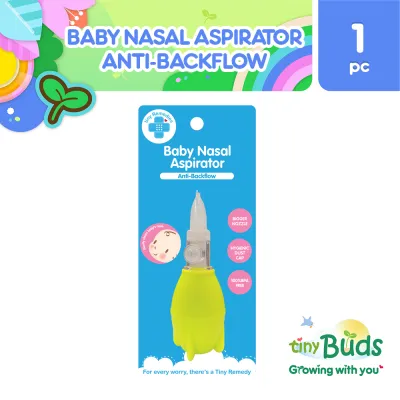
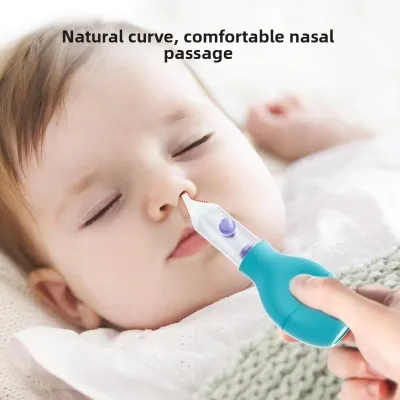
The manual bulb syringe is the traditional tool used in pediatric care. Its operation relies on a simple squeeze-and-release mechanism: the caregiver compresses the rubber bulb, gently inserts the narrow tip into the baby’s nostril, and slowly releases the bulb to create a vacuum that draws out loose mucus. This tool is highly suitable for light, watery mucus and very young infants whose nasal passages are exceptionally narrow and sensitive. Because the suction is entirely dependent on how quickly and deeply the bulb is released, it provides a soft, low-pressure draw. However, manual bulb syringes have notable limitations. The suction strength is difficult to adjust precisely mid-use, and the opaque, one-piece design of traditional bulbs makes it nearly impossible to inspect the interior. This creates a high risk of mold and bacterial growth if the device cannot be thoroughly dried or opened for cleaning.
Products mentioned in this guide

Prices are valid at publication and may change. Please refer to the product page for the latest price.
Manual Pump-Style Aspirators
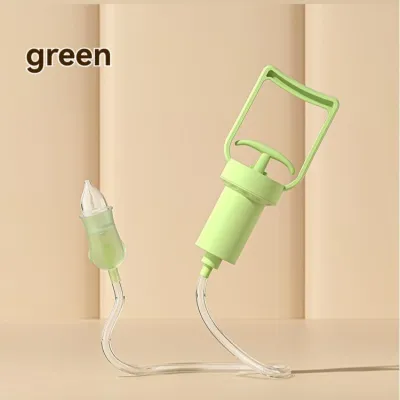
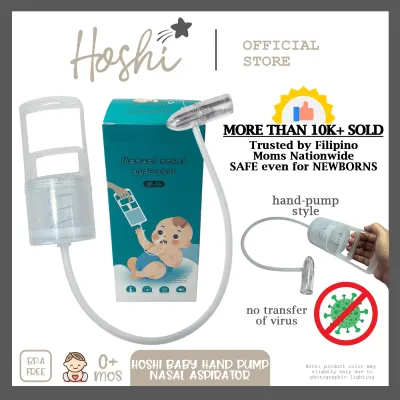
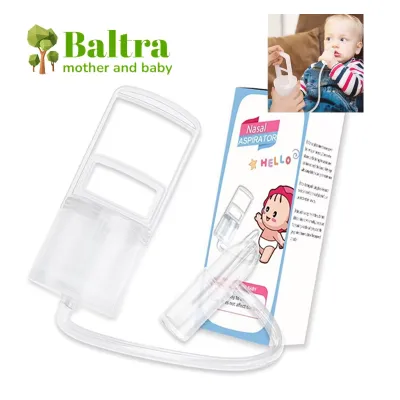
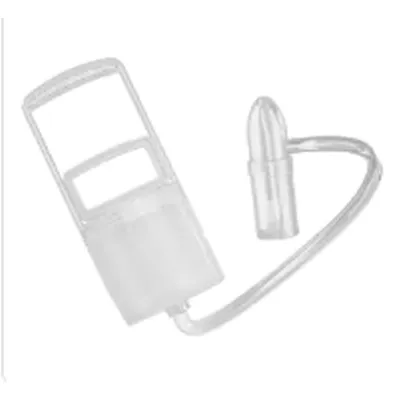
Manual pump-style aspirators, often referred to as mouth-suction devices, utilize the caregiver’s own breath to generate suction. The device consists of a soft silicone tip placed at the baby’s nostril, a flexible tube, a collection chamber, and a mouthpiece for the caregiver. By inhaling through the mouthpiece, the caregiver can instantly adjust the suction force, making it highly responsive to the baby’s comfort level and the mucus consistency. A critical component of this design is the hygiene filter barrier located inside the collection chamber, which prevents mucus, bacteria, and viruses from traveling up the tube into the caregiver’s mouth. Before every single use, caregivers must verify that this filter is properly positioned and undamaged. This type is ideal for moderate congestion, as it combines the safety of manual control with a highly efficient, targeted draw.
Electric Nasal Aspirators
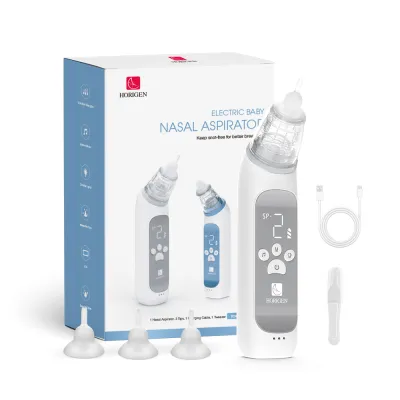
Electric nasal aspirators use a small, battery-operated or rechargeable motor to generate continuous, automated suction. These devices typically feature multiple suction levels that can be adjusted with the press of a button, allowing parents to scale the power based on the thickness of the mucus. While highly efficient, the operational noise of the motor is an important consideration, as some sensitive babies may find the humming sound or vibration startling. A major advantage of electric aspirators is their ease of cleaning; they generally feature detachable silicone tips and isolated collection cups that can be easily washed and sterilized. This automated approach makes electric models the most practical option for clearing thick, stubborn mucus, managing frequent respiratory issues during rainy seasons, or treating older babies who actively squirm and resist manual suction methods.
How to Match the Aspirator to Your Baby's Age and Congestion
Selecting the right baby nasal aspirator requires balancing your child’s physical development with the nature of their congestion. A newborn’s nasal anatomy is vastly different from that of a toddler, and what works for a light sniffle may fail against thick, stubborn mucus.
For newborns aged zero to three months, protecting delicate nasal tissues is paramount. Because newborns are obligate nose breathers, minor blockages can severely disrupt feeding and sleep. Their nasal passages are exceptionally narrow, making them highly susceptible to swelling from aggressive suction. Caregivers should prioritize gentle suction tools with small, soft silicone tips. A manual bulb syringe or a gently operated pump-style aspirator is ideal for this sensitive stage.
By four months and older, infants grow stronger and more resistant to nasal clearing. They often squirm or push the device away, which can increase distress and mucus production. For these active babies, speed and efficiency are critical. Electric nasal aspirators are highly effective because they clear airways in seconds, minimizing discomfort. Older infants also produce a wider range of mucus consistencies, from thin allergy fluid to thick cold mucus, requiring a more versatile device.
Match suction strength directly to mucus thickness. Mild congestion, often caused by dry air-conditioned rooms, produces thin secretions easily cleared with a manual bulb syringe or light mouth suction. Conversely, severe congestion from seasonal colds or viral infections results in thick, sticky mucus blocking deeper passages. This requires the consistent, sustained suction of an electric aspirator or a robust pump-style device, typically paired with a softening agent.
To apply this decision framework effectively:
- Choose a manual bulb syringe if the baby is a newborn, the congestion is mild, and you require a simple, low-cost tool for occasional use.
- Choose a manual pump-style aspirator if you want complete, real-time control over the suction force and need to clear moderate, sticky mucus safely.
- Choose an electric nasal aspirator if your baby is older, has thick or frequent mucus, or actively resists manual tools, making a fast, automated process necessary.
- Verify pediatrician advice before using any nasal aspirator if your baby was born prematurely, has a history of nosebleeds, or has underlying respiratory or cardiac conditions.
Comparison Checklist: What to Verify Before Buying
When shopping for a baby nasal aspirator on local e-commerce platforms or in baby specialty stores, comparing product specifications is essential to ensure safety, value, and ease of use. Parents should look beyond brand names and focus on concrete design features. Use this checklist to evaluate your options:
- Suction Power and Noise Levels: Check the manufacturer's specifications for adjustable suction settings. For electric models, look for devices that offer multiple speed levels so you can start low and increase power only as needed. Verify the operational noise level, ideally choosing a model rated below 50 to 60 decibels to prevent startling your baby during nighttime use.
- Tip Materials and Sizes: Ensure the contact tips are made of soft, medical-grade silicone rather than rigid plastic, which can scratch delicate nasal membranes. Verify that the package includes multiple tip shapes and sizes—such as a narrow, elongated tip for newborns and a wider, bulbous tip to prevent deep insertion in older infants.
- Filter Mechanisms and Maintenance Costs: For manual pump-style aspirators, check how many hygiene filters are included in the initial purchase and verify the availability and cost of replacement filters (typically ranging from ₱100 to ₱300 per pack). For electric models, check if the internal vacuum pump is protected by a washable barrier or if it requires proprietary replacement parts, which can increase long-term maintenance costs.
- Power Sources and Waterproof Ratings: If choosing an electric model, consider whether you prefer a USB-rechargeable battery for portability or a model that uses standard replaceable batteries. Verify the device's waterproof rating; a high rating (such as IPX7 for the washable components) ensures you can safely rinse the suction head and collection chamber under running water without damaging the internal motor.
Safe Usage, Cleaning, and When to Seek Medical Help
Using a baby nasal aspirator correctly is just as important as choosing the right type. Improper technique or excessive use can irritate your baby’s nasal passages, leading to swelling, increased mucus production, or minor bleeding.
Proper technique is vital; improper or excessive use can irritate delicate nasal passages, causing swelling or minor bleeding. Limit aspiration to three or four times daily, ideally right before feedings and bedtime to help your baby nurse and sleep comfortably. If congestion persists, consult a healthcare professional rather than increasing suction frequency.
Hygiene is critical to prevent mold and bacterial growth. Disassemble and clean the device after every use:
- For bulb syringes: Flush the interior with warm, soapy water, shake, squeeze out, and dry tip-down. Discard opaque bulbs if you suspect internal mold.
- For pump-style aspirators: Wash the silicone tip, chamber, and tubing in warm, soapy water. Sterilize according to instructions and replace the single-use filter.
- For electric aspirators: Wash the detached silicone tip and collection cup. Wipe the motor unit with a damp cloth; never submerge it unless rated fully waterproof. Let all parts air-dry completely before reassembly.
While nasal aspirators are excellent tools for home care, they do not replace professional medical evaluation. Stop using the device immediately and seek prompt medical attention from a pediatrician if you observe any of the following red flags:
- Active nasal bleeding that does not stop quickly.
- A persistent high fever or a fever in a newborn under three months of age.
- Signs of breathing difficulty, such as rapid breathing, flaring nostrils, or chest retractions (where the skin sucks in tightly around the ribs or collarbone).
- Extreme, inconsolable distress or lethargy during or after the aspiration process.
Frequently Asked Questions (FAQ)
Can I use a nasal aspirator on a newborn every day?
Yes, but limit daily use to two or three times, specifically before feedings and sleep, to protect delicate nasal linings. Overuse can cause tissue swelling, worsening congestion. Watch for signs of irritation like redness, swelling, or tiny blood specks in the mucus. If these occur, stop using the device and consult your pediatrician.
Do electric aspirators provide enough suction for thick mucus?
Electric models handle most mucus, but thick secretions require preparation. Always check motor specifications and use adjustable settings. To clear thick mucus, first administer one to two drops of sterile, isotonic saline nasal drops into each nostril. This loosens the mucus, allowing the electric aspirator to sweep it away easily.
How do I know if the suction is too strong for my baby?
Observe your baby’s reactions and physical signs. Intense crying, gasping, or violent struggling suggests the suction is too high. After use, check the nasal lining; redness, swelling, or minor bleeding indicates excessive force. If these occur, lower the electric setting, reduce your inhalation force on a pump-style model, or switch to a bulb syringe.

Community discussion
Share your experience or ask a question. Comments are reviewed before publication.