
Selecting the right baby milk powder storage bag or container depends entirely on how long you plan to be away from home and the specific environment of your outing. For quick errands around town, lightweight disposable portion bags or compact single-use pods offer the ultimate space-saving convenience. When you are planning full-day trips or traveling longer distances, multi-compartment reusable dispensers provide the structured organization needed to manage multiple feeds without clutter. Navigating tropical humidity and warm outdoor temperatures requires a careful look at sealing mechanisms and material durability to keep your baby’s formula dry and safe.
Assessing Your Outing Routine and Feeding Needs
To find the most practical storage solution, start by evaluating your typical daily schedule and travel habits. A parent who only leaves the house for brief doctor visits or quick trips to the local market will have very different requirements than a family embarking on a full-day road trip or navigating a busy airport. Understanding your routine helps you avoid carrying unnecessary bulk while ensuring you always have enough formula on hand.
Begin by categorizing your trips by duration. Short outings of one to three hours generally require only a single feed, meaning you can prioritize ultra-lightweight, minimal options. In contrast, full-day excursions lasting six hours or more demand multiple pre-measured portions, which makes organized, high-capacity storage essential.
Products mentioned in this guide
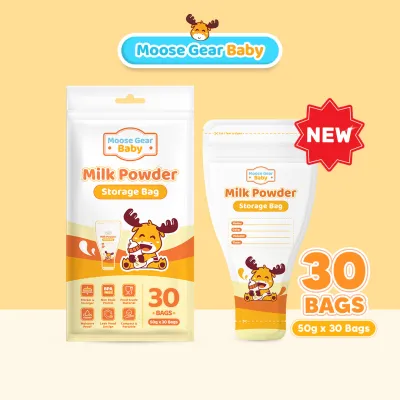
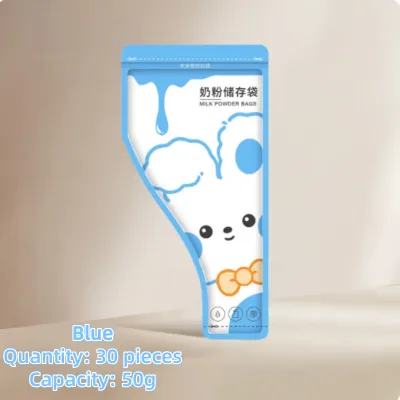
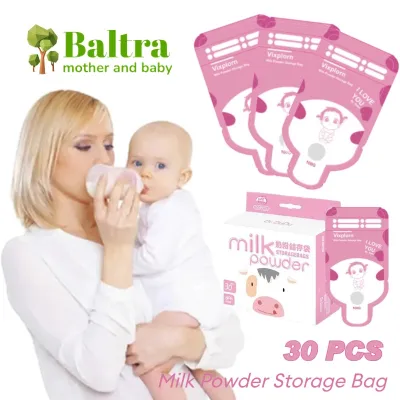
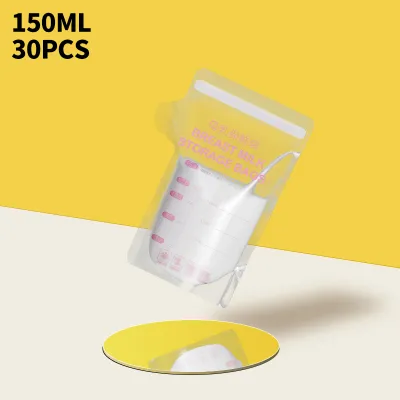
Prices are valid at publication and may change. Please refer to the product page for the latest price.
Next, consider your baby’s feeding frequency and the total number of bottles needed during your time away. If your baby feeds every three hours, a six-hour trip means preparing at least two full servings, plus an extra backup portion for unexpected delays. This calculation directly dictates the physical capacity you need from your storage gear.
Diaper bag space constraints are another critical factor. If your diaper bag is already packed with diapers, wipes, change mats, and spare clothes, bulky plastic containers might not fit easily. In such cases, flexible, flat-packing disposable bags can free up valuable space.
Finally, reflect on your personal caregiving preferences regarding maintenance. Reusable containers require thorough washing, sterilizing, and complete air-drying after every single use. If your daily schedule leaves little time for extra dishwashing, or if you lack access to clean water while traveling, disposable portion bags offer a convenient alternative that reduces your post-trip chore list.
Matching Storage Types to Specific Outing Scenarios
Choosing the right storage method involves matching your specific travel scenario with the appropriate container design. Each option presents distinct trade-offs between daily convenience, physical capacity, and environmental impact. By understanding these differences, you can select the most efficient tool for every journey.

Quick Errands and Short Daily Trips
For brief outings lasting between one and three hours, your primary goal is to minimize bulk and weight. Carrying a large, multi-compartment dispenser for a single feed is often unnecessary and takes up valuable space in a compact diaper bag or stroller organizer.
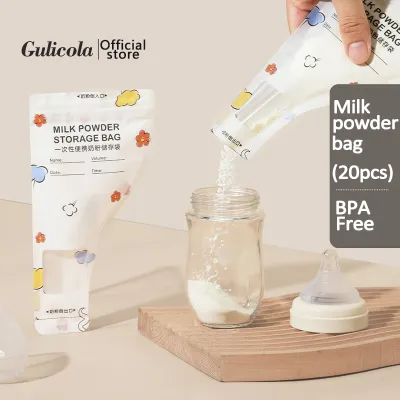
During these short trips, disposable portion bags or small, single-use reusable pods are highly effective. These options allow you to pre-measure a single serving of formula at home, ensuring you can quickly prepare a bottle without carrying extra weight. Pre-measuring also eliminates the need to scoop powder in public spaces, which can be challenging and unhygienic.
Before tossing any pre-measured container into your diaper bag, always verify its seal integrity. A loose zipper or a poorly fitted lid can easily fail when jostled against keys, wallets, or toys. In warm, humid climates, spilled formula powder can quickly turn into a sticky mess that is difficult to clean out of fabric linings.
Full-Day Outings and Weekend Travel
When you plan to be away from home for an entire day or are traveling over the weekend, your storage needs shift toward high-volume capacity and structured organization. Managing three or more feeds requires a system that keeps each portion separate and easily accessible.
Multi-compartment dispensers and larger, airtight reusable containers are ideal for these extended scenarios. Many of these dispensers feature stacking or modular designs, allowing you to screw multiple compartments together into a single, secure tower. This structure prevents different portions from mixing and keeps your diaper bag organized.
Before packing, always verify the container’s total capacity against your baby’s current formula intake requirements. Ensure that each individual compartment can comfortably hold the exact number of scoops needed for a full bottle. If your baby’s feed size has recently increased, a dispenser that is too small will force you to carry multiple half-filled containers, defeating the purpose of a single organized unit.
Frequent Commuting and Air Travel
Navigating transit hubs, security checkpoints, and crowded public transport requires storage solutions that are exceptionally compact, durable, and leak-proof. Travel environments often involve sudden temperature shifts and tight physical spaces that test the limits of your baby gear.
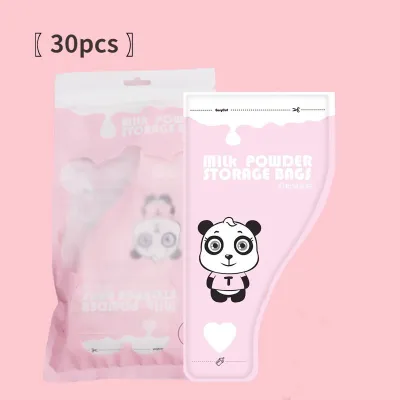
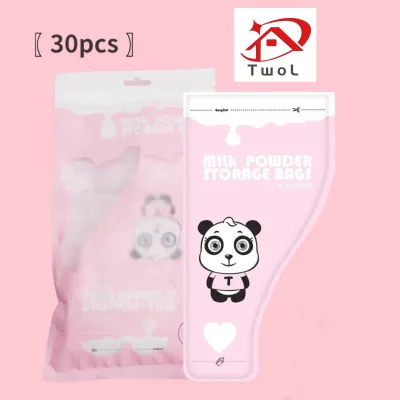
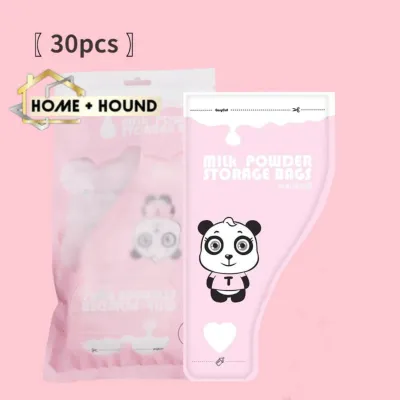
For air travel and long commutes, disposable portion bags are highly advantageous. These bags pack completely flat when empty, allowing you to save significant space on your return journey. Additionally, they are easy to slide into side pockets for quick access during security screenings or while seated in tight cabin spaces.
When traveling, always check the manufacturer’s labels for temperature resistance guidelines. Storing formula containers in hot vehicles, trunk spaces, or cold airplane cargo holds can affect certain plastics. Ensuring your storage choice can withstand these environmental changes helps preserve the quality of the dry powder inside.
Essential Features to Verify Before Purchasing
Not all formula storage options are created equal, and selecting a high-quality product requires looking closely at product packaging and labels. Prioritizing safety, durability, and ease of use will ensure your investment keeps your baby’s food safe and dry.
First, always confirm that the product is made from food-grade materials. Look for explicit “BPA-free” claims and food safety certifications printed directly on the packaging. Because these containers come into direct contact with your baby’s food, verifying these material standards is a non-negotiable step for peace of mind.
Second, carefully examine the sealing mechanism. In humid tropical environments, moisture ingress is a constant challenge that can cause dry powder to clump and spoil. Look for reusable containers equipped with thick silicone rings and secure snap-lock lids, or disposable bags featuring robust double-zipper seals to lock out moisture.
Third, check the manufacturer’s care instructions for cleaning and sterilization compatibility. Some plastics are dishwasher-safe and can withstand steam sterilization, while others may warp or degrade under high heat. Choosing a container that matches your existing home sterilization routine will save you time and prevent accidental damage to the product.
Finally, evaluate the design of the dispensing opening. The funnel or spout should be wide enough to allow the powder to pour smoothly into your baby’s bottle neck without spilling. A poorly designed, narrow opening can cause powder to clog, leading to frustrating spills and inaccurate measurements when you are trying to prepare a bottle on the go.
Safe Handling and Hygiene Practices on the Go
Maintaining strict hygiene standards while away from home is essential to protect your baby’s health. Because dry formula powder is not sterile, proper handling and storage practices are critical to prevent the growth of harmful bacteria.
Always store your formula containers in a cool, dry place away from direct sunlight, high heat, or high humidity. Inside a diaper bag, try to place the formula dispenser in an insulated compartment or alongside a cool pack if you are spending the day outdoors in warm weather. Never leave formula storage bags inside a parked car, as temperatures can rise rapidly and compromise the powder.
Before filling any reusable dispenser, ensure it is completely dry. Even a tiny droplet of leftover water from washing can cause the dry powder to clump, stick to the sides, and create a breeding ground for bacteria. After sterilizing, allow all parts to air-dry completely on a clean rack before reassembling them.
Establish clear stop-use conditions for your storage gear. Inspect reusable plastic containers regularly for fine cracks, deep scratches, damaged silicone seals, or persistent odors that do not disappear after washing. If you notice any of these signs of wear, replace the container immediately to prevent contamination or leaks.
Lastly, always consult your formula manufacturer’s guidelines regarding the maximum time limits for pre-measuring dry powder. While storing dry powder in a sealed container is generally safe for daily outings, keeping pre-measured portions for extended weeks is not recommended. Always mix the powder with clean, safe water according to the manufacturer’s instructions right before feeding.
Frequently Asked Questions (FAQ)
Can I use regular food storage bags instead of specialized formula bags?
Regular household food storage bags are generally not recommended for storing baby formula powder. Specialized baby milk powder storage bags are manufactured with thicker, food-grade plastics designed specifically to resist punctures and micro-tears during travel. They also feature highly secure double-zipper seals that prevent moisture and humidity from entering, whereas standard sandwich bags often have weaker seals that can allow fine powder to leak out or clump.
How do I properly clean and dry multi-compartment dispensers?
To clean a multi-compartment dispenser thoroughly, disassemble all individual sections, lids, and removable silicone seals. Wash each part in warm water using a mild baby bottle cleanser, paying close attention to the threads and corners where powder residue can accumulate. After rinsing, place all components upside down on a clean, well-ventilated drying rack, and ensure they are completely dry before refilling them with formula powder.

Community discussion
Share your experience or ask a question. Comments are reviewed before publication.