
Choosing the right sleeping and soothing arrangement for your baby is one of the most important decisions you will make as a parent. In many homes, the traditional baby duyan, or hammock, is a beloved fixture passed down through generations to soothe restless infants with its gentle, rhythmic motion. However, as infant safety standards evolve, understanding how to balance this comforting motion with essential safety guidelines is crucial for your peace of mind.
The ideal baby duyan changes dramatically as your child grows from a delicate newborn into an active, curious infant. For newborns up to four months old, the priority is absolute structural support, flat sleeping surfaces, and high breathability to protect their developing airways. Once your baby reaches four months and begins to roll or push up, the focus must shift toward robust frames, fall prevention, and secure harness systems. Navigating these transitions ensures your baby remains safe, cool, and comfortable in our warm tropical climate.
Understanding Baby Duyan Types and Safety Baselines
Before selecting a specific model, it is essential to understand the different types of baby duyan available on the market and the safety baselines that govern them. The term “duyan” encompasses a wide range of designs, from traditional suspended cloth hammocks to modern, multi-functional baby gear. Each type serves a distinct purpose, and understanding their structural differences is the first step toward making an informed purchase.
Products mentioned in this guide

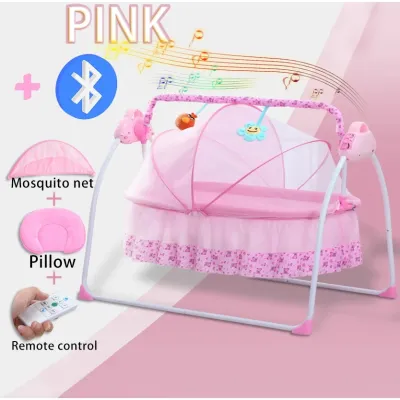
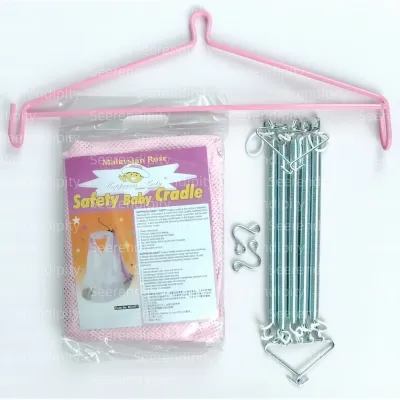
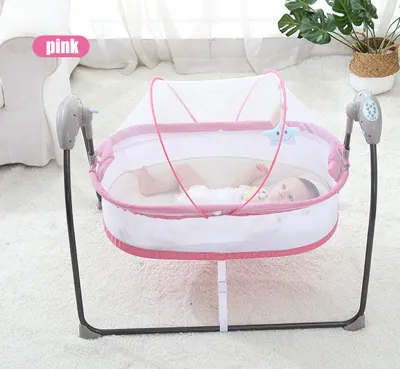
Prices are valid at publication and may change. Please refer to the product page for the latest price.
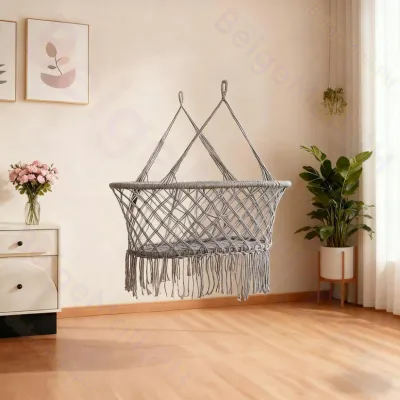
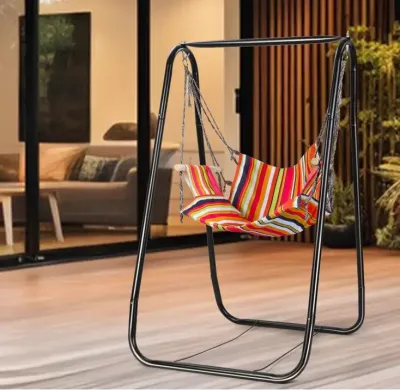
Traditional cloth duyans typically consist of a long piece of fabric suspended from a heavy-duty spring, ceiling beam, or a metal A-frame stand. These are highly favored for their deep, cocoon-like embrace and natural swaying motion, which mimics the womb. However, because they lack a rigid structure, they require constant, active supervision. They are not recommended for unsupervised overnight sleep due to the risk of the fabric bunching around the baby’s face or causing the infant’s chin to drop toward their chest.
Modern freestanding bassinets with duyan features offer a hybrid solution. These products combine the flat, firm mattress of a standard bassinet with a controlled, gentle swaying or gliding mechanism. They provide the soothing motion babies crave while adhering strictly to modern safe-sleep standards. These units often feature mesh side panels that maximize airflow, making them highly suitable for warm, humid environments where temperature regulation is a constant challenge.
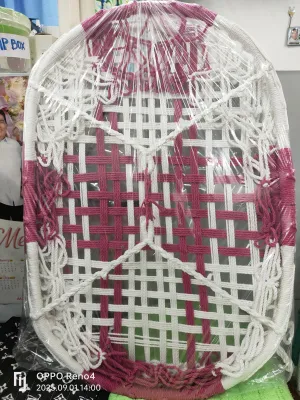
Structured wooden or metal cradles represent another category, offering a classic look with a gentle side-to-side rocking motion. These cradles feature rigid wooden slats or solid frames that keep the sleeping surface perfectly flat and stable. While they lack the portable, lightweight nature of cloth hammocks, they provide a highly durable and secure environment for supervised naps and nighttime rest.
Regardless of the type you choose, several non-negotiable safety baselines must guide your decision. Always verify the manufacturer’s specified weight limits and age recommendations before placing your baby in any duyan. Inspect the structural stability of the frame, ensuring it does not wobble or tip when subjected to gentle pressure. Additionally, prioritize hypoallergenic, breathable materials that prevent heat retention, ensuring your little one stays cool and dry throughout the day.
Selecting a Baby Duyan for Newborns (0–4 Months)
During the first four months of life, a newborn’s physical vulnerability requires a sleeping environment that prioritizes airway protection and spinal alignment. Newborns lack the neck strength to lift their heads if their airway becomes compromised. Therefore, any baby duyan selected for this stage must feature a firm, flat, or very gently contoured base. This structural rigidity prevents the baby’s body from sinking into a deep curve, which can force the chin down onto the chest and restrict breathing.

In the tropical climate of the Philippines, heat and humidity are constant factors that affect infant comfort and skin health. When choosing a newborn duyan, look for fabrics that promote maximum ventilation. Lightweight cotton, bamboo blends, and integrated mesh panels are excellent choices. These materials allow air to circulate freely around your baby, reducing the risk of overheating and preventing the development of painful heat rashes or sweat-induced skin irritation.
A secure, enclosed design is also vital for preventing accidental rolls or slips. Even though newborns cannot roll over independently in their first few weeks, they can wiggle or shift position unexpectedly. The sides of the duyan should be high enough and sufficiently taut to prevent the baby from wedging themselves against the fabric. Avoid models with loose, excess fabric, decorative ribbons, or heavy padding that could pose a suffocation hazard.
Always practice safe sleep guidelines when using any soothing device. Place your newborn on their back for every sleep session, whether it is a quick daytime nap or a longer rest. If you are using a traditional cloth duyan for supervised soothing, ensure you are always in the same room and keeping a watchful eye on your baby’s position. For unsupervised sleep, transition your baby to a flat, firm bassinet or crib surface that meets international safety standards.
Upgrading the Baby Duyan for Older Infants (4+ Months)
As your baby crosses the four-month mark, their physical capabilities change rapidly. They begin to roll over, push up on their hands and knees, and attempt to sit up. These exciting developmental milestones signal that it is time to upgrade or modify your baby duyan setup. An older, more active infant requires a vastly different level of support and security than a stationary newborn.
The primary risk for older infants in a duyan is falls resulting from increased mobility. A traditional, unstructured cloth hammock becomes highly unstable once a baby can roll or push against the sides. The shifting center of gravity can cause the hammock to flip or allow the baby to climb or tumble out. To prevent these hazards, transition your child to a sturdier, more spacious duyan with a reinforced metal frame and rigid side barriers.
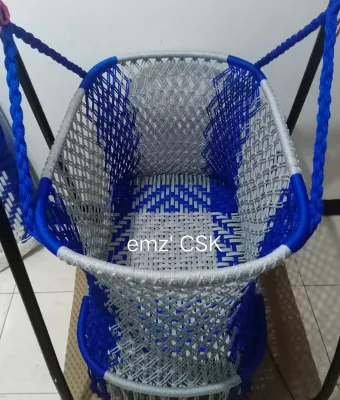
Look for upgraded models that feature higher side rails and integrated, multi-point safety harness systems. A five-point harness is particularly effective for awake soothing and play, as it keeps your baby securely centered and prevents them from sliding or attempting to stand. These structured swing or glide systems allow your older infant to enjoy the comforting motion they love while keeping them safely contained within a robust, tip-proof structure.
Caregivers must remain vigilant and recognize clear stopping conditions for duyan use. If your infant reaches the manufacturer’s maximum weight limit, or if they demonstrate the ability to sit up unassisted or pull themselves up using the sides, you must stop using the duyan immediately. At this stage, the risk of climbing out or tipping the unit over increases exponentially, making a standard crib or a secure playpen the safest environment for your growing child.
Comparison Checklist for Your Final Decision
To help you choose the perfect baby duyan for your household, it is helpful to evaluate your options against a practical set of criteria. Every family’s living space, daily routine, and budget are different, meaning the best choice is the one that aligns seamlessly with your specific lifestyle. Use the following checklist to compare your shortlisted models before making a purchase.
First, consider the space footprint and portability of the unit. If you live in a compact home or plan to move the duyan between rooms, a lightweight, foldable metal frame is highly advantageous. Some modern duyans can be collapsed flat in seconds, making them easy to store under a bed or pack into a car for family trips. Conversely, if you have a dedicated nursery and prefer a permanent fixture, a solid wooden cradle or a heavy-duty freestanding swing may be more suitable.
Second, evaluate the ease of cleaning. In humid climates, baby gear is highly susceptible to sweat, milk spills, and diaper leaks, which can lead to mold, mildew, and unpleasant odors if left unaddressed. Prioritize duyans that feature fully removable, machine-washable fabric covers and mattress protectors. Being able to quickly strip the fabric and toss it into the washing machine is essential for maintaining a hygienic environment for your baby.
Third, assess the long-term usability and adaptability of the product. Some high-end baby duyans are designed to convert into toddler chairs, play seats, or stationary bouncers as your child grows. While these multi-functional models often carry a higher initial price tag, they offer excellent long-term value by extending the product’s lifespan far beyond the infant stage. If you prefer a single-stage solution, a simpler, more affordable model may be the more practical route.
The table below summarizes how the three primary types of baby duyan compare across these essential practical dimensions:
| Duyan Type | Best Suited Age | Portability & Footprint | Ease of Cleaning | Primary Safety Focus |
|---|---|---|---|---|
| Traditional Cloth Hammock | 0–4 Months (Supervised only) | High portability; lightweight foldable frames or ceiling mounts | Moderate; fabric is washable but requires dismantling ropes/springs | Strict supervision required; risk of positional asphyxiation |
| Modern Duyan Bassinet | 0–5 Months (Or until rolling/pushing up) | Moderate portability; often features wheels or a folding frame | High; typically features removable, machine-washable covers | Firm, flat mattress; breathable mesh sides for safe sleep |
| Structured Cradle / Swing | 0–8+ Months (Depending on weight limits) | Low portability; larger footprint, permanent nursery furniture | Moderate; spot-cleaning or removable fabric liners | Sturdy, tip-proof frame; secure harness systems for older infants |
Frequently Asked Questions (FAQ)
Is it safe for a newborn to sleep in a traditional cloth duyan overnight?
No, it is not safe for a newborn to sleep in an unstructured, traditional cloth duyan overnight or during any unsupervised sleep period. Because these hammocks lack a rigid, flat base, they naturally curve under the baby’s weight. This curved position can cause the newborn’s heavy head to tilt forward, pressing their chin against their chest and potentially blocking their delicate airway—a condition known as positional asphyxiation. Additionally, the loose fabric can easily bunch up around the baby’s face, presenting a serious suffocation hazard. For safe overnight sleep, always place your newborn on their back on a firm, flat mattress in a bassinet or crib that complies with modern safety standards, and consult your pediatrician for specific safe-sleep guidelines.
When is the right time to stop using a baby duyan entirely?
You should stop using a baby duyan entirely when your child reaches any of the physical or developmental thresholds specified by the manufacturer, or when they show signs of increased mobility. Key milestones that require an immediate transition include rolling over, pushing up on their hands and knees, sitting up unassisted, or attempting to climb out of the unit. Additionally, you must retire the duyan as soon as your baby reaches the maximum weight or height limit indicated in the product’s instruction manual. Continuing to use a duyan past these milestones poses a severe risk of falls, tipping, or structural failure, making a standard crib or playpen the necessary next step for your child’s safety.

Community discussion
Share your experience or ask a question. Comments are reviewed before publication.