
Starting your baby on solid foods is a major milestone that brings both excitement and a fair share of daily mess. As you transition your little one from a milk-only diet to purees, mashed fruits, and soft finger foods, having the right feeding gear makes a significant difference in your daily routine. A baby bowl with a cover is one of the most versatile items you can add to your feeding toolkit. It serves not only as a vessel for serving meals but also as a convenient storage container for leftovers, a portable dish for travel, and a tool to encourage self-feeding. Finding the right option requires looking closely at how a bowl’s design, suction capabilities, and lid security fit into your specific lifestyle and your baby’s developmental stage.
Key Features to Evaluate in a Baby Bowl with Cover
When evaluating different bowls, the suction base is often the first line of defense against spilled meals. A high-quality suction base works by creating a vacuum seal between the bottom of the bowl and the flat surface of a high chair tray or dining table. In warm, humid tropical climates, dust, moisture, or slight surface textures can easily break this vacuum, so it is important to choose a base made of pliable, high-grade silicone that conforms well to surfaces. Always look for a design that includes an easy-to-use release tab; this allows caregivers to lift the bowl effortlessly after a meal while remaining out of the baby’s direct line of sight and reach.
The quality of the lid seal is another critical factor, especially if you plan to prepare meals in advance or feed your baby while away from home. A secure, airtight lid prevents liquid purees from leaking into your diaper bag during trips to the mall or visits to relatives. Look for lids that feature deep grooves, silicone gaskets, or multi-point snap locks that physically clamp onto the rim of the bowl. A tight seal also plays a vital role in food preservation, preventing the food from absorbing odors from other items in the refrigerator and keeping tropical humidity from affecting dry snacks.
Products mentioned in this guide
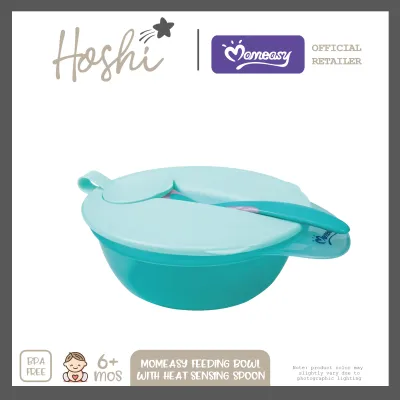
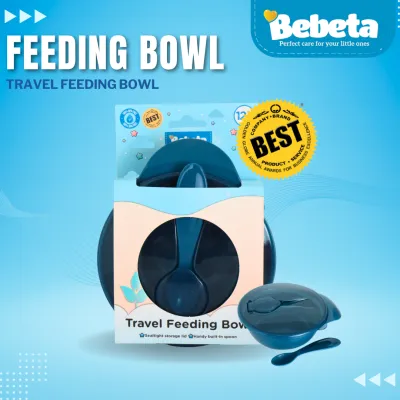
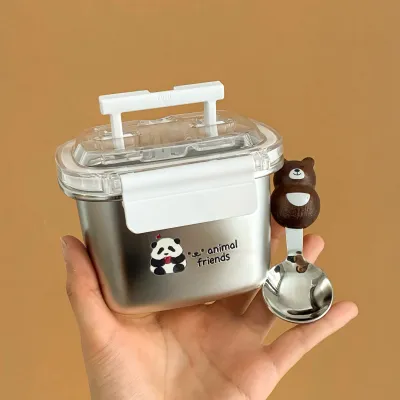
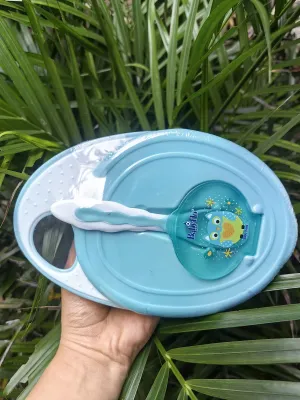
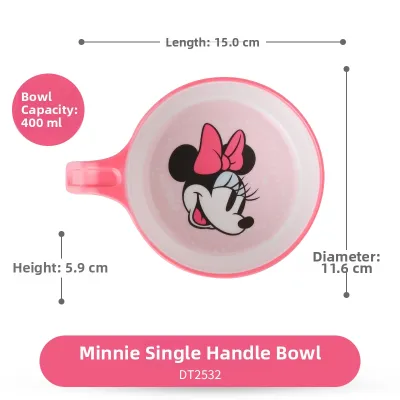
Prices are valid at publication and may change. Please refer to the product page for the latest price.
Portion control and meal organization are simplified when a bowl features integrated measurement markings or divided sections. During the initial weeks of weaning, babies consume very small amounts, often starting with just a few teaspoons of food. Internal measurement indicators, usually marked in milliliters or ounces, help you track exactly how much food your baby has eaten. Divided bowls are particularly useful when introducing multiple foods at once, as they keep distinct flavors and textures separate, allowing your baby to explore individual tastes without them mixing into an unappealing blend.
Finally, consider the ergonomics of the bowl for both you and your baby. During the early stages of feeding, you will be holding the bowl for extended periods, so wide, textured handles or a contoured outer grip will prevent hand fatigue and accidental drops. As your baby transitions to self-feeding, these handles provide a secure place for small hands to grasp. Some designs also feature weighted bases or sloped interiors that naturally guide food toward the spoon, helping your baby build confidence as they learn to scoop up their food. While basic plastic bowls are inexpensive, investing in a durable, well-designed covered bowl—typically ranging from ₱300 to ₱800—can save you from the hassle of frequent replacements.
Material Safety and Label Checks for Feeding Gear
Because feeding gear comes into direct contact with warm food, verifying the safety of the materials is a crucial step for every caregiver. Rather than relying on brand reputation alone, inspect the packaging and the product itself for explicit material declarations. Look for molded labels on the bottom of the bowl indicating that the product is free from BPA, phthalates, lead, and PVC. Safe materials, such as food-grade silicone, tempered glass, or high-quality stainless steel, should also carry recognized food-contact safety symbols, such as the international “glass and fork” icon, to ensure they meet strict manufacturing standards.

Temperature thresholds vary significantly across different materials, and failing to check these limits can lead to damaged gear or safety hazards. Always read the manufacturer’s manual to verify the maximum and minimum temperatures the bowl and lid can safely withstand. For example, while a silicone bowl might be perfectly safe for microwave heating, steam sterilization, or deep freezing, its matching plastic lid might warp or degrade under the same conditions. Never assume that the lid and the bowl share the same temperature tolerances; treat them as separate components during heating and sanitizing.
Manufacturers design feeding products to align with specific developmental stages, and these recommendations are usually printed clearly on the packaging. Pay close attention to the suggested age ranges, such as 4m+, 6m+, or 12m+, which indicate whether the bowl’s size, depth, and suction strength are appropriate for your baby’s current physical abilities. Using a bowl that is too large or heavy for a younger infant can make feeding awkward, while a bowl that is too small or easily detached will not withstand the active movements of an older toddler.
Regularly inspecting your baby’s feeding gear for physical signs of degradation is essential for maintaining hygiene. Over time, frequent washing, exposure to acidic foods, and high-temperature sterilization can cause materials to wear down. Look closely for deep scratches, which can harbor harmful bacteria that standard washing cannot reach, as well as warping, cracks, or persistent discoloration. If a bowl becomes sticky to the touch, develops a cloudy appearance that does not wash away, or no longer holds its shape, it has reached the end of its usable life and should be discarded immediately.
Matching the Bowl Design to Your Baby's Feeding Stage
Selecting the right bowl design depends heavily on your baby’s current feeding stage and motor skill development. During the puree stage, which typically begins around six months, your baby is learning to swallow smooth, liquid-like textures. Because portions are small and the food is runny, a shallow bowl with a wide opening is highly practical. This shape allows you to easily scoop up every drop of food with a soft silicone spoon. Since purees are often prepared in batches, prioritize shallow bowls with exceptionally tight, leak-proof lids that make refrigerator storage simple and mess-free.
As your baby progresses to the mashed and minced stage, usually between seven and nine months, the texture of their food becomes thicker and chunkier. At this point, you should transition to bowls with moderate depth and curved, easy-scoop inner walls. These curved edges act as a natural barrier, allowing you to push the food against the side of the bowl to load the spoon efficiently. This design is also highly beneficial as your baby begins to reach for the spoon, as the curved walls help them practice scooping without pushing the food over the rim.
When your baby reaches the finger food and self-feeding stage, typically around ten months and beyond, their feeding style becomes much more active and independent. To minimize cleanup, prioritize deep bowls with exceptionally strong suction bases that keep the dish firmly anchored to the high chair tray. High, vertical walls are excellent for containing rolling foods like peas, pasta shapes, or slippery fruit slices. For this stage, look for durable, impact-resistant lids so you can easily pack dry snacks for outdoor trips, park visits, or car rides without worrying about the bowl cracking if dropped.
Practical Usage, Cleaning, and Storage Guidelines
Proper maintenance of your baby’s feeding gear ensures both hygiene and longevity. Before using a new bowl for the first time, wash it thoroughly with mild, fragrance-free dish soap and warm water to remove any manufacturing residues. Always refer to the manufacturer’s specific sterilization guidelines before exposing the bowl to high heat. While many silicone and stainless steel bowls can tolerate boiling water or steam sterilizers, certain plastic components, decorative prints, or rubberized suction rings can warp or lose their properties if sterilized incorrectly.
In warm and humid environments, moisture can easily collect in hidden areas, creating an ideal breeding ground for mold and mildew. To prevent this, pay close attention to the crevices of the bowl, especially the thin tracks where the lid seals and the underside of the suction base. If your bowl has a removable silicone gasket in the lid, take it out during washing to clean underneath it. Use a small, dedicated brush to scrub these tight spaces, and allow all parts to air-dry completely in a well-ventilated area before reassembling or storing them in your kitchen cabinets.
Safe food storage practices are essential when preparing homemade baby food in advance. After cooking, always allow the food to cool down to room temperature before sealing it inside the bowl with the cover. Sealing hot food creates condensation on the inside of the lid, which increases the moisture level inside the container and can encourage rapid bacterial growth. Once the food has cooled, seal the lid tightly to maintain freshness and place the bowl in the refrigerator or freezer immediately, keeping track of recommended storage timelines for baby food.
Even with meticulous care, feeding gear will eventually show signs of wear and tear. If you notice that the lid no longer snaps shut securely, the suction base fails to stick to flat surfaces even after a thorough cleaning, or the material shows signs of warping, it is time to stop using the bowl. Continuing to use a damaged bowl can lead to frustrating spills, compromised food hygiene, or potential safety hazards. If these issues occur shortly after purchase, consult the manufacturer’s customer service department to inquire about product guidelines or potential replacements.
Frequently Asked Questions (FAQ)
Can I microwave a baby bowl with the cover on?
You should never microwave a baby bowl with the cover fully sealed. Even if both the bowl and the lid are labeled as microwave-safe, heating food with a sealed lid creates intense steam pressure that can cause the lid to pop off violently or warp the material. Always remove the lid completely, or lay it loosely on top of the bowl with a visible gap to allow steam to escape safely. Always stir the food thoroughly after heating and check the temperature before feeding your baby to avoid hot spots.
How do I know if the suction base is still working properly?
To test your bowl’s suction, press it firmly onto a clean, completely flat, non-porous surface like a glass tabletop or a plastic high chair tray. If the bowl lifts off easily without you pulling the release tab, the suction mechanism is compromised. Often, a weak suction is caused by a buildup of invisible grease, soap residue, or hard water minerals on the suction pad. Washing the base thoroughly with warm, soapy water or wiping it with a mild vinegar solution can often restore its grip.
Are divided bowls necessary for starting solid foods?
Divided bowls are not strictly necessary, but they offer distinct practical advantages depending on your feeding style. They are excellent for serving balanced meals with multiple food groups, keeping flavors distinct, and helping you manage portion sizes. However, simple, undivided bowls are equally effective, especially during the early puree stage when you are only serving one ingredient at a time. Choosing between them comes down to your personal meal preparation preferences and how your baby responds to mixed textures.

Community discussion
Share your experience or ask a question. Comments are reviewed before publication.