
Quick Guide: Matching Cleanser Formulations to Bottle Materials
When it comes to feeding your little one, ensuring their bottles are thoroughly clean is a top priority for every parent. However, there is no single baby bottle cleanser formulation that is universally perfect for every type of bottle. The ideal choice depends heavily on matching the cleanser’s specific surfactants and pH levels to the unique surface properties of the bottle material you use.
For instance, glass bottles require a formula that rinses away completely streak-free and can tolerate stronger degreasing agents. Plastic bottles, which are highly susceptible to physical damage, need exceptionally gentle, non-abrasive formulas to prevent micro-scratches that can harbor bacteria. Meanwhile, silicone bottles demand specialized odor-neutralizing and deep-cleaning agents to break down stubborn milk fat buildup that easily clings to their flexible surfaces.
To make the best choice, caregivers should always use a primary decision framework: cross-reference the cleanser’s ingredient profile with the bottle manufacturer’s care instructions. In the Philippines, where tropical humidity can accelerate bacterial growth and mold in damp spaces, selecting a highly effective product like the cradle baby bottle cleanser can make a significant difference in your daily sanitizing routine. Always verify that the cleanser you select is compatible with your specific bottle type to maintain both safety and durability.
Products mentioned in this guide
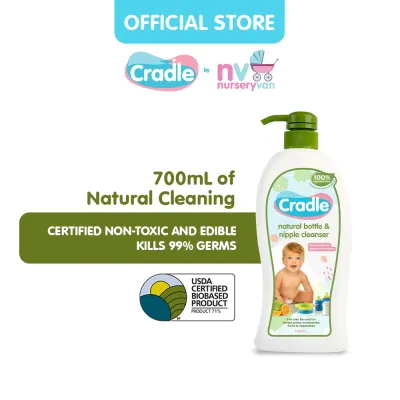
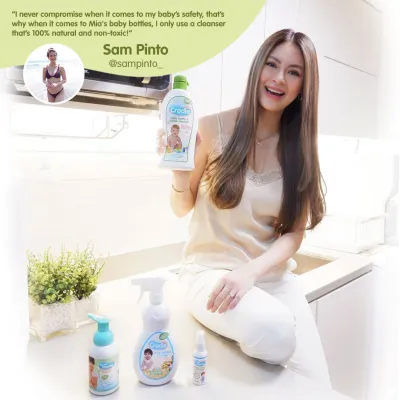
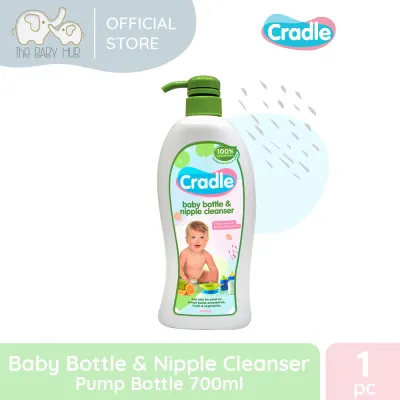
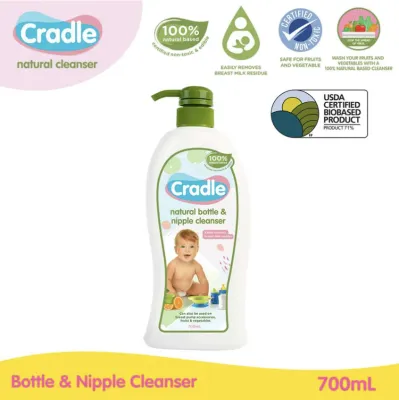
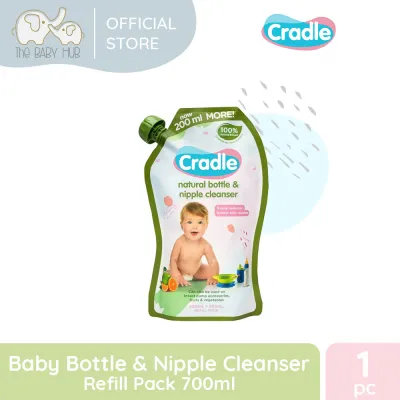
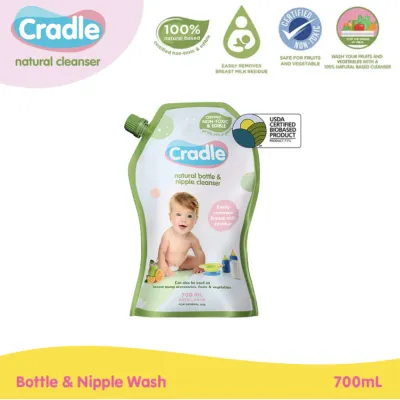
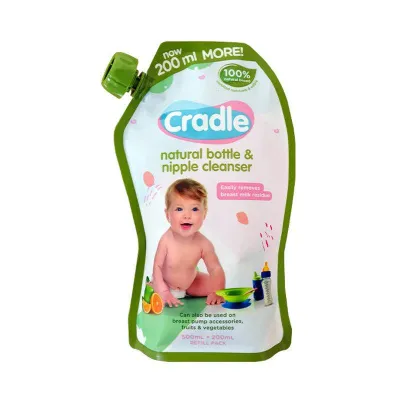
Prices are valid at publication and may change. Please refer to the product page for the latest price.
Why Bottle Material Dictates Your Cleanser Choice
Understanding the physical and chemical properties of your baby’s bottles is the first step toward choosing the right cleaning agent. Different materials react uniquely to chemical compounds, water temperatures, and mechanical scrubbing. Using the wrong cleanser can lead to premature wear, cloudiness, lingering odors, or even the degradation of the bottle itself.

Glass Bottles: Durability and Residue Risks
Glass remains a highly popular choice among parents due to its non-porous nature and exceptional durability. Unlike other materials, high-quality glass does not absorb strong odors, nor does it easily scratch during routine washing. This makes it highly hygienic and capable of withstanding frequent, high-temperature sterilization cycles without degrading.
However, the primary challenge when cleaning glass bottles is the formation of hard water spots and soap residue. Because glass has a smooth, reflective surface, any leftover cleanser film or mineral buildup from local water supplies becomes immediately visible. Glass requires cleansers that are formulated to rinse completely clear, leaving no filmy coating behind that could mix with subsequent milk feeds.
When selecting a cleanser for glass, look for plant-based or easily biodegradable surfactants. These ingredients are designed to break down milk fats effectively, allowing them to wash away cleanly under running water without requiring excessive scrubbing or prolonged soaking.
Plastic Bottles: Scratching and Degradation Concerns
Plastic bottles—commonly made from polypropylene (PP), polyphenylene sulfone (PPSU), or polyethersulfone (PES)—are lightweight and shatterproof, making them highly convenient for daily use. However, plastic is inherently softer than glass and is highly prone to micro-scratches. These tiny abrasions can easily be caused by stiff bottle brushes, abrasive cleaning powders, or harsh chemical exfoliants.
Once scratched, these microscopic grooves become breeding grounds for bacteria and can cause the bottle to take on a cloudy, worn appearance. To preserve the integrity of plastic bottles, caregivers must use mild, non-abrasive, and pH-balanced cleansers. It is crucial to avoid formulas containing heavy synthetic fragrances, strong solvents, or highly alkaline agents, as these chemicals can degrade the plastic polymers over time.
In some cases, harsh chemicals may even accelerate the leaching of compounds when the plastic is exposed to warm liquids. If you notice your plastic bottles becoming prematurely cloudy or yellowed, this is often a sign of chemical degradation or physical scratching. When this occurs, it is highly recommended to review your current cleanser formulation and brush type, and replace the bottle if the damage is severe.
Silicone Bottles: Odor Retention and Surface Sensitivity
Silicone bottles have gained immense popularity due to their soft, breast-like feel and excellent heat resistance. While silicone is highly durable and flexible, it possesses a slightly porous structure at a microscopic level. This unique physical property makes silicone highly prone to retaining milk fat residues and stubborn odors if it is not cleaned with the appropriate agents.
Over time, milk proteins and fats can become trapped within these microscopic pores, leading to a persistent sour milk smell that standard soaps cannot easily eliminate. To combat this issue, look for baby bottle cleansers formulated with natural, food-grade enzymes such as protease or lipase. These enzymes are specifically designed to target and break down the complex structures of milk proteins and fats, lifting them out of the porous silicone surface rather than simply masking the odor with heavy synthetic perfumes.
Additionally, caregivers should avoid using harsh bleach-based cleansers or strong chemical sanitizers on silicone unless explicitly approved by the bottle manufacturer. These aggressive chemicals can degrade the silicone polymer, causing it to become sticky, brittle, or discolored, while also leaving behind unsafe chemical residues that are difficult to rinse away completely.
Safe and Effective Ingredients to Look For and Avoid
Reading and interpreting the ingredient labels on baby bottle cleansers is essential for ensuring both infant safety and material compatibility. Because these products come into direct contact with items your baby feeds from, understanding what goes into the formula helps you make an informed decision.
Key Ingredients to Prioritize
When evaluating bottle cleansers, look for specific active ingredients that deliver safe, effective cleaning without damaging your feeding gear:
- Plant-Derived Surfactants: Look for gentle, plant-derived surfactants on the ingredient list, such as those derived from coconut or corn (for example, coco-glucoside, decyl glucoside, or lauryl glucoside). These natural agents work by lowering the surface tension of water, allowing it to mix with and lift away stubborn milk fats and oils without stripping or damaging the bottle's surface.
- Food-Grade Enzymes: Enzymes like protease (which targets milk proteins) and lipase (which targets milk fats) are highly effective additions to any bottle cleanser. They chemically break down organic residues at a molecular level, making them invaluable for cleaning hard-to-reach bottle necks, nipples, and the porous surfaces of silicone bottles.
- Food-Grade Preservatives: Safe formulations utilize mild, food-grade preservatives (such as potassium sorbate or sodium benzoate) to prevent bacterial growth within the cleanser bottle itself, ensuring the product remains safe for use over time.
Ingredients to Avoid
To protect your baby and preserve your bottles, carefully avoid products containing the following components:
- Abrasive Agents: Avoid cleansers that contain physical scrubbing particles or harsh chemical exfoliants, as these will easily scratch plastic and silicone surfaces, ruining their clarity and creating pockets where bacteria can multiply.
- Parabens and Phthalates: These synthetic preservatives and plasticizers are entirely unnecessary in a bottle cleanser and pose potential health risks for developing infants.
- Strong Synthetic Fragrances and Dyes: Artificial perfumes and colorants can leave a residual taste or scent on silicone and plastic parts, which may cause your baby to reject the bottle. They also introduce unnecessary chemical exposure.
- Highly Alkaline or Acidic Formulas: Cleansers with extreme pH levels can compromise the structural integrity of plastic polymers and silicone over time, leading to premature degradation, stickiness, or cracking.
Before purchasing any product, always check for clear “food-grade” or “plant-based” labeling on the packaging. Furthermore, verify that the cleanser manufacturer explicitly states the product is safe for the specific bottle materials you own, whether that is glass, PP, PPSU, or silicone.
Evaluating Cradle Baby Bottle Cleanser Across Different Materials
In the Philippines, cradle baby bottle cleanser is a widely recognized and trusted brand among local parents. Known for its emphasis on plant-based, non-toxic, and food-grade ingredients, it is designed to offer a safer alternative to standard household dishwashing liquids. However, to get the best results, caregivers should evaluate how this specific cleanser performs across different bottle materials.
For glass bottle users, the primary goal is achieving a spotless, residue-free finish. When using Cradle, glass users should carefully inspect the specific variant’s label for rinse-ability claims. After washing and air-drying, observe the glass surface under direct light. If the formula is matched correctly to your water hardness, it should leave the glass completely clear without any cloudy streaks or soapy film.
For plastic bottle users (such as those using PP or PPSU), it is important to verify that the Cradle formulation is free from harsh chemical solvents that could compromise the plastic. Monitor your plastic bottles closely over several weeks of use. If you notice premature clouding or a change in the texture of the plastic, it could indicate a mismatch between the cleanser’s pH and the specific plastic polymer of your bottles. Always ensure you are using a soft sponge or silicone brush alongside the cleanser to prevent physical wear.
For silicone bottle users, the main challenge is managing stubborn milk fat buildup and lingering odors. When evaluating Cradle, check the packaging to see if the formulation includes specific milk-fat-breaking enzymes. If you find that a sour milk smell persists in your silicone bottles even after thorough washing, you may need to supplement your routine. If your bottle manufacturer’s care guide permits, a periodic soak in a warm water and baking soda solution can help neutralize these stubborn odors.
Keep in mind that product formulations can be updated by manufacturers over time. Because of this, readers must always read the current physical label on their bottle of Cradle baby bottle cleanser to verify the exact ingredient list, check for any material compatibility warnings, and follow the recommended dilution ratios for safe and effective cleaning.
Step-by-Step Cleaning and Maintenance by Material
To maximize the effectiveness of your chosen baby bottle cleanser and extend the lifespan of your feeding gear, you must pair the chemical action of the cleanser with the correct mechanical tools and washing techniques. Here is how to clean and maintain each material safely.
Washing and Drying Glass Bottles
To clean glass bottles safely, start by dismantling all parts, including the collar, nipple, and cap. Apply a small amount of your baby bottle cleanser to a dedicated bottle brush. It is highly recommended to use a brush with soft nylon or silicone bristles rather than stiff wire brushes. Gently insert the brush, ensuring it reaches the very bottom and the curved threads of the bottle neck where residue tends to collect. Avoid striking the brush metal core or tip forcefully against the glass, as repeated impacts can cause microscopic fractures that weaken the bottle over time.
Once scrubbed, rinse the glass bottle thoroughly under clean, running water. Ensure that all soap bubbles and slickness are completely gone. Finally, place the bottle upside down on a clean, well-ventilated drying rack. In the humid tropical climate of the Philippines, proper air-drying is crucial; avoid using kitchen towels to dry the bottles, as towels can easily transfer lint, dust, and bacteria back onto the clean glass.
Washing and Drying Plastic Bottles
Plastic bottles require a very gentle touch to prevent surface damage. Always use a soft-bristled brush or a dedicated silicone sponge when applying your baby bottle cleanser. Never use abrasive scouring pads or stiff-bristled brushes, as these will immediately create micro-scratches on the plastic interior.
When washing, use lukewarm water. Avoid using excessively hot or boiling water during the active scrubbing phase if your plastic bottle manufacturer warns against high heat. High temperatures combined with active chemical surfactants can accelerate the chemical degradation of certain plastic polymers, leading to a cloudy appearance. After washing and rinsing thoroughly, inspect the interior of the bottle regularly under good lighting. If you observe deep scratches, persistent cloudiness, or a sticky texture, it is time to replace the bottle. Cleansers cannot repair physical or chemical degradation, and damaged plastic is much harder to sanitize effectively.
Washing and Drying Silicone Bottles
Because silicone is flexible and slightly porous, cleaning it requires a slightly different approach. Apply your baby bottle cleanser and use your fingers or a soft silicone brush to gently massage the cleanser into the silicone body. Pay close attention to the bottle neck, the inner rim, and any raised measurement markings, as milk fat easily clings to these textured areas.
If your silicone bottles begin to retain a persistent sour milk smell, check the manufacturer’s care guide for specific troubleshooting steps. If explicitly permitted by the manufacturer, you can boil the silicone bottle in water mixed with a small amount of baking soda to help draw out and neutralize the trapped odors. However, if the manufacturer prohibits boiling or chemical soaks, stop immediately to avoid damaging the material. After rinsing, ensure the silicone parts are completely dry before assembly. Trapped moisture in the flexible folds or collar of silicone bottles can quickly lead to mold growth, especially in high-humidity environments.
Frequently Asked Questions (FAQ)
Can I use regular dishwashing liquid instead of a dedicated baby bottle cleanser?
While regular household dishwashing liquid is highly effective at removing grease from family dishes, it is generally not recommended for baby bottles. Standard dish soaps often contain highly concentrated degreasers, strong synthetic fragrances, and artificial dyes. These ingredients can leave behind invisible chemical residues that are difficult to rinse off completely, particularly from porous silicone nipples and plastic bottles. Dedicated baby bottle cleansers, such as cradle baby bottle cleanser, are formulated with food-grade, easily rinsable ingredients specifically designed to break down breast milk and formula fats safely without leaving harmful residues or strong scents.
How do I remove stubborn milk fat or odors from silicone bottles?
To address stubborn milk fat or lingering odors in silicone, always start by using a baby bottle cleanser that contains natural enzymes designed to target organic proteins. If the odor persists, consult your bottle manufacturer’s care instructions first. If permitted, you can soak the silicone parts in a solution of warm water and a small amount of baking soda for up to 30 minutes to neutralize the smell. Never use bleach, harsh chemical sanitizers, or abrasive household cleaners to remove odors, as these can permanently degrade the silicone and pose safety risks. If a sour smell remains despite these safe cleaning efforts, it is best to replace the silicone bottle or nipple.
Should I sterilize bottles after washing them with a cleanser?
Yes, but it is crucial to understand that washing and sterilizing are two distinct steps. Washing with a baby bottle cleanser physically removes milk residues, fats, and proteins, which is a mandatory first step. Sterilization (whether through boiling, steam, or UV light, depending on your bottle material’s compatibility) is designed to kill remaining pathogens and should only be performed after the bottle has been thoroughly washed and rinsed. Attempting to sterilize a dirty bottle can actually bake the remaining milk proteins and fats directly onto the surface, making them much harder to remove later and creating a film that can harbor bacteria.

Community discussion
Share your experience or ask a question. Comments are reviewed before publication.