
Choosing the right baby blanket for a boy in the tropical climate of the Philippines requires prioritizing breathability, moisture management, and lightweight construction over heavy insulation. Because infants cannot regulate their body temperature as efficiently as adults, a blanket in a hot and humid environment must serve as a light, protective layer that manages sweat rather than trapping heat. Caregivers should look for natural, open-weave fabrics such as cotton muslin or bamboo-derived viscose, opting for single-layer or low-ply weights. By focusing on materials that allow constant airflow and checking the baby’s physical comfort cues, you can create a safe, comfortable, and soothing sleep environment that prevents the risks associated with overheating.
Why the Tropical Climate Changes Blanket Choices
In the Philippines, where high temperatures and elevated humidity levels persist throughout the year, selecting nursery bedding demands a fundamentally different approach than in temperate regions. High ambient humidity directly interferes with the body’s natural cooling mechanism, which relies on the evaporation of sweat from the skin. When the air is already saturated with moisture, sweat cannot evaporate efficiently, making it much harder for an infant to cool down. This environmental challenge is particularly critical for babies, whose sweat glands and internal thermoregulation systems are still developing.
Overheating is a recognized risk factor for infant sleep safety, closely linked to sudden infant death syndrome (SIDS) and heat-related illnesses. When a baby becomes too hot, their body can experience heat stress, leading to lethargy, dehydration, or deep, unresponsive sleep states that compromise their ability to wake up when breathing is obstructed. Heavy, dense, or synthetic fabrics trap a layer of hot, moist air close to the baby’s skin, rapidly raising their core temperature even in an air-conditioned room.
Products mentioned in this guide
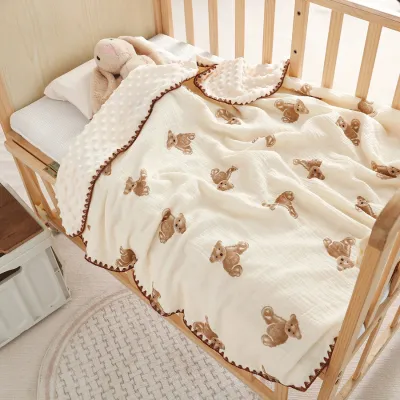
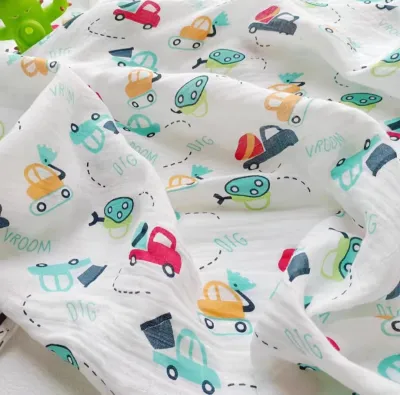
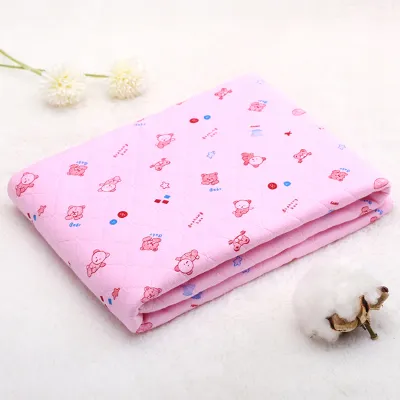
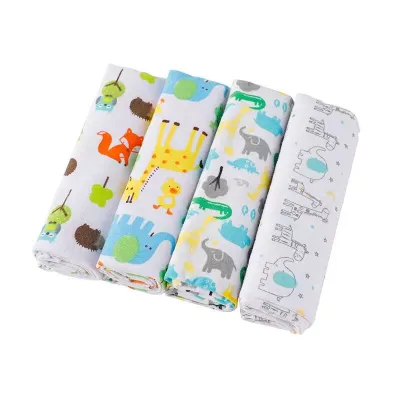
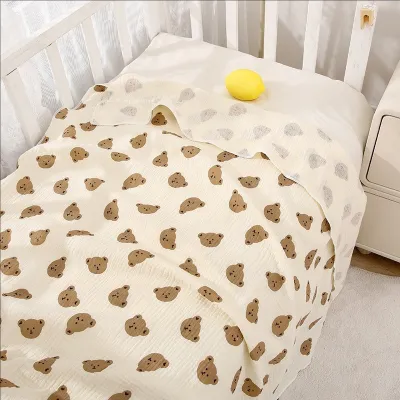
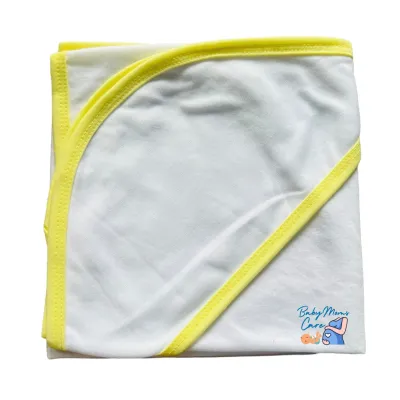
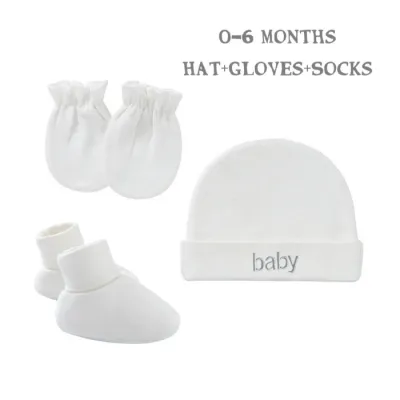
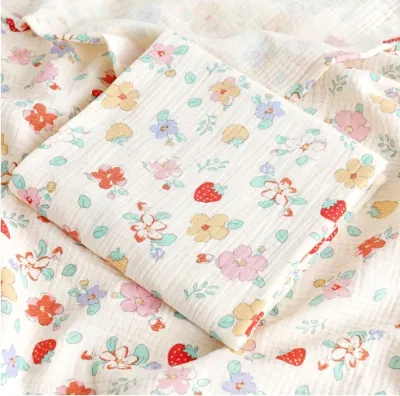
Prices are valid at publication and may change. Please refer to the product page for the latest price.
Consequently, caregivers must shift their mindset from “keeping the baby warm” to “providing comfort, managing sweat, and offering a light protective layer.” In a tropical nursery, a blanket is not meant to insulate against cold, but rather to provide a familiar, comforting touch, protect against drafts from fans or air conditioners, and wick away sweat. Understanding this distinction is the first step toward selecting bedding that supports safe, restful sleep without compromising the baby’s health.
Best Breathable Materials for Humid Weather
When shopping for a baby blanket for a boy, the fabric composition is the most critical factor determining how well the material handles heat and moisture. Natural fibers are highly recommended because their physical structure allows air to circulate freely and moisture to escape. Cotton muslin is widely considered an excellent choice for tropical climates due to its loose, open plain weave. This specific weave structure creates tiny gaps between the threads, allowing heat to dissipate quickly while remaining soft against a baby’s sensitive skin.

Another popular option is bamboo-derived viscose, which is known for its exceptionally smooth texture and natural cool-to-the-touch feel. Bamboo-derived fabrics are highly hygroscopic, meaning they can absorb a significant amount of moisture before feeling damp, making them excellent for wicking sweat away from a sleeping baby. Standard woven cotton is also a reliable, durable option, provided it is lightweight and not densely woven like heavy flannel or thick knit blankets.
To ensure you are choosing a truly breathable product, always read the fabric composition labels carefully. Many products marketed as “soft” or “plush” are made from synthetic fibers like polyester, fleece, or microfiber. While these materials may feel cozy to the touch, they are essentially plastics that trap heat and moisture, creating a humid microclimate around the baby that can lead to heat rash and discomfort. Be cautious of synthetic blends; even a small percentage of polyester can significantly reduce a blanket’s breathability.
It is important to remember that material names alone do not guarantee safety or comfort. A label that reads “100% cotton” can still be woven into a thick, heavy canvas or a dense thermal knit that is entirely unsuitable for warm weather. Caregivers must physically inspect the blanket when possible, verifying the tightness of the weave and the overall weight of the fabric. A safe, breathable blanket should feel light in the hand and allow light to pass through easily when held up to a window or lamp.
Selecting the Right Weight, Weave, and Size
Understanding the differences between various blanket types helps caregivers select the appropriate option for specific daily scenarios. Lightweight receiving blankets, typically made of thin cotton flannel or single-layer knit, are versatile tools for clean surfaces or light coverage during supervised daytime naps. Swaddles, which are designed to wrap snugly around a newborn to mimic the womb, must be exceptionally thin and stretchy to prevent overheating during the wrapping process. Multi-layer muslin blankets, often featuring two to four layers of fabric, offer a slightly loftier feel that is suitable for air-conditioned rooms where a bit more substance is needed without sacrificing breathability.
Rather than relying on unverified thermal ratings or generic product descriptions, caregivers can use simple, practical checks to evaluate a blanket’s weight and weave. Hold the fabric up to a light source; a loose, breathable weave will allow distinct points of light to filter through the fibers. Next, feel the drape of the fabric by letting it rest over your hand. A suitable tropical blanket should drape loosely and feel airy, without any stiff, heavy, or dense qualities that suggest heat-trapping capabilities.
Size is another crucial safety and usability factor to consider. A blanket must be large enough to allow for a secure, comfortable swaddle if used for a newborn, preventing the wrap from unraveling easily. However, it must also be small enough to avoid leaving excess, loose fabric in the sleep space. Large, oversized blankets pose a significant hazard in a crib, as the extra material can easily bunch up around the baby’s face, obstructing their airway. Opt for compact, standard baby sizes that match your specific use case, and always ensure that any blanket used is tucked in securely or wrapped tightly according to safe sleep guidelines.
How to Tell if Your Baby is Too Hot or Too Cold
Because babies cannot communicate their physical discomfort verbally, caregivers must rely on objective, physical checks to monitor their temperature during sleep. A common misconception is that cold hands or feet indicate a cold baby. In infants, peripheral circulation is still developing, which means their extremities often feel cool to the touch even when their core body temperature is perfectly normal. To get an accurate assessment, always perform the “chest and neck check.” Gently place your hand on the back of the baby’s neck or on their chest; these areas should feel warm and dry.
If the baby’s chest or neck feels hot, damp, or sweaty, they are likely overheating. Other observable signs of heat stress include flushed or red cheeks, rapid or shallow breathing, damp hair, and a heat rash appearing on the neck, chest, or diaper area. A baby who is too hot may also become unusually fussy, restless, or conversely, extremely lethargic and difficult to wake.
If you observe any signs of overheating, it is critical to take immediate action to cool the baby down safely. Remove the blanket or swaddle entirely, and dress the baby in a single layer of lightweight, breathable clothing. Adjust the room’s ventilation by turning on a fan (ensuring it does not blow directly onto the baby) or adjusting the air conditioner to a comfortable setting. If the baby’s skin remains hot and flushed, or if they show signs of distress, lethargy, or abnormal breathing after you have adjusted their environment, consult a pediatrician or seek medical advice immediately to rule out fever or heat exhaustion.
Caring for Baby Blankets in High Humidity
Maintaining baby bedding in a tropical climate requires diligent care to prevent the accumulation of moisture, which can quickly lead to mold, mildew, and bacterial growth. Establish a regular washing routine using mild, fragrance-free, baby-safe detergents that protect sensitive skin from irritation. Avoid using fabric softeners, as they leave a chemical residue on the fibers that coats the fabric, significantly reducing its natural breathability and moisture-wicking capabilities over time.
Thorough drying is the most critical step in preventing mold and mildew in high-humidity environments. Whenever possible, hang washed blankets in direct sunlight, as ultraviolet rays act as a natural sanitizer and help eliminate lingering bacteria. If line drying outdoors is not feasible due to rain or high humidity, use a clothes dryer on a complete cycle, ensuring the fabric is entirely dry to the core before folding. Even a tiny amount of residual moisture trapped inside a folded blanket can become a breeding ground for musty odors and mildew within a few hours.
Proper storage is equally important for keeping clean blankets fresh and safe for use. Store dry blankets in a cool, well-ventilated closet or drawer, away from damp walls or areas prone to condensation. Avoid using airtight plastic bins or vacuum-sealed bags for long-term storage unless you are absolutely certain the blankets are 100% dry, as any trapped moisture will ruin the fabric. For added protection, you can place non-toxic silica gel packets in the storage area, keeping them strictly out of reach of children, to help absorb excess ambient moisture.
Frequently Asked Questions (FAQ)
Is it safe to use a loose blanket for a newborn in the Philippines?
No, standard pediatric safe sleep guidelines strongly advise against placing any loose blankets, pillows, bumper pads, or soft toys in a newborn’s crib, regardless of the climate. Loose blankets can easily shift during sleep, covering the baby’s face and posing a severe risk of suffocation or strangulation. For newborns in the Philippines, safe alternatives include using a lightweight swaddle blanket wrapped securely around the baby, or opting for a wearable blanket or sleep sack designed specifically for warm weather. These wearable options keep the baby comfortable and secure without the safety hazards associated with loose bedding.
How many layers of muslin are best for a tropical nursery?
The ideal number of muslin layers depends primarily on whether the nursery is naturally ventilated or air-conditioned. For naturally ventilated rooms that rely on fans and experience high ambient heat, a single-layer muslin swaddle or blanket is usually best to maximize airflow and prevent heat retention. In an air-conditioned room kept at a cooler temperature, a 2-ply or 4-ply muslin blanket can provide a comfortable level of light warmth without causing the baby to overheat. Rather than strictly adhering to a specific layer count, caregivers should always monitor the baby’s physical comfort cues, such as checking the chest and neck, and adjust the layers accordingly.

Community discussion
Share your experience or ask a question. Comments are reviewed before publication.