
Selecting the correct Aquafresh toothpaste variant for your baby depends on matching their age, teething milestones, and swallowing ability with the specific formulation guidelines printed on the product packaging. For infants with their first emerging teeth, a gentle, low-fluoride or fluoride-free formula designed for ages 0 to 2 is typically recommended to ensure safety if swallowed. As your child grows into a toddler and develops more teeth, transitioning to a mild fluoride variant designed for ages 3 to 5 helps protect developing enamel while they learn to spit. Always verify the age indicators, fluoride concentrations, and usage instructions on the packaging to ensure the product matches your child’s current developmental stage.
Understanding Your Baby's Teething Stages and Oral Needs
The journey of infant oral care begins long before the first pearly white tooth cuts through the gums. In the early months, babies experience significant oral development, often accompanied by increased drooling, a tendency to chew on hard objects, and general gum sensitivity. In a tropical climate like the Philippines, where warm weather can sometimes exacerbate a baby’s fussiness and discomfort, keeping the oral cavity clean and cool is a vital part of daily care. Before any teeth erupt, caregivers should gently wipe the baby’s gums with a clean, damp cloth or a sterile gauze pad after feedings to remove food residue and limit bacterial growth. This practice not only keeps the oral cavity clean but also desensitizes the baby’s mouth, making the future introduction of a toothbrush much easier.
The eruption of the very first tooth, which typically occurs around six months of age, marks a major milestone that requires a shift in your oral care routine. This is the precise moment when brushing with an ultra-soft infant toothbrush and a tiny smear of appropriate toothpaste should begin. At this early stage, infants do not possess the cognitive or physical ability to spit out excess toothpaste, meaning they will naturally swallow whatever is placed in their mouths. Consequently, the primary focus of oral care during this initial teething phase is gentle cleaning using a formula that is safe if swallowed in tiny amounts.
Products mentioned in this guide
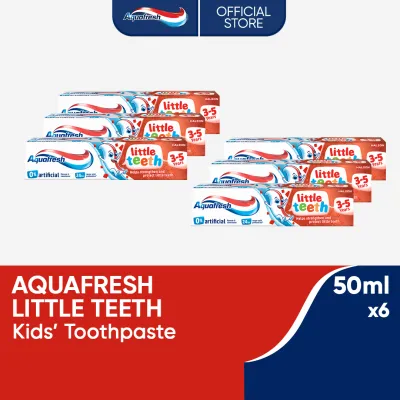
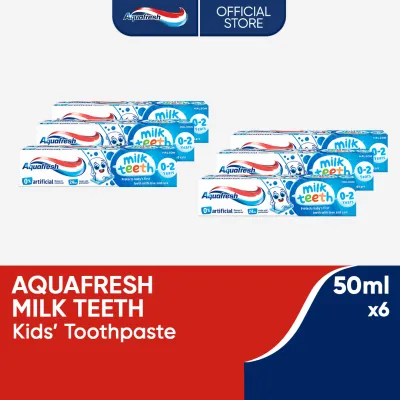
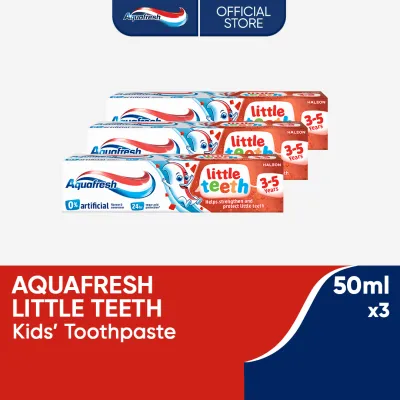
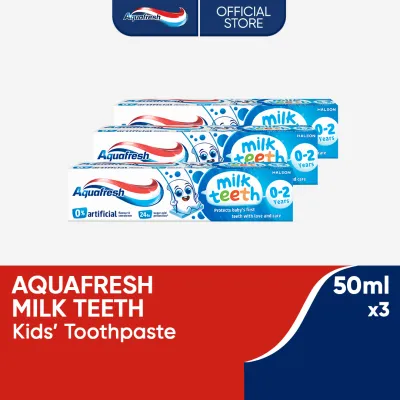
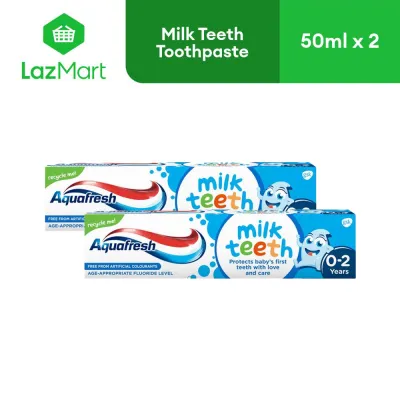
![[BUY 3 GET 1] Buy Aquafresh Little Teeth Toothpaste 50ml x3 (3-5 Years Old) get FREE Aquafresh Little Teeth 50ml](https://img.lazcdn.com/g/p/bf9b43fb2ee02e376db219b0ba6e8557.jpg_400x400q80.jpg_.webp)
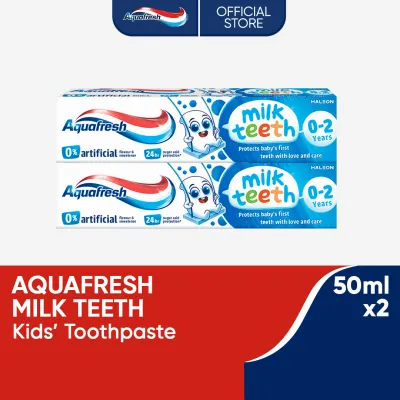
Prices are valid at publication and may change. Please refer to the product page for the latest price.
As your baby transitions into toddlerhood, usually between the ages of one and three, more teeth will begin to emerge in rapid succession. With a full set of primary teeth on the horizon, toddlers start consuming a wider variety of solid foods, including carbohydrates and natural sugars, which increases the risk of plaque accumulation and early childhood caries. During this stage, the swallowing reflex is still dominant, but toddlers can gradually be taught the concept of spitting out excess foam. Managing this transition requires close supervision, consistent modeling of proper brushing habits, and the careful selection of a toothpaste that balances enamel protection with safety.
Key Factors to Check on Aquafresh Packaging
When browsing the baby care aisle in local supermarkets where prices are marked in ₱, or searching through reputable online marketplaces, reading the product packaging thoroughly is the most reliable way to ensure safety. Manufacturers design baby and kids’ toothpastes with specific age-range indicators prominently displayed on the front of the box or tube. These age brackets, such as “0-2 years” or “3-5 years,” are not arbitrary; they correspond directly to the developmental milestones, swallowing capabilities, and enamel thickness typical of children in those age groups.

One of the most critical elements to verify on the packaging is the fluoride concentration, which is usually measured in parts per million (ppm). Fluoride is highly effective at strengthening developing enamel and preventing tooth decay, but young children who swallow too much of it run the risk of developing dental fluorosis, which can cause mild discoloration on their permanent teeth. For infants and toddlers who cannot yet spit, pediatric dental guidelines often recommend using a toothpaste with a lower fluoride concentration, or starting with a fluoride-free training paste, depending on the child’s individual risk of decay and local water fluoridation levels. Always check the active ingredients list on the back of the Aquafresh box to confirm the exact fluoride level before purchasing.
In addition to fluoride levels, parents should inspect the packaging for swallow-safety claims and the absence of harsh chemical additives. A suitable baby toothpaste should be free from strong artificial sweeteners, synthetic dyes, and sodium lauryl sulfate (SLS), a foaming agent that can sometimes cause mouth ulcers or irritation in sensitive young mouths. The formula should also feature low abrasivity, as baby enamel is much thinner and softer than adult enamel and can be easily damaged by highly abrasive cleaning agents.
In humid tropical environments like the the Philippines, proper storage is essential to maintain product stability. High humidity and heat can sometimes cause the ingredients in toothpaste to separate or degrade over time, which may affect both the flavor and the efficacy of the formula. Always verify that the packaging instructions do not require specialized storage conditions, and ensure the tube can be sealed tightly after every use to prevent moisture, dust, or household pests from entering. Ensure that the box is sealed, the tube has an intact tamper-evident seal under the cap, and the expiration date is clearly legible before making your purchase.
Matching Toothpaste Variants to Age and Development
To simplify your selection process, you can use a structured decision framework that matches your baby’s age and teething milestones with the appropriate product characteristics. The following table outlines the key criteria parents should look for when choosing a toothpaste variant:
| Age Group | Teething Milestone | Key Packaging Indicators | Recommended Toothpaste Amount |
|---|---|---|---|
| 0 to 2 Years | First emerging milk teeth; unable to spit | "First Teeth", "0-2 Years", low-fluoride or fluoride-free, mild flavor | A tiny smear (the size of a single grain of rice) |
| 3 to 5 Years | Multiple teeth erupted; learning to spit | "My Little Teeth", "3-5 Years", low-to-moderate fluoride, kid-friendly flavor | A small, pea-sized amount |
For infants in the 0 to 2 years bracket, the primary goal is to gently clean the newly erupted incisors without exposing the baby to excess chemicals. The ideal variant for this stage is formulated specifically for “first teeth” or “milk teeth,” featuring a very mild, non-minty flavor that does not overwhelm the baby’s sensitive taste buds. Because babies at this stage will inevitably swallow the paste, the formula must be designed to be safe when used in the recommended tiny smear.
As your child reaches the age of three, their oral profile changes significantly. They will have more molars erupting, creating deep grooves where food particles can easily become trapped. This is the stage where transitioning to a variant labeled for ages 3 to 5 becomes appropriate. These formulations typically contain a slightly adjusted fluoride level to provide robust protection against cavities, matching the increased complexity of their diet. The flavors are often slightly more pronounced, such as mild mint or gentle fruit blends, which help transition the child toward adult oral care habits while still remaining gentle on their gums.
When making your final choice, always cross-reference your child’s actual developmental progress with the manufacturer’s age guidelines. If your two-year-old has already developed a full set of teeth and has successfully mastered the ability to spit out water consistently, you might consult your dentist about transitioning to the next stage slightly earlier. Conversely, if a three-year-old still struggles with swallowing toothpaste, sticking to the younger demographic’s formula for a little longer may be the safer path.
Safe Brushing Practices and When to Consult a Dentist
Selecting the right toothpaste is only half the battle; applying it correctly and establishing safe brushing habits is equally vital for your baby’s oral health. For children under the age of three, caregivers should apply no more than a tiny smear of toothpaste, which is roughly equivalent to the size of a single grain of rice. This minimal amount is highly effective at cleaning the teeth while ensuring that the quantity of fluoride swallowed remains well within safe limits. Once the child reaches three years of age and can reliably spit, the portion can be increased to a small, pea-sized amount.
Proper storage of oral care products is a critical safety measure that is often overlooked. Because baby toothpastes are formulated with pleasant, mild flavors to encourage brushing cooperation, toddlers may view them as treats and attempt to eat them directly from the tube. Always store all toothpaste tubes securely out of reach of children, preferably in a high cabinet or a locked drawer. When brushing, always supervise your child closely, holding the brush yourself for infants, or guiding your toddler’s hand to ensure they do not swallow the paste directly from the brush.
To make the brushing experience more engaging and prevent your child from swallowing the paste out of boredom or distraction, try incorporating playful elements into the routine. Singing a short two-minute song, brushing your own teeth alongside them to model the behavior, or letting them brush a favorite waterproof toy can turn a potentially stressful chore into a fun daily habit. Remember that consistency is key, and establishing these positive associations early on will pay dividends as they grow.
While establishing a home care routine is essential, professional guidance is irreplaceable. Parents should schedule their baby’s first dental visit by their first birthday or within six months of the eruption of their first tooth. You should stop using a specific toothpaste variant and consult a pediatric dentist immediately if you observe any signs of an adverse reaction, such as redness, swelling, or a rash around the mouth. Additionally, if your child persistently refuses a specific flavor, experiences gum sensitivity during brushing, or accidentally ingests a significant quantity of toothpaste directly from the tube, seek professional medical or dental advice promptly.
Frequently Asked Questions (FAQ)
Can I use regular family toothpaste for my baby in an emergency?
No, you should avoid using regular family or adult toothpaste for infants and young toddlers. Adult toothpastes contain significantly higher concentrations of fluoride, which can be harmful if swallowed by a child who has not yet mastered the spitting reflex. Furthermore, adult formulas often feature strong mint flavors that can cause sensory overload or a burning sensation on sensitive baby gums, alongside highly abrasive cleaning agents that can wear down thin baby enamel.
What should I do if my baby swallows a large amount of toothpaste?
If your baby swallows a small, recommended smear of toothpaste during regular brushing, there is no cause for alarm as these formulas are designed with this safety margin in mind. However, if your child accesses a tube and consumes a large quantity, you should immediately wipe their mouth clean and offer them a glass of milk or a serving of yogurt. The calcium in dairy products binds with fluoride in the stomach, helping to reduce its absorption. Monitor your child for symptoms like nausea, vomiting, or abdominal pain, and contact a healthcare professional or local medical emergency services immediately if these symptoms occur or if a large amount was ingested.
Does the flavor of the toothpaste matter for teething babies?
Yes, the flavor plays a crucial role in how cooperative your baby will be during brushing sessions. Teething can make a baby’s gums highly sensitive and tender, meaning strong, sharp flavors like intense mint can cause discomfort or distress. Opting for a toothpaste with a very mild, subtle fruit or extremely gentle mint flavor helps create a positive association with oral hygiene, making daily brushing a much smoother and more enjoyable experience for both the caregiver and the child.

Community discussion
Share your experience or ask a question. Comments are reviewed before publication.