
Choosing the right Appeton variant for your child depends on aligning their specific age group with a safe, age-appropriate dosage format and matching their unique health goals—such as appetite support, immune defense, or general growth—to the correct formulation. Because children’s nutritional needs and physical capabilities change rapidly as they grow, parents must evaluate options carefully by reading product labels and understanding the specific ingredients. This guide provides a practical decision framework to help you navigate these choices, evaluate different formulations, and understand when to consult a pediatrician before introducing any new supplement to your child’s daily routine.
Understanding Your Child's Nutritional Needs and Health Goals
Every child grows at their own pace, and their nutritional requirements shift dynamically as they transition from infancy to toddlerhood and into school age. During these developmental stages, parents often observe specific physical or behavioral signals that prompt them to consider dietary supplementation. Common concerns include periods of picky eating, frequent mild seasonal illnesses, or a general desire to support overall physical and cognitive development. Identifying the primary concern is the first step in determining whether a supplement is necessary and which formulation is most appropriate.
It is essential to recognize that dietary supplements are designed to serve as a practical bridge rather than a replacement for a balanced diet. In tropical regions like the Philippines, high temperatures and humidity can sometimes affect a child’s daily appetite, leading to temporary phases of picky eating. Before introducing vitamins, parents should focus on establishing structured mealtime routines, minimizing distractions at the table, and offering a diverse range of nutrient-dense local foods. When these dietary adjustments do not fully meeting nutritional needs, a targeted supplement can help fill the gaps.
Products mentioned in this guide
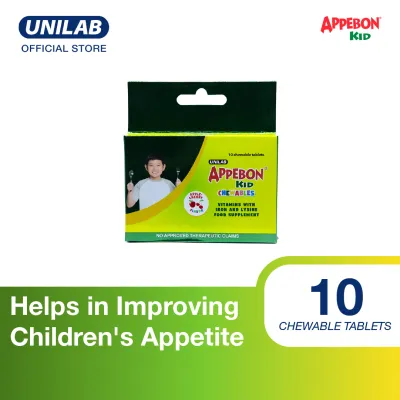
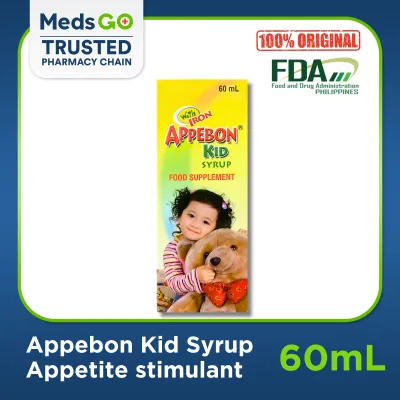
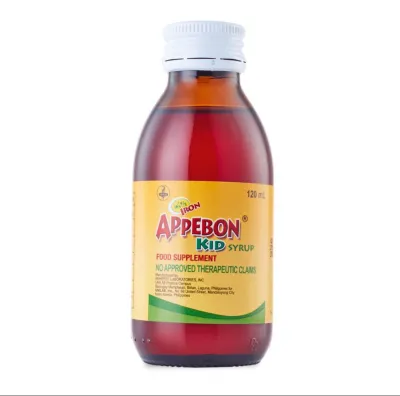

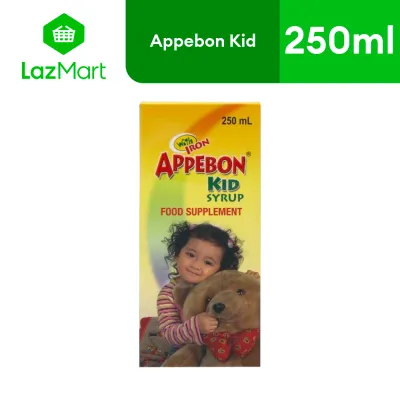
Prices are valid at publication and may change. Please refer to the product page for the latest price.
Picky eating is often a normal developmental phase, but chronic poor appetite can sometimes lead to nutritional deficiencies if left unaddressed. Similarly, children entering daycare or preschool are frequently exposed to new pathogens, making immune support a common priority for parents. General growth support, on the other hand, focuses on providing a broad spectrum of essential vitamins and minerals to ensure the child meets their developmental milestones. Distinguishing between these distinct goals allows you to choose a product with the specific active ingredients required for your child’s situation.
Vitamins and minerals should never be used to self-diagnose or treat underlying medical conditions. If a child exhibits persistent fatigue, unexplained weight loss, or severe developmental delays, a comprehensive medical evaluation by a pediatrician is necessary. Supplements should only be introduced to support a healthy lifestyle and dietary foundation, always under the guidance of a healthcare professional who can verify the child’s actual nutritional status.
Matching Appeton Formulations to Specific Health Goals
Once you have identified your child’s primary health goal, the next step is to match that goal with the appropriate vitamin formulation by carefully reading the product packaging. Different variants are designed with specific combinations of active ingredients to address distinct needs. For instance, formulations targeted at appetite support often contain specific amino acids, such as lysine, which is widely recognized for its role in promoting healthy growth and helping to stimulate appetite in children who are picky eaters.

In contrast, if your primary objective is to support your child’s immune system, you should look for formulations that emphasize vitamins and minerals known for their antioxidant properties. Vitamin C and Zinc are common ingredients in immune-focused supplements, as they play a vital role in maintaining the integrity of the body’s natural defenses. For general nutritional gaps, a broad-spectrum multivitamin containing a balanced mix of Vitamin A, B-complex vitamins, Vitamin D, and Vitamin E is typically more suitable than a highly targeted single-nutrient product.
Reading the nutritional facts panel on the back of the packaging is crucial for verifying that the product aligns with your child’s needs. This panel lists the specific vitamins, minerals, and other active ingredients, along with their corresponding amounts per serving. In the Philippines, these values are often compared to local nutritional standards, such as the Recommended Energy and Nutrient Intakes (RENI), to help parents understand how much of the daily requirement the supplement provides. Checking these percentages ensures you are not under-supplementing or providing excessive amounts of any single nutrient.
When evaluating different options, consider your child’s current daily food intake to avoid unnecessary duplication. If your child already consumes a diet rich in fruits and vegetables but struggles with protein intake, a formulation with added amino acids might be beneficial. Conversely, if their diet is highly restricted, a comprehensive multivitamin may be the most practical choice. Always prioritize products that clearly state their active ingredients and avoid those with excessive artificial colors, flavors, or high amounts of added sugars.
Selecting the Right Format Based on Age and Swallowing Ability
A child’s age and physical development are the most critical factors when choosing the physical format of a vitamin supplement. Administering the wrong format can pose serious safety risks, particularly choking hazards for younger children. Infants and toddlers under the age of two generally do not have the oral motor skills required to safely chew or swallow solid tablets. For this age group, liquid drops or syrups are practical and age-appropriate options, as they can be easily swallowed and mixed with water, milk, or juice if necessary.
As children transition into preschool and school age, usually around three to four years old, their swallowing coordination improves significantly. At this stage, parents can consider transitioning to chewable tablets or gummies, provided the child is developmentally ready and can follow instructions to chew thoroughly before swallowing. Even within these older age groups, individual readiness varies, and parents must closely supervise every dose to ensure the child does not swallow chewable formats whole.
Always verify the manufacturer’s explicit age restrictions printed on the product label before purchasing. These age guidelines are established based on safety standards and the physical characteristics of the product. Additionally, always use the specific measuring tool—such as a syringe, dropper, or calibrated measuring cup—provided in the product packaging. Standard household spoons are highly inaccurate and can lead to accidental under-dosing or over-dosing, which can compromise the safety and efficacy of the supplement.
Proper storage is also a key safety consideration, especially for appealing formats like chewable tablets or sweet syrups. Children may mistake these supplements for candy or juice, leading to accidental ingestion of large quantities. Store all vitamins in their original child-resistant packaging, completely out of reach and sight of children, preferably in a locked cabinet. This precaution is vital for preventing accidental vitamin toxicity, which can have severe health consequences.
Safety Checks, Dosage, and When to Consult a Pediatrician
Ensuring the safety of your child’s supplementation routine requires strict adherence to recommended dosages and a clear understanding of the risks associated with overconsumption. While vitamins are essential for health, more is not always better. Water-soluble vitamins, such as Vitamin C and the B-complex group, are generally excreted in urine when consumed in excess. However, fat-soluble vitamins, including Vitamins A, D, E, and K, accumulate in the body’s fatty tissues and liver, meaning excessive doses over time can lead to serious toxicity.
Before purchasing any vitamin product, perform a thorough quality check to ensure its safety and authenticity. Verify that the product seal is completely intact and has not been tampered with. Check the expiration date printed on the packaging, as expired vitamins can lose their potency or degrade over time. In hot and humid tropical climates like the Philippines, proper storage is especially critical; keep the product in a cool, dry place away from direct sunlight, and ensure the container is tightly sealed to prevent moisture from degrading the active ingredients.
Always purchase supplements from reputable, licensed physical pharmacies or official online brand stores to avoid counterfeit products. Counterfeit vitamins may contain incorrect dosages, harmful contaminants, or lack active ingredients entirely. If you are purchasing from an online marketplace, look for verified mall sellers or official distributor badges to guarantee the product’s authenticity and safety.
Monitor your child closely after introducing any new supplement for any adverse reactions. Stop administering the product immediately and consult a pediatrician if you observe signs of an allergic reaction, such as hives, itching, swelling of the face or throat, or difficulty breathing. Similarly, watch for digestive upset, including nausea, vomiting, diarrhea, or unusual stomach pain, as well as unexpected behavioral changes or extreme lethargy. A pediatrician can help determine if these symptoms are related to the supplement or an underlying health issue, ensuring your child receives safe and appropriate care.
Frequently Asked Questions (FAQ)
Can my child take multiple vitamin supplements at the same time?
Combining multiple vitamin supplements or pairing them with highly fortified foods carries a significant risk of nutrient duplication. Overlapping ingredients, particularly fat-soluble vitamins like Vitamin A and Vitamin D, can quickly accumulate to unsafe levels in a child’s body. To prevent accidental over-dosing, parents should carefully cross-check the ingredient lists of all products being administered. Always consult a pediatrician or a registered pharmacist before combining different supplements to ensure the total daily intake remains within safe, age-appropriate limits.
How long does it take to see results from appetite-support supplements?
Nutritional supplements are not instant solutions, and the timeline for observing visible changes in appetite or energy levels varies widely. Some children may show gradual improvements within a few weeks, while others may take longer, depending on their baseline nutritional status and the underlying cause of their poor appetite. It is important to maintain realistic expectations and focus on consistent dietary habits alongside supplementation. If you do not observe any positive changes after several weeks, or if your child exhibits negative symptoms, consult a doctor for a professional assessment.
Should vitamins be taken before or after meals?
The optimal timing for administering vitamins depends largely on the specific formulation and its active ingredients. Fat-soluble vitamins are generally absorbed more efficiently when taken with or immediately after a meal that contains healthy fats. On the other hand, certain water-soluble vitamins or specific amino acids may have different absorption guidelines. To ensure optimal absorption and minimize the risk of mild stomach upset, always follow the specific timing instructions printed on the product label or consult your healthcare provider for personalized guidance.

Community discussion
Share your experience or ask a question. Comments are reviewed before publication.