
Transitioning a toddler through the weaning stage requires a careful balance of nutrition, hydration, and motor skill development. In the Philippines, where warm temperatures and high humidity demand constant hydration, finding a reliable, large-capacity bottle is a common priority for parents. A big bottle for baby boy 500ml options can serve as an excellent tool for older toddlers who require larger volumes of water or milk throughout the day. However, choosing the right bottle involves more than simply picking the largest size on the shelf; it requires evaluating material safety, ergonomic designs, and age-appropriate flow mechanisms.
To make an informed decision, parents must look beyond marketing claims and focus on verifiable product specifications. A successful transition depends on matching the bottle’s physical characteristics to your child’s developmental milestones. This guide provides a comprehensive framework to help you evaluate 500ml bottles, establish a conditional shortlist, and implement a safe, gradual transition that supports your toddler’s independence.
Understanding the Role of a 500ml Bottle During Weaning
During the weaning phase, a toddler’s dietary patterns undergo a significant shift as solid foods gradually replace liquid nutrition as the primary source of calories. As this transition occurs, the role of bottles changes from delivering primary sustenance to supporting hydration and supplementary milk intake. A 500ml capacity bottle is exceptionally large for an infant, but it becomes highly practical for older toddlers who are active, spending more time outdoors, or consolidating their liquid intake into fewer, larger sessions.
Products mentioned in this guide
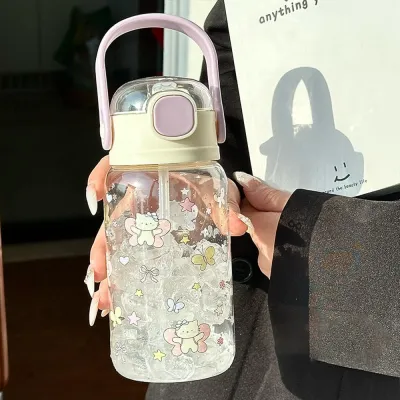
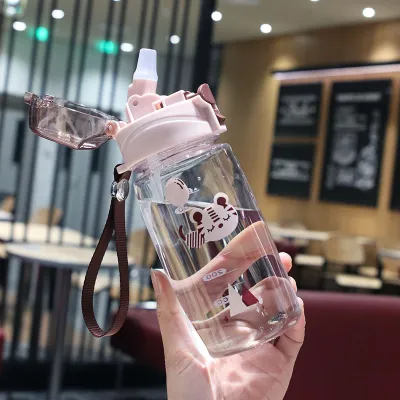
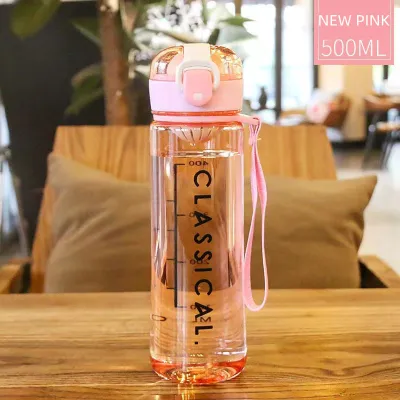
Prices are valid at publication and may change. Please refer to the product page for the latest price.
Understanding typical daily fluid guidelines is essential before introducing a large-capacity bottle. Pediatric guidelines generally suggest that toddlers aged one to three years require approximately one liter of fluids per day, which includes water, milk, and moisture from foods. A 500ml bottle represents half of this daily requirement. Consequently, parents should not expect a toddler to consume a full 500ml of milk in a single sitting. Instead, these large bottles are best utilized for all-day water hydration during outdoor play or for holding pre-measured portions of milk that are consumed over structured snack times.
Recognizing the physical and behavioral signs of readiness can help you decide if a larger bottle is appropriate. If your toddler consistently finishes a standard 240ml or 300ml bottle quickly and continues to search for more, or shows signs of lingering thirst after meals, they may benefit from a larger capacity. Additionally, the child must possess the physical strength and coordination to lift and tilt a heavier container. If your toddler still struggles with smaller bottles or prefers frequent, tiny sips throughout the day, sticking to smaller containers is advisable to prevent fatigue and overfeeding.
The distinction between using a 500ml bottle for milk versus water is critical, particularly in the tropical climate of the Philippines. Milk is highly perishable and can rapidly spoil when exposed to ambient tropical temperatures for more than an hour or two. If you fill a 500ml bottle with milk, it must be consumed promptly or refrigerated. For water, however, the large capacity is highly advantageous, allowing parents to carry a single, generous supply of clean drinking water during family outings, reducing the need to constantly find safe refilling stations.
Essential Features to Evaluate in 500ml Weaning Bottles
When evaluating large-capacity bottles for toddlers, material safety and structural durability must be your primary considerations. Because a full 500ml bottle is heavy, it is highly likely to be dropped, tossed, or knocked over during daily activities. Parents should carefully inspect manufacturer labels to verify that the materials used are entirely BPA-free and made from food-grade plastics, high-quality silicone, or tempered glass.

Material Safety and Durability
- Polypropylene (PP): A common, lightweight, and budget-friendly plastic that is highly shatterproof, though it may wear out faster under frequent sterilization.
- Polyphenylsulfone (PPSU): A medical-grade plastic known for its high heat resistance and extreme durability, making it ideal for frequent steam sterilization without degrading.
- Silicone: Offers a soft, squeezable texture that mimics natural feel, is highly drop-resistant, and does not leach chemicals, though it can be heavier than PP.
- Tempered Glass: The most chemically inert option, but the added weight of glass combined with 500ml of liquid can make it too heavy for independent toddler use, posing a breakage risk if dropped on hard tile floors.
Ergonomics and Grip
A full 500ml bottle weighs over half a kilogram, which can easily strain a toddler’s small hands and wrists. To facilitate independent drinking, look for bottles designed with built-in ergonomic features. Dual removable handles are highly recommended for weaning toddlers, as they allow for a secure, two-handed grip. Alternatively, contoured bottle bodies with textured surfaces or silicone sleeves can prevent slipping, especially when the bottle is wet or when the child’s hands are sweaty from playing in warm weather.
Lid and Flow Mechanisms
The choice of lid directly impacts your child’s oral motor development and the bottle’s spill-proof capabilities. For weaning toddlers, standard free-flow nipples should generally be phased out in favor of spouts, straws, or 360-degree rim lids.
- Spill-Proof Valves: Look for silicone valves that only release liquid when the child applies active suction, preventing messy spills in your diaper bag or on home furniture.
- Weighted Straws: These allow the toddler to drink from any angle, whether sitting upright or reclining, ensuring they do not swallow excess air.
- Bite-Resistant Spouts: Toddlers who are teething may chew on bottle spouts, so verifying that the material can withstand biting without tearing is essential for safety.
Cleaning and Maintenance
In humid environments, mold and bacteria can rapidly accumulate in the small crevices of bottle lids, straws, and valves. Prioritize bottles with wide-neck designs, which allow you to easily reach the bottom with a standard bottle brush. Avoid complex multi-part straw systems unless they can be completely disassembled for thorough cleaning. Always check the manufacturer’s instructions to verify if the parts are dishwasher-safe or if they require specific sterilization methods, such as boiling or UV sterilization.
Building a Conditional Shortlist for Your Toddler
With numerous options available on local e-commerce platforms and physical baby boutiques, creating a structured comparison framework can help you narrow down the choices to the safest and most practical options. Rather than relying on generic recommendations, parents should evaluate potential purchases against a strict baseline checklist tailored to their specific household needs.
The Baseline Checklist
- Capacity Verification: Ensure the bottle has clear, embossed graduation markings up to 500ml (or approximately 16 ounces) that will not fade after multiple washes.
- Leak-Proof Guarantee: Look for explicit manufacturer specifications regarding leak-proof seals, particularly when the bottle is tipped upside down or shaken.
- Age-Appropriate Flow: Verify that the included spout or straw is rated for the toddler stage (typically 12 months and older) to prevent choking from an excessively fast flow.
Evaluating Brand Transparency and Authenticity
When shopping on online marketplaces, counterfeit baby products can pose significant safety risks. To protect your child, always purchase from official brand stores or authorized local distributors. Verify product authenticity by checking for official holographic seals, batch numbers, and clear importer details on the packaging. Reading verified buyer reviews can also provide valuable insights into how well the bottle holds up to daily drops, sterilization, and general wear and tear over several months of use.
Price-to-Value Assessment
While the upfront cost of a premium 500ml bottle in ₱ may seem high, it is crucial to calculate the long-term value. Consider the availability and cost of replacement parts. Toddlers frequently chew through silicone straws and spouts; if a brand does not sell individual replacement straws or valves, you may be forced to buy an entirely new bottle, significantly increasing your long-term expenses. A slightly more expensive bottle with readily available, affordable replacement parts often represents a much better investment.
Creating Your Personalized Shortlist
To build your top-three shortlist, assess your toddler’s unique habits and your daily routine. If your child is highly active and prone to throwing objects, prioritize a PPSU or heavy-duty PP bottle with a protective silicone boot. If your child is still developing their grip strength, focus on lightweight models with dual handles. Finally, if you have a busy schedule, prioritize simple designs with minimal parts that can be cleaned quickly without specialized tiny brushes.
Practical Tips for Transitioning to a Larger Bottle
Introducing a larger, heavier bottle can sometimes cause temporary feeding regressions or frustration if the transition is managed too abruptly. To ensure a smooth adjustment, parents should implement gradual, supportive strategies that allow the toddler to build confidence and physical strength at their own pace.
Gradual Introduction Strategies
Do not feel pressured to fill the 500ml bottle to its maximum capacity on day one. A full bottle can be intimidating and physically exhausting for a toddler to lift. Start by filling the bottle only halfway (around 200ml to 250ml) to keep the weight manageable. As your child becomes accustomed to the new bottle shape and demonstrates improved wrist and grip strength, you can gradually increase the fluid volume over several weeks.
Managing Temperature and Weight
The temperature of the liquid inside the bottle can affect how the toddler handles it. Warm milk can make some thin plastic bottles feel slightly softer, while cold water can cause condensation to form on the exterior, making the surface slippery. Always perform a temperature check on your inner wrist before handing the bottle to your child. If you are serving warm liquids, ensure the bottle is rated for high temperatures and never heat the bottle with the lid or straw assembly attached, as pressure buildup can cause hot liquid to spray out.
Supervision and Posture
Regardless of how independent your toddler seems, active adult supervision is always required during feeding times. Ensure your child is seated in an upright position—such as in a high chair or at a toddler table—rather than lying down. Drinking from a large-capacity bottle while lying flat increases the risk of choking and can contribute to middle ear infections if liquid flows into the eustachian tubes. Encourage your child to take breaks between sips to pace themselves.
When to Pause or Step Back
Pay close attention to your toddler’s behavioral cues during the transition. If they show signs of frustration, push the bottle away, or refuse to drink entirely, do not force the issue. It is perfectly acceptable to pause the transition and temporarily return to smaller, familiar bottles or transition cups. Weaning is not a linear process, and giving your child a few days of comfort with their old routine can prevent long-term bottle aversion.
Frequently Asked Questions (FAQ)
Is a 500ml bottle too heavy for a toddler to hold independently?
A fully filled 500ml bottle weighs slightly over half a kilogram (approximately 1.1 pounds), which can indeed be challenging for a young toddler to lift and tilt independently. To prevent wrist strain and accidental drops, it is highly recommended to choose bottles made from lightweight materials like polypropylene (PP) or thin silicone rather than heavy glass. Utilizing removable dual handles or contoured bottle bodies can significantly improve your child’s leverage and control. If the weight remains an obstacle, simply fill the bottle partially and gradually increase the volume as your toddler’s motor skills and grip strength develop.
When is the right time to switch to a 500ml weaning bottle?
The transition to a 500ml bottle is typically appropriate for toddlers aged 12 to 18 months or older, who are actively weaning and consolidating their fluid intake. Signs of readiness include your child consistently finishing smaller 240ml bottles and showing signs of remaining thirsty, or requiring a larger, portable water source for outdoor activities. However, parents should always consult pediatric guidelines regarding daily milk limits—usually around 400ml to 500ml of milk per day at this stage—to ensure the large capacity is used primarily for water hydration rather than overfeeding milk, which can displace solid foods.
Should I choose a straw, spout, or open-cup lid for a 500ml bottle?
The ideal lid type depends on your toddler’s current oral motor development and your specific usage scenarios. Spout lids are excellent for early weaning as they offer a familiar transition from standard nipples, but you must verify that they are bite-resistant to withstand teething. Straw lids are highly recommended for older toddlers because they promote mature tongue posture, protect developing teeth from prolonged liquid exposure, and often feature weighted designs that allow drinking from any angle. Open-cup or 360-degree lids are excellent for teaching mature drinking habits at the dining table, though they may carry a higher risk of spills during active, on-the-go use.

Community discussion
Share your experience or ask a question. Comments are reviewed before publication.