
Traveling with a weaning baby in the Philippines presents unique challenges, particularly when maintaining a clean, safe, and organized feeding routine on the go. As your baby transitions from an all-milk diet to solid foods, your travel gear must pull double duty. You need containers that securely store breast milk or formula while also accommodating purees, mashed fruits, or small finger foods. The ideal travel milk container setup must be highly portable, exceptionally leak-proof, and capable of keeping milk safe from the tropical heat and humidity that characterize local travel.
By selecting the right combination of travel-friendly milk containers, you can confidently step out for a quick mall trip, a weekend beach getaway, or a flight across the islands. Building a customized travel feeding kit requires understanding the specific materials, designs, and hygiene factors that suit both your baby’s developmental stage and your travel itinerary. This guide breaks down the essential features to look for, compares the most practical container types, and provides actionable tips for keeping your baby’s food safe and fresh throughout your journey.
Essential Features for Travel-Friendly Milk Containers
When packing a diaper bag for travel, space and weight are critical. However, safety and functionality must always come first when choosing a milk container for travel. Understanding core specifications ensures your baby’s milk remains uncontaminated and your gear stays dry.
Products mentioned in this guide
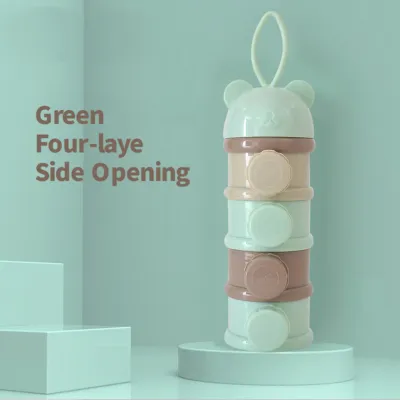
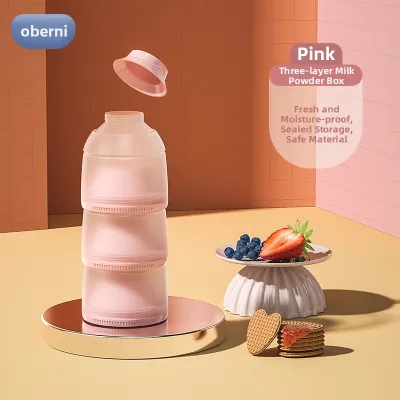
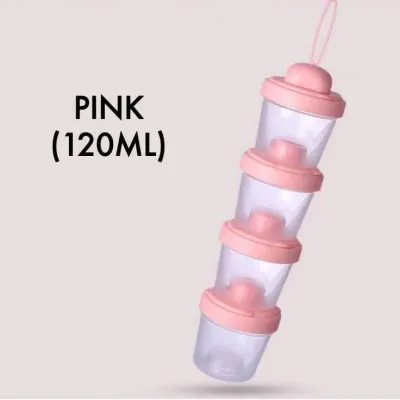
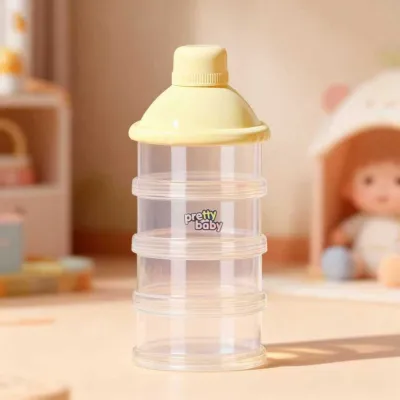
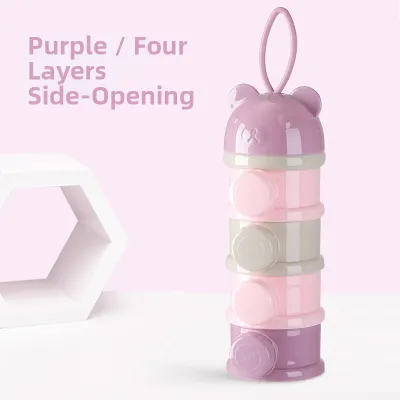
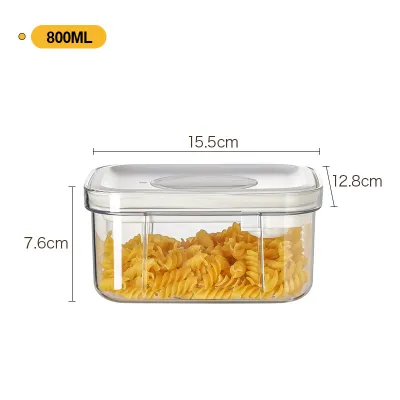
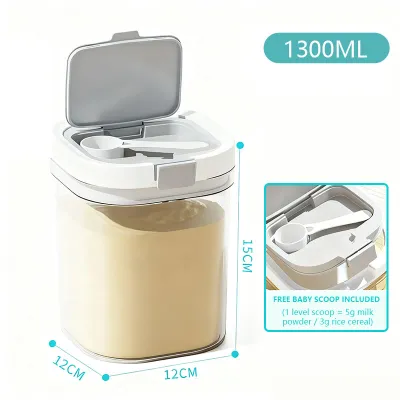
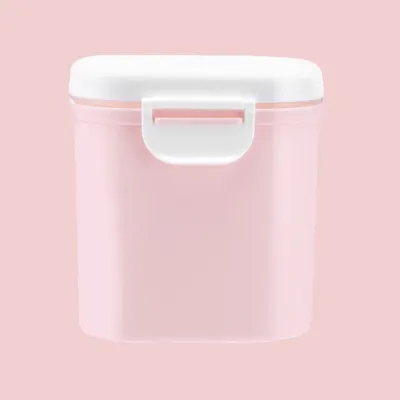
Prices are valid at publication and may change. Please refer to the product page for the latest price.
Material safety is the foundation of any high-quality baby feeding product. Always verify that any plastic container is explicitly labeled as BPA-free, phthalate-free, and non-toxic. Food-grade silicone and high-quality stainless steel are excellent alternatives. Silicone is lightweight, flexible, and highly temperature-resistant, while stainless steel offers outstanding durability and natural thermal properties. Whichever material you choose, verify the manufacturer’s specifications to ensure it is rated for food storage and repeated sterilization.
Leak-proof mechanisms are non-negotiable on the move. A single spilled bottle can ruin a diaper bag, damage electronics, and leave you without a feed. Look for containers with robust sealing systems, such as high-quality silicone gaskets, secure screw-on lids, or locking snap caps. If using bottles or cups with straw or spout attachments, ensure they feature spill-proof valves. Before taking any new container on a trip, perform a simple home test: fill it with water, seal it, and shake it vigorously or leave it upside down on a paper towel for an hour to verify its seal integrity.
Portability factors dictate how easily a container fits into your mobile lifestyle. Lightweight designs prevent your diaper bag from becoming excessively heavy. Stackable or nesting containers are highly beneficial, allowing you to carry multiple portions of milk powder or snacks without taking up unnecessary horizontal space. Slim, cylindrical shapes generally slide more easily into the side pockets of standard diaper bags, keeping them within arm’s reach when your baby becomes fussy.
Comparing Container Types for Weaning and Travel
As your baby navigates the weaning stage, nutritional intake shifts, and so do your storage needs. Different container designs serve distinct purposes, and most parents find that a combination of types works best for travel.

Pre-portioned formula dispensers are incredibly useful for parents using infant formula. These containers typically feature multiple compartments, allowing you to measure out precise amounts of dry formula powder at home. When it is time to feed, you simply rotate the lid to the desired compartment and pour the powder directly into a bottle of warm water. This system eliminates bulky formula tins, minimizes the risk of spilling powder in a moving vehicle, and ensures fast, hygienic preparation. Look for dispensers with narrow, funnel-shaped spouts that fit easily into bottle openings.
Insulated thermal bottles are essential for managing liquid temperatures while on the move. In the tropical climate of the Philippines, prepared milk can spoil rapidly if left at ambient temperatures. A high-quality, double-walled stainless steel thermal bottle can keep sterilized warm water at the ideal mixing temperature for hours, allowing you to prepare fresh formula on demand. Alternatively, if you are traveling with expressed breast milk, an insulated bottle can help maintain a cool temperature when paired with a reliable cooler bag. Prioritize bottles with vacuum insulation technology to prevent external heat from affecting the liquid inside.
Stackable silicone cups or pods offer unmatched versatility during the weaning transition. These containers are perfect for holding small portions of expressed breast milk, but their utility extends far beyond liquid storage. As your baby begins eating solids, you can use these same pods to carry purees, mashed vegetables, or small snacks. Many silicone pods are safe for use in the freezer, microwave, and sterilizer, allowing you to prep baby food in advance, freeze it, and warm it up safely when you reach your destination. Their flexible nature also makes them highly durable, as they will not crack or shatter if dropped.
Matching the Container to Your Travel Scenario
The best container setup for your family depends heavily on the nature of your trip. Adapting your gear to your specific travel conditions ensures both convenience and food safety.
For short day trips, such as a visit to a local shopping mall, a minimalist setup is usually sufficient. A single pre-portioned formula dispenser or two pre-filled, leak-proof bottles kept in an insulated sleeve will easily cover a few hours away from home. However, if you are planning a long-haul flight or an extended road trip across provinces, you will need to scale up your capacity. For long journeys, pack enough dry formula or stored milk to last the entire duration of the trip, plus a few extra portions in case of unexpected travel delays. Using stackable, color-coded containers can help you keep track of feeding sequences during long, tiring travel days.
Managing temperature control is a critical consideration in the Philippines, where outdoor temperatures and humidity levels are consistently high. Bacteria can multiply rapidly in prepared milk left at room temperature. If you do not have access to reliable refrigeration during your journey, avoid mixing formula in advance. Instead, carry your sterilized water in an insulated thermal bottle and your formula powder in a dry dispenser, mixing them only when your baby is ready to feed. If you must travel with liquid breast milk or pre-mixed formula, always store the containers inside a high-quality cooler bag packed with frozen gel packs, and monitor the temperature closely.
Your baby’s specific weaning stage should also guide your container selection. In the early stages of weaning, when milk remains the primary source of nutrition, your focus should be on high-capacity milk bottles and formula dispensers. As your baby progresses to eating more solid foods, you can gradually replace some of your milk containers with small, airtight food jars or silicone suction bowls with travel lids. This transition allows you to carry a balanced mix of milk and solid meals without cluttering your diaper bag with single-purpose items.
Hygiene, Cleaning, and Safety Checks
Maintaining strict hygiene standards is paramount when traveling, as babies have developing immune systems that are highly sensitive to foodborne bacteria. Travel environments often present limited access to clean water and sanitizing equipment, making container design and maintenance crucial.
When selecting travel milk containers, pay close attention to their physical design. Avoid containers with overly complex shapes, deep crevices, narrow straw channels, or non-removable valves. These hard-to-reach areas are notorious for trapping milk residue, which can quickly lead to mold growth and bacterial contamination, especially in warm, humid climates. Opt for wide-neck bottles and containers with simple, fully disassemblable parts. This design allows you to thoroughly scrub every surface with a travel-sized bottle brush and mild dishwashing liquid, even in a hotel sink or a public restroom.
Before sterilizing your containers, always verify their sterilization compatibility by reading the manufacturer’s care instructions. Not all materials can tolerate the high heat of boiling water, steam sterilizers, or the intense light of UV sanitizing bags. For instance, some lightweight plastics may warp or degrade when exposed to extreme heat, while certain silicone components might discolor over time. If you plan to use a portable UV sterilizer bag during your travels, ensure your containers are certified safe for UV exposure. Always allow all parts to air-dry completely on a clean surface before reassembling them, as trapping moisture inside a sealed container can encourage mold development.
Regularly inspect your travel containers for signs of wear and tear. Over time, repeated washing, sterilization, and travel use will take a toll on even the most durable materials. Inspect silicone seals and gaskets for stretching, cracking, or loss of elasticity, which can compromise the leak-proof seal. Look closely at plastic containers for cloudiness, deep scratches, or a sticky texture; these are clear indicators that the material is degrading and needs immediate replacement. If you notice any damage, discard the item immediately to prevent microplastics or bacteria from contaminating your baby’s milk.
Shopping Locally and Verifying Product Authenticity
Finding reliable, high-quality travel milk containers in the Philippines is straightforward if you know where to look and how to verify what you are buying. The local market offers a wide range of options, but ensuring product safety requires a cautious approach.
For the safest shopping experience, visit established baby specialty stores, major department stores, or reputable pharmacies located in major cities. These physical retail outlets source their inventory directly from authorized distributors, giving you peace of mind regarding product safety and material quality. If you prefer the convenience of online shopping, utilize authorized e-commerce platforms and official brand storefronts. Look for “official store” or “mall” badges on these platforms, which indicate that the seller is verified by the brand or platform operator. Prices for high-quality travel containers typically range from ₱200 to ₱1,500 depending on the material and brand.
Verifying product authenticity is crucial when buying baby feeding gear online, as counterfeit products may contain harmful chemicals like BPA or industrial-grade colorants. Before making a purchase, read recent user reviews carefully, paying close attention to photos uploaded by other parents. Look for comments regarding the packaging quality, the presence of official instruction manuals, and the overall feel of the material. Authentic products typically feature crisp, clear printing on the packaging, secure seals, and no strong chemical odors upon opening.
Finally, always inspect the product packaging for standard compliance marks or safety certifications before checkout. Look for internationally recognized safety symbols, such as the CE mark, FDA compliance statements, or specific BPA-free certifications. Many reputable brands also include holographic authenticity stickers or unique scratch-off verification codes on their packaging. Taking a few extra minutes to verify these details ensures that you are investing in a genuine, safe product that will protect your baby’s health throughout your travels.
Frequently Asked Questions (FAQ)
Can I bring milk containers and prepared formula on domestic flights in the Philippines?
Yes, you are generally allowed to bring milk containers, prepared formula, breast milk, and sterilized water for baby use on domestic flights in the Philippines. Airport security guidelines, managed by the Office for Transportation Security (OTS), recognize these items as essential medical and dietary liquids. This means they are exempt from the standard 100ml limit on liquids, aerosols, and gels in hand luggage. However, you must declare these items at the security checkpoint for separate screening. Security officers may ask you to open the containers or verify their contents. To ensure a smooth process, pack only what is necessary for the flight duration, store the liquids in clear, easily accessible containers, and check with your specific airline for any updated baggage policies before your departure date.
How do I keep prepared milk safe in hot weather without a cooler bag?
Keeping prepared milk safe in hot weather without a cooler bag requires careful planning, as warm ambient temperatures accelerate bacterial growth. If you do not have a cooler bag, the safest approach is to avoid preparing the milk in advance. Instead, carry sterilized water in a high-quality insulated thermal bottle, which will maintain its temperature for several hours. Keep your formula powder dry in a separate dispenser. When your baby is ready to feed, mix the powder and water on the spot to ensure the milk is fresh and safe. If you are using expressed breast milk, it must be consumed within four hours of expression at room temperature; if you cannot keep it cool, it is best to feed your baby immediately or plan your outings around your expression schedule to minimize storage time.

Community discussion
Share your experience or ask a question. Comments are reviewed before publication.