
The best tongue cleaner or toothbrush for a teething baby depends on their specific developmental stage, the number of erupted teeth, and gum sensitivity. For newborns and early teething stages, a soft food-grade silicone finger brush or a clean, damp cotton cloth is ideal for gently massaging sore gums and wiping away milk residue. As more teeth erupt, transitioning to an ultra-soft-bristled infant toothbrush with a built-in choke guard ensures effective plaque removal while protecting delicate oral tissues.
In the Philippines, parents often search for the right pang linis ng dila ni baby to address the white buildup from milk, especially during the warm, humid months when oral hygiene is vital to prevent discomfort. Selecting the right tool involves balancing gentle gum stimulation with effective cleaning, ensuring your little one stays comfortable throughout the teething process. By understanding the unique needs of your baby’s mouth at each stage, you can establish healthy oral hygiene habits that last a lifetime.
Understanding Your Teething Baby's Oral Care Needs
Teething is a major milestone that significantly alters your baby’s oral environment. During this phase, you will likely observe classic signs such as increased drooling, swollen or red gums, a tendency to bite on hard objects, and general irritability. These physical changes make the oral tissues highly sensitive, meaning that any tool used inside the mouth must be exceptionally gentle to avoid exacerbating discomfort.
Products mentioned in this guide
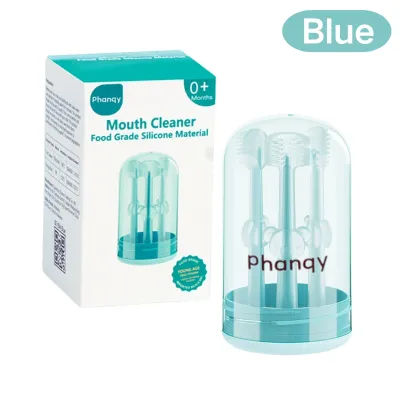
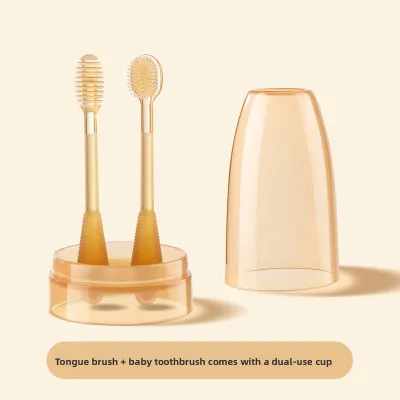
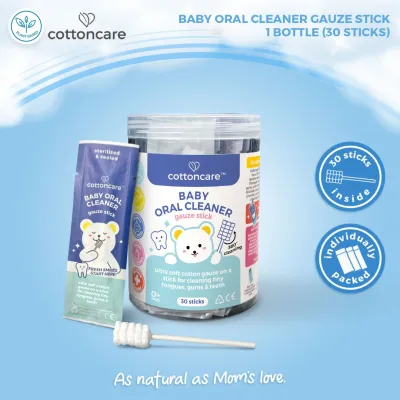
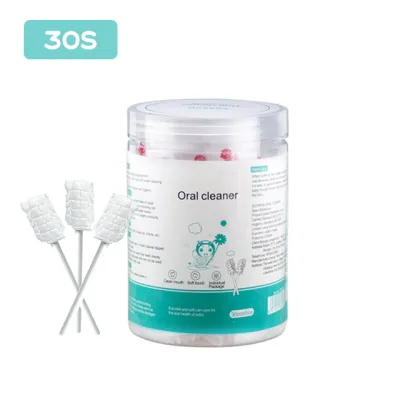
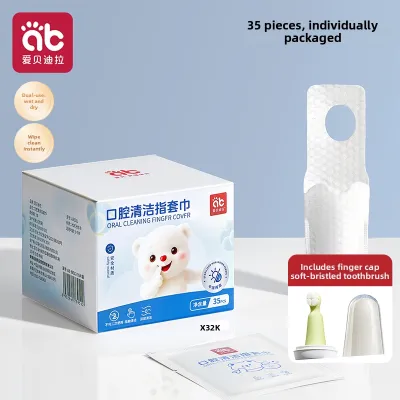
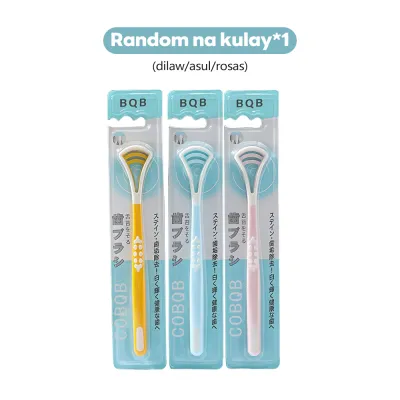
Prices are valid at publication and may change. Please refer to the product page for the latest price.
The difference between cleaning a pre-teething infant’s mouth and a teething baby’s mouth lies in the sensitivity of the gums and the presence of emerging teeth. Before teething, oral care focuses primarily on wiping away milk residue from the tongue and gums to prevent bacterial buildup. Once teething begins, the gums become tender and inflamed, requiring tools that can soothe irritation while still maintaining cleanliness. A tool that worked well during the first few months may suddenly cause distress if it rubs against a highly sensitive area where a tooth is about to break through.
Milk residue, if left uncleaned, can create a breeding ground for bacteria, leading to oral issues or persistent bad breath. However, scrubbing too hard or using an inappropriate tool can damage the delicate mucosal lining of the mouth or irritate the erupting tooth buds. The goal during this transitional period is to maintain a clean oral environment through gentle wiping and massaging, which helps soothe sore gums while keeping the tongue clean. Balancing these needs requires a careful selection of materials and a gentle technique that respects your baby’s comfort levels.
Types of Tongue Cleaners and Toothbrushes for Babies
Navigating the baby care aisle can be overwhelming with the variety of oral hygiene products available. Generally, these tools fall into three main categories: silicone finger brushes, soft-bristled infant toothbrushes, and infant tongue wipes or specialized scrapers. Each category serves a distinct purpose depending on your baby’s age and developmental milestones.

Choosing the right pang linis ng dila ni baby is not a one-size-fits-all decision; it depends heavily on your baby’s age, the number of erupted teeth, and their tolerance for oral stimulation. While a newborn might only require a simple wipe, a toddler with several teeth will need the mechanical cleaning action of bristles. Understanding the strengths and limitations of each type allows you to make an informed choice that supports your baby’s oral health without causing distress.
Silicone Finger Brushes
Silicone finger brushes are designed to fit snugly over an adult’s index finger, allowing you to control the pressure and movement precisely. These are best suited for newborns up to the early stages of teething, typically before multiple teeth have fully erupted. The soft, flexible silicone nodules are excellent for massaging sore, swollen gums, which can provide immense relief to a teething infant.
One of the primary advantages of a finger brush is the tactile feedback it provides. Because your finger is inside the baby’s mouth, you can easily feel where the emerging teeth are and adjust your pressure accordingly. This close contact also helps babies get accustomed to having their mouths cleaned, making the transition to traditional toothbrushes smoother later on.
However, silicone finger brushes have distinct limitations. Once your baby starts developing multiple sharp incisors, a finger brush offers little protection against accidental bites, which can be painful for the caregiver. Additionally, silicone bristles are not as effective at sweeping away stubborn plaque from erupted teeth as nylon bristles, and the hollow design of the finger sleeve requires meticulous cleaning and drying to prevent mold from forming inside.
Soft-Bristled Infant Toothbrushes
As your baby transitions past the initial teething phase and multiple teeth begin to erupt, a soft-bristled infant toothbrush becomes necessary. These brushes are specifically designed for babies who need more robust plaque removal than what silicone can offer. They feature very small brush heads to fit comfortably in tiny mouths and are equipped with ultra-soft bristles to protect delicate gum tissue.
The main benefit of a bristled brush is its superior ability to clean the grooves of newly erupted teeth and the textured surface of the tongue. Many infant toothbrushes also feature wide, chunky handles or circular guards that make them easy for small hands to grip, encouraging early self-care habits under close supervision.
Despite their benefits, bristled brushes require careful handling. The bristles must be checked regularly for wear and tear, as frayed bristles can scratch sensitive gums. Furthermore, because babies do not yet have the coordination to control a brush, parents must maintain strict supervision during use to prevent the baby from pushing the brush too far back, which can cause gagging or choking.
Infant Tongue Wipes and Scrapers
Infant tongue wipes and specialized scrapers offer a convenient alternative for daily oral hygiene, particularly for quick cleanups or when traveling. Tongue wipes are typically made of soft, textured disposable cloth moistened with water or food-grade ingredients, while infant scrapers are small, loop-shaped tools designed to gently sweep milk film off the tongue.
These tools are highly convenient for busy parents and are often well-tolerated by babies who resist having a bulky brush inserted into their mouths. Wipes are especially useful for cleaning the hard-to-reach areas of the mouth after late-night feedings without fully waking a sleeping baby.
On the downside, disposable wipes generate ongoing waste and do not provide the mechanical cleaning required once teeth have fully emerged. Infant tongue scrapers, while effective at removing milk buildup, must be designed specifically for babies; using a tool with a head that is too large or rigid can easily trigger the gag reflex or cause minor tissue damage if the baby moves suddenly.
Safety Standards and Features to Check Before Buying
When shopping for oral care products on any online marketplace or local baby store, safety must be your absolute priority. Always inspect the product packaging to verify that the materials used are completely non-toxic. Look for clear labels indicating that the product is free from Bisphenol A (BPA), polyvinyl chloride (PVC), and phthalates, and ensure that any silicone components are certified as food-grade.
Choking hazards are a critical concern for any object designed to go into a baby’s mouth. When selecting a toothbrush or tongue cleaner, prioritize one-piece designs where the head and handle are molded together, reducing the risk of small parts detaching. If you choose a bristled brush, look for models with securely anchored bristles and built-in choke guards—wide collars that prevent the brush from being pushed too deep into the throat.
Ergonomics and sizing play a vital role in both safety and usability. The brush head must be small enough to navigate the tight spaces of an infant’s mouth without bumping against sensitive gums or the roof of the mouth. The handle should be designed to give you a secure grip, preventing accidental slips that could cause injury to your baby’s delicate oral tissues. While high-quality infant oral care tools are generally affordable, often costing under ₱500, prioritizing safety certifications over the lowest price is essential for your peace of mind.
Before finalizing any purchase, it is highly recommended to check official consumer safety databases for any recent product recalls or manufacturer warnings. Because many baby products are imported and sold across various ecommerce platforms, verifying that a specific brand complies with international safety standards ensures you are not exposing your child to substandard materials or structural defects.
How to Clean Your Teething Baby's Tongue and Gums Safely
Cleaning a teething baby’s mouth requires a gentle touch, patience, and the right technique. Start by washing your hands thoroughly with soap and water to avoid introducing new bacteria into your baby’s mouth. Cradle your baby securely in your arms, ensuring their head is well-supported, or lay them gently on a flat, comfortable surface where you have a clear view of their mouth.
Gently slip your gloved finger, finger brush, or damp wipe into your baby’s mouth. Using light, circular motions, massage the gums, paying extra attention to the areas where teeth are erupting, as this pressure can help relieve teething pain. To clean the tongue, sweep the tool gently from the back of the tongue toward the front, taking care not to insert the tool too far back to avoid triggering the gag reflex.
Establishing a consistent routine is key to long-term oral health. It is generally recommended to clean your baby’s mouth at least twice a day—ideally after the first morning feeding and right before bedtime. This practice prevents milk sugars from sitting on the gums and teeth overnight, which is when bacterial activity tends to increase.
While routine cleaning is beneficial, you must know when to pause. If your baby shows signs of severe distress, cries persistently, or if you notice bleeding from the gums, stop the cleaning immediately. Additionally, keep an eye out for thick, white patches on the tongue or inner cheeks that do not wipe away easily; this is a common sign of oral thrush, a fungal infection that requires medical evaluation.
If you observe persistent bleeding, unusual swelling, or if your baby consistently resists oral cleaning due to apparent pain, consult a pediatrician or a pediatric dentist. A professional can inspect your baby’s oral development, ensure that teething is progressing normally, and provide personalized guidance on managing oral hygiene during difficult teething phases.
Frequently Asked Questions (FAQ)
Can I use a regular adult tongue scraper for my baby?
No, you should never use an adult tongue scraper on a baby. Adult oral care tools are anatomically inappropriate for an infant’s small mouth, featuring sharp edges, rigid materials, and dimensions that can easily cause injury. Using an adult-sized scraper carries a high risk of triggering a severe gag reflex, damaging the delicate oral mucosa, or causing accidental choking if the tool slips. Always stick to tools specifically designed and sized for infants.
How do I clean and store the baby's tongue cleaner to prevent mold?
To keep your baby’s tongue cleaner hygienic, wash it thoroughly with warm, soapy water immediately after each use. If the manufacturer’s instructions allow, you can sterilize silicone tools in boiling water or a steam sterilizer. In the humid, tropical climate of the Philippines, mold and bacteria can quickly accumulate in damp spaces, so it is crucial to let the tool air-dry completely in a well-ventilated area before storing it in a clean, dry container.
Is it normal for my teething baby's gums to bleed slightly during cleaning?
Mild spotting or slight bleeding can occasionally occur when a new tooth is actively erupting, as the gum tissue in that area becomes highly inflamed and delicate. If you notice minor bleeding, reduce the pressure immediately and switch to a softer cleaning method, such as a damp cotton cloth or a very soft silicone finger brush. However, if the bleeding is heavy, persistent, or accompanied by fever or refusal to feed, stop cleaning and consult your pediatrician or pediatric dentist promptly.

Community discussion
Share your experience or ask a question. Comments are reviewed before publication.