
Starting solids is an exciting milestone for families, marking a transition from exclusive milk feeding to a world of diverse textures and flavors. Choosing the right spoon and fork for kids set is not just about finding appealing colors; it is about supporting your baby’s developing motor skills and ensuring their safety at the high chair. Because infants grow and adapt rapidly, the ideal utensil set changes depending on whether you are practicing parent-led purees or baby-led weaning. By focusing on ergonomic designs, safe materials, and age-appropriate shapes, you can make mealtime a positive, developmental experience while navigating the unique challenges of a tropical climate, such as high humidity affecting utensil storage.
Essential Features for a Baby's First Utensils
When selecting a spoon and fork for kids set, several non-negotiable design features ensure that early feeding remains safe, comfortable, and developmentally appropriate. The first physical attribute to examine is the depth of the spoon bowl. For babies just starting solids, a shallow spoon bowl is crucial. Deep spoons hold too much food, which can overwhelm a baby’s small mouth and trigger the gag reflex. A shallow design allows your baby to easily clear the food from the spoon using their upper lip, promoting a natural and efficient swallowing pattern.
Next, pay close attention to the tips of both the spoon and the fork. A baby’s gums are highly sensitive, especially when teething, and their early attempts at self-feeding are often uncoordinated. Soft, rounded tips are essential to prevent accidental scrapes or bruising inside the mouth. If you are introducing a fork, the prongs must be blunt and rounded rather than sharp, allowing the baby to practice piercing soft foods without the risk of puncturing their delicate oral tissues.
Products mentioned in this guide
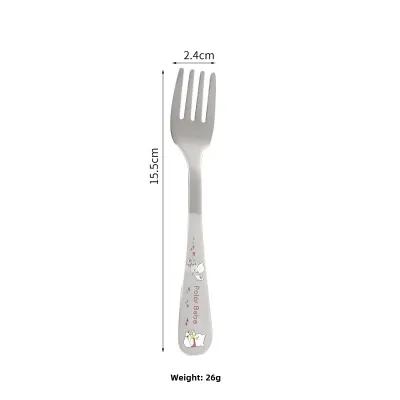
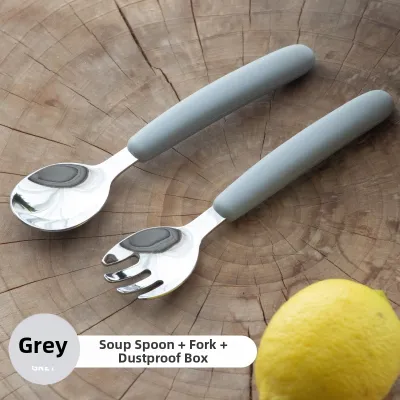
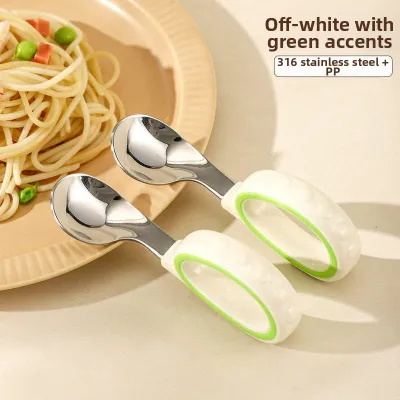
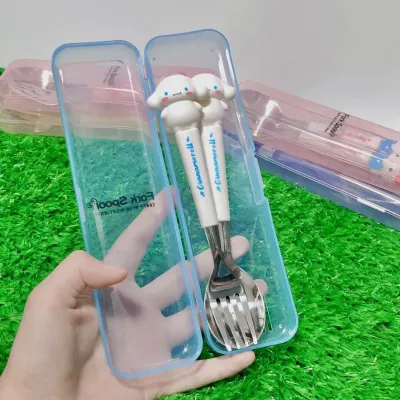
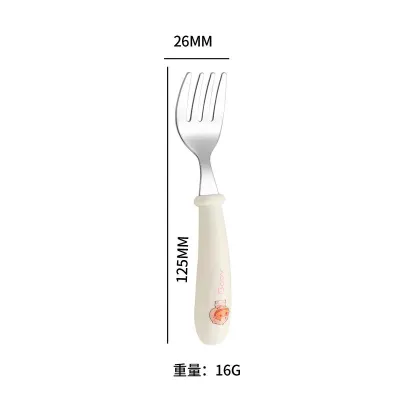
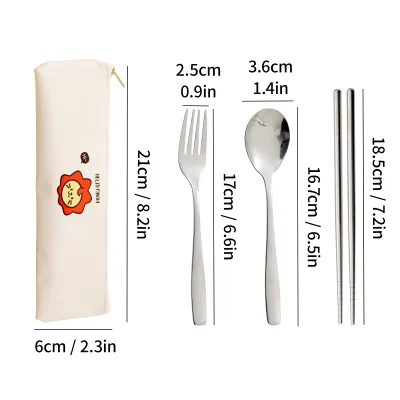
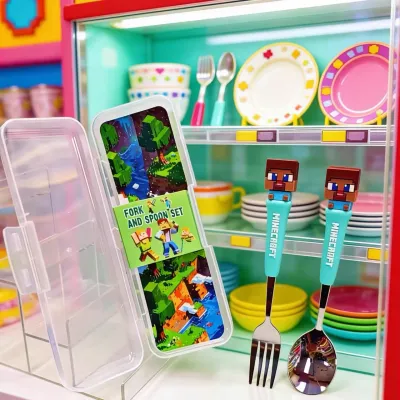
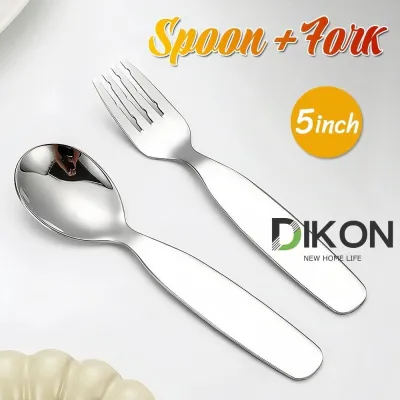
Prices are valid at publication and may change. Please refer to the product page for the latest price.
The handle design is another critical factor that directly impacts your baby’s ability to feed themselves. Infants do not possess the fine motor skills required for a mature pencil grip; instead, they use a palmar grasp, wrapping their entire fist around an object. Therefore, look for utensils with chunky, textured, and easy-to-grip handles. These thick handles fill the baby’s small palm, providing the stability they need to guide the utensil toward their mouth with minimal frustration.
Finally, built-in safety features like choke guards or wide collars offer peace of mind during independent feeding sessions. A choke guard is a wide barrier situated between the handle and the utensil head. This physical barrier prevents the baby from inserting the spoon or fork too far into their throat, reducing the risk of choking or severe gagging. As your baby explores textures and refines their hand-eye coordination, these safety guards act as a protective boundary, allowing them to learn at their own pace under your close supervision.
Comparing Materials for Weaning Spoons and Forks
The material of your baby’s utensil set affects its durability, safety, and how easy it is to maintain in a warm, humid environment. Food-grade silicone is one of the most popular choices for early weaning. It is incredibly soft, flexible, and gentle on tender gums, making it an excellent sensory introduction to utensils. Silicone is also highly heat-resistant, meaning it can withstand sterilization processes. However, in tropical climates, silicone can sometimes attract fine dust or retain a soapy residue if not rinsed thoroughly with clean water. Parents should regularly check that silicone utensils are completely dry before storing them in closed cabinets.

Stainless steel is a classic material that offers unmatched durability and longevity. It is highly resistant to staining, odors, and scratches, making it incredibly easy to sanitize. While stainless steel is too hard for the very early stages of weaning when babies tend to bite down forcefully on utensils, it is the ideal choice for older babies and toddlers who have developed better control. When choosing stainless steel, look for sets that feature food-grade stainless steel paired with comfortable silicone or plastic handles, ensuring a secure grip while maintaining a durable feeding tip.
Bamboo and wood utensils are favored by families seeking eco-friendly, natural alternatives. These materials are lightweight and do not conduct heat, keeping the utensil comfortable to hold even when serving warm food. However, wooden and bamboo utensils require meticulous care, especially in humid regions. They cannot be soaked in water for extended periods or washed in a dishwasher, as prolonged moisture exposure can cause the wood to splinter, crack, or harbor mold. If you choose bamboo, ensure you wash them immediately after use, dry them thoroughly in a well-ventilated area, and inspect them regularly for any rough edges.
Plastics remain widely available and highly affordable, but they require careful label verification. When evaluating plastic spoon and fork sets, always check the manufacturer’s packaging to ensure the product is free from harmful chemicals such as BPA, BPS, phthalates, and PVC. Plastic utensils are lightweight and durable, but they can degrade over time, developing scratches that harbor bacteria. If you opt for plastic, choose high-quality, food-grade plastics designed specifically for infants, and be prepared to replace them at the first sign of surface wear or discoloration.
Matching Utensil Design to Your Baby's Feeding Stage
As your baby progresses through different stages of physical development, their utensil needs will shift. Matching the design of the spoon and fork to your baby’s current feeding stage ensures they receive the right level of support as they build confidence and coordination.
Stage 1, which typically involves parent-led feeding, requires utensils designed for the caregiver’s hand rather than the baby’s. During this stage, look for spoons with long, slender handles. These long handles allow you to easily reach into deep baby food jars or containers without getting food on your fingers. They also give you better leverage and control as you guide the spoon toward your baby’s mouth, helping you deliver small, manageable portions of purees or mashed foods.
Stage 2 focuses on self-feeding and Baby-Led Weaning (BLW), where the baby takes the lead in exploring food. For this stage, long handles are counterproductive, as babies lack the coordination to guide a long stick to their mouths. Instead, look for short, chunky, or teardrop-shaped handles. Some Stage 2 utensils feature angled or curved heads that bring the food closer to the baby’s mouth even if they cannot yet rotate their wrists. These designs encourage independent scooping and help babies successfully feed themselves, reinforcing their self-feeding instincts and reducing mealtime frustration.
Stage 3 represents the toddler transition, where your child’s hand-eye coordination has improved significantly. At this point, you can transition to slightly larger spoon bowls and longer, more traditional handles that mimic adult cutlery. The fork prongs can be slightly more defined to allow for actual piercing of firmer family foods, though they should still remain blunt for safety. This stage prepares your child for standard family meals, helping them refine their grip and transition smoothly to independent eating habits.
Safety Verification and Care Instructions
Ensuring the safety and hygiene of your baby’s spoon and fork for kids set requires a combination of careful product selection and diligent daily maintenance. Before purchasing any utensil set, always read the manufacturer’s labels carefully. Look for explicit age recommendations, such as “6 months+” or “12 months+”, to ensure the size and design match your baby’s developmental stage. Additionally, verify that the packaging clearly states compliance with food safety standards and lists all material compositions.
Understanding the limits of your cleaning appliances is vital to preventing material degradation. Not all baby utensils are dishwasher-safe, microwave-safe, or compatible with steam and UV sterilizers. For instance, high heat in a dishwasher or sterilizer can warp certain plastics, degrade the protective finish on bamboo, or cause silicone to lose its shape over time. Always refer to the manufacturer’s instructions for specific care guidelines. If a material is not rated for high-heat sterilization, stick to hand-washing with mild, baby-safe dish soap and warm water.
Routine inspections are a critical part of maintaining a safe feeding environment. Before every meal, take a few seconds to inspect your baby’s utensils. Check silicone tips for tears or bite marks, as loose pieces can become choking hazards. Examine plastic utensils for deep scratches, cracks, or rough edges that could harbor bacteria or scratch your baby’s mouth. For wooden or bamboo utensils, feel the surface for any signs of splintering or dampness that could indicate mold growth.
Knowing when to retire a utensil is just as important as knowing how to clean it. If you notice any structural damage, such as deep cracks, peeling coatings, loose joints between the handle and the head, or persistent discoloration and odors that do not fade after washing, stop using the utensil immediately. Replacing worn-out utensils promptly ensures that your baby’s mealtime remains hygienic and free from avoidable hazards.
Building Your Baby Utensil Shortlist
When you are ready to purchase a spoon and fork for kids set, creating a structured shopping framework helps you make an informed decision without overspending. Start by setting a realistic budget. In the local market, baby utensil sets can range from budget-friendly multi-packs costing around ₱150 to premium, ergonomically designed single sets priced upwards of ₱500. While premium sets often offer advanced safety features like choke guards or specialized materials, practical multi-packs are highly convenient because baby utensils are easily misplaced, dropped on the floor, or left behind during family outings.
Next, leverage the power of online baby stores and e-commerce platforms to evaluate product descriptions and verified buyer reviews. Look for feedback from other parents regarding how easy the utensils are to clean, whether they fit comfortably in a baby’s hand, and how well they hold up after repeated washing and sterilization. Pay close attention to reviews that mention durability, as some materials may degrade faster than expected under daily use.
Consider whether you want to build a cohesive weaning setup by checking the availability of matching accessories. Many brands offer utensil sets that coordinate with suction bowls, divided plates, and silicone training cups. Purchasing a matching set can simplify meal prep and storage, while also ensuring that the utensils fit properly within the compartments of the matching plates.
Finally, protect your purchase by reviewing seller ratings and return policies before finalizing your order on e-commerce platforms. Ensure you are buying from authorized distributors or highly rated official stores to avoid counterfeit products that may not meet food-grade safety standards. A flexible return policy is also beneficial in case the utensils arrive with manufacturing defects or do not match the descriptions provided online.
Frequently Asked Questions (FAQ)
When should I introduce a fork alongside the spoon?
Babies are typically ready to explore using a fork around 12 to 18 months of age, though this depends on their individual motor skill development. Look for signs that your baby can successfully bring a spoon to their mouth and is beginning to show interest in piercing food rather than just scooping it. Introduce a fork when serving soft, easily pierceable foods like steamed sweet potato cubes, banana slices, or soft meatballs. Always ensure the fork has blunt, rounded prongs designed specifically for toddlers, and maintain active caregiver supervision throughout the meal to prevent accidental pokes.
How do I properly clean and sanitize baby spoons and forks?
For daily cleaning, wash baby utensils immediately after meals using warm water, mild baby-safe dish soap, and a soft sponge to remove food residue from crevices and handle joints. To sanitize, check the manufacturer’s guidelines first; food-grade silicone and stainless steel can usually be sanitized using boiling water, steam, or UV sterilizers. Bamboo and wood should never be boiled or placed in sterilizers; instead, wash them by hand and dry them immediately. In humid climates, ensure all utensils are completely air-dried in a well-ventilated rack before storing them in closed drawers to prevent mold and bacterial growth.
Are angled or curved spoons necessary for baby-led weaning?
Angled or curved spoons are not strictly necessary, but they can be highly beneficial during the early stages of self-feeding. When babies first learn to feed themselves, they lack the wrist rotation required to keep a straight spoon level as it approaches their mouth, often leading to spilled food. Angled spoons compensate for this limited mobility, making it easier for the baby to successfully feed themselves. However, as your baby’s motor skills mature and they learn to rotate their wrists, you should gradually transition them to standard, straight utensils to help them adapt to normal family tableware.

Community discussion
Share your experience or ask a question. Comments are reviewed before publication.