
Starting solid foods is an exciting milestone for parents in the Philippines, but it often comes with a sudden increase in household expenses and plastic waste. Preparing homemade purees using a blender or food processor is an excellent way to provide fresh, nutrient-dense meals, but serving them on the go can be a challenge. Reusable baby food pouches offer a practical, portable, and eco-friendly solution, allowing you to pack homemade blends of local ingredients like kalabasa, kamote, and saging for convenient feeding anywhere. Choosing the right pouch requires balancing material safety, ease of cleaning, and leak-proof designs to ensure your baby’s meals remain fresh and safe in our warm, humid climate.
Why Switch to Reusable Pouches for Homemade Baby Food?
Transitioning from single-use commercial baby food to homemade purees stored in reusable pouches offers significant financial benefits. Pre-packaged baby food pouches in local supermarkets can be expensive, often costing between ₱80 and ₱150 per individual serving. When your baby begins eating solids multiple times a day, these costs accumulate rapidly. By purchasing fresh, local produce from the market and blending it at home, you can prepare large batches of nutritious food for a fraction of the cost, storing the portions in reusable pouches for future meals.
In addition to financial savings, choosing reusable pouches helps reduce your household’s environmental footprint. Single-use plastic pouches are difficult to recycle and contribute heavily to landfill waste and plastic pollution. By investing in a set of durable, washable pouches, you can prevent hundreds of plastic packages from entering the waste stream over your baby’s first year of solid foods. This small change in your daily routine supports a more sustainable lifestyle while keeping your home cleaner.
Products mentioned in this guide
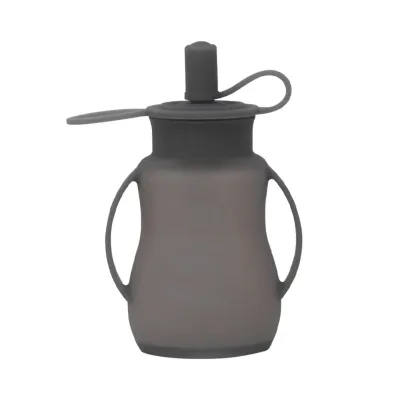
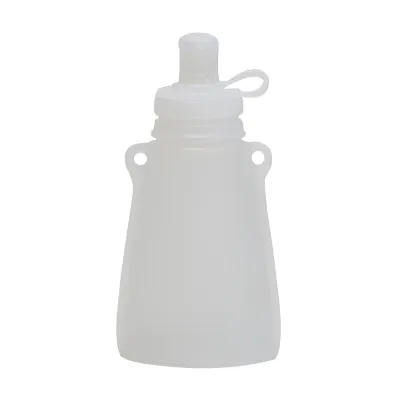
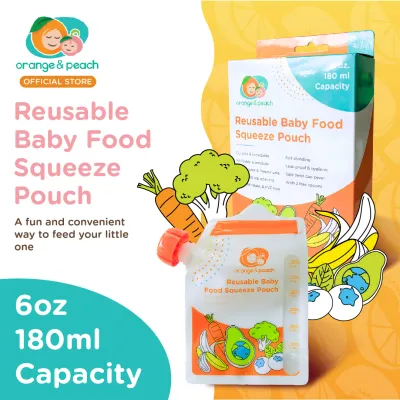
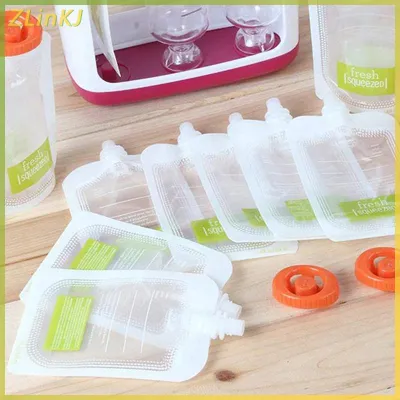
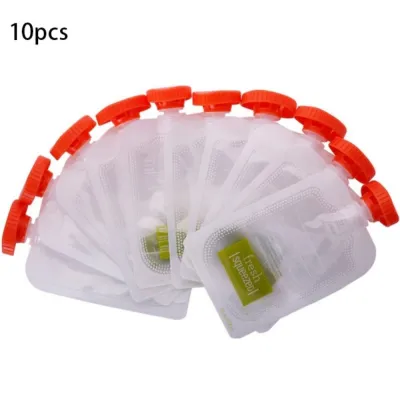
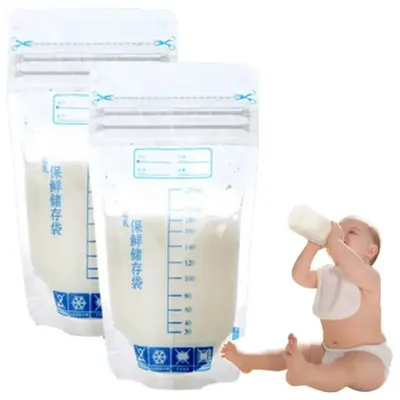
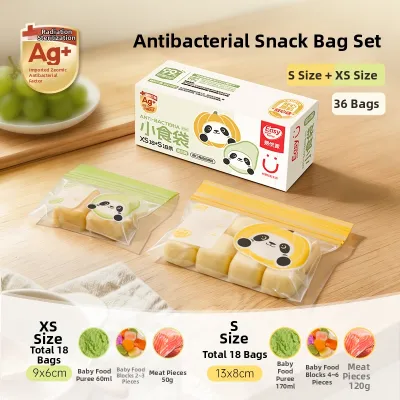
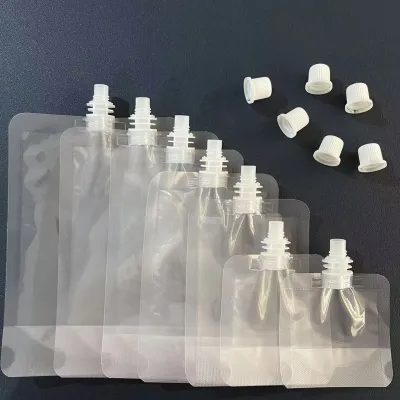
Prices are valid at publication and may change. Please refer to the product page for the latest price.
Perhaps the most valuable benefit of using reusable pouches is the control you maintain over your baby’s nutrition. Commercial baby foods often undergo high-heat pasteurization to extend shelf life, which can reduce natural nutrient levels, and they may contain added thickeners, sugars, or preservatives. When you prepare purees at home, you decide exactly what goes into each pouch. This control is especially crucial during the early stages of weaning, as it allows you to introduce single-ingredient purees, monitor for potential food allergies, and gradually adjust textures to match your baby’s developmental progress.
Key Safety and Material Standards to Check Before Buying
When selecting reusable baby food pouches, safety must be your primary consideration. Because these containers hold food that your baby will consume directly, you must verify that the materials used are completely free from harmful chemical stabilizers. Always check product labels and manufacturer specifications to ensure the pouches are certified free from bisphenol A (BPA), bisphenol S (BPS), polyvinyl chloride (PVC), and phthalates. These chemicals can disrupt endocrine functions and are particularly hazardous to developing infants.

To ensure the highest level of safety, look for products that explicitly state they are made from food-grade silicone or food-grade polyethylene vinyl acetate (PEVA). These materials do not leach chemicals into food and are designed to withstand regular contact with acidic fruits and vegetables. Do not rely solely on bold marketing claims on the front of the packaging; instead, look for official certification stamps or check the manufacturer’s website for compliance with international food safety standards, such as those set by the US Food and Drug Administration (FDA) or European safety authorities.
Understanding the temperature limits of your chosen pouches is also essential for maintaining material integrity and food safety. The tropical climate in the Philippines means that prepared food must be stored properly in the refrigerator or freezer to prevent rapid bacterial growth. You must verify whether the pouches you purchase are rated for freezing temperatures without becoming brittle or cracking. Similarly, check the maximum heat tolerance of the material; some pouches can safely withstand boiling water or steam sterilization, while others will warp, degrade, or release chemicals if exposed to temperatures above a certain limit.
Comparing Pouch Materials: Silicone vs. Clear Food-Grade Plastics
Choosing between silicone and clear food-grade plastic pouches depends largely on your daily feeding routine, budget, and cleaning preferences. Both materials serve the same basic purpose but differ significantly in durability, visibility, heat tolerance, and long-term maintenance. Understanding these differences will help you select the option that best fits your household’s needs.
Food-Grade Silicone Pouches
Food-grade silicone pouches are highly regarded for their exceptional durability and long lifespan. Unlike plastic alternatives, high-quality silicone does not easily scratch, tear, or degrade over time, allowing you to use the same set of pouches through multiple developmental stages or even for future siblings. This durability makes them a highly cost-effective choice in the long run, despite their higher initial purchase price in ₱.
Another major advantage of silicone is its outstanding heat resistance. Most silicone pouches can safely transition from the freezer to a warm water bath, and they are typically compatible with top-rack dishwashing, steam sterilizers, and boiling water. This makes sanitizing the pouches incredibly straightforward, giving you peace of mind that your baby’s food containers are free from harmful pathogens.
However, silicone pouches do have a few limitations that you should consider. Because silicone is naturally semi-opaque or solid-colored, it is difficult to see the exact level of food remaining inside or to visually inspect the interior for hidden mold without opening the pouch. Additionally, silicone can sometimes absorb strong food odors or sustain mild staining from highly pigmented ingredients like carrots or squash. Always check the manufacturer’s specific guidelines before heating silicone pouches in a microwave or bottle warmer.
Clear PEVA or Plastic-Free Alternatives
Clear food-grade plastic pouches, often made from PEVA or multi-layered plastic laminates, offer excellent visibility at a more affordable price point. The transparent design allows you to easily monitor the color, texture, and volume of the puree inside, making it simple to see how much your baby has eaten. This transparency is also a significant safety advantage, as it allows you to easily spot any mold growth or food residue that was not thoroughly cleaned during the last wash.
Despite their convenience, clear plastic pouches have strict temperature limitations that require careful handling. These pouches cannot be exposed to high heat, meaning you must never boil them, place them in a steam sterilizer, or heat them in a microwave, as doing so can cause the plastic to warp, melt, or leach chemicals. They must be washed by hand in warm, soapy water, which can make the cleaning routine more time-consuming.
When shopping for clear plastic pouches, it is crucial to inspect the quality of the seams and the zipper closure. Because plastic is less flexible than silicone, cheap plastic pouches are more prone to splitting along the side seams under pressure. Look for options with reinforced, double-welded side seams and heavy-duty double-zipper closures to prevent messy leaks when the pouches are squeezed or packed tightly inside a diaper bag for an outing.
Essential Design Features for Filling, Serving, and Travel
The physical design of a reusable pouch directly impacts how easy it is to use, clean, and transport. One of the most critical features to evaluate is the closure system. Pouches generally feature either a zipper-lock closure or a screw-top design. Double-zipper closures, which are typically located at the bottom or side of the pouch, offer a wide opening that makes filling and cleaning incredibly easy, while providing a highly secure, leak-proof seal when closed properly. Screw-top closures are also highly secure but can be more difficult to clean thoroughly around the plastic threads where food residue can hide.
The ease of filling a pouch is another major consideration, especially when dealing with thick homemade purees. Look for pouches designed with a wide-bottom gusset that allows them to stand upright on your kitchen counter independently. This self-standing feature is incredibly helpful, as it frees up both of your hands to pour purees directly from your blender or food processor without the risk of the pouch tipping over and spilling. Side-opening designs also offer a wide entry point, making them highly convenient for spooning in thicker mixtures.
Finally, pay close attention to the design of the spout and the cap. The spout should be smooth and comfortable for your baby’s mouth, with no sharp plastic edges. The caps must be large enough to prevent choking hazards, as babies will naturally want to play with them. Some brands offer specialized, choke-safe caps with ventilated designs to ensure safety even if a child accidentally puts the cap in their mouth. If your baby is learning to self-feed, look for pouches that are compatible with soft silicone spoon attachments or flow-control valves that prevent food from squishing out too quickly when squeezed.
How to Fill, Store, and Serve Homemade Purees Safely
Preparing and storing homemade baby food requires a clean workspace and a systematic approach to prevent contamination and preserve nutritional value. Once you have blended your local ingredients to the desired consistency, you need an efficient way to transfer the puree into the pouches. Using a specialized pouch filling station, a clean kitchen funnel, or a reusable pastry piping bag can make this process quick and mess-free. Be sure to leave about half an inch of headspace at the top of the pouch, as purees expand when frozen, and overfilling can cause the seams to burst.
Because homemade baby food does not contain artificial preservatives, keeping track of storage times is critical for your baby’s safety. Implement a reliable labeling system by using waterproof labels, masking tape, or a dry-erase marker directly on the designated writing area of the pouch. Clearly write the preparation date and the specific ingredients used. This practice helps you practice a “first-in, first-out” inventory system in your freezer and ensures you do not serve food that has been stored for too long.
When it is time to serve the food, proper thawing and heating techniques are essential to preserve nutrients and prevent bacterial growth. The safest way to thaw frozen purees is to place the pouch in the refrigerator overnight. For quicker thawing, submerge the sealed pouch in a bowl of warm water. Never use a microwave to thaw or heat plastic pouches, and only do so with silicone pouches if the manufacturer’s instructions explicitly state it is safe. Always squeeze a small amount of the puree onto your wrist to check the temperature before feeding it to your baby to prevent accidental burns.
Cleaning and Maintenance: Preventing Mold and Odors
In the warm and humid climate of the Philippines, thorough cleaning and drying of reusable baby food pouches are absolutely vital to prevent the growth of mold, mildew, and harmful bacteria. After each use, rinse the pouch immediately with warm water to prevent food residue from drying and sticking to the interior surfaces. Use a narrow bottle brush, a nipple brush, or a specialized pouch cleaning brush to scrub the inside corners, the zipper tracks, and the spout area where food particles easily become trapped.
If your pouches are designed to be turned inside out, take advantage of this feature during your cleaning routine. Turning the pouch inside out allows you to directly scrub every corner and ensures that no hidden food pockets remain. Wash the pouches in warm, soapy water using a mild, baby-safe dishwashing liquid, and rinse them thoroughly with clean water to remove all soap residue.
Proper drying is the most critical step in preventing mold growth. After washing, prop the pouches open on a drying rack, clean bottles, or a dedicated pouch hanger in a well-ventilated area. Ensure the pouches remain fully open so that air can circulate freely inside them. Do not store the pouches in closed cabinets or drawers until they are completely dry to the touch inside and out. Inspect your pouches regularly before each use; if you notice any persistent sour odors, permanent discoloration, or black spots of mold that cannot be cleaned, discard the pouch immediately and replace it.
Frequently Asked Questions (FAQ)
Can I put reusable baby food pouches in the dishwasher?
Whether you can put reusable baby food pouches in the dishwasher depends entirely on the material and the manufacturer’s specific instructions. Most food-grade silicone pouches are safe for the top rack of the dishwasher, as they can withstand high temperatures. However, many clear plastic or PEVA pouches must be washed by hand, as the intense heat of a dishwasher can warp the material and ruin the zipper seals. Always check the product label before washing. If you do use a dishwasher, ensure the pouches are secured wide open on the pegs so that water can spray inside, and check for any trapped moisture or residue after the cycle finishes.
How long can homemade puree stay in a reusable pouch in the fridge?
Homemade baby food purees can safely be stored in an airtight, sealed reusable pouch in the refrigerator for up to 24 to 48 hours. Because homemade purees do not contain preservatives, they are highly susceptible to bacterial growth, especially once they have been opened or if the baby has sucked directly from the spout. If you prepare a large batch of food, it is best to freeze the extra portions immediately after filling the pouches; frozen purees can keep for up to one to three months. Always inspect the pouch and smell the puree before serving, and discard any food that shows signs of separation, sour odors, or discoloration.
Are reusable pouches safe for babies to hold and suck on directly?
Reusable pouches are generally safe for babies to hold and feed from directly, provided there is active caregiver supervision at all times. Self-feeding from a pouch helps develop hand-eye coordination and independence. However, relying too heavily on pouch feeding can limit your baby’s opportunities to practice chewing and swallowing from a spoon, which are critical skills for oral motor development. To support healthy development, balance the convenience of pouch feeding with traditional spoon-feeding and finger foods, allowing your baby to experience different textures and eating methods.

Community discussion
Share your experience or ask a question. Comments are reviewed before publication.