
Feeding your baby while traveling, running errands, or navigating the warm, humid climate of the Philippines requires careful preparation. When you are away from home, keeping infant formula dry, sterile, and accurately measured is essential for your baby’s health and your peace of mind. A dedicated portable milk powder storage container solves this challenge by protecting the powder from tropical humidity, preventing messy spills in your diaper bag, and allowing you to prepare a bottle in seconds. Choosing the right dispenser involves evaluating how well it seals out moisture, how easily it dispenses into narrow bottle necks, and how simple it is to clean and dry completely.
Key Features to Look for in a Travel-Friendly Formula Dispenser
When selecting a portable formula dispenser, material safety is your first priority. Look for containers explicitly labeled as food-grade and BPA-free, such as those made from high-quality polypropylene (PP) or food-grade silicone. Because these containers hold dry powder that your baby will consume, verifying these safety labels on the packaging ensures no harmful chemicals leach into the formula.
In the Philippines, high relative humidity can quickly turn dry formula into sticky, unusable clumps. An airtight sealing mechanism is crucial to block moisture and keep the powder free-flowing. Look for dispensers with silicone gaskets, secure snap-on lids, or tight screw threads that form a reliable barrier against both humid air and accidental leaks inside a packed diaper bag.
Products mentioned in this guide
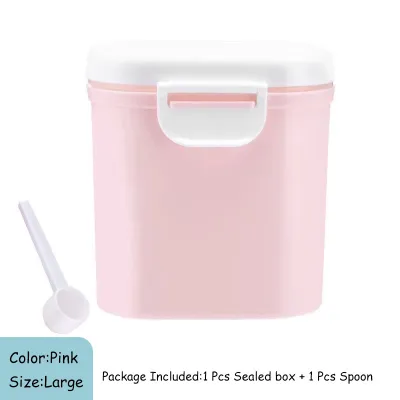
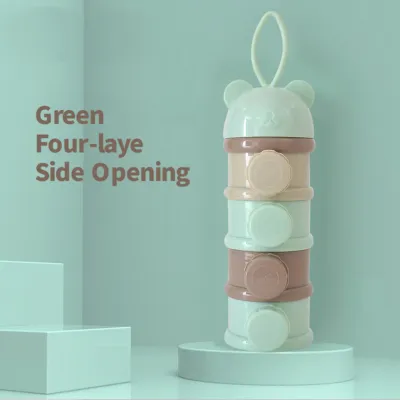
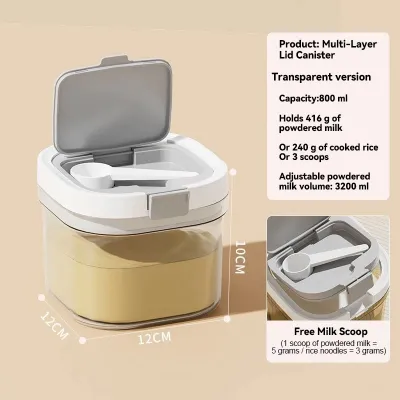
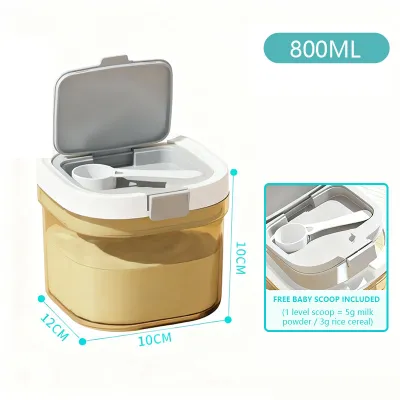
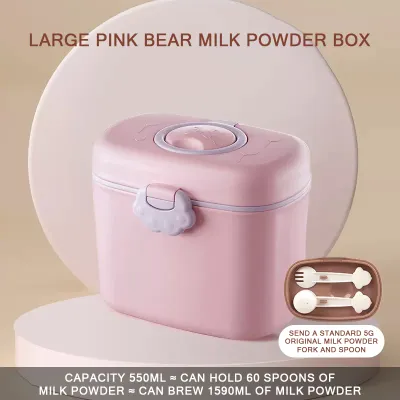
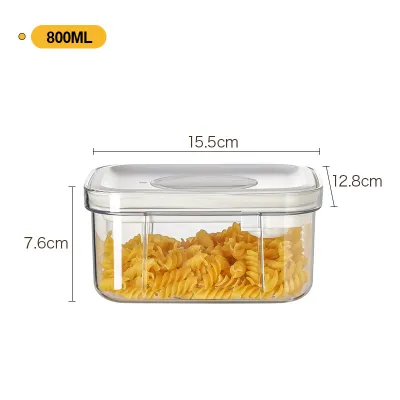
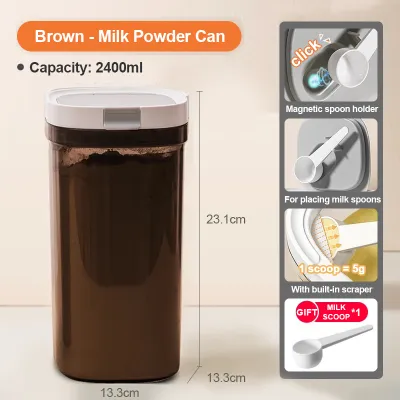
Prices are valid at publication and may change. Please refer to the product page for the latest price.
Portion control and ease of dispensing are equally important when you are managing a hungry baby in a public space. Opt for designs that feature a narrow funnel or a dedicated spout, which allows you to pour the pre-measured powder directly into the baby bottle without opening the main compartment. This minimizes the risk of spilling expensive formula and keeps the remaining sections sealed and hygienic.
Finally, consider how easy the container is to disassemble and clean. Complex designs with hard-to-reach crevices can trap moisture and formula residue, creating a breeding ground for bacteria and mold. Choose a dispenser that can be fully taken apart, is safe for sterilizing according to the manufacturer’s instructions, and has smooth interior walls that dry quickly in your dish rack.
Types of Portable Milk Powder Containers Compared
Different travel scenarios require different storage styles, and understanding the strengths of each type helps you match the container to your daily routine.

Stackable tower dispensers consist of multiple individual compartments that screw into one another, topped with a single dispensing lid. This style is highly versatile for full-day trips because you can pack three or four pre-measured feeds in a single vertical column. When buying a stackable tower, check the threading between the layers to ensure they screw together tightly without cross-threading, which could cause powder to leak between compartments.
Single-serve portion pods or individual cups are compact, standalone containers designed to hold exactly one feed. These are ideal for short trips, quick doctor visits, or as an emergency backup in your diaper bag. While highly portable, they have strict capacity limits, so you must verify that the pod can comfortably hold the specific scoop volume your growing baby requires.
Multi-compartment storage boxes feature a single large container divided into three or four internal sections, usually with a rotating lid that aligns a single opening with one compartment at a time. This design is excellent for saving space, but you must carefully assess the seal integrity of the internal dividers. If the lid does not sit perfectly flush against the dividers, powder can migrate between sections, compromising your precise measurements.
| Container Type | Capacity | Portability | Best-Use Scenario |
|---|---|---|---|
| Stackable Tower | High (3 to 4 separate feeds) | Moderate (vertical cylinder shape) | Full-day outings, road trips, or overnight travel |
| Single-Serve Pods | Low (1 pre-measured feed per pod) | High (fits easily in small pockets) | Short errands, quick walks, or emergency backups |
| Multi-Compartment Box | Moderate (usually 3 pre-set sections) | High (flat, compact disc shape) | Daily mall trips or visits to relatives |
How to Keep Formula Fresh and Safe During Trips
Maintaining the safety and freshness of dry formula while traveling requires strict adherence to hygiene and environmental controls. Moisture is the primary enemy of stored powder, as even a tiny drop of water can trigger bacterial growth. Always ensure that both the storage container and your measuring scoop are completely washed, sterilized, and air-dried before filling them; never pack powder into a container that feels slightly damp to the touch.
The tropical heat inside a parked car or a backpack exposed to direct sunlight can degrade the nutrients in infant formula and encourage spoilage. Keep your portable container stored in a cool, shaded part of your diaper bag, and avoid leaving it in vehicles or outdoor areas where temperatures can soar. If you are spending the day outdoors, keeping the dispenser inside an insulated cooler bag alongside your baby’s water thermos can help maintain a stable, safe temperature.
Hygiene practices must remain consistent even when you are away from a home kitchen. Before portioning the formula at home or handling the dispenser on the go, wash your hands thoroughly with soap and water, or use an alcohol-based hand sanitizer if clean water is unavailable. Avoid touching the inside of the container compartments or the dispensing spout with your fingers to prevent introducing bacteria.
Before mixing a bottle, always inspect the dry powder inside the dispenser. If you notice any clumping, an unusual or sour odor, or any discoloration, these are clear signs that moisture has penetrated the seal and the formula may be spoiled. In such cases, discard the powder immediately and do not feed it to your baby.
Step-by-Step Guide to Preparing a Bottle on the Go
Preparing a bottle safely in a public setting is straightforward when you establish a clean, organized workflow.
First, pre-measure the exact amount of formula your baby needs for each feed at home, using a clean, dry environment. Pour the dry powder into the individual compartments of your portable container, seal the lids tightly, and double-check that each section is securely locked.
Second, manage your water supply carefully. Fill a clean baby bottle with the correct amount of cooled, boiled water before you leave, or carry hot water in a high-quality insulated flask to mix with room-temperature sterilized water on the go. This ensures you always have water at a safe, comfortable temperature ready for mixing.
Third, when your baby is ready to feed, find a stable, clean surface. Open the dispensing spout of your portable container, align it directly over the neck of the baby bottle, and pour the pre-measured powder inside. Tap the bottom of the dispenser gently to ensure all the powder transfers without spilling, then secure the bottle nipple and collar tightly and shake the bottle thoroughly until the powder is completely dissolved.
Fourth, practice immediate post-feeding cleanup to make washing easier later. Once your baby finishes feeding, rinse the bottle, nipple, and any used dispenser parts with clean water to prevent milk residue from drying and sticking to the surfaces. Keep these used items in a designated ‘dirty’ wet bag inside your diaper bag, ready for a thorough soapy wash and sterilization once you return home.
Frequently Asked Questions (FAQ)
Can I pre-mix formula and store it in a portable container?
No, you should not pre-mix liquid formula to store in a portable container or travel bottle at room temperature. Prepared liquid formula is highly susceptible to rapid bacterial growth once mixed, especially in warm tropical climates. Portable formula dispensers are designed strictly for dry powder storage. To ensure your baby’s safety, always keep the dry powder and sterilized water separate until the exact moment your baby is ready to feed, and discard any leftover mixed formula that your baby does not finish within the recommended feeding window.
How long can dry formula stay in a plastic dispenser?
Dry formula should generally not be kept in a portable plastic dispenser for more than a few days. While these containers are excellent for day trips and short travel, they do not offer the same long-term vacuum seal as the original manufacturer’s tin or foil packaging. Always check the manufacturer’s guidelines for both your formula brand and your storage container. For the best freshness and safety, only portion the amount of powder you expect to use within 24 to 48 hours, and discard any dry powder that has been left unused in a travel container for an extended period.

Community discussion
Share your experience or ask a question. Comments are reviewed before publication.