
Selecting the most effective electronic protection for your home is not a one-size-fits-all task. It requires a careful evaluation of your specific wall socket types, your baby’s current developmental stage, and the daily usage habits of your household. As infants transition from crawling to exploring, low-lying wall outlets naturally become objects of intense curiosity. To keep your little one safe, you must look beyond basic aesthetic appeal and focus on functional barriers that prevent small fingers or household objects from making contact with live electrical contacts.
Every room in your house presents unique challenges when it comes to electrical safety. A living room with multiple entertainment systems requires a different approach than a spare bedroom with mostly idle sockets. By understanding the distinct types of protective covers available, you can tailor your baby-proofing strategy to match the specific needs of each space. This targeted approach not only maximizes safety but also ensures that your daily household routines remain convenient and hassle-free.
Types of Electronic Protection for Wall Sockets
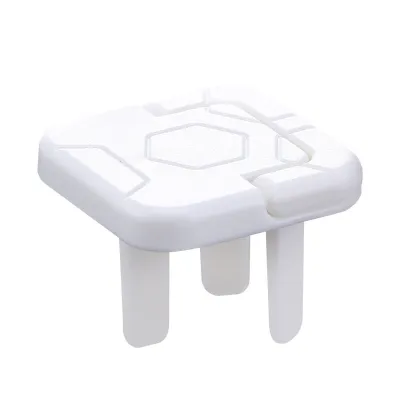
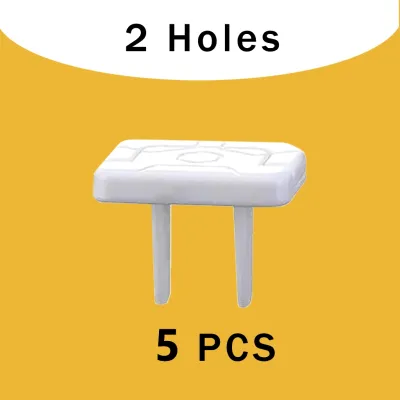
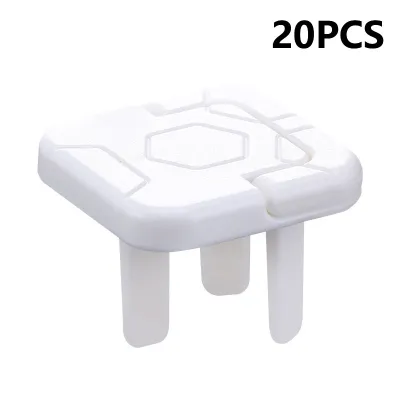
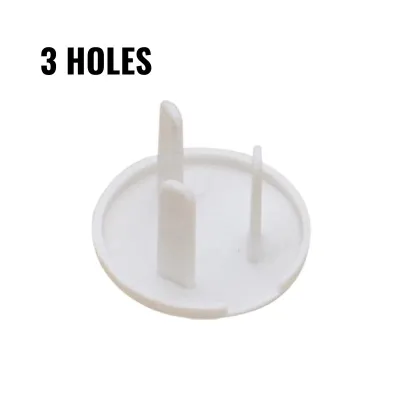
Individual plastic plug caps, often referred to as outlet inserts, represent the most basic form of electronic protection. These simple devices feature plastic prongs that press directly into the socket holes, creating a flat barrier over the receptacle. They are highly economical and best suited for completely unused sockets that are hidden behind heavy furniture or located in rooms where children rarely play.
Products mentioned in this guide
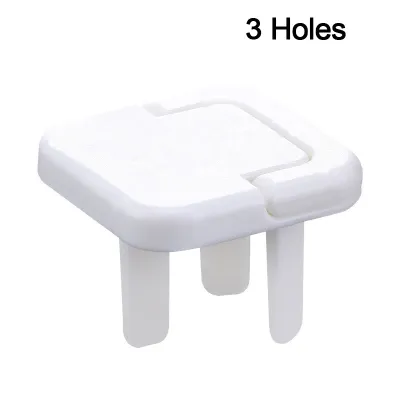
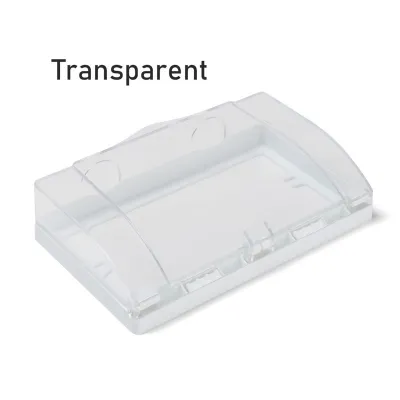
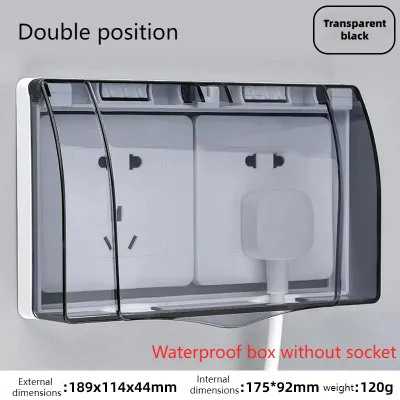
Prices are valid at publication and may change. Please refer to the product page for the latest price.
However, caregivers must exercise caution when selecting these inserts. It is vital to check the difficulty level for adult removal; if a cap is too easy for you to pull out, a determined toddler will likely manage to extract it as well. Furthermore, once removed, these small plastic pieces can easily become choking hazards if left lying on the floor, making diligent supervision and immediate storage essential.
For wall sockets that experience frequent daily use, sliding outlet covers offer a much more convenient and reliable alternative. These devices completely replace your existing wall faceplates rather than inserting individual pieces into the socket holes. They feature a spring-loaded, self-closing mechanism that automatically slides the protective cover over the electrical contacts the moment a plug is withdrawn.
This design is ideal for areas where you regularly plug and unplug appliances, such as vacuum cleaners, phone chargers, or kitchen tools. Because the protection is integrated directly into the faceplate, there are no loose parts to lose, and you do not have to worry about forgetting to replace a manual cap after unplugging a device.
When dealing with heavy appliances, entertainment systems, or electronics that must remain permanently plugged in, standard caps and sliding covers are often insufficient. In these scenarios, curious toddlers might pull directly on the power cords, potentially unplugging the device or exposing live prongs. Outlet box covers solve this issue by completely enclosing both the wall socket and the attached plugs within a sturdy, lockable plastic housing.
The cords exit through small, secure channels at the bottom of the box, keeping the entire connection out of your child’s reach. This type of electronic protection is highly recommended for living rooms, home offices, and nurseries where appliances like air conditioners, humidifiers, or baby monitors are constantly running.
Key Criteria for Selecting Baby-Proof Outlet Covers
Before purchasing any electronic protection, you must verify its physical compatibility with the specific socket standards in your home. In the Philippines, households commonly feature a mix of Type A (two-pin flat), Type B (three-pin with a grounding prong), or occasionally Type C (two-pin round) sockets. Standard faceplates also come in various shapes, including traditional duplex designs with a central screw and modern rectangular decora styles.

Taking precise measurements and identifying your socket types beforehand will prevent the frustration of buying covers that do not align with your wall receptacles or leave dangerous gaps around the edges. A poorly fitting cover can easily be pried off by a child or may fail to sit flush against the wall, rendering the protection ineffective.
As children grow, their fine motor skills and problem-solving abilities develop rapidly. Simple pull-out caps that once baffled an infant can quickly become a minor puzzle for a clever toddler to solve. When evaluating electronic protection, prioritize designs that incorporate advanced safety mechanisms requiring dual-action movement or simultaneous pressure.
For example, look for sliding covers that require you to push a lever sideways while inserting a plug, or box covers that utilize a squeeze-and-release latch. These designs leverage adult-level hand strength and dexterity, ensuring that even if a child attempts to manipulate the cover, they cannot easily bypass the protective barrier.
The tropical climate of the Philippines, characterized by high humidity and warm temperatures, can take a toll on household plastics over time. Low-quality materials may degrade, become brittle, or warp, compromising their protective capabilities. When shopping for outlet covers, always check the product labels for high-quality, non-toxic, and BPA-free plastics such as heavy-duty ABS or polycarbonate.
The construction must be sturdy enough to withstand persistent pulling, twisting, and the occasional impact from toys. Additionally, because teething babies may attempt to chew on low-lying fixtures, verifying that the materials are free from harmful chemical additives is a crucial step for overall health and safety.
Safe Installation and Daily Usage Guidelines
Installing electronic protection should never compromise your home’s electrical safety. Before attempting to replace standard faceplates with sliding outlet covers or installing any hardware that requires removing screws, you must turn off the power at the main circuit breaker. Do not rely solely on wall switches to cut the current.
Use a simple voltage tester to confirm that the outlet is completely dead before proceeding with the installation. Taking this extra step ensures a safe working environment and prevents accidental shocks during the baby-proofing process.
Every protective device comes with specific assembly and mounting instructions that must be followed strictly. When installing outlet box covers or sliding plates, ensure that all screws are tightened securely but not overtightened, which could crack the plastic housing. Adhere to the provided manual to ensure the sliding mechanisms operate smoothly and return to their closed positions automatically.
If you notice that a cover fits loosely, leaves exposed wiring, or does not align perfectly with the wall, stop immediately. In such cases, it is best to consult a qualified professional electrician to inspect your wall box and ensure the installation is safe and compliant with local electrical codes.
Baby-proofing is not a set-and-forget task; it requires ongoing vigilance to remain effective. Establish a routine to inspect all electronic protection devices throughout your home at least once a month. Check for loose screws, cracked plastic, weakened springs in sliding covers, or adhesive failure on stick-on protectors.
In humid tropical environments, adhesive backings can lose their grip more quickly, making regular checks even more critical. If you discover any signs of wear, damage, or structural compromise, discontinue use of that specific protector immediately and replace it to maintain a secure environment for your child.
Signs It Is Time to Replace or Upgrade Your Protectors
Your child’s physical and cognitive growth is the primary indicator of when to upgrade your home’s electronic protection. Simple plastic plug caps that were perfectly adequate when your baby was only crawling may no longer provide sufficient safety once they develop the finger strength to pry them loose.
When you observe your toddler successfully manipulating objects, showing interest in wall outlets, or attempting to pull out basic inserts, it is time to transition to more complex sliding covers or lockable box protectors. Adapting your safety strategy to match your child’s developmental milestones ensures that your protective measures remain one step ahead of their curiosity.
Environmental factors and daily wear can gradually reduce the effectiveness of your outlet covers. Over time, exposure to sunlight, humidity, and frequent use can cause plastic to discolor, warp, or lose its structural integrity. A warped cover may fail to slide closed completely, while a loose-fitting cap can easily fall out on its own, presenting both an electrical hazard and a choking risk.
Any protector that shows visible signs of physical degradation, cracks, or a loose fit must be replaced immediately with a fresh, high-quality alternative.
As your family’s daily routines evolve, the way you use different rooms and electrical outlets will also change. A previously unused socket in a guest room or home office might suddenly become active when you introduce a new appliance, a standing fan, or a computer setup.
When an outlet transitions from idle to active, your electronic protection must adapt accordingly. Swap out simple plug caps for sliding faceplates or secure box covers to accommodate the newly plugged-in cords safely, ensuring that your baby-proofing remains comprehensive across all active areas of the home.
Frequently Asked Questions (FAQ)
Are traditional plastic plug caps safe for toddlers?
While traditional plastic plug caps are highly effective for keeping infants away from unused outlets, they present distinct safety challenges as children grow into toddlers. Older toddlers often develop the fine motor skills and grip strength required to pry these caps out of the wall. Once removed, these small plastic inserts pose a serious choking hazard if left unattended on the floor.
Additionally, busy caregivers may occasionally forget to plug the cap back into the outlet after using a vacuum cleaner or appliance, leaving the socket completely exposed. For toddlers who have learned to pull things out of walls, it is highly recommended to transition to sliding outlet covers or lockable box protectors that do not pose choking risks and remain permanently attached to the wall.
Do outlet covers protect against electrical fires?
It is important to understand that while electronic protection devices like outlet covers and plug protectors are excellent for preventing physical contact and accidental shocks, they do not protect against electrical fires. Outlet covers are designed to block small fingers, toys, or keys from touching live electrical contacts inside the socket. They do not address underlying electrical issues such as overloaded circuits, damaged wiring, or power surges.
To protect your home from electrical fires, you must rely on proper household wiring, high-quality surge protectors, and functioning circuit breakers. If you suspect any issues with your home’s electrical system, such as warm faceplates, flickering lights, or a burning smell, you should immediately contact a licensed electrician to diagnose and resolve the problem.

Community discussion
Share your experience or ask a question. Comments are reviewed before publication.