
Feeding your baby while away from home requires a reliable bottle storage setup that balances temperature control, hygiene, and portability. The best bottle storage solution depends on your specific feeding method—whether you are carrying warm water for formula, chilled breast milk, or pre-sterilized empty bottles. For short trips, lightweight silicone sleeves or single-bottle pouches offer excellent mobility, while longer day trips in tropical climates require high-quality insulated bags paired with reusable ice packs to prevent spoilage. By matching your storage gear to your outing duration and feeding routine, you can ensure your baby’s milk remains safe, clean, and ready to serve.
Essential Features for On-the-Go Bottle Storage
When selecting bottle storage for outdoor use, temperature control is often the primary concern for parents. Breast milk and prepared formula are highly perishable, especially in warm, humid environments. A reliable storage solution must offer sufficient thermal insulation to slow down temperature changes, keeping cold items chilled and warm water at an appropriate temperature for mixing. Look for thick, high-density foam insulation and reflective inner linings that help maintain internal conditions.
Leak-proof mechanisms and secure seals are equally critical to prevent messy spills inside your diaper bag. A single leaking bottle can ruin clean clothes, diapers, and electronic devices. When evaluating storage options, check the quality of the zippers, gaskets, and closures. Many bags feature water-resistant zippers and heat-sealed interior seams that contain spills, making them easy to wipe clean if a cap accidentally loosens during transit.
Products mentioned in this guide
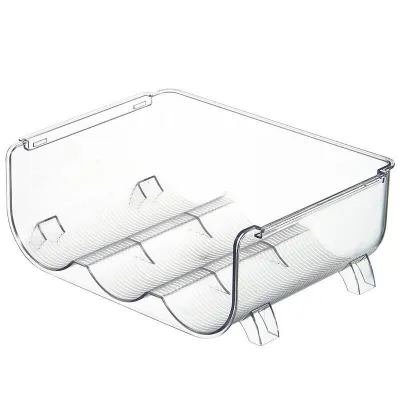
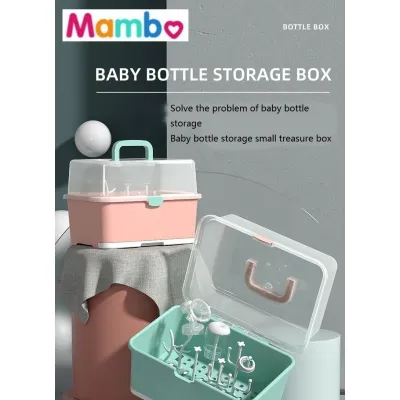
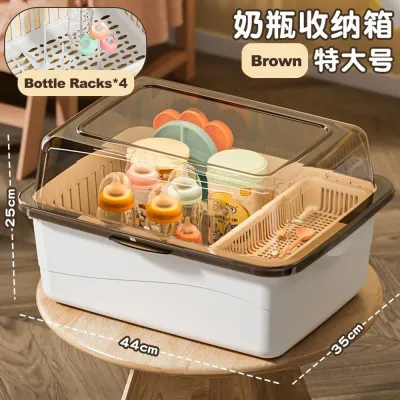
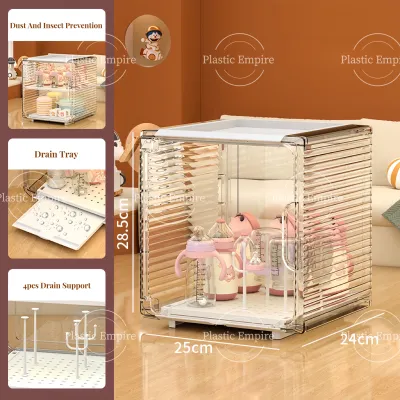
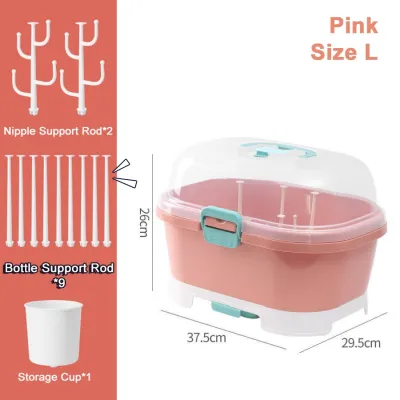
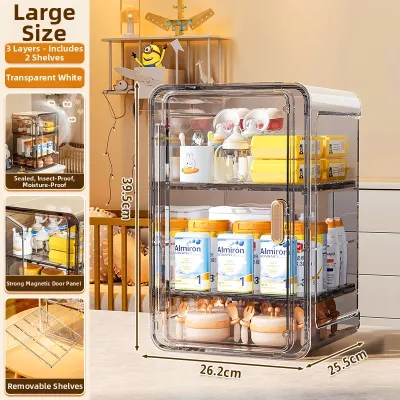
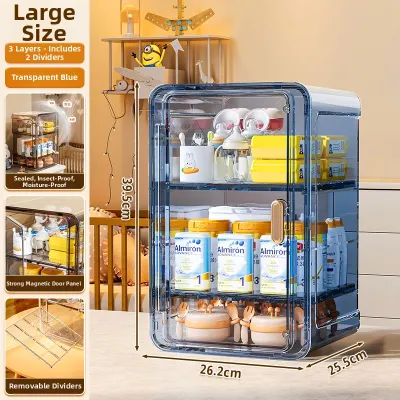
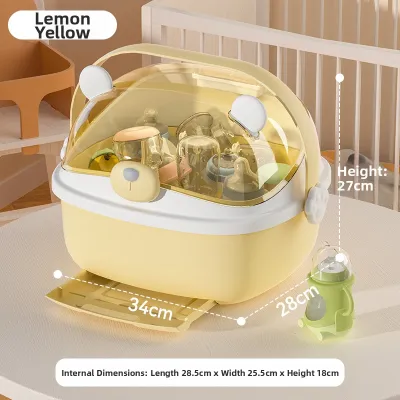
Prices are valid at publication and may change. Please refer to the product page for the latest price.
Hygiene barriers are another non-negotiable feature, as they protect bottle nipples and collars from environmental contaminants. Dust, dirt, and insects can easily find their way into diaper bags or stroller baskets. Your storage solution should provide a dedicated, clean compartment that isolates sterilized bottle components from dirty items like used wipes or soiled clothes. Some designs feature separate pockets or individual hard cases that keep the feeding surfaces completely shielded until the moment of use.
Finally, weight and size constraints must align with your carrying method. A bulky, heavy cooler might fit in the trunk of a car but can quickly become a burden when hung from a stroller handlebar or packed into a backpack. Consider the physical dimensions of your stroller basket and diaper bag compartments. Lightweight, flexible materials are often easier to squeeze into tight spaces, whereas structured cases offer better protection against crushing at the expense of flexibility.
Comparing Bottle Storage Types for Travel
Insulated bottle bags are the most popular choice for parents who need to maintain milk temperature for several hours. These bags typically feature a soft fabric exterior with a padded, insulated interior lining designed to hold one or more bottles alongside ice packs. Their main advantage is thermal retention, which can keep contents cool during family outings. However, their soft-sided nature means they offer limited protection against physical impacts, and they can be bulky if you only need to carry a single bottle.

Hard-shell bottle cases provide excellent crush protection, making them ideal for active families who pack heavy gear. These cases feature a rigid outer shell that prevents bottles from being squeezed or damaged when stuffed into a packed suitcase or stroller compartment. While they excel at protecting glass bottles and delicate silicone nipples, they generally offer less thermal insulation than dedicated soft cooler bags and have a fixed shape that cannot be compressed when empty.
Multi-bottle organizers with integrated formula dispensers are designed for maximum convenience during multi-feed outings. These systems often feature structured compartments that keep multiple bottles upright, preventing tipping and leaks. Many models include dedicated slots for dry formula dispensers, allowing you to keep water and powder separate until feeding time. This setup is highly efficient for long days out, though the overall footprint can be quite large and may require a dedicated backpack or stroller attachment.
Silicone bottle sleeves offer a minimalist approach to protection and grip. These snug-fitting covers slide directly over individual glass or plastic bottles, providing a non-slip surface that makes holding the bottle easier for both parents and older babies. They offer basic shock absorption to prevent glass breakage and protect plastic from scratches. However, silicone sleeves provide virtually no thermal insulation and do not protect the bottle nipple from dirt, meaning they must be used in combination with other hygienic storage methods.
How to Match Storage to Your Feeding Scenario
For short trips, such as a quick stroll to a local park or a brief errand run, a minimalist storage setup is usually best. A lightweight silicone sleeve paired with a single-bottle insulated pouch keeps your load light and manageable. This combination provides just enough temperature protection for a single feed while fitting easily into a small handbag or clipping directly onto your stroller frame. It eliminates the need to carry a heavy, multi-bottle bag for an outing that lasts only an hour or two.
Long day trips require a more robust approach, especially when navigating tropical heat. In these scenarios, a high-capacity insulated cooler bag with dedicated compartments for reusable ice packs is essential. Look for models that can hold multiple bottles upright and have extra space for baby food jars or snacks. Ensuring the bag is packed tightly with ice packs helps maintain a consistently cool environment, preserving the quality of your baby’s milk throughout the day.
If you are transporting breast milk, strict temperature maintenance is critical to prevent bacterial growth. You should look for specialized breast milk storage bags or coolers that feature contoured ice packs designed to fit snugly around curved bottles. It is best to use a dedicated cooler bag solely for breast milk, keeping it separate from family snacks and drinks to minimize the frequency of opening the bag, which can let warm air in and compromise the internal temperature.
For formula feeding on the go, the strategy shifts from keeping milk cold to managing water temperature and dry powder. The safest method is to carry pre-measured warm water in an insulated thermos and dry formula powder in a separate, multi-compartment dispenser. This allows you to mix a fresh, warm bottle instantly when your baby is ready to feed. Your bottle storage should have organized pockets to keep the clean, empty bottles, the thermos, and the powder dispenser easily accessible and hygienically separated.
Hygiene and Safety Checklist for Outdoor Feeding
Before purchasing any bottle storage product, always verify the material safety labels on the packaging. Ensure that all components, especially those that come into direct contact with bottles, are free from harmful chemicals like BPA, phthalates, and PVC. Look for food-grade materials and certifications that confirm the product meets safety standards for baby gear. Checking these labels helps protect your baby from chemical exposure during feeding.
Proper preparation starts at home with thorough sterilization and drying protocols. Before packing your bottles into any travel storage, ensure they have been thoroughly washed, sterilized, and allowed to air dry completely on a clean rack. Packing damp bottles into a sealed, warm storage bag creates a humid environment that can encourage the growth of mold and bacteria. Always wash your hands thoroughly before handling sterilized bottles and placing them into their travel compartments.
When carrying prepared formula or thawed breast milk, keep strict time limits in mind to ensure safety. Prepared formula should generally be consumed within a short window after mixing, and thawed breast milk must be kept cold and used promptly. If you are unsure about safe storage durations in warm weather, consult guidelines from local health authorities or your pediatrician. If a bottle has been kept at ambient temperature for too long, it is safest to discard it rather than risk feeding it to your baby.
Finally, make it a habit to clean nipples, collars, and seals immediately after outdoor use. If you cannot wash them thoroughly with hot, soapy water right away, rinse them with clean water to remove milk residue and store them in a designated “dirty” bag. This prevents milk proteins from drying and hardening in hard-to-reach crevices, which makes later cleaning much more difficult and increases the risk of bacterial buildup before the next sterilization cycle.
Frequently Asked Questions (FAQ)
Can I use a regular insulated lunch bag for baby bottles?
While a regular insulated lunch bag can provide basic thermal retention, it is generally not ideal for baby bottles. Dedicated baby bottle bags often feature specialized waterproof linings that are easier to sanitize and are designed to keep bottles upright to prevent leaks. Standard lunch bags may lack the vertical clearance or secure pockets needed to keep bottles stable, increasing the risk of spills and cross-contamination from family food items.
How do I keep bottles cold without a bulky cooler?
To keep bottles cold without carrying a heavy cooler, you can use slim, contoured gel ice packs designed specifically to wrap around individual baby bottles. Placing these packs inside a compact, single-bottle insulated sleeve provides targeted cooling with minimal bulk. Additionally, pre-chilling the bottle in the refrigerator before placing it in the insulated sleeve helps maximize the duration of the cooling effect for short outings.
What is the safest way to store pre-mixed formula while traveling?
The safest way to handle formula while traveling is to avoid pre-mixing it whenever possible. Instead, carry pre-measured sterile water in your bottles and keep the dry formula powder in a separate dispenser, mixing them only when your baby is ready to feed. If you must travel with pre-mixed formula, it must be kept cold in an insulated bag with ice packs and consumed within the strict time limits recommended by the formula manufacturer to prevent harmful bacterial growth.

Community discussion
Share your experience or ask a question. Comments are reviewed before publication.