
Selecting the right material for a baby blanket in a tropical environment requires balancing cultural or aesthetic preferences with the physical needs of an infant. In hot and humid weather, the primary goals are preventing overheating, managing moisture, and ensuring skin safety. The best materials for a baby blanket in the hot, humid Philippine climate are lightweight, open-weave natural fabrics, specifically 100% cotton muslin and bamboo-derived viscose. When selecting a blanket featuring specific cultural or religious designs—often searched for as a Muslim blanket—caregivers must prioritize these breathable fabric structures over heavy, synthetic alternatives to ensure the infant remains safe and comfortable.
Because infants cannot regulate their body temperature as efficiently as adults, the choice of bedding directly impacts their comfort and health. High humidity levels can trap moisture against a baby’s delicate skin, leading to discomfort, sleep disruption, and painful skin conditions like prickly heat. By focusing on fabric weight, weave, and fiber source, parents can find a beautiful, culturally meaningful blanket that keeps their little one cool and dry even during the warmest tropical afternoons.
Key Fabric Requirements for Tropical Baby Bedding
To establish a baseline for evaluating any baby bedding in a tropical climate, caregivers must look closely at how a fabric handles heat and moisture. The primary requirement is exceptional air circulation. A fabric that allows air to flow freely helps dissipate body heat, reducing the risk of overheating during naps or nighttime sleep.
Products mentioned in this guide
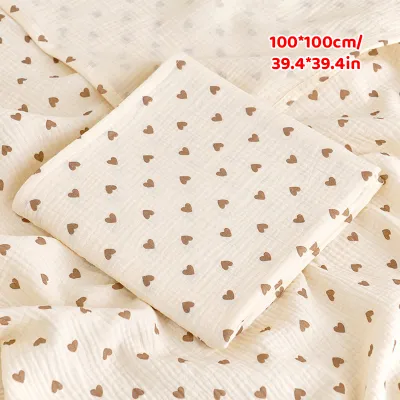
Prices are valid at publication and may change. Please refer to the product page for the latest price.
Moisture management is equally critical in humid regions. A suitable blanket must actively wick sweat away from the baby’s skin and allow it to evaporate quickly. When moisture remains trapped on the skin, it creates a breeding ground for bacteria and can cause severe chafing or heat rashes.
Temperature regulation is the final pillar of tropical bedding selection. Heavy, dense, or tightly woven fabrics act as insulators, trapping warm air close to the infant’s body. Caregivers should always prioritize lightweight, single-layer options and remember that a blanket’s primary role in a warm climate is to provide a light, comforting layer rather than heavy insulation. Furthermore, safe sleep guidelines dictate that loose blankets should be used with extreme caution; always supervise your infant and consult a pediatrician regarding safe sleep setups for your child’s specific developmental stage.
Evaluating Breathable Materials for Infant Comfort
Cotton and Muslin Weaves
When searching for a high-quality Muslim blanket, 100% cotton muslin stands out as one of the most reliable options for tropical climates. Muslin is a finely woven, breathable fabric that utilizes an open-weave pattern. This specific construction allows air to pass through easily, making it highly effective at preventing heat buildup while still offering a gentle layer of security.

When evaluating cotton options, always check the product label to confirm the material composition. Look for blankets made from 100% natural cotton rather than synthetic blends. You can physically assess the weave density by holding the fabric up to the light; a high-quality muslin will show a clear, consistent grid of fine threads with visible space for airflow, ensuring it remains soft and light against the skin.
It is important to note that natural cotton muslin is prone to slight shrinkage during the first few washes. Caregivers should review the manufacturer’s care instructions, which typically recommend washing in cool or warm water and air drying. Over time, high-quality cotton muslin actually becomes softer with each wash, enhancing infant comfort without losing its structural integrity or breathability.
Bamboo-Derived Fabrics
Bamboo-derived textiles have gained significant popularity for infant bedding due to their exceptionally smooth texture and cooling properties. These fabrics are highly effective at absorbing moisture, often drawing sweat away from the skin much faster than standard cotton. This rapid absorption helps keep the baby dry and comfortable during humid nights.
When shopping, it is essential to read the fiber content labels carefully. Manufacturers use various terms, such as “viscose from bamboo” or “rayon from bamboo,” to describe these semi-synthetic fibers. Verify that the label clearly states the percentage of bamboo-derived material to ensure you are getting the performance benefits of the fiber rather than a highly synthetic imitation.
While bamboo-derived fabrics offer superior softness and a cool-to-the-touch feel, they often require more delicate care than pure cotton. To maintain the integrity of the fibers and prevent pilling, caregivers should follow the manufacturer’s washing guidelines closely. This usually involves using a gentle cycle, mild baby-safe detergent, and avoiding high heat during the drying process.
Materials to Avoid in Hot and Humid Weather
To protect infants from overheating, caregivers must actively avoid certain fabrics that are poorly suited for tropical climates. Synthetic fibers like polyester, acrylic, and nylon are notorious for trapping heat and moisture. Because these materials do not breathe well, they can quickly cause an infant to sweat excessively, leading to rapid discomfort and skin irritation.
Thick, plush, or heavily quilted materials should also be excluded from tropical nurseries. While fabrics like heavy fleece or plush minky look cozy, they are designed for cold climates and insulate far too efficiently for warm environments. Using these materials in a non-air-conditioned room can quickly elevate a baby’s body temperature to unsafe levels.
Additionally, avoid blankets that feature non-breathable waterproof backings or heavy plastic linings unless they are being used briefly as a changing mat on a hard surface. When integrated into bedding, these impermeable layers block all air circulation, trapping both body heat and sweat directly underneath the infant. Stick to single-layer, natural textiles for any blanket that will be in contact with a sleeping baby.
How to Verify Fabric Safety and Quality Before Buying
Before purchasing a Muslim blanket, caregivers should perform a thorough physical and label inspection to ensure the product is safe for infant use. Start by reading the composition tag sewn into the blanket. Do not rely solely on front-of-package marketing claims; verify that the actual material percentages match your expectations for natural, breathable fibers.
Safety certifications are another critical element to verify. Look for independent textile certifications, such as the OEKO-TEX Standard 100 label, which indicates that the fabric has been tested for harmful substances and chemical residues. Because these certifications are dynamic, caregivers should check the certification number on the official registry website to confirm its validity before purchasing.
Finally, inspect the physical details of the blanket. Examine any printed designs, dyes, or decorative elements like tassels, embroidery, or fringes. Heavy plastic-based prints can block airflow and irritate sensitive skin, while loose threads, tassels, or small decorative beads can pose serious choking or entanglement hazards. Choose blankets with water-based, skin-safe dyes and minimal, secure stitching to keep your baby safe.
Care and Maintenance Tips for Humid Climates
Maintaining baby bedding in a humid climate requires a consistent laundry routine to prevent the growth of mold, mildew, and bacteria. Always follow the manufacturer’s washing guidelines, using a gentle, fragrance-free detergent formulated for sensitive infant skin. Avoid using fabric softeners, as they can leave a chemical residue that coats the fibers, significantly reducing the fabric’s natural breathability and moisture-wicking capabilities.
Thorough drying is essential in high-humidity environments. Whenever possible, line-dry baby blankets in a well-ventilated outdoor area with direct sunlight, which acts as a natural sanitizer. If drying indoors, ensure there is adequate air circulation from a fan or dehumidifier to prevent the fabric from remaining damp for too long, which can lead to musty odors and microbial growth.
Proper storage is the final step in keeping blankets clean and safe. Store dry blankets in a cool, well-ventilated closet or drawer rather than airtight plastic bins, which can trap residual moisture and encourage mold. Regularly inspect stored bedding for any signs of dampness or discoloration before placing it near your baby, and re-wash any items that have been stored for an extended period.
Frequently Asked Questions (FAQ)
How can I tell if a blanket is too warm for my baby?
Caregivers should regularly monitor their baby for physical signs of overheating. Common indicators include sweating, damp hair, flushed cheeks, rapid breathing, or the sudden appearance of a heat rash. To get an accurate assessment of your baby’s temperature, place your hand on their chest, tummy, or the back of their neck; do not rely on the temperature of their hands or feet, which naturally feel cooler. If the baby feels hot or damp, immediately remove the blanket, adjust the room’s ventilation or fan speed, and offer a cooler sleep environment.
Are synthetic blends ever acceptable for tropical baby blankets?
While 100% natural fibers are highly recommended, small percentages of synthetic fibers (such as 5% to 10% polyester or elastane) are sometimes acceptable when used to add stretch, durability, or structural reinforcement to the outer trims or bindings of a blanket. However, if the main body of the blanket has a high synthetic content, its breathability will be compromised. Caregivers should always prioritize 100% natural cotton muslin or bamboo-derived viscose for the primary fabric layer that directly touches the baby’s skin to ensure optimal airflow and moisture regulation.

Community discussion
Share your experience or ask a question. Comments are reviewed before publication.