
Organizing a nursery in the Philippines requires balancing accessibility with environmental factors like high humidity, dust, and seasonal dampness. The best baby rack type depends entirely on your primary storage challenge: freestanding clothes racks excel at keeping daily cotton wear fresh and ventilated, multi-tier utility shelves handle heavy bulk purchases of diapers and wipes, and hanging organizers rescue floor space in compact urban condos. By matching the rack’s design to your daily caregiving routine, you can create a streamlined station that keeps essentials within arm’s reach during late-night diaper changes.
Selecting the right storage solution also means planning for your child’s rapid growth. A system that works perfectly for newborn onesies must eventually adapt to hold heavier toddler clothing, toys, and books. Investing in a versatile, high-quality baby rack not only keeps your nursery tidy but also ensures a safer, more hygienic environment for your little one. By understanding the strengths and limitations of each rack type, you can make an informed decision that fits your home’s layout and your family’s lifestyle.
Assessing Your Nursery Storage Needs
Before browsing online marketplaces or visiting local baby boutiques, it is essential to evaluate the physical constraints of your nursery. In many Philippine homes, space is shared or compact, making footprint efficiency a top priority. Use a physical tape measure to map out the exact floor area where you plan to place the baby rack, taking care to ensure it does not block walkways, door swings, or cabinet openings. Don’t forget to measure vertical clearance as well, especially if you plan to position the rack beneath a wall-mounted air conditioning unit or near window valances.
Products mentioned in this guide
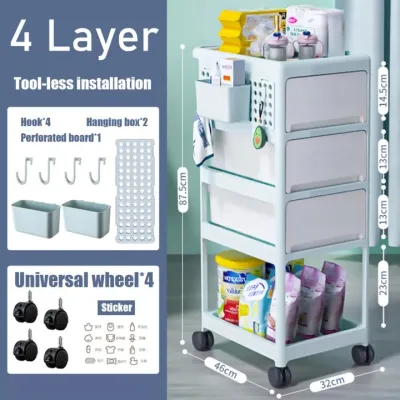
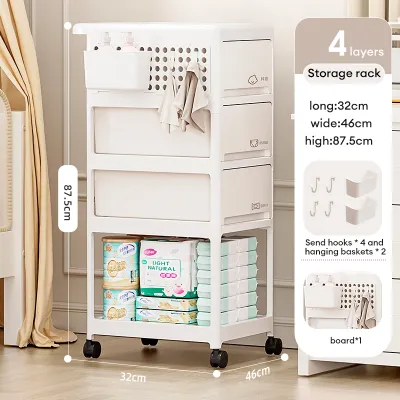
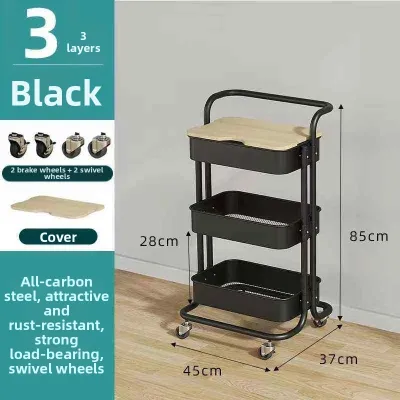
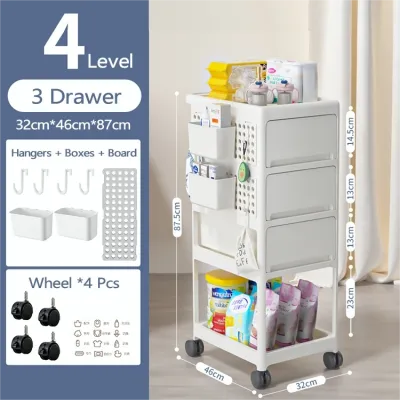
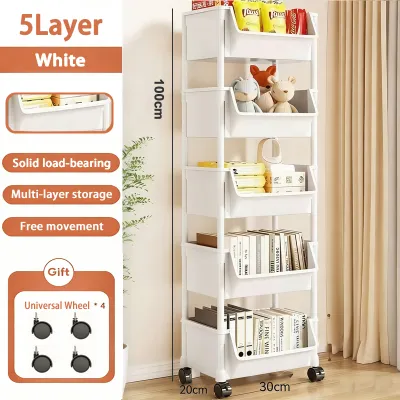
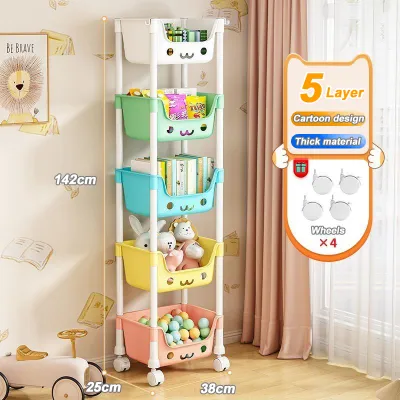
![[🇵🇭 Stock&COD] 3/4/5 Layer Movable Trolley with Wheels Snack Storage Rack Baby Product Storage Cabinet Toy Storage Rack](https://img.lazcdn.com/g/p/98271dd2f19919bb1fc7b24b27517cb4.jpg_400x400q80.jpg_.webp)
Prices are valid at publication and may change. Please refer to the product page for the latest price.
Categorizing your baby essentials by frequency of use will help you determine the ideal configuration of your storage setup. Daily items like cotton onesies, swaddles, burp cloths, and immediate-use diapers need to be positioned at waist-to-chest height for quick, strain-free access. Bulk items, such as unopened packs of wipes, next-size-up clothing, and seasonal gear, can reside on lower shelves or in secondary storage areas. Grouping these items beforehand prevents you from purchasing a rack that is either too small for your bulk supplies or too cumbersome for daily access.
Consider how the rack will integrate with your existing nursery layout and daily caregiving routines. Placing the baby rack immediately adjacent to the changing table or the primary sleeping area minimizes the time you must spend searching for supplies. A well-positioned rack ensures you never have to take your eyes off your baby to grab a fresh change of clothes or a clean washcloth. If your nursery layout requires flexibility, you might also consider whether a mobile rack with lockable caster wheels would better suit your needs than a stationary unit.
Freestanding Clothes Racks for Daily Outfits and Drying
In the tropical climate of the Philippines, high humidity can trap moisture in closed closets, leading to musty odors or mold on delicate baby garments. A freestanding clothes rack provides open-air ventilation, keeping daily cotton onesies, receiving blankets, and washcloths fresh and easy to inspect. This open design allows air to circulate freely around the fabrics, which is particularly beneficial during the rainy season when indoor air can become heavy and damp.

These racks also double as highly practical indoor drying stations for delicate baby items that cannot go into a high-heat mechanical dryer. Hanging freshly laundered garments on an open rack near a window with good airflow helps them dry naturally without losing their softness or shape. For parents who prefer to air-dry baby clothes to preserve fabric quality, a dedicated clothes rack offers a clean, organized space separate from the main family laundry line.
When shopping for a freestanding clothes rack, look for models with adjustable hanging bars and a sturdy, low-profile base. Adjustable heights allow you to lower the bar as your child grows, making it easier for toddlers to learn to select their own outfits, or raise it to accommodate longer sleepsuits and dresses. A wide, heavy base is essential to prevent the rack from tipping over when fully loaded with damp garments or when a curious baby begins to pull on the hanging clothes.
Always check the manufacturer’s specified weight capacity before hanging heavy wet items or thick blankets. Overloading a single bar can cause the frame to bow, slide, or collapse, posing a safety hazard in a room where a baby may eventually crawl or play. While basic plastic models may cost under ₱1,000, investing in a robust, metal or solid wood rack with reinforced joints is a safer long-term choice for a busy nursery.
Multi-Tier Storage Shelves for Bulk Supplies and Gear
Multi-tier shelving units, especially those featuring deep plastic or powder-coated metal baskets, are the workhorses of nursery organization. They are ideal for storing heavy bulk supplies, such as multi-packs of diapers, large tubs of baby wipes, and feeding gear like bottle sterilizers or warmers. Having a dedicated space for these heavy items keeps them off the floor and prevents clutter from accumulating in corners.
Placing lightweight fabric or plastic bins on these shelves helps categorize smaller items like medicine, grooming kits, and teething toys. This modular approach keeps the shelves looking tidy while preventing loose items from falling through wire grates or sliding off the edges. Labeling each bin by category—such as “Bath Time,” “First Aid,” or “Toys”—makes it easy for secondary caregivers, grandparents, or babysitters to find exactly what they need without searching through multiple shelves.
Choose shelves with adjustable heights so you can reconfigure the spacing as your storage needs evolve over time. Deep shelves provide excellent stability for larger items but require careful organization to ensure smaller items do not get lost at the back. When arranging items, always place the heaviest boxes and bulk supplies on the bottom shelf to keep the unit’s center of gravity as low as possible, which significantly reduces the risk of accidental tipping.
Because multi-tier shelves can become top-heavy when loaded, verifying that the unit includes wall-anchoring hardware is a critical safety step. If the manufacturer does not supply anchors, purchase a compatible, high-quality furniture strap kit to secure the unit firmly to the wall. This precaution is especially important in earthquake-prone regions or as your baby transitions into a curious toddler who may attempt to climb the shelves.
Hanging Organizers and Over-Door Racks for Compact Spaces
When floor space is at a premium in smaller bedrooms or urban apartments, hanging organizers and over-door racks offer an excellent alternative. These systems utilize the unused vertical space behind doors or along closet rods, keeping the floor completely clear for playmats, cribs, or movement. They are highly affordable solutions, often costing between ₱300 and ₱800, making them accessible for families on any budget.
These organizers are best reserved for lightweight, high-frequency items such as socks, mittens, bibs, swaddles, and soft plush toys. Grouping these small accessories into individual pockets makes them incredibly easy to locate during busy mornings. Because these items are lightweight, they put minimal stress on the organizer’s fabric and hanging hooks, ensuring the system remains secure and functional over months of daily use.
Before hanging an over-door rack, inspect the door hinges and frame to ensure they can support the added weight without sagging, squeaking, or scraping. Similarly, verify that your closet rod is securely mounted to the wall studs and not prone to bending under the localized weight of a fully loaded hanging organizer. If you notice any flexing in the rod or resistance when closing the door, reduce the load immediately to prevent structural damage.
Fabric and plastic hanging organizers can stretch, sag, or tear if loaded with heavy items like bulk lotions, heavy blankets, or wooden toys. Restricting these organizers to featherweight essentials preserves their shape and prevents them from accidentally detaching from their hooks. If you must store heavier items in a hanging system, look for models with reinforced metal hooks and rigid cardboard or plastic inserts at the bottom of each pocket.
Essential Safety and Stability Checks Before Purchasing
When selecting any baby rack, run your hands along all surfaces to check for sharp edges, rough wood splinters, or exposed metal burrs. Ensure all paints, varnishes, or plastic coatings are certified as non-toxic and lead-free, as curious babies often touch, lick, or chew on accessible furniture. Avoid any products that have a strong chemical odor upon unboxing, as this can indicate high levels of volatile organic compounds (VOCs) that can irritate a baby’s sensitive respiratory system.
Inspect the rack for small detachable parts, such as plastic end caps, loose screws, or decorative knobs that could be easily pulled off by a child. Any component small enough to fit inside a standard cardboard toilet paper roll poses a potential choking hazard and should be avoided or securely glued in place. Regularly check the rack’s hardware over time, tightening any screws that may have loosened from daily use, room vibrations, or temperature fluctuations.
A safe freestanding rack must have a low center of gravity and a wide, stable base. Test the stability of the unit in the store or immediately after assembly by gently pushing it from different angles; if it wobbles easily or feels top-heavy even when empty, it is not suitable for a nursery environment. For mobile racks, ensure the caster wheels have reliable locking mechanisms that prevent the rack from rolling when bumped by a child or pet.
Always follow the manufacturer’s assembly instructions precisely, using all supplied washers, screws, and bracing brackets. Never skip steps or substitute hardware, as this can compromise the structural integrity of the rack. If you are unsure about the assembly process or the safety of a particular wall anchor, consult a qualified professional handyman to ensure the rack is installed securely and safely.
Frequently Asked Questions (FAQ)
Can a regular adult clothes rack be safely used for baby items?
While it is tempting to repurpose an adult clothes rack, they are rarely optimized for a nursery environment. Adult racks often feature higher hanging bars that make it difficult to reach baby clothes quickly, and their wider bar spacing can allow tiny baby hangers to slip or fall off easily. Additionally, adult racks frequently lack the rounded edges, non-toxic finishes, and tip-over prevention features standard in dedicated baby furniture. They may also contain small, easily removable plastic caps or tension knobs that present immediate choking hazards to a curious, crawling baby.
How do I prevent a freestanding baby rack from tipping over?
Preventing tip-overs requires a combination of smart weight distribution and physical anchoring. Always place the heaviest items, such as bulk diaper packs, heavy blankets, or filled storage bins, on the absolute bottom shelves or tiers to keep the center of gravity as low as possible. Whenever possible, use heavy-duty furniture straps or L-brackets to anchor the rack directly to the wall studs. Finally, position the rack well away from cribs, playpens, changing tables, or any other furniture that a mobile baby might use as a climbing platform to reach higher shelves.

Community discussion
Share your experience or ask a question. Comments are reviewed before publication.