
Finding a safe and effective after-sun gel for your child in the Philippines requires looking beyond eye-catching packaging and popular brand names. With the country’s intense tropical heat and high humidity, children’s delicate skin is highly susceptible to sun-induced dryness, warmth, and irritation after a day of outdoor play. While adults might reach for any cooling gel on the shelf, a child’s developing skin barrier demands a much more cautious approach. Selecting the right after-sun care involves carefully evaluating specific ingredients, verifying age appropriateness, and understanding your child’s unique skin compatibility. This guide focuses on practical evaluation criteria, ingredient safety, and label-reading strategies to help you confidently navigate local pharmacies and online marketplaces.
Why Children Need a Dedicated After-Sun Formula
Children’s skin is not just a smaller version of adult skin; it is structurally and functionally distinct. The outermost layer of the skin, the stratum corneum, is significantly thinner in infants and young children than in adults. This structural difference means that a child’s skin barrier is highly permeable, absorbing topical substances much more rapidly while losing moisture at a faster rate. When exposed to the intense tropical sun of the Philippines, this fragile barrier can quickly become compromised, leading to rapid dehydration, redness, and localized irritation.
Using adult after-sun products on children poses significant risks due to the formulation of common cooling agents. Many adult gels rely heavily on high concentrations of denatured alcohol, menthol, camphor, or eucalyptus to create an immediate, intense cooling sensation. While these ingredients provide temporary relief for adult skin, they can cause severe stinging, chemical irritation, or even localized contact dermatitis on a child’s sensitive skin. Furthermore, adult formulations frequently contain complex synthetic fragrances and heavy preservatives designed to extend shelf life, both of which are common triggers for pediatric skin allergies.
Products mentioned in this guide
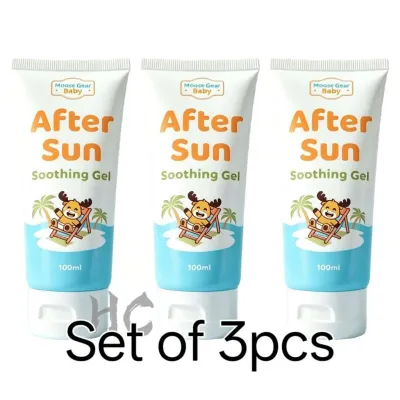
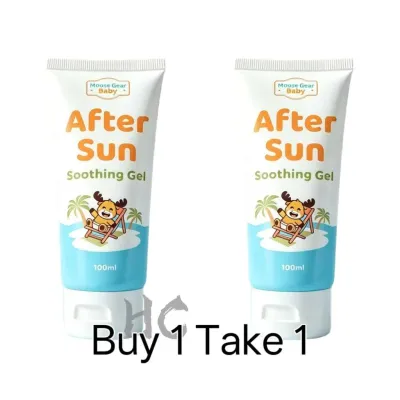
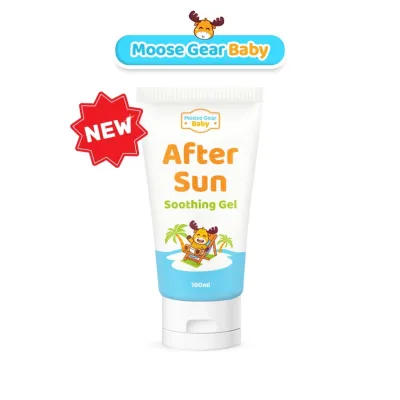
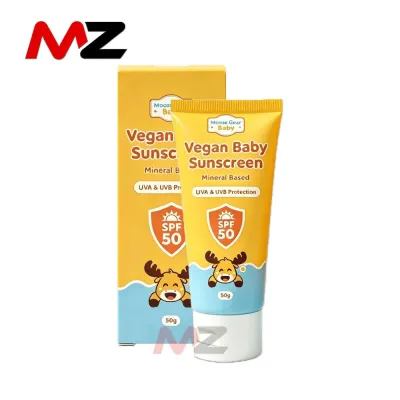
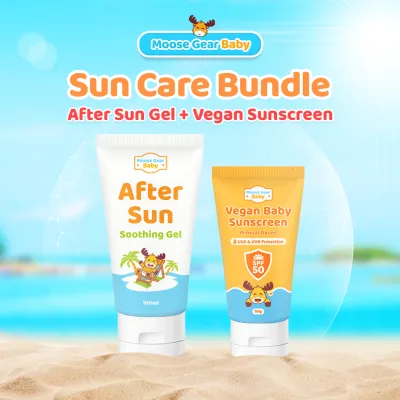
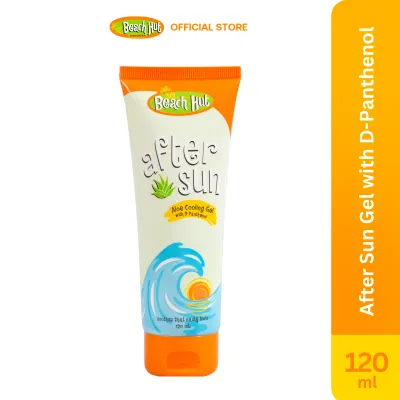
Prices are valid at publication and may change. Please refer to the product page for the latest price.
To protect your child’s developing skin, it is essential to prioritize pH-balanced and hypoallergenic formulations. A child’s skin naturally maintains a slightly acidic pH, which helps defend against harmful bacteria and environmental stressors. Adult skincare products can disrupt this delicate acid mantle, leaving the skin vulnerable to infections and chronic dryness. Dedicated pediatric after-sun gels are specifically formulated to respect this natural pH balance, utilizing mild, non-irritating bases that support the skin’s natural recovery process without introducing unnecessary chemical stress.
Essential Ingredients to Look For and Avoid
When evaluating after-sun gels on physical shelves or online platforms, the ingredient list on the back of the bottle is your most reliable tool. For pediatric skin, look for high-quality, soothing humectants and emollients that actively draw moisture into the skin and lock it in. Aloe barbadensis leaf juice (pure aloe vera) is an excellent primary ingredient, known for its natural cooling and anti-inflammatory properties. Glycerin and panthenol (provitamin B5) are also highly beneficial, as they attract water to the dehydrated outer layers of the skin, promoting rapid cellular hydration. Additionally, formulations containing ceramides or colloidal oatmeal help rebuild the compromised lipid barrier, restoring the skin’s natural protective shield.

Conversely, there are several high-risk ingredients that parents should actively avoid. Denatured alcohol (often listed as alcohol denat., ethanol, or isopropyl alcohol) is frequently added to gels to make them dry quickly on the skin, but it severely dehydrates pediatric skin and strips away essential natural oils. Synthetic fragrances and artificial colorants should also be avoided, as they serve no therapeutic purpose and are primary culprits behind allergic contact dermatitis. Parents should also steer clear of products containing parabens, phthalates, and strong essential oils—such as peppermint, citrus, or tea tree oil—which can cause phototoxic reactions when exposed to residual sunlight.
To ensure the highest level of safety, make it a habit to cross-reference product ingredient lists with established pediatric dermatology guidelines rather than relying on vague marketing claims. Terms like “natural,” “organic,” or “green” are not strictly regulated in the cosmetics industry and do not guarantee that a product is safe for sensitive young skin. A product labeled “100% natural” may still contain irritating plant extracts or essential oils that can trigger a severe reaction. Focus instead on clear, transparent ingredient lists that prioritize simple, clinically validated soothing agents.
Matching the Gel to Your Child's Age and Skin Sensitivity
A child’s skincare needs evolve significantly as they grow, requiring parents to adjust their product choices based on age and skin maturity. For infants under six months of age, the general medical consensus is to avoid direct sun exposure entirely and consult a pediatrician before applying any topical after-sun products, as their skin is extremely thin and highly absorptive. For toddlers and older children, their skin barrier is slightly more resilient but still requires gentle, low-hazard formulations. As children reach school age, their skin can tolerate a wider variety of lightweight, fast-absorbing textures, though gentle ingredients remain paramount.
Skin type is another critical factor when selecting an after-sun gel. Children with normal skin generally do well with lightweight, water-based aloe vera gels that absorb quickly without leaving a sticky residue in the humid Philippine climate. However, if your child has dry, highly sensitive, or eczema-prone skin, a standard lightweight gel may not provide sufficient moisture. For these children, look for cream-gel hybrids or after-sun lotions that combine the cooling sensation of a gel with the rich, lipid-replenishing properties of a cream. These formulations help prevent the trensepidermal water loss that can exacerbate eczema flare-ups after sun exposure.
Understanding the trade-offs between different product textures will help you make the best choice for your daily routine. Pure aloe vera gels offer an immediate, highly refreshing cooling effect that is incredibly soothing on warm skin, but they can sometimes leave a tight, dry film as the water evaporates. Water-based lotions provide a balance of hydration and ease of application, making them ideal for full-body coverage. Cream-gel hybrids, while slightly heavier, offer the most robust moisture retention, making them the preferred choice for dry tropical evenings when air conditioning can further dehydrate your child’s skin.
Navigating Labels and Safety Certifications
Deciphering the claims on skincare packaging can be challenging, especially with the wide array of products available in local pharmacies and online marketplaces. Common marketing terms such as “pediatrician tested,” “dermatologist approved,” or “hypoallergenic” are helpful indicators, but they should not be taken as absolute guarantees of safety. These labels often mean the product was tested on a small sample group under controlled conditions, which may not reflect how your child’s unique skin will react. Use these claims as a starting point, but always verify them by reading the full ingredient list yourself.
When budgeting around ₱300 to ₱800 for a high-quality pediatric after-sun gel, ensuring product authenticity is critical for protecting your child from counterfeit or expired goods. Always buy from official brand stores or highly rated, authorized distributors on online marketplaces. Before purchasing, check the product images or ask the seller for the batch number and expiration date. Upon receiving the product, inspect the packaging carefully for any signs of tampering, broken seals, or misprinted text. A genuine product should have a clearly legible batch code stamped on the tube or bottle, which can often be verified directly with the manufacturer.
In the Philippines, a key step in verifying product safety is checking for local regulatory notifications. Safe, legally distributed cosmetics should be registered with the Food and Drug Administration (FDA) of the Philippines. You can verify a product’s registration status by searching the official FDA verification portal for the product name or its cosmetic notification number. This registration ensures that the product has undergone safety evaluations and does not contain banned or harmful substances, providing an essential layer of security for your family.
Proper Application and When to Seek Medical Advice
Applying after-sun gel correctly is just as important as choosing the right product. Before applying any new gel to your child’s body, always perform a patch test. Apply a small, dime-sized amount of the product to a clean patch of skin on their inner forearm or behind the ear, and monitor the area for 24 hours for any signs of redness, itching, or swelling. If no reaction occurs, you can safely proceed with full application. When applying the gel after outdoor play, ensure your child’s skin is first gently cleansed with cool water and a mild, soap-free wash to remove sweat, salt water, chlorine, and residual sunscreen.
Gently pat the skin dry with a soft towel and apply the gel using light, sweeping motions rather than rubbing vigorously, which can further irritate warm skin. Always follow the manufacturer’s exact usage instructions, paying close attention to any age restrictions or storage guidelines. Many after-sun gels can be stored in the refrigerator to enhance their cooling effect, but you should check the label first to ensure that low temperatures will not compromise the product’s stability or cause the ingredients to separate. Never apply after-sun gel to broken, blistered, or oozing skin, as this can introduce bacteria and lead to infection.
It is vital for parents to recognize the limits of over-the-counter after-sun gels and know when a sun reaction requires professional medical attention. While a mild pinkness and warmth can be managed with cooling gels and hydration, a severe sunburn is a medical emergency. If your child develops blistering, a high fever, chills, severe headache, confusion, extreme pain, or signs of dehydration such as lethargy or dry mouth, do not attempt to treat these symptoms at home. Immediately consult a pediatrician or visit the nearest healthcare facility for professional evaluation and treatment.
Frequently Asked Questions (FAQ)
Can I use regular aloe vera gel from the supermarket on my child?
While pure, raw aloe vera is highly soothing, many generic aloe vera gels sold in supermarkets are formulated for general cosmetic or adult use. These products often contain high concentrations of denatured alcohol to speed up drying, synthetic green colorants, and strong preservatives that can easily irritate a child’s sensitive skin barrier. Before using any supermarket aloe vera gel on your child, carefully read the ingredient list to ensure it is free from alcohol, artificial fragrances, and harsh chemicals. If you cannot find a dedicated pediatric formula, look for a minimal-ingredient, fragrance-free gel labeled safe for sensitive skin.
How often should I reapply after-sun gel if my child is still outdoors?
After-sun gel is designed solely to soothe and hydrate the skin after sun exposure has ended; it does not contain UV filters and provides absolutely no protection against sun damage. You should never apply after-sun gel to a child who is still actively playing in the sun, nor should you mix it with sunscreen, as this will dilute the sunscreen’s protective efficacy. While your child is outdoors, focus entirely on reapplying a broad-spectrum, water-resistant pediatric sunscreen every two hours, or immediately after swimming or sweating. Save the after-sun gel for a post-shower routine once you have returned indoors for the day.
What should I do if my child develops a rash after applying the gel?
If your child develops a rash, redness, hives, or complains of itching or burning after you apply an after-sun gel, take immediate action. Gently wash the product off their skin using cool, running water and a soft cloth, avoiding any harsh scrubbing. Discontinue use of the product immediately and keep the skin clean and dry. If the rash persists for more than 24 hours, spreads, becomes increasingly painful, or is accompanied by systemic symptoms such as a fever, facial swelling, or difficulty breathing, seek immediate medical advice from a pediatrician or healthcare professional.

Community discussion
Share your experience or ask a question. Comments are reviewed before publication.