
At one year old, your baby is exploring the world with their mouth, and their first tiny teeth are already making an appearance. Establishing a daily oral hygiene routine is essential, but it comes with a unique challenge: infants at this developmental stage do not yet know how to spit. Consequently, whatever toothpaste you apply to their brush will inevitably be swallowed. Choosing a safe, swallow-friendly baby toothpaste for a 1-year-old requires careful attention to product labels, ingredient lists, and professional pediatric guidelines.
To ensure your child’s safety, the primary decision involves verifying that the formulation is explicitly labeled as safe if swallowed and designed for infants. Parents must also consult a pediatric dentist regarding the use of fluoride, as recommendations vary based on individual risk factors. Additionally, you must inspect the packaging for potential choking hazards, avoid harsh foaming agents or artificial additives, and establish controlled brushing habits to minimize ingestion.
Navigating Fluoride Guidelines for 1-Year-Olds
The question of whether to use fluoride toothpaste for a one-year-old is a common source of confusion for parents. Fluoride is highly effective at strengthening tooth enamel and preventing cavities, but because infants swallow their toothpaste, excessive intake can lead to dental fluorosis—a cosmetic condition that causes faint white lines or streaks on developing permanent teeth. Deciding between fluoride-free and low-fluoride options requires a balanced approach tailored to your child’s specific needs.
Products mentioned in this guide
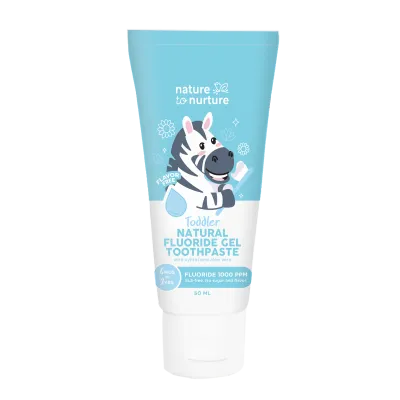
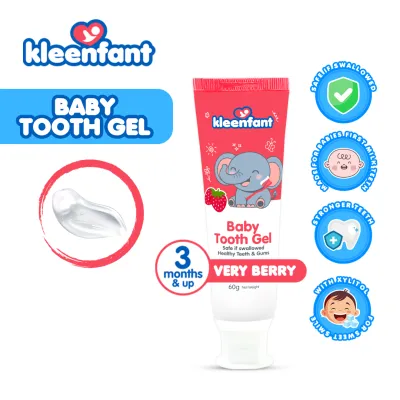
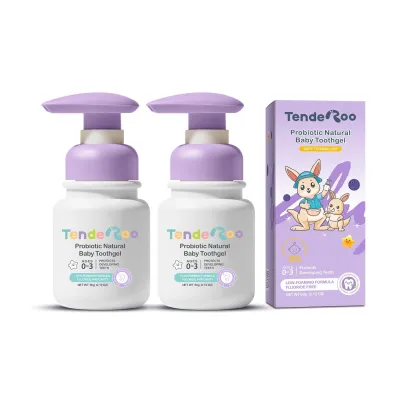
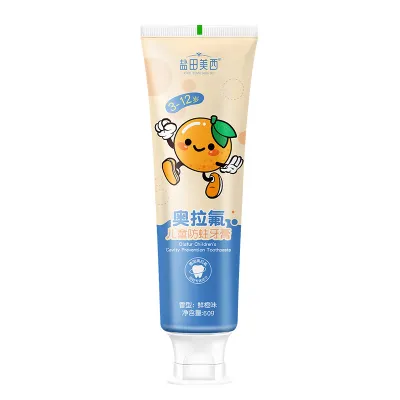


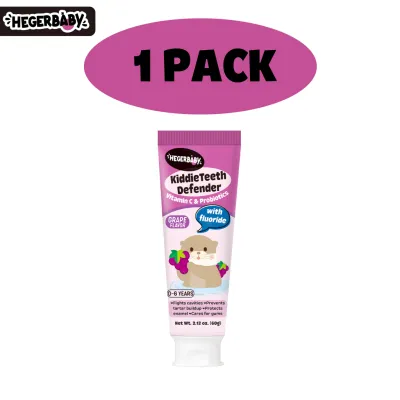
Prices are valid at publication and may change. Please refer to the product page for the latest price.
Professional dental organizations and pediatricians emphasize that fluoride recommendations are not one-size-fits-all. A pediatric dentist will evaluate your baby’s individual risk factors, including their diet, genetics, and the fluoride levels in your local water supply. In many tropical regions, municipal tap water may not be consistently fluoridated, or families may rely entirely on bottled or purified water. A dentist can determine if your child needs the cavity protection of a low-fluoride toothpaste or if a fluoride-free training toothpaste is the safer initial choice.
When shopping for baby toothpaste for a 1-year-old, you must learn to read the active ingredients panel on the back of the packaging. If a product contains fluoride, it will list active ingredients such as sodium fluoride or sodium monofluorophosphate. The concentration is typically measured in parts per million (ppm). Infant-safe low-fluoride toothpastes generally contain around 500 ppm of fluoride, which is significantly lower than the 1,000 to 1,500 ppm found in standard adult formulations.
If your pediatric dentist recommends starting with a fluoride-free training toothpaste, verify that the packaging explicitly states “fluoride-free.” These formulations rely on gentle cleaning action and safe-to-swallow ingredients to clean the teeth without any risk of fluorosis. Whichever path your dentist recommends, always verify the exact concentration on the label and never assume a product is fluoride-free simply because it features a baby cartoon on the front.
Reading the Ingredient List: What to Verify and Avoid
Beyond fluoride, the inactive ingredients in baby toothpaste require close inspection. Because a one-year-old will ingest the product, the formulation should resemble food-grade safety standards as closely as possible. Many commercial toothpastes contain additives designed to improve shelf life, create foam, or enhance texture, but these can be too harsh for an infant’s delicate oral mucosa and developing digestive system.

One of the most critical ingredients to check for and avoid is Sodium Lauryl Sulfate (SLS). SLS is a surfactant responsible for the rich, foaming action in adult toothpastes. However, foaming is entirely unnecessary for cleaning a baby’s teeth and can actually trigger oral ulcers, dry mouth, or mild irritation in sensitive infants. Look for “SLS-free” or “non-foaming” labels, which indicate a much gentler formula that won’t irritate your baby’s gums.
Abrasives are another category to evaluate carefully. Adult toothpastes often contain highly abrasive agents like coarse hydrated silica or calcium carbonate to scrub away surface stains. For a one-year-old, these can wear down the thin, delicate enamel of primary teeth. Ensure the product uses ultra-mild, finely ground polishing agents, or opt for clear gel formulations which typically have lower abrasiveness than opaque pastes.
Artificial additives should also be kept to a minimum. Avoid products containing artificial dyes, synthetic colors, or chemical preservatives like parabens and formaldehyde-releasing agents. Instead, prioritize simpler, shorter ingredient lists that utilize natural, plant-derived preservatives and food-grade stabilizers. Sweeteners are often added to make the paste palatable, but you should steer clear of artificial sweeteners like saccharin. Instead, look for natural sugar-free alternatives like xylitol, which does not promote tooth decay, but ensure it is used in moderation.
Finally, always cross-reference the ingredient list with your pediatrician’s advice if your baby has known food allergies or skin sensitivities. Some natural toothpastes use coconut-derived ingredients, dairy derivatives (such as milk proteins used in some tooth-remineralizing pastes), or specific fruit extracts that could trigger an allergic reaction. Checking the full list ensures that every single ingredient is safe for your baby’s unique system.
Physical Safety: Texture, Flavor, and Packaging Checks
When selecting a baby toothpaste for a 1-year-old, physical safety extends beyond chemical ingredients to the physical properties of the product and its container. The texture of the toothpaste should be exceptionally smooth and free of any gritty particles. A gritty texture can trigger a baby’s sensitive gag reflex, leading to choking, vomiting, or a sudden aversion to brushing altogether. Testing a tiny smear between your own fingers can help you verify its smoothness before introducing it to your child.
Flavor profiles play a major role in how much toothpaste your baby attempts to swallow. While a pleasant flavor makes brushing easier, overly sweet, candy-like, or artificial fruit flavors can backfire. If the toothpaste tastes exactly like a sweet treat, your baby will be highly motivated to suck the paste off the brush or attempt to eat it directly from the tube. Opt for very mild, subtle flavors—such as light apple, pear, or mild mint—that make the experience pleasant without encouraging excessive swallowing.
Packaging design is another crucial safety barrier. Always inspect the tube for child-resistant caps or controlled-dispensing mechanisms. Standard screw caps can be easily twisted off by curious toddlers and present a severe choking hazard if placed in the mouth. Flip-top caps that are securely attached to the tube are generally safer, provided they require a level of finger strength that a one-year-old does not possess. Some modern baby toothpastes come in pump dispensers, which can help parents measure out a precise, tiny amount while preventing the child from squeezing the tube.
Safe Brushing Practices for Babies Who Swallow
Even with the safest, most natural baby toothpaste, minimizing the total volume your child swallows is a key part of maintaining good oral health. Establishing safe brushing habits early on protects your baby’s stomach and ensures that brushing remains a positive, controlled routine.
The most effective way to limit ingestion is to strictly control the portion size. For a one-year-old, the recommended amount of toothpaste is incredibly small.
- For Fluoride Toothpaste: Use a tiny smear or a portion no larger than a single grain of uncooked rice.
- For Fluoride-Free Toothpaste: A similar rice-sized smear is sufficient to clean the teeth without overloading their digestive tract.
Never squeeze a full ribbon of toothpaste across the bristles of the brush, as this is far too much for an infant.
Your positioning and technique during brushing can make a significant difference in safety. Sit or stand in a well-lit area where you can clearly see inside your baby’s mouth. Cradle your baby’s head gently against your body or lap to keep them secure and calm. This position gives you maximum control over the toothbrush, preventing sudden movements that could cause the brush to slide too far back into the throat. Always keep the toothpaste tube completely out of your baby’s reach during and after the session to prevent unsupervised access.
Despite your best efforts, babies will swallow some toothpaste. Keep a close eye out for signs of mild stomach upset, such as gas, bloating, or loose stools, which can occur if a baby swallows too much product, particularly those containing high amounts of sugar alcohols like sorbitol or xylitol. If you notice persistent digestive discomfort or suspect your baby has swallowed an unusually large amount of toothpaste, stop using the product immediately and consult a healthcare professional or pediatric dentist for guidance.
Frequently Asked Questions (FAQ)
What should I do if my 1-year-old eats a large amount of toothpaste?
If your child manages to consume a significant quantity of toothpaste directly from the tube, remain calm and take immediate action. First, locate the toothpaste packaging and check the label for specific first-aid instructions and manufacturer contact details. If the product is fluoride-free, the primary risk is mild stomach upset or diarrhea from the sweeteners and binders. Wipe your baby’s mouth with a clean, damp cloth to remove any remaining paste, and offer a small amount of water to help soothe their stomach.
If the toothpaste contains fluoride, excessive ingestion is more serious. Offer your baby a small amount of milk or yogurt, as the calcium in dairy products binds with fluoride in the stomach, reducing its absorption. Monitor your child closely for red-flag symptoms such as vomiting, excessive drooling, severe abdominal pain, or unusual lethargy. If you observe any of these symptoms, or if you are uncertain of the amount consumed, seek immediate professional medical attention or visit the nearest emergency clinic.
Is it safe to use adult toothpaste diluted with water for my baby?
No, it is not safe to use diluted adult toothpaste for a one-year-old. Diluting adult toothpaste with water does not reliably or evenly reduce the concentration of active ingredients, abrasives, or foaming agents. The mixture will remain highly inconsistent, meaning your baby could still ingest concentrated pockets of fluoride, strong surfactants like Sodium Lauryl Sulfate (SLS), and harsh abrasives that can damage their delicate primary tooth enamel.
Adult toothpastes are formulated for mature oral cavities and are designed to be spit out completely. They often contain strong flavorings, such as intense menthol, which can burn or irritate an infant’s mouth and throat. To ensure your child’s safety, always use products that are explicitly formulated, tested, and labeled for infants and toddlers.
How often should I replace my baby's toothpaste tube?
You should regularly inspect your baby’s toothpaste tube to maintain optimal hygiene and ingredient efficacy. Always check the manufacturer’s printed expiration date on the crimp of the tube, as well as the Period After Opening (PAO) symbol, which looks like an open jar with a number (such as 6M or 12M, indicating six or twelve months of safe use after opening).
Proper storage is essential, especially in warm, humid tropical climates. Store the tube in a cool, dry cabinet rather than on a damp bathroom sink, and ensure the cap is tightly sealed after every use to prevent bacterial contamination. If you notice any visual signs of spoilage—such as separation of the liquid and paste, discoloration, a change in texture, or an unusual sour odor—discard the tube immediately and replace it with a fresh one.

Community discussion
Share your experience or ask a question. Comments are reviewed before publication.