
Transitioning your baby to solid foods is an exciting milestone, but it often comes with a fair share of messy tables and tossed dishes. Choosing the right silicone baby feeding sets and water cups can make this transition smoother, safer, and much cleaner. Food-grade silicone has become the material of choice for many parents due to its flexibility, durability, and resistance to breaking when dropped from high chairs. However, finding the ideal set requires looking beyond cute designs and vibrant colors to evaluate material safety, suction reliability, and developmental appropriateness.
Because every baby develops at their own pace, there is no single set that fits every stage of weaning. Caregivers must carefully evaluate the design features of plates, bowls, spoons, and cups to ensure they match their child’s current motor skills. By focusing on practical features like suction strength, ergonomic handles, and verified safety labels, you can select feeding gear that supports your baby’s independence while keeping mealtime messes to a minimum.
Key Features to Look for in Silicone Feeding Sets
When shopping for a baby feeding set silicone, material verification should be your first priority. High-quality silicone is non-porous, meaning it does not harbor bacteria easily—a crucial benefit in warm, humid tropical climates. When browsing online marketplaces or local baby boutiques, look for clear packaging labels indicating 100% food-grade silicone. Verify that the product is free from bisphenol A (BPA), polyvinyl chloride (PVC), and phthalates, as these chemical additives are not suitable for food-contact items. High-quality silicone should not emit strong chemical odors upon unboxing, which can sometimes indicate the presence of cheap plastic fillers.
Products mentioned in this guide
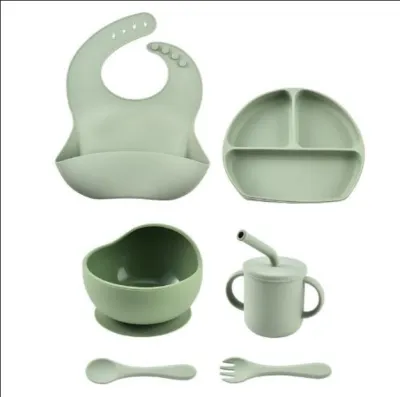
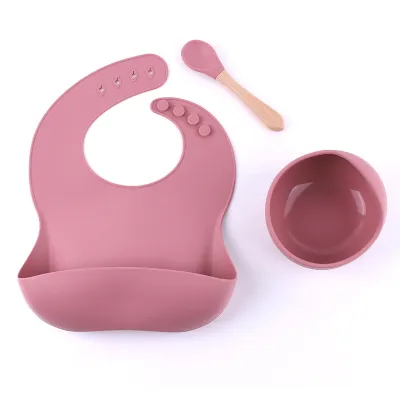
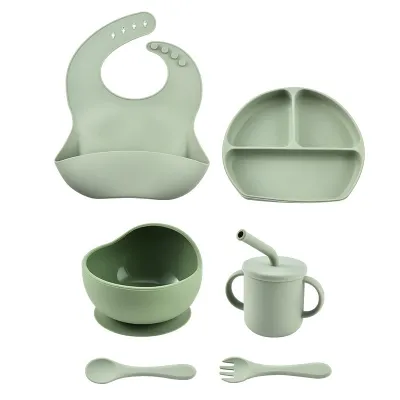
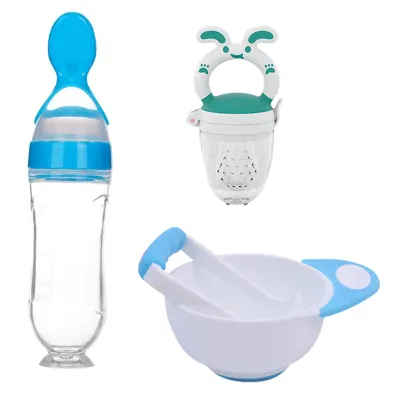
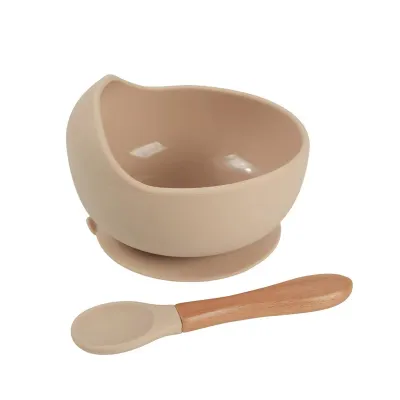
![[COD] BPA Free Infant Toddlers Suction Divider Plate Baby Silicone Spoon and Fork Set 100% Food Grade Silicone](https://img.lazcdn.com/g/p/3d96cb5be5e541fc9d0c4bfc3aba671d.jpg_400x400q80.jpg_.webp)
Prices are valid at publication and may change. Please refer to the product page for the latest price.
Base stability is another essential feature to evaluate, especially as babies love to test gravity by throwing their dishes. A strong suction base is your primary defense against flying bowls of warm rice porridge or mashed squash. When evaluating suction bowls and plates, look for a wide, flat suction pad at the bottom rather than a small, narrow one. Keep in mind that suction performance depends heavily on the surface material of your baby’s high chair tray or dining table. Smooth, non-porous surfaces like plastic, glass, or polished stone yield the best suction, whereas textured wood or matte finishes may allow air to seep in, releasing the seal.
Utensil design must also match your baby’s physical coordination and safety needs. For early weaning, look for spoons with short, chunky handles that are easy for tiny hands to grasp using a palmar grip. Soft, flexible silicone tips protect sensitive, teething gums from accidental bumps during self-feeding attempts. Many modern starter spoons also feature a built-in choke guard, which is a wide collar near the neck of the utensil that prevents the baby from inserting the spoon too far into their mouth. As your baby develops better hand-eye coordination, you can transition to slightly firmer utensils with textured grips that prevent slipping.
Selecting the Right Silicone Water Cups for Beginners
Introducing water during weaning is essential for hydration, but the type of cup you choose should align with your baby’s oral motor development. Pediatricians and pediatric dentists often recommend starting with a small open cup or a straw cup rather than a traditional hard-spout sippy cup. Open cups with dual handles allow babies to practice the tipping motion and lip sealing required for mature drinking, though they require close caregiver supervision to manage spills. Straw cups help strengthen the tongue and cheek muscles, which are vital for speech development, making them an excellent choice for daily use.

While leak-proof valves are highly convenient for keeping diaper bags dry, they require a baby to suck with significant force, which does not mimic natural drinking patterns. For active meal times at home, consider a free-flowing straw cup or a simple open cup with a weighted base to encourage proper oral habits. If you need a travel-friendly option, look for a silicone cup with a secure, press-fit lid and a straw that features a cross-cut valve. This design minimizes leaks when the cup is tipped over on the floor but still allows water to flow relatively easily when the baby sips.
An ideal beginner’s cup must be lightweight enough for a six-month-old to lift comfortably, even when filled with water. Look for cups with dual, easy-grip handles that are molded directly into the silicone body to prevent them from slipping off during use. The exterior texture should be slightly matte or ribbed to provide traction for wet, slippery hands. A wide, weighted base is also beneficial, as it helps the cup resist tipping over when placed back down on the high chair tray.
Safety Checks and Manufacturer Labels to Verify Before Purchase
Do not rely solely on online product descriptions, which can sometimes use unverified marketing terms. Instead, inspect the physical packaging or the manufacturer’s official documentation for recognized safety standards. Look for certifications such as FDA (Food and Drug Administration) compliance or European LFGB standards, which involve rigorous testing for chemical leaching. High-quality silicone products often have these standards stamped directly onto the underside of the plates or bowls, providing a permanent record of compliance.
Silicone is highly heat-resistant, but its exact limits vary depending on the manufacturing process and the presence of internal structural supports. Always check the manufacturer’s specified temperature range before placing silicone items in a microwave, steam sterilizer, UV sterilizer, or boiling water. Some silicone plates contain hidden plastic or metal cores to give them structural rigidity; these items are generally not microwave-safe and must be washed by hand to prevent damage. If you are unsure about a product’s heat tolerance, contact the manufacturer directly before exposing it to high heat.
Before using any new feeding gear, perform a thorough physical inspection at home. Wash the items with mild baby-safe dish soap and warm water, then check for any manufacturing defects, such as loose silicone fragments, uneven edges, or weak seams. Perform a simple “pinch test” by twisting a flat section of the silicone; if white lines appear through the material, it may contain plastic fillers rather than being 100% pure silicone. Ensure that any removable parts, like straw valves or cup lids, fit snugly and cannot be easily pulled off and swallowed by an unsupervised baby.
Building Your Weaning Shortlist: Matching Gear to Feeding Stages
At the start of the weaning journey, typically around six months of age, your baby is just learning to swallow non-liquid foods. During this early stage, caregiver-led feeding is prominent, and your shortlist should prioritize small, shallow silicone bowls that allow you to easily scoop out small portions of purees. Look for soft, narrow-tipped silicone spoons that fit comfortably inside a tiny mouth without triggering the gag reflex. Suction bases are helpful but less critical at this stage since the caregiver is usually holding the bowl.
As your baby reaches eight to ten months, they will begin exploring finger foods and attempting to feed themselves. This is the prime stage for divided silicone plates and deep suction bowls. Divided plates allow you to present different food groups—such as soft fruits, steamed vegetables, and grains—separately, which encourages sensory exploration and self-feeding. A strong suction base is absolutely essential during this phase to prevent the entire plate from being flipped onto the floor. Look for utensils with textured, bulbous handles that are easy for a baby to hold independently.
By twelve months and beyond, toddlers are developing refined fine motor skills, such as the pincer grasp. They can begin transitioning to larger, undivided silicone plates and bowls that mimic adult dinnerware. This is also the ideal time to phase out suction bases entirely, helping your child learn to stabilize their own dishes with their non-dominant hand. Introduce open silicone cups without lids and standard-sized toddler utensils to prepare them for family meals. If you notice any persistent feeding difficulties or delays in oral motor skills, consult a pediatrician or a pediatric feeding specialist for personalized guidance.
Care, Cleaning, and When to Replace Silicone Gear
Proper hygiene is vital to protect your baby’s developing immune system from foodborne illnesses. Most pure silicone feeding items are dishwasher-safe and can be placed on the top rack for easy cleaning. If hand-washing, use a soft sponge and a mild, fragrance-free dish soap, as silicone can sometimes absorb strong perfume scents from standard dishwashing liquids. In humid climates, ensure all items are thoroughly air-dried in a well-ventilated area to prevent mold or mildew from forming in hard-to-reach crevices, such as the inside of straws or cup lids.
Highly pigmented foods like carrots, squash, or tomato-based sauces can leave stubborn orange or red stains on light-colored silicone. To remove these stains without using harsh chemical bleaches, create a paste using baking soda and water, rub it over the stained area, and let it sit for several hours before rinsing. For persistent food odors, boiling the heat-safe silicone item in water with a splash of white vinegar can help neutralize the smell. Alternatively, placing the clean, dry silicone gear in direct sunlight for a few hours is a natural way to fade stains and eliminate odors.
Although silicone is highly durable, it is not indestructible and will eventually show signs of wear. Regularly inspect your baby’s feeding gear for damage, especially once they start developing teeth. Immediately discard and replace any items that show deep cuts, tears, or bite marks, as these damaged areas can harbor bacteria or become choking hazards if a piece breaks off. Other signs that indicate it is time for a replacement include a sticky texture that does not wash away, persistent sour odors that survive deep cleaning, or a complete loss of suction capability.
Frequently Asked Questions (FAQ)
Can silicone feeding sets be used in the microwave?
Yes, many pure silicone feeding sets are microwave-safe, but you must always verify this by checking the manufacturer’s packaging or the symbols stamped on the bottom of the product. Pure silicone can withstand high temperatures, making it convenient for warming up pre-prepared baby meals. However, you should never microwave silicone items that contain internal metal or plastic reinforcements, as these can warp, melt, or cause sparks. Always stir warmed food thoroughly and test the temperature on your inner wrist before serving it to your baby to prevent burns.
How do I remove food stains or odors from silicone?
To remove stubborn food stains or lingering odors from silicone plates and cups, apply a thick paste made of baking soda and water directly to the affected areas. Let the paste sit for at least thirty minutes, or overnight for deep stains, then scrub gently with a soft sponge and rinse thoroughly with warm water. For persistent odors, you can boil the silicone item in water for ten minutes, or soak it in a mixture of equal parts warm water and white vinegar. Placing the clean items in direct sunlight for a few hours also helps naturally bleach out stains and eliminate odors.

Community discussion
Share your experience or ask a question. Comments are reviewed before publication.