
Selecting a safe baby pillow requires balancing physical support, breathability, and age-appropriate design. While parents often look for charming bedding accessories, a baby’s physiological needs demand strict safety checks. A safe baby pillow must feature a firm surface that rebounds instantly, highly breathable materials to prevent heat buildup, and a flat profile that maintains natural spinal alignment.
Assessing Readiness: Does Your Baby Actually Need a Pillow?
Before purchasing bedding, it is essential to evaluate whether your child is developmentally ready for a pillow. Pediatric guidelines generally recommend keeping a baby’s sleep surface completely bare of pillows, blankets, and soft toys until they are at least 12 months old. Introducing these items too early increases the risk of accidental suffocation, as infants lack the motor skills to move objects away from their faces during sleep.
As your child grows, you can look for specific observable transition signals that indicate readiness for a pillow. A common milestone is the transition from a crib to a toddler bed, which typically occurs between 18 months and three years of age. You might also notice your child placing their head on a folded blanket, a stuffed animal, or their own arm during sleep, suggesting they are actively seeking extra head support.
Products mentioned in this guide
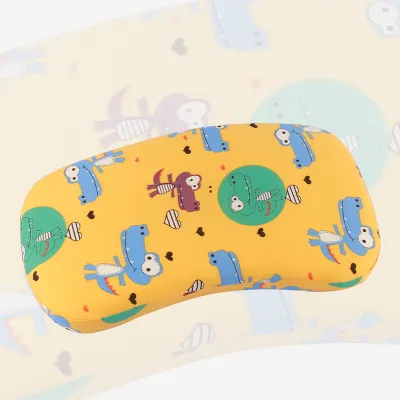
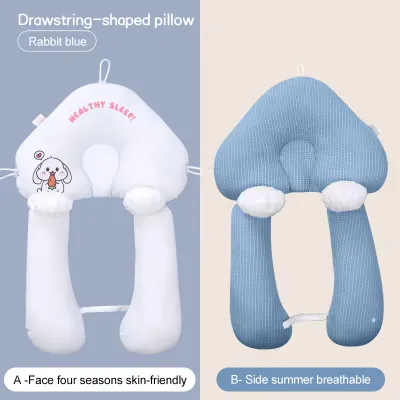
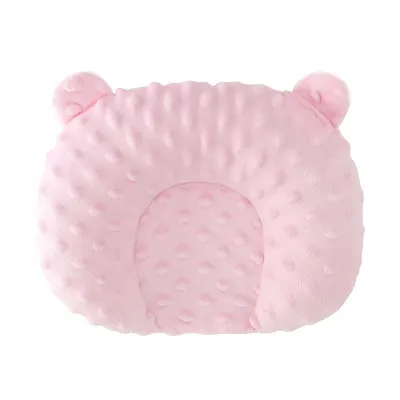
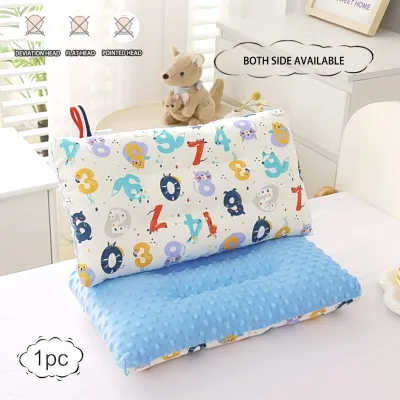
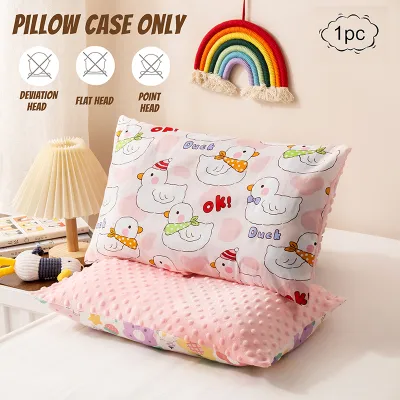
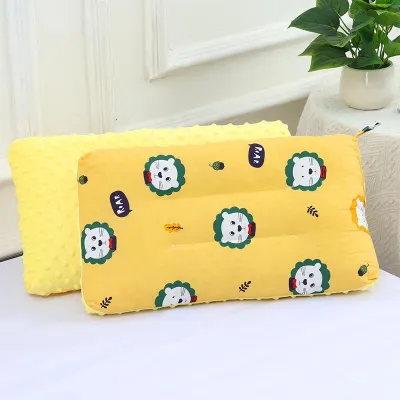
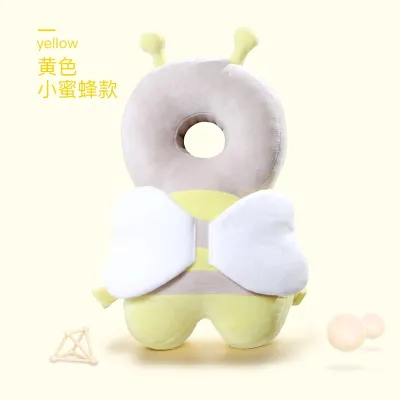
Prices are valid at publication and may change. Please refer to the product page for the latest price.
Always establish clear stop conditions when introducing any new bedding. If you notice your child struggling to turn their head, waking up frequently with neck discomfort, or showing signs of restricted movement, remove the pillow immediately. Prioritize a flat, clear sleep space and consult a pediatrician if you have any concerns about your child’s developmental readiness.
Essential Safety Checks: Firmness, Breathability, and Size
When evaluating baby pillows, a hands-on inspection is the most reliable way to verify safety features. Perform a manual firmness test by pressing your hand firmly into the center of the pillow and releasing it. The material must rebound rapidly to its original shape without leaving a deep indentation. If the pillow remains compressed or feels plush and pillowy, it is too soft and poses a safety hazard.

Breathability is another critical factor, especially in warm, humid tropical climates like the Philippines where overheating is a constant concern. Visually and physically inspect the pillow for built-in ventilation features, such as mesh side panels, 3D spacer fabrics, or perforated cores. Check the manufacturer’s specifications on the packaging to verify that the materials allow continuous airflow and do not trap carbon dioxide.
Size and thickness limits must be strictly observed to protect your child’s developing spine. A baby pillow should be thin and compact, keeping the head, neck, and spine in a straight, neutral line. Avoid thick, fluffy pillows that force the neck into an unnatural forward bend, as this posture can restrict a young child’s airway during sleep.
Evaluating Materials: Fillings and Cover Fabrics
Do not rely on marketing buzzwords like “organic” or “orthopedic” without verifying the actual product specifications. Establish a systematic framework to compare internal fillings and external covers by reading the physical product tags, care instructions, and manufacturer-provided age guidelines.
Material names alone do not guarantee safety or comfort. A fabric labeled as natural cotton might still be treated with harsh chemicals, or a foam core might not be rated for your child’s specific age group. Always cross-reference the manufacturer’s age suitability ratings and washing limits on the packaging before making a decision.
Comparing Fillings for Support and Breathability
Polyester fiberfill, memory foam, and natural alternatives like organic cotton or bamboo fibers have distinct structural properties. Polyester fiberfill is lightweight and highly washable, but it can clump over time if not stitched securely. Memory foam offers excellent contouring support, but standard memory foam tends to retain body heat, which can cause discomfort in tropical environments.
Verify the specific age recommendations on the packaging before choosing a filling. Memory foam, in particular, is often restricted to older toddlers because its contouring nature can conform too closely to an infant’s face, presenting a safety risk if they roll over. Look for specialized, highly ventilated, or perforated foam cores if you choose this material, and ensure it is rated for your child’s developmental stage.
Check for internal shifting by shaking the pillow and pressing across its surface to check for uneven lumps or shifting fill. High-quality pillows feature internal baffling or quilted chambers that keep the filling evenly distributed. This construction prevents the formation of dangerous hollows or high spots that could compromise neck support.
Choosing Hypoallergenic and Washable Covers
Rather than assuming a fabric is hypoallergenic simply because of its name, look for independent safety certifications on the packaging. These labels indicate that the fabric has been tested for harmful substances and common allergens, which is especially important for babies with sensitive skin or eczema.
Inspect the zipper mechanism closely to prevent choking and scratching hazards. A safe baby pillow should feature a concealed zipper pocket or a locking zipper slider that cannot be easily pulled open by curious little fingers. Exposed metal or plastic zipper tabs pose a scratching hazard and a choking risk if they break off.
Read the attached care tags to verify shrinkage and colorfastness limits before purchase. A baby pillow cover will require frequent washing at high temperatures to eliminate dust mites and sweat. Ensure the fabric is pre-shrunk and colorfast so it maintains its shape and does not bleed dyes during rigorous washing cycles.
Navigating Designs and Aesthetics for Girls Safely
When shopping for baby pillows for girls, it is easy to be drawn to whimsical designs featuring 3D animal ears, sewn-on buttons, decorative beads, or loose ribbons. However, these embellishments are serious choking and strangulation hazards. If a button or ribbon detaches during sleep, it can easily be swallowed or wrapped around a baby’s fingers or neck.
Prioritize flat, printed patterns or smooth, high-quality embroidery that does not create raised surfaces or detachable parts. You can find beautiful, feminine aesthetics—such as floral prints, pastel colorways, or delicate geometric patterns—integrated directly into the weave or print of the fabric cover. This approach allows you to match your nursery decor without compromising safety.
Ensure that the dyes and prints used on the fabric are safe for close skin contact. Check the product label or manufacturer documentation for textile safety certifications, which verify that the printing inks are free from heavy metals and toxic chemicals that could rub off on your baby’s skin or be inhaled.
Care Instructions and Signs It Is Time to Replace
Always follow the manufacturer’s specific washing and drying instructions to maintain hygiene. In humid tropical climates, improper drying can quickly lead to mold and mildew growth inside the pillow filling. Ensure the pillow and its cover are completely dry before placing them back in the crib or toddler bed.
Inspect the pillow regularly for observable signs of wear. If you notice permanent flattening, lumpy filling that cannot be redistributed, lingering odors even after washing, or fabric tearing along the seams, replace the pillow immediately. Damaged seams can expose the internal filling, creating a choking hazard.
As your child grows, their shoulder width and sleeping positions will change. Periodically re-evaluate the pillow’s thickness and size to ensure it still supports proper neck alignment. A pillow that was perfect for a young toddler may become too thin or small as they transition into early childhood.
Frequently Asked Questions (FAQ)
Can I use a regular toddler pillow for my baby?
No, regular toddler pillows are generally thicker, larger, and softer than pillows designed specifically for babies. This extra thickness can force a baby’s head forward, straining their neck and potentially restricting their airway. Always follow the manufacturer’s minimum age, weight, and height recommendations printed on the product label before introducing any pillow.
Are memory foam pillows safe for infants?
Standard memory foam pillows are generally unsafe for infants because they contour closely to the head and face, which can block the airway if the infant rolls over. Additionally, memory foam tends to retain heat, which can lead to overheating in warm climates. If you consider a foam pillow for an older toddler, verify that the packaging explicitly states it is rated for their age group, features a firm, perforated design for airflow, and is used under proper supervision.

Community discussion
Share your experience or ask a question. Comments are reviewed before publication.