
Selecting the right baby blanket involves balancing comfort with essential safety standards. Because infants cannot regulate their body temperature as efficiently as adults, the fabric that touches their skin plays a critical role in their safety and well-being. In tropical environments where high humidity and warm temperatures are common, choosing a material that prevents overheating while remaining gentle on sensitive skin is paramount. Caregivers must prioritize breathability, ease of cleaning, and structural safety to create a secure sleeping and resting environment.
Key Fabric Properties to Check for Baby Safety
When evaluating any baby blanket, the physical properties of the fabric are far more important than aesthetic appeal or brand names. The primary safety concern for infants is temperature regulation. A baby’s body warms up much faster than an adult’s, making breathability the most critical factor to check. To evaluate breathability, examine the weave density and fabric weight. A loose, open weave allows air to circulate freely, preventing trapped heat and moisture. You can perform a simple visual check by holding the fabric up to a light source; if light passes through easily, the material is likely highly breathable.
Skin sensitivity is another vital consideration. An infant’s skin barrier is thin and easily irritated by friction or harsh textures. Avoid rough, stiff, or highly textured decorative weaves that can cause physical irritation or contact dermatitis. Instead, look for fabrics with a smooth, soft texture and verify if the manufacturer makes hypoallergenic claims, which indicate the material is less likely to trigger skin reactions.
Products mentioned in this guide
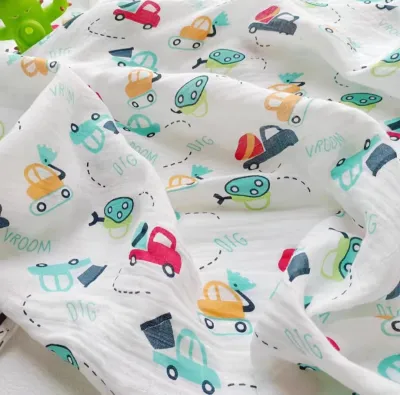
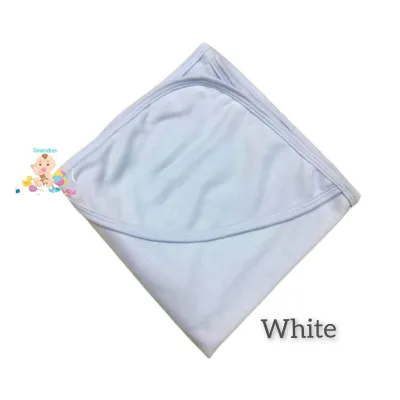
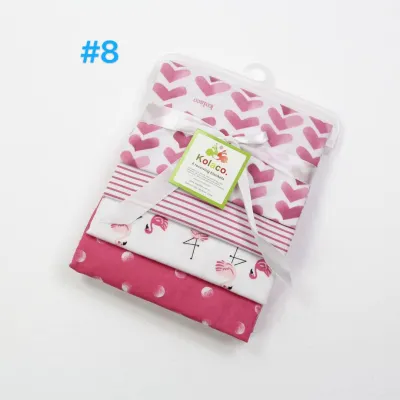
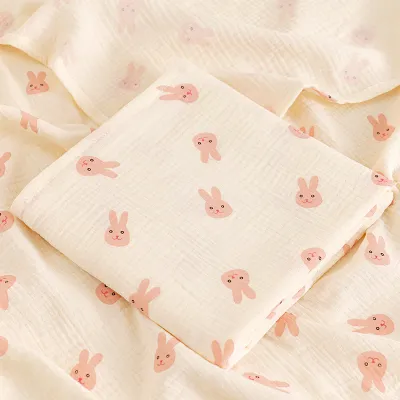
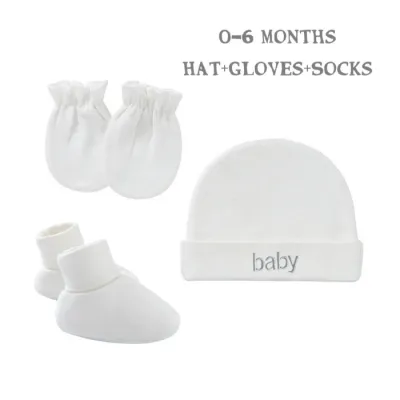
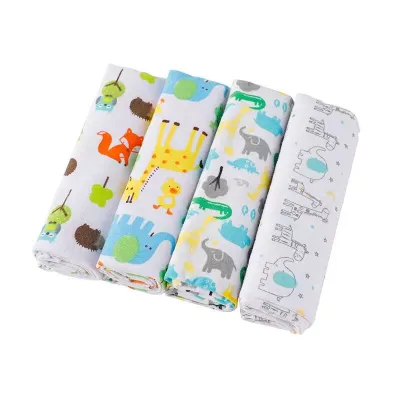
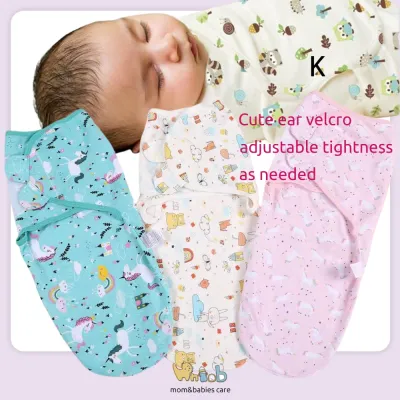
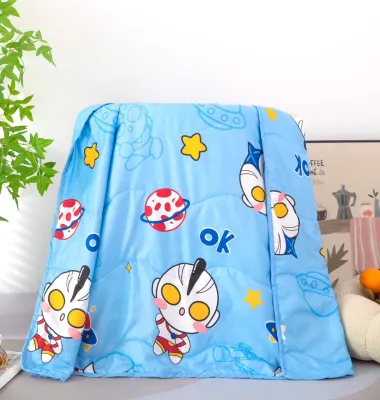
Prices are valid at publication and may change. Please refer to the product page for the latest price.
Chemical safety is equally crucial but harder to detect visually. Many textiles undergo chemical processing during manufacturing, including dyeing, finishing, and flame-retardant treatments. These chemicals can off-gas or irritate a baby’s respiratory system and skin. Caregivers should carefully read care labels to check for statements regarding chemical finishes. Look for independent safety certifications, such as Oeko-Tex Standard 100, and verify these claims on the certification body’s official database to ensure the product has been tested for harmful substances.
Generally Recommended Materials for Baby Blankets
Natural plant-based fibers are widely considered excellent choices for infant bedding. Cotton is highly breathable, absorbent, and durable enough to withstand frequent washing. Muslin cotton, characterized by its extremely light and open weave, is particularly suitable for warm, humid climates as it allows maximum airflow. Bamboo-derived viscose is another popular option, offering an exceptionally soft, cool-to-the-touch feel and excellent moisture-wicking properties. When purchasing these materials, always verify the product label to determine if the blanket is 100% natural fiber or a synthetic blend, as blends can significantly alter the fabric’s breathability.

Natural animal fibers, such as merino wool, offer unique temperature-regulating benefits. Merino wool can keep a baby warm in cool, air-conditioned rooms and cool in warmer settings by drawing moisture away from the body. However, wool requires careful verification. Caregivers must check if the wool is treated to prevent shrinking during washing and whether it might cause contact irritation on highly sensitive skin. Always consult the manufacturer’s age and weight recommendations, as wool blankets are generally heavier and may not be suitable for newborns or unsupervised sleep.
High-performance synthetic fibers, including specific microfibers and polyester fleece, are valued for their warmth, lightweight feel, and quick-drying capabilities. These materials can be useful in air-conditioned nurseries or during cooler rainy seasons. However, synthetic fibers do not naturally breathe as well as plant-based options. When choosing synthetic blankets, strictly check the manufacturer’s breathability indicators and look for anti-static treatments, as static electricity can attract dust and allergens. Use these blankets only in controlled, cooler room temperatures and monitor your baby closely for signs of sweating.
Materials and Fabric Features to Avoid
Heavy, densely woven synthetic fabrics, such as thick acrylic or heavy polyester plush, should be avoided for unsupervised sleep or warm environments. These materials trap body heat and moisture, significantly increasing the risk of overheating—a known risk factor for infant sleep safety. If a blanket feels heavy or does not allow air to pass through when you blow gently through the fabric, it is not suitable for a sleeping infant.
Shedding fibers and loose embellishments present severe physical hazards. Blankets made from long-pile plush, loose knit yarns, or faux fur can shed fine fibers that an infant can easily inhale or swallow, posing respiratory risks. Furthermore, blankets featuring decorative elements like buttons, sequins, tassels, ribbons, or fringe should be strictly avoided. These embellishments can easily detach during use or washing, presenting immediate choking or strangulation hazards.
Uncertified cheap blends or materials of unknown origin are common on online marketplaces and often lack detailed material labels. Avoid purchasing blankets that do not clearly state their fiber composition, care instructions, or country of origin. Uncertified materials may contain trace residues of heavy metals, formaldehyde, or azo dyes. Always treat safety certifications as critical checkpoints to verify independently rather than accepting product descriptions at face value.
How to Verify Blanket Safety Before and After Purchase
Before buying, inspect the physical tag or detailed online specifications. Look closely for hidden synthetic blends (such as a cotton-polyester mix labeled simply as “cotton-soft”) and check for any chemical treatment disclosures. If a label is missing or vague, it is safest to choose a different product. Spending a few hundred pesos (₱) on a high-quality, fully disclosed blanket is a worthwhile investment for peace of mind.
Once the blanket arrives, conduct a thorough physical inspection. Tug gently on the seams, hems, and any decorative borders to ensure the stitching is tight and secure. Look for loose threads, unraveling edges, or weak attachments that could wrap around a baby’s fingers or toes, cutting off circulation.
Always wash a new baby blanket before its first use, following the manufacturer’s specific care instructions. Use a mild, fragrance-free baby detergent. During and after the wash, observe the blanket for excessive shrinkage, severe color bleeding, or unusual chemical odors. If the fabric sheds excessively, loses its structural integrity, or retains a strong chemical smell after washing, stop use immediately and contact the manufacturer.
Frequently Asked Questions (FAQ)
Are weighted blankets safe for babies?
Weighted blankets are not safe for infants. Major medical and pediatric organizations strongly advise against using weighted blankets, sleep sacks, or swaddles for babies. The added weight can restrict a baby’s chest wall movement, making it difficult for them to breathe, and increases the risk of suffocation and overheating. Always follow specific pediatrician guidance regarding your baby’s sleep environment and avoid any weighted sleep products.
How many baby blankets do I actually need?
The number of blankets you need depends on your daily routine, washing frequency, and local climate. Generally, having four to six lightweight blankets is a practical starting point. This allows you to have one in use, one in the diaper bag for outings, one in the wash, and a couple of clean spares. In humid tropical climates where laundry dries quickly, you may need fewer, whereas during the rainy season when drying takes longer, having a few extra spares is highly convenient. Adjust your inventory based on specific use cases, such as lightweight muslin swaddles for daytime and slightly warmer options for air-conditioned nights.
Can I use a regular adult throw blanket for my baby?
It is highly recommended to avoid using regular adult throw blankets for babies. Adult blankets are typically much larger, heavier, and denser than purpose-built baby blankets, which significantly increases the risk of accidental suffocation or entrapment. Additionally, adult bedding is rarely tested against strict infant safety standards regarding chemical residues, fiber shedding, and breathability. To ensure your baby’s safety, always choose blankets specifically designed, sized, and certified for infant use.

Community discussion
Share your experience or ask a question. Comments are reviewed before publication.