
Starting the weaning journey is a major milestone for both parents and babies in the Philippines. When selecting Coral Baby tableware and cups, the key is matching the product’s physical design to your baby’s specific developmental stage and motor skills. In a tropical climate where high humidity can accelerate mold growth on damp surfaces, choosing easy-to-clean, food-grade silicone items with reliable suction bases and ergonomic handles is essential. By focusing on observable readiness signs and verifying product specifications directly on the packaging, you can assemble a safe, practical, and durable starter set that supports your baby’s transition to solid foods.
Understanding Your Baby's Weaning Stages and Needs
The transition from an all-liquid diet to solid foods is an exciting yet challenging phase. Parents often feel overwhelmed by the sheer volume of feeding products available. To make an informed decision, you must first understand your baby’s unique developmental timeline. Every infant progresses at their own pace, and matching their physical readiness to the right tools is the foundation of a successful weaning experience.
Before introducing any tableware, look for key physical milestones. Your baby should be able to sit upright with minimal support, maintaining excellent head and neck control. This physical stability is crucial for safe swallowing and reducing choking risks. Additionally, observe if your baby shows active interest in your meals, reaches for food, or has lost the tongue-thrust reflex, which automatically pushes solid objects out of their mouth.
Products mentioned in this guide
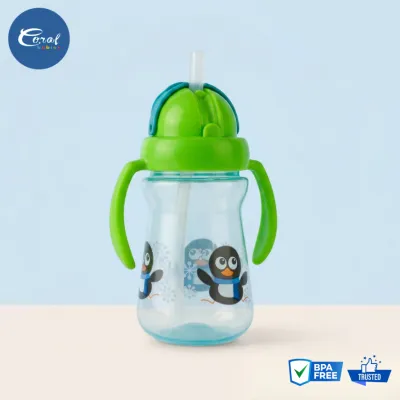
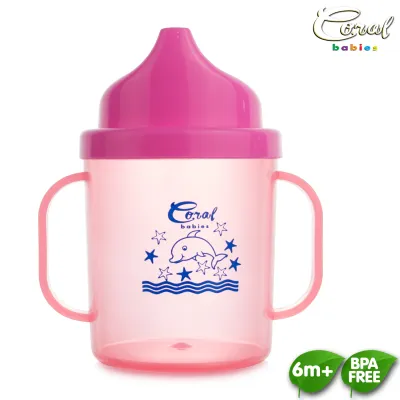
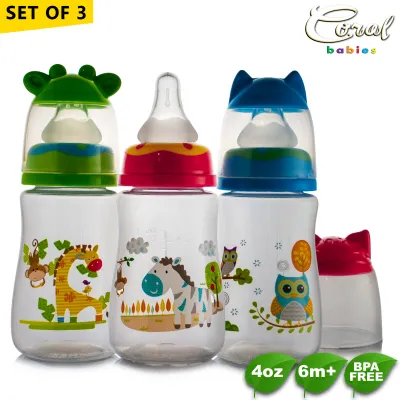
Prices are valid at publication and may change. Please refer to the product page for the latest price.
The feeding method you choose heavily influences the type of tableware you will need. Traditional spoon-feeding relies on a caregiver delivering smooth purees, which requires shallow, narrow spoons designed to fit comfortably inside a tiny mouth without overloading it. In contrast, baby-led weaning encourages self-feeding from the very beginning. This approach demands open plates, easy-to-grasp finger foods, and utensils designed for a baby’s natural palmar grasp.
As your baby’s motor skills mature, their tableware needs will shift. In the initial weeks, a simple suction bowl and a couple of soft spoons are usually sufficient. However, as they develop the pincer grasp—typically between eight and ten months of age—they will begin to pick up smaller pieces of food. This is the ideal time to introduce divided plates, which allow you to present a variety of food groups clearly, and open training cups that help build advanced oral motor skills.
Key Features to Evaluate in Coral Baby Tableware
One of the most common frustrations for parents during early feeding is the constant tipping and throwing of bowls and plates. High-quality suction bases are designed to anchor the tableware firmly to the dining surface, preventing messy spills and keeping the food within your baby’s reach. However, the effectiveness of any suction base depends heavily on the surface material of your high chair or dining table. Smooth, non-porous surfaces like polished plastic, glass, or sealed stone provide the best vacuum seal, whereas textured wood or matte finishes may allow air to seep in, releasing the suction.

The physical shape of the tableware plays a significant role in how easily your baby learns to self-feed. Look for bowls and plates with deep, vertical walls and slightly curved inner rims. This specific geometry acts as a natural barrier, allowing your baby to push food against the side of the bowl to scoop it onto their spoon. Flat, shallow plates can make scooping highly frustrating for beginners, often leading to food being pushed off the edge and onto the floor.
A baby’s gums are incredibly sensitive, especially when they are actively teething. Spoons made from soft, flexible, food-grade silicone are ideal because they bend easily and will not bruise or irritate tender gums. The handle design is equally important; it should be short, thick, and textured to accommodate a baby’s limited grip strength. Long-handled spoons are excellent for caregivers feeding purees, but short, bulbous handles are much easier for a baby to guide successfully to their own mouth.
When evaluating any tableware brand, it is vital to verify the material composition directly on the manufacturer’s packaging. Look for clear labels indicating the use of 100% food-grade silicone, which is naturally free from harmful chemicals like BPA, PVC, and phthalates. Additionally, check the stated temperature limits of the product. Knowing the maximum temperature the material can safely withstand allows you to sanitize the items properly without risking structural degradation or chemical leaching.
Selecting Coral Baby Water Cups by Development Stage
Introducing a water cup is not just about hydration; it is a critical step in oral motor development. The swallowing mechanism used for breast or bottle feeding is entirely different from the coordination required to drink from a cup. While traditional sippy cups with hard spouts are widely available, many pediatric specialists recommend transitioning directly from a bottle to a straw cup or an open training cup. This approach encourages proper tongue elevation and jaw stability, which are essential for speech development and healthy dental alignment.
Parents must balance the convenience of mess prevention with the developmental benefits of skill building. Spill-proof cups utilize silicone valves or weighted straws that only release liquid when the baby actively sucks. These are excellent for travel, outdoor use, and minimizing cleanups in busy households. However, because they require significant suction force, they do not teach the baby how to manage a continuous flow of liquid. Free-flow open cups, on the other hand, teach valuable hand-eye coordination and flow control, though they require close caregiver supervision and a willingness to tolerate occasional spills.
A training cup must be physically manageable for a young infant. Look for cups equipped with dual, easy-to-grip handles that are ergonomically angled for small hands. The overall weight of the cup is another critical factor; a cup that is too heavy when filled with water will frustrate your baby and discourage independent drinking. Lightweight silicone or durable, BPA-free plastics are excellent choices that provide durability without adding unnecessary bulk.
In the warm, humid climate of the Philippines, moisture-rich environments are highly susceptible to rapid mold and bacterial growth. Water cups, particularly those with complex straw assemblies, weighted bases, and internal valves, can easily trap moisture if not cleaned and dried thoroughly. When selecting a cup, evaluate how easily the components can be completely disassembled. Avoid designs with permanently sealed cavities or narrow, unreachable channels, as these can quickly become breeding grounds for mold that could compromise your baby’s health.
Verifying Safety, Authenticity, and Care Instructions
Every reputable baby product manufacturer provides specific age-grade recommendations on their packaging, such as “6 months+” or “12 months+”. These guidelines are not arbitrary; they are based on safety standards, choking hazard assessments, and developmental capabilities. Before purchasing any tableware or cup, locate these indicators to ensure the product is physically appropriate and safe for your baby’s current stage of growth.
The rise of online marketplaces has made baby products highly accessible, but it has also increased the risk of counterfeit or substandard goods entering the market. Cheap imitations of popular silicone tableware brands may contain industrial-grade silicone, fillers, or harmful chemical additives that do not meet safety standards. To protect your baby, purchase Coral Baby products exclusively from authorized retail channels, official brand stores, or well-established department stores in the Philippines. Always inspect the packaging for official holographic seals, clear branding, and manufacturer contact information.
Proper sanitation is crucial for maintaining your baby’s health, but improper heating can ruin high-quality tableware. Always consult the manufacturer’s care instructions before exposing items to extreme heat. While pure silicone can generally withstand high temperatures in steam sterilizers or boiling water, other components—such as plastic lids, weighted straw bases, or decorative prints—may warp, melt, or degrade. Knowing these limits prevents accidental damage and ensures the longevity of your feeding gear.
Over time, constant use, washing, and exposure to UV light can cause even the most durable materials to degrade. Establish a habit of inspecting your baby’s tableware and cups before every single use. Look for physical warning signs such as discoloration, a sticky or tacky texture on silicone surfaces, fine cracks in plastic components, or small tears in straw tips and spoon bowls. If you observe any of these signs, replace the item immediately to eliminate potential choking hazards or areas where bacteria can hide.
Building a Practical Starter Weaning Set
It is easy to get swept away by beautiful feeding sets containing dozens of specialized items, but starting small is highly practical and budget-friendly. For the first month of weaning, your baby only needs a few core essentials. A single, high-quality silicone suction bowl, two soft-tipped training spoons, and one convertible training cup are more than enough to begin. This minimalist approach allows you to observe your baby’s unique feeding style and preferences before investing in additional gear.
When selecting items for your starter set, look for products that can adapt as your baby grows. For example, a suction bowl with a removable suction ring can transition into a standard toddler bowl later on. Similarly, a training cup that features a removable straw lid can easily convert into a simple open cup once your child masters their drinking skills. Choosing multi-functional items maximizes the value of your purchase and reduces household clutter.
In the Philippines, building a safe and functional weaning set does not have to break the bank. While high-quality, certified-safe silicone products may require a slightly higher initial investment compared to cheap, unbranded plastics, they offer far superior durability and safety. Allocating a realistic budget—for instance, planning to spend between ₱1,000 and ₱2,500 on a few high-quality, versatile pieces—ensures you are investing in items that will safely last throughout your baby’s entire weaning journey without needing frequent replacements.
Frequently Asked Questions (FAQ)
Can I put Coral Baby silicone tableware in the microwave?
While high-quality, food-grade silicone is naturally heat-resistant and generally safe for microwave use, you must always verify the specific product packaging for the official microwave-safe symbol. Keep in mind that this safety rating often applies only to the silicone body itself; any accompanying plastic lids, suction bases made of alternative materials, or metal connectors must be removed before heating. Always stir heated food thoroughly and test the temperature yourself before serving it to your baby to prevent accidental burns from hidden hot spots.
How do I properly clean the valves and straws in Coral Baby cups?
To maintain proper hygiene and prevent mold growth, especially in humid tropical climates, you must completely disassemble all cup components immediately after each use. Rinse the parts under warm running water to remove food residue, then wash them thoroughly using a mild, baby-safe dishwashing liquid. Use a specialized, ultra-thin straw brush to gently scrub the interior of the straws and valves where milk or juice residue can easily accumulate. Allow all pieces to air-dry completely in a well-ventilated, clean area before reassembling or storing them.

Community discussion
Share your experience or ask a question. Comments are reviewed before publication.