
Finding the right newborn rice baby powder in the Philippines requires balancing the need for moisture control in a hot, humid climate with the strict safety standards required for a baby’s developing respiratory system and delicate skin barrier. While traditional powders have faced scrutiny, rice-based alternatives have emerged as a popular choice among Filipino parents. Selecting the best option involves verifying ingredient purity, checking local regulatory compliance, and mastering safe application techniques to protect your little one.
Why Parents Consider Rice-Based Baby Powder
In a tropical country like the Philippines, managing infant skin moisture is a constant challenge. High daily temperatures and humidity cause newborns to sweat easily, particularly in friction-prone areas like the neck folds, underarms, and diaper area. When sweat becomes trapped in these delicate creases, it can quickly lead to friction, chafing, and heat rash, locally known as bungang araw. To combat this, caregivers have historically relied on dusting powders to keep these areas dry.
However, the choice of powder base has undergone a significant shift. Traditional baby powders often relied on talc, a mineral that has faced safety concerns regarding potential asbestos contamination and inhalation risks. Cornstarch became a common substitute, but some pediatric experts note that cornstarch can serve as a food source for yeast, potentially worsening active fungal diaper infections.
Products mentioned in this guide
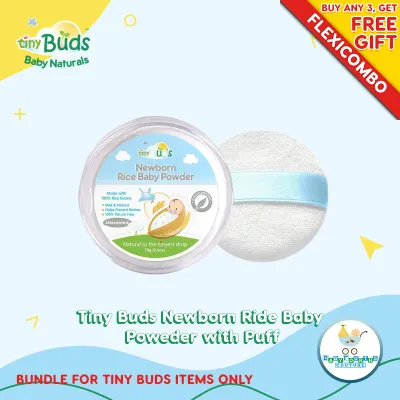
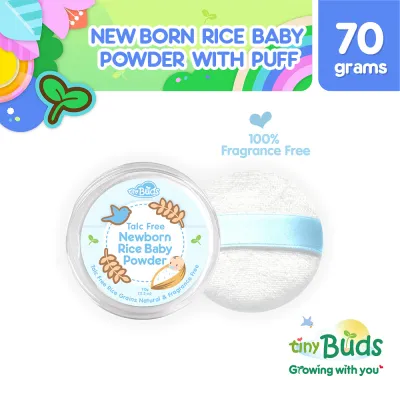
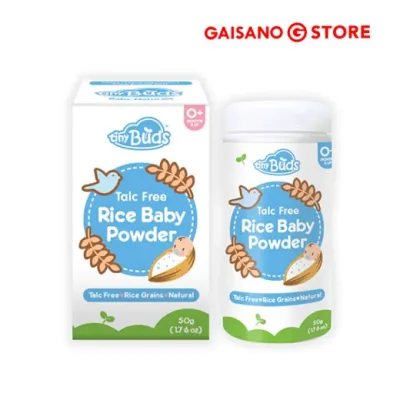
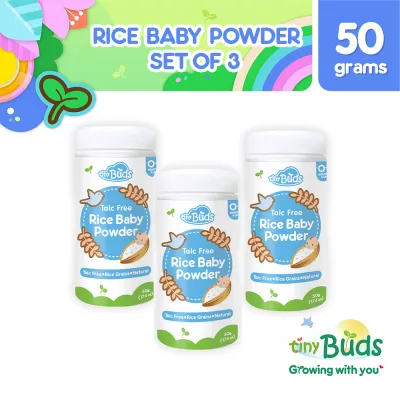
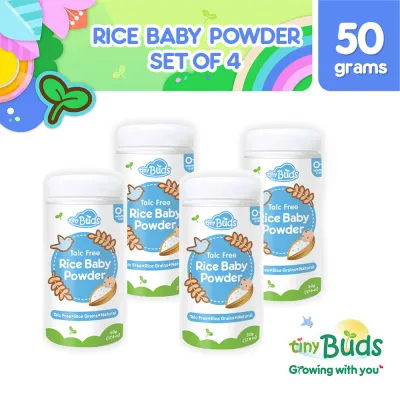
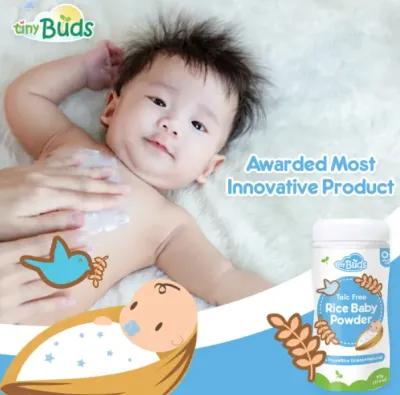
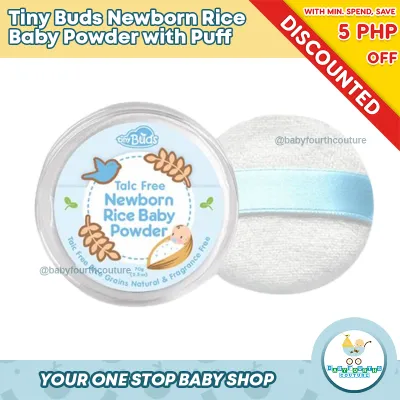
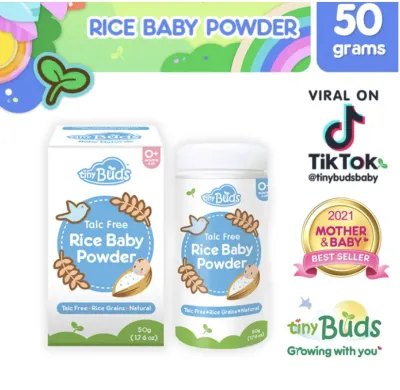
Prices are valid at publication and may change. Please refer to the product page for the latest price.
Rice starch (Oryza Sativa) offers a distinct advantage. Rice-based baby powders utilize finely milled rice starch, which possesses a unique physical structure that excels at absorbing excess moisture and sebum without stripping the skin of its natural protective lipids. The natural starch particles help create a smooth, breathable barrier on the skin surface, reducing friction between skin-to-skin contact points and diaper edges.
Furthermore, rice starch particles are naturally heavier and larger than talc particles. This physical characteristic means that when the powder is dispensed, the particles tend to settle more quickly rather than remaining suspended in the air as a fine, easily inhalable mist. For parents prioritizing respiratory safety alongside effective moisture control, rice-based formulations provide a practical, plant-derived solution tailored to tropical living.
Critical Safety Checks for Newborn Skincare
A newborn’s skin barrier is remarkably delicate, measuring up to 30% thinner than adult skin. This thinness makes infant skin highly permeable to topical substances and exceptionally prone to irritation, dryness, and chemical sensitivities. Because of this vulnerability, any product introduced into a newborn’s daily care routine must be subjected to a strict safety screening process before purchase.

The first and most critical check is verifying that the product is completely talc-free. Carefully read the ingredient list on the back of the packaging to ensure there is no mention of talcum, talc, cosmetic talc, or magnesium silicate. Even if the front label prominently features the word “rice,” some hybrid formulations may still blend rice starch with mineral bases to lower production costs. A pure, high-quality product will rely entirely on plant-based starches.
Next, confirm the manufacturer’s age recommendation. Not all baby products are formulated with the ultra-sensitive skin of a newborn in mind. Look for explicit labeling that states the product is “suitable for newborns,” “0+ months,” “safe from birth,” or “pediatrician-approved for infants.” If a product’s packaging only carries a generic “baby powder” label without specifying age suitability, it is best to verify its safety with the manufacturer or consult your pediatrician before applying it to a baby under one month old.
Additionally, prioritize formulations that are completely fragrance-free and dye-free. Synthetic fragrances and artificial colorants are among the most common triggers for contact dermatitis, eczema flare-ups, and respiratory irritation in young infants. In the Philippine market, many products are marketed with terms like “mild scent” or “baby-fresh fragrance.” For a newborn, however, any added perfume—even those derived from natural essential oils—can pose a risk of sensitization. Opt for products labeled “fragrance-free” rather than “unscented,” as unscented products may contain chemical masking agents designed to neutralize odors.
Finally, look for labels indicating the product is hypoallergenic and dermatologically tested. While these terms are not heavily regulated, they indicate that the manufacturer has conducted basic clinical patch testing to ensure the formula minimizes the risk of allergic reactions on sensitive skin.
How to Evaluate Rice Powder Formulations
Decoding the ingredient list is the most reliable way to evaluate the quality and purity of a rice baby powder. Ingredients are always listed in descending order of concentration, meaning the first few ingredients make up the vast majority of the product.
When examining the label, the primary ingredient should be clearly identified as Oryza Sativa (Rice) Starch or Oryza Sativa (Rice) Powder. If you see other starches, such as cornstarch (Zea Mays) or tapioca starch, listed before rice starch, the product is a blended formula rather than a dedicated rice powder. While these other plant starches are generally safe, a pure rice-based formulation is often preferred for its superior silkiness and low-allergen profile.
Many commercial rice powders incorporate added botanical ingredients to provide soothing or anti-inflammatory benefits. Common additives include chamomile extract, aloe vera leaf juice, calendula, or allantoin. While these ingredients can help calm minor skin irritations, they also introduce additional organic compounds that a newborn’s highly reactive skin must process. For the first few weeks of life, a minimalist formula with fewer ingredients is generally safer. If you do choose a product with added botanicals, ensure they are sourced from organic farming to minimize the risk of pesticide residue exposure.
It is also important to check for preservatives, anti-caking agents, and texturizers. In highly humid environments like the Philippines, powders are prone to clumping inside the bottle. To prevent this, manufacturers may add small amounts of silica, tricalcium phosphate, or magnesium stearate. While these anti-caking agents are considered safe in cosmetic applications, they should appear near the very bottom of the ingredient list. Absolutely avoid any products that contain parabens, phthalates, or formaldehyde-releasing preservatives, as these chemicals are linked to endocrine disruption and skin sensitization in developing infants.
Lastly, consider potential allergen cross-contamination. If your family has a history of severe food allergies or gluten sensitivity, look for products that explicitly state they are gluten-free or processed in a dedicated allergen-free facility. Although rice is naturally gluten-free, cross-contamination during manufacturing can occasionally trigger localized skin reactions in highly sensitive babies.
Safe Application Practices to Minimize Risks
Regardless of how natural or organic a rice baby powder is, the physical introduction of any fine particulate matter near an infant carries inherent risks. A newborn’s respiratory tract is small, highly sensitive, and easily irritated by airborne dust. Inhaling powder particles can lead to immediate coughing, respiratory distress, or long-term airway irritation. Therefore, mastering safe application techniques is just as important as choosing the right product.
Never shake a powder container directly onto your baby’s body, especially near their chest, neck, or face. Shaking the bottle creates an immediate cloud of airborne particles that the baby can easily inhale. Instead, adopt an indirect application method. Step slightly away from your baby, shake a small, controlled amount of powder directly into your own palm, and gently pat your hands together to settle the dust. Once the powder is safely adhered to your hands, gently pat or smooth it onto the baby’s skin folds.
Always store the powder container completely out of reach of children and infants. Even empty-looking bottles can retain enough residue to cause harm if a child plays with them and accidentally releases a puff of powder near their face. Ensure the dispensing cap is tightly closed immediately after each use to prevent accidental spills and to keep ambient humidity from ruining the product.
Do not apply powder to broken, raw, or bleeding skin. If your baby is suffering from an active, oozing diaper rash, open scratches, or severe eczema, avoid using powder entirely. The fine starch particles can clump inside the open wounds, trapping bacteria, preventing proper air circulation, and significantly delaying the skin’s natural healing process.
Furthermore, never apply powder to wet or damp skin. If you apply rice powder immediately after a bath or diaper wipe without drying the skin first, the starch will mix with the moisture to form a thick, pasty residue. This paste can trap sweat and bacteria within the skin folds, leading to painful chafing and fungal infections. Always pat the baby’s skin completely dry with a clean, soft cotton towel before applying a very thin layer of powder.
Monitor your baby closely for any adverse reactions. If you observe localized redness, tiny red bumps, dry patches, or if your baby begins to cough or sneeze during application, discontinue use immediately. Wash the affected area thoroughly with mild, fragrance-free soap and warm water, and consult your pediatrician for alternative skin care recommendations.
Building Your Shortlist in the Philippines
When shopping for newborn rice baby powder in the Philippines, parents must navigate a market filled with local organic brands, imported specialty labels, and various retail channels. To build a safe and practical shortlist, you must look beyond marketing claims and inspect the physical product carefully.
Begin by inspecting the packaging integrity. Whether purchasing from a physical department store, a local baby boutique, or an online marketplace, ensure the container features a secure, tamper-evident seal or protective shrink-wrap. The dispensing mechanism should twist or snap shut tightly. In the Philippines, indoor humidity can rise dramatically, especially during the monsoon season. A poorly sealed container will allow moisture to seep in, causing the rice starch to clump, lose its effectiveness, and potentially harbor mold or bacterial growth over time.
Next, verify the manufacturing and expiration dates. Look for clearly printed batch codes, manufacturing dates (MFG), and expiration dates (EXP) on the bottom or side of the bottle. Avoid purchasing products with smudged, faded, or missing date stamps, as these can indicate old stock or counterfeit goods. Because newborns require very little powder per application, a single bottle can last for several months; ensuring a long shelf life is essential for safety and value.
Look for local regulatory compliance marks. In the Philippines, cosmetic products and baby toiletries should ideally be registered with the Food and Drug Administration (FDA). Check the packaging for an FDA registration number or a valid notification number. You can also use the official FDA verification portal to search for the product name. This step provides peace of mind that the product has been officially screened for harmful contaminants, heavy metals, and banned chemical additives.
Finally, calculate the cost per gram to assess the true value of your options. Prices for specialized rice baby powders can vary widely, with imported organic brands often carrying a premium price tag compared to locally manufactured alternatives. To compare them fairly, divide the retail price in ₱ by the net weight in grams. While it is worth investing in high-quality ingredients for a newborn, comparing the cost per gram helps you identify budget-friendly local brands that offer the same level of purity and safety as expensive imports.
Frequently Asked Questions (FAQ)
Is any powder completely risk-free for newborn inhalation?
No loose powder, including natural rice starch, is completely risk-free when it comes to infant inhalation. Pediatric organizations worldwide, including the Philippine Pediatric Society, generally advise against the routine use of loose powders on newborns due to the risk of accidental inhalation. Even food-grade, organic rice starch can irritate a newborn’s highly sensitive airways if it becomes airborne and is breathed in. To minimize this risk, caregivers must strictly follow safe application methods—such as dispensing the powder onto their own hands first—or consider alternative moisture-control products, such as liquid-to-powder formulations that apply as a lotion and dry to a powdery finish without creating airborne dust.
Should I apply rice powder over diaper cream?
No, you should never apply rice baby powder directly over diaper cream, ointment, or petroleum jelly. Mixing a powder with an oil-based barrier cream creates a thick, gritty paste that clumps inside the baby’s skin folds. This clumping traps moisture, sweat, and bacteria directly against the skin, which can rapidly worsen diaper rash, trigger fungal infections, and cause painful chafing. If you are using a diaper cream to treat or prevent irritation, use the cream alone on clean, dry skin. If you prefer using rice powder for daily moisture control, apply it only to areas of the skin that are completely dry and free of any creams or ointments.

Community discussion
Share your experience or ask a question. Comments are reviewed before publication.