
Feeding a baby while navigating a busy mall, waiting at a pediatrician’s clinic, or traveling for a family gathering presents unique challenges for parents in the Philippines. The tropical climate, characterized by high heat and humidity, accelerates the risk of milk spoilage, making proper storage a top priority. Finding a reliable lagayan ng gatas container (milk storage container) is essential for keeping breast milk or formula safe, fresh, and ready for your little one. The right container must balance temperature control, leak prevention, and ease of use in transit. By evaluating your specific outing and understanding container materials, you can ensure stress-free feeding wherever your journey takes you.
Essential Features to Evaluate in a Travel Milk Container
When selecting a travel milk container, material safety is the most critical factor to consider. Look for clear “BPA-free” and “food-grade” labels on the packaging to ensure no harmful chemicals leach into your baby’s milk. In tropical climates, containers are often subjected to high temperatures, whether left in a parked car or sterilized in boiling water. Check the manufacturer’s instructions for maximum temperature limits. Some plastics can degrade or release chemicals when exposed to extreme heat, so verifying these certifications is a critical first step.
The durability of the material also dictates how well it handles daily wear and tear. Polypropylene (PP) is lightweight and common, while polyphenylsulfone (PPSU) offers higher heat resistance and durability, making it ideal for frequent sterilization. Glass is highly hygienic and does not retain odors, but its weight and fragility make it less practical for active travel. Silicone has gained popularity for its flexibility and resistance to breaking, offering a versatile alternative for parents on the move.
Products mentioned in this guide
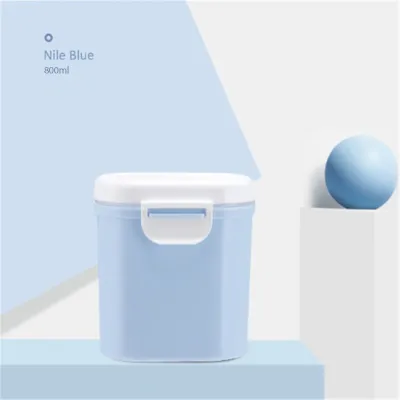
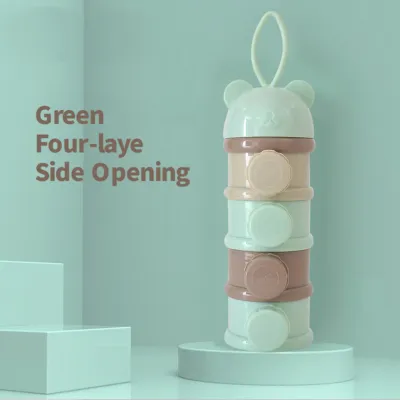
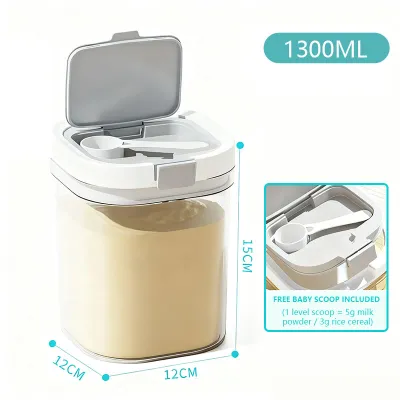
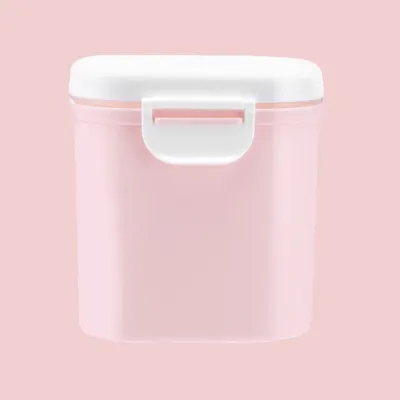
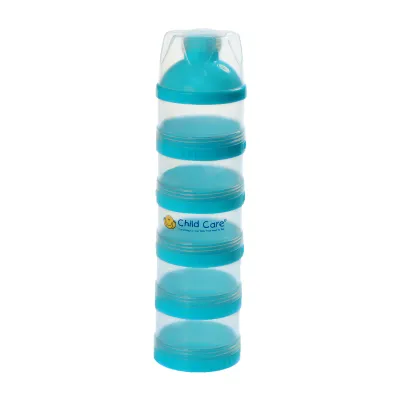
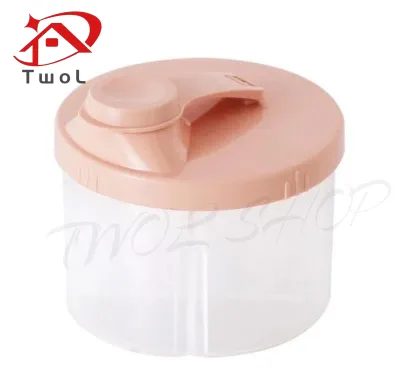
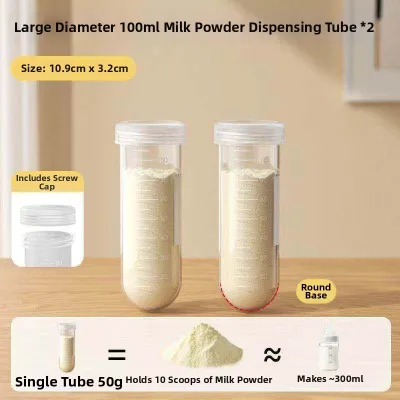
Prices are valid at publication and may change. Please refer to the product page for the latest price.
High humidity levels can also encourage mold growth if containers are not designed with hygiene in mind. Opt for designs with minimal crevices and easily removable silicone rings. Seamless interiors prevent milk fat from getting trapped in hard-to-reach corners, ensuring that your cleaning efforts are effective and that the container remains safe for repeated use.
A leaking container can ruin diaper bag essentials and waste precious milk. Examine the seal design carefully before making a purchase. Look for containers with thick silicone gaskets, secure locking lids, or double-zipper seals for storage bags. Before leaving the house, perform a physical seal test: fill the container with a small amount of water, close it tightly, and turn it upside down or shake it gently over a sink to check for any drops.
Consider the physical footprint of the container to ensure it fits your lifestyle. It should fit easily into standard diaper bag compartments, insulated bottle pockets, or stroller cup holders. Lightweight materials reduce the burden of carrying multiple items during long walks or commutes. Ergonomic shapes, such as contoured bodies or textured grips, make it easier to handle the container with one hand while holding your baby with the other.
Matching Container Formats to Your Specific Outing
For short trips, such as a quick errand, a doctor’s visit, or a brief stroll through an air-conditioned mall, simplicity is key. Pre-filled standard baby bottles are highly convenient because they require no transferring of liquid on-site. However, they take up fixed space in your bag even when empty. Alternatively, single-use breast milk storage bags are incredibly space-efficient and can be discarded after use, though they generate more environmental waste and require careful handling to prevent punctures.

For extended outings, such as day-long family road trips or out-of-town travel, you need more robust systems. Long hours spent in traffic on major expressways mean you must be prepared for delayed schedules. Insulated stainless steel flasks paired with portion dispensers keep water at the right temperature for formula preparation over several hours. Multi-compartment dry formula dispensers allow you to pre-measure exact portions for multiple feeds, preventing messy scooping in a moving vehicle. Collapsible silicone containers offer a middle ground, expanding to hold milk or food and collapsing flat once empty to save valuable packing space.
Every format has distinct advantages and drawbacks that you must weigh. Single-use bags offer unmatched convenience and space savings but contribute to plastic waste and carry a higher risk of accidental tears. Reusable silicone or plastic containers are durable and eco-friendly but require dedicated packing space and thorough cleaning after use. Balancing these factors depends on your destination’s facilities, such as access to clean water for washing.
Cost-effectiveness is another practical consideration for families. While single-use bags have a lower upfront cost, the ongoing expense can add up quickly for daily outings. Investing in high-quality, reusable containers may require a larger initial outlay in Philippine Pesos (₱) but offers long-term savings and reduces environmental impact. Assess your weekly travel frequency to determine which combination of reusable and disposable options fits your budget and lifestyle.
Managing Milk Temperature and Safety Outside the Home
Temperature control is the most critical factor in preventing bacterial growth, especially in warm tropical environments. Always consult the manufacturer’s product label for specific insulation durations and temperature limits. Do not assume a container will keep milk cold or hot indefinitely; performance varies widely based on material thickness and ambient temperature.
When packing breast milk, place ice packs around the storage containers inside an insulated pouch. Ensure the ice packs do not directly press against thin plastic bags or silicone valves, as extreme cold can make some materials brittle or compromise the seal. If using a portable bottle warmer, follow the instructions closely to avoid uneven heating or hot spots, which can scald your baby’s mouth or degrade the nutrients in breast milk. Never microwave milk containers, as this can warp the plastic and create dangerous temperature pockets.
Understanding the difference between freshly expressed and thawed milk is also vital when planning your temperature management strategy. Freshly expressed breast milk is more resilient to bacterial growth than milk that has been previously frozen and thawed. If you are traveling with thawed milk, it must be kept strictly cold and consumed within a shorter timeframe, as recommended by pediatric guidelines. Always prioritize using freshly expressed milk for longer trips if refrigeration options are uncertain.
Before feeding your baby, perform visual and tactile checks to ensure the milk is safe. Swirl the milk gently; breast milk naturally separates into a cream layer and a watery layer, but it should easily recombine. If you notice persistent clumps, an unusually sour smell, or if the container feels warm to the touch after hours in transit, discard the milk immediately. It is always safer to err on the side of caution than to risk digestive upset for your infant.
Humidity can also cause condensation on the outside of cold containers, making them slippery to hold. Keep a small, clean cloth in your diaper bag to wipe down containers before feeding. This simple step prevents accidental drops and helps maintain a hygienic grip while handling your baby.
On-the-Go Cleaning and Post-Trip Maintenance
Maintaining hygiene while away from home requires planning. Immediately after a feeding, rinse the container with clean, safe water to prevent milk residue from drying and hardening. Dried milk creates a breeding ground for bacteria and causes stubborn odors that are difficult to remove later. Store the dirty, rinsed parts in a dedicated waterproof wet bag separate from clean items until you return home.
Once back, verify the sterilization compatibility of your containers. Check the manufacturer’s guidelines to see if the parts can withstand boiling water, steam sterilizers, or the high heat of a dishwasher. Some silicone valves or delicate plastic collars can warp or melt if exposed to direct heat sources, rendering the container prone to leaks.
In humid climates, drying your containers thoroughly is just as important as washing them. Moisture left inside closed containers can quickly lead to mold or mildew growth. After sterilizing, place all parts on a clean, elevated drying rack in a well-ventilated area. Avoid assembling the containers until every piece is completely dry to the touch.
Before reassembling and storing your travel containers, inspect every component. Check silicone seals, anti-colic valves, and bottle threading for signs of wear, mold spots, or micro-tears. Even a tiny tear in a valve can cause leaks or alter the flow rate during feeding. Replace any compromised parts immediately to ensure the container remains safe and functional for your next outing.
Frequently Asked Questions (FAQ)
Can I use regular water bottles as a milk storage container?
Regular adult water bottles are not suitable substitutes for dedicated baby milk storage. They lack specialized anti-colic venting systems, baby-safe sealing mechanisms, and precise measurement markings necessary for accurate feeding. Furthermore, the narrow necks and complex lid designs of standard water bottles make them extremely difficult to clean and sterilize thoroughly, increasing the risk of bacterial contamination from milk residue.
How do I prevent milk from leaking in my diaper bag?
To prevent messy spills, always pack your milk containers upright in dedicated, insulated compartments or waterproof wet bags. This secondary barrier ensures that even if a leak occurs, your other diaper bag essentials remain dry. Avoid filling containers past the manufacturer’s designated maximum fill line, as liquids expand, especially when subjected to temperature changes or movement during travel. Double-check that all lids are threaded correctly and seals are fully seated before packing.

Community discussion
Share your experience or ask a question. Comments are reviewed before publication.