
Creating a functional, safe, and visually cohesive nursery requires careful planning, especially when integrating a portable baby bed with permanent fixtures like changing tables and nursery furniture sets. In the Philippines, where tropical humidity and varying room sizes influence home design, selecting a portable bed that complements your existing setup involves balancing spatial layout, structural safety, and aesthetic harmony. A well-chosen portable bed provides a flexible sleeping solution for daytime naps or travel while maintaining the ergonomic flow of your baby’s room. By focusing on precise measurements, safety clearances, and material compatibility, you can design a nursery that is both beautiful and highly practical for daily caregiving routines.
Key Criteria for Matching Portable Beds with Nursery Furniture
Before purchasing a portable baby bed, it is essential to define the physical and functional requirements of your nursery layout. Begin by measuring the available floor space around your changing table and main crib. Walkways must remain entirely unobstructed to prevent tripping hazards, especially during late-night feedings or diaper changes. Ensure that there is sufficient clearance for cabinet doors, wardrobe drawers, and room entryways to open fully without colliding with the portable bed.
In many Philippine homes, room layouts must also account for the placement of cooling appliances. When measuring your floor space, ensure the portable bed is positioned away from the direct draft of air conditioners or electric fans, yet remains in a well-ventilated area. This spatial planning prevents the baby from becoming too cold while ensuring adequate airflow throughout the nursery.
Products mentioned in this guide
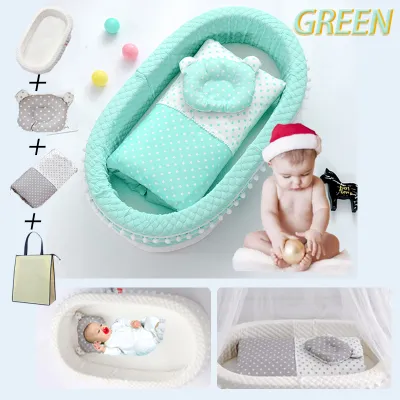
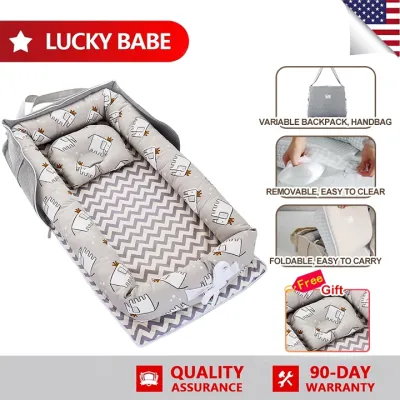

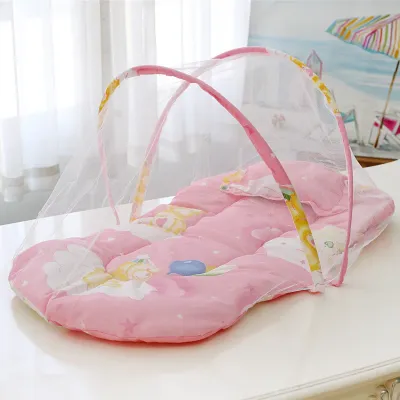

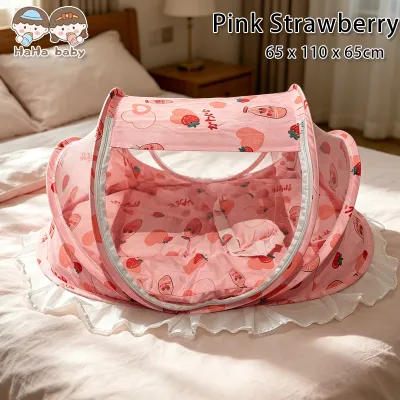
Prices are valid at publication and may change. Please refer to the product page for the latest price.
The height and footprint of the portable bed relative to standard nursery furniture sets also play a critical role in caregiver ergonomics. If the portable bed is too low, you may experience back strain when repeatedly lifting your baby in and out of the mattress. Conversely, if it is too high, it may block natural light or obstruct your line of sight from other areas of the room. Comparing these dimensions with your changing table’s height helps establish a comfortable working height for transitions between changing and sleeping zones.
Additionally, identify your primary use case to determine the necessary size, weight, and structural rigidity of the bed. If you plan to use the portable bed primarily for daytime naps in the living room, a model with sturdy wheels and a slightly wider footprint may be ideal. If you intend to use it for frequent travel or visits to relatives, prioritize a lightweight, highly compact folding model that can be easily transported without sacrificing structural stability.
Evaluating Safety and Compatibility with Changing Tables
Safety must always take precedence over convenience and style when arranging your nursery. Never assume a portable bed is safe based solely on brand reputation or visual appeal. Instead, carefully verify that the bed meets current safety standards by inspecting the manufacturer’s labels, warning tags, and listed certifications on the product packaging or the frame itself. These labels provide crucial information regarding structural integrity and chemical safety.

Because safety standards can vary, look for recognized international certification marks (such as ASTM or EN standards) on the product’s warning labels. Caregivers should also periodically check official consumer product safety databases for any active recalls associated with the specific model. Verifying these details yourself, rather than relying on retail descriptions, provides an essential layer of protection for your infant.
When positioning a portable bed near a changing table, stability is a major concern. As infants grow into active toddlers, they may attempt to lean on, pull themselves up, or push against the outer frame of the portable bed while you are occupied at the adjacent changing station. The portable bed must have a wide, stable base and robust locking joints to prevent it from tipping over under sudden weight or lateral pressure.
Always review the manufacturer’s specifications for weight limits, mattress firmness, and side-rail heights. The mattress must be firm, flat, and fit snugly against the sides of the bed with no gaps that could pose a suffocation or entrapment risk. Avoid adding aftermarket mattresses or soft bedding, as these can compromise safety. Furthermore, establish a strict operational rule: never leave your baby unattended on the changing table or in the portable bed, regardless of the bed’s design, proximity, or safety features. Keep all diapering supplies within arm’s reach so you never have to turn your back.
Design and Aesthetic Considerations for a Cohesive Setup
Achieving a visually harmonious nursery does not require compromising on safety or functionality. When selecting a portable baby bed, compare its frame materials and finishes with your existing nursery furniture set. If your changing table, crib, and dresser feature solid wood with a natural, white, or espresso finish, look for a portable bed with matching wooden accents or a clean, neutral-colored frame made of high-quality reinforced plastic or matte metal that complements the room’s overall aesthetic.
Whether your nursery follows a minimalist Scandinavian aesthetic, a classic rustic theme, or a modern tropical style, the portable bed should feel like an intentional addition rather than an afterthought. Many modern portable beds feature sleek, matte-finished aluminum frames that pair beautifully with contemporary nursery sets, while others utilize warm wood-grain transfers on metal to mimic the look of solid timber without the added weight.
Fabric colors and textures also contribute significantly to a cohesive design. Neutral tones such as slate grey, beige, soft cream, or charcoal blend seamlessly with most nursery themes and remain versatile as your child grows and the room’s decor changes. Selecting customizable or neutral fabrics allows the portable bed to transition easily to other rooms in your home without clashing with different interior styles.
However, decorative elements must never overshadow safety requirements. Avoid portable beds that feature heavy fabric drapes, thick interior padding, or soft bumper pads, as these restrict airflow and increase safety risks. Instead, prioritize models with full, breathable mesh sides. In the warm and humid climate of the Philippines, mesh sides are essential for maintaining optimal ventilation and keeping your baby cool, while also ensuring you have a clear, unobstructed view of your sleeping infant from anywhere in the room.
Practical Features for Daily Use and Portability
The daily usability of a portable baby bed depends heavily on its ease of movement, storage, and maintenance. Evaluate the folding mechanism before making a purchase; it should be intuitive, smooth, and manageable for a single caregiver to operate. Check the folded dimensions to ensure the bed can be stored conveniently in a closet, under the changing table, or in a designated nook when not in use, helping to keep your nursery organized and clutter-free.
In a tropical climate, high humidity can accelerate the wear of certain materials and foster dust mites or allergens. Selecting a portable bed with hypoallergenic, moisture-wicking fabrics can help mitigate these issues. Furthermore, check if the manufacturer offers replacement parts or extra mattress covers, as having a spare cover on hand is incredibly convenient when washing the primary one after a diapering mishap.
If the portable bed is equipped with wheels or casters, confirm that they feature secure, independent locking mechanisms. Unlocked wheels can allow the bed to drift unexpectedly when the baby moves or when bumped by a caregiver working at the adjacent changing table. Additionally, ensure the wheel material is designed to glide smoothly without scratching or scuffing common household flooring types, such as polished hardwood, ceramic tiles, or laminate planks.
Hygiene is another critical factor, especially when the portable bed is positioned near the diaper changing area where spills, leaks, and spit-ups are common. Look for models that feature removable, machine-washable mattress covers and wipeable frame fabrics. Being able to quickly clean and sanitize the bed’s surfaces with mild soap and water ensures a hygienic sleeping environment for your baby and extends the lifespan of the product.
Building Your Shortlist: What to Verify Before Buying
Before making your final purchase, compile a shortlist of candidate portable beds and systematically validate them against key practical criteria. First, cross-reference the manufacturer’s recommended age, weight, and developmental limits with your baby’s current stage. Ensure that you plan to transition the baby out of the portable bed or adjust its configuration (such as removing a bassinet insert) as soon as they reach the specified developmental milestones.
Next, carefully read the care, assembly, and maintenance instructions provided by the manufacturer. Verify that you have the required tools, physical space, and time to assemble the bed correctly and safely. A poorly assembled bed poses significant safety risks, so following the step-by-step instructions in the manual is non-negotiable.
If possible, visit a physical showroom to test the folding mechanism and assess the mattress firmness firsthand before purchasing. If buying online, read verified customer feedback focusing on assembly difficulty and structural durability. Ensuring that the retailer offers a reliable customer service channel in the Philippines can save you significant time and effort if you ever need to claim a warranty or request replacement parts.
Set a realistic budget in Philippine Pesos (₱) and compare options within that range. When shopping through local retailers or online marketplaces, remember to factor in potential shipping costs, as bulky nursery furniture items can incur higher delivery fees. Finally, check the retailer’s return policy and warranty terms. This ensures you can easily return or exchange the portable bed if it does not fit your nursery layout, arrives with missing hardware, or has manufacturing defects.
Frequently Asked Questions (FAQ)
Can a portable baby bed be used as a permanent replacement for a standard crib?
Portable baby beds are generally designed for temporary, supervised, or travel use rather than long-term, unsupervised overnight sleep. They typically lack the robust structural durability, spaciousness, and thick, supportive mattress systems found in standard full-size wooden cribs. Always consult the manufacturer’s specific guidelines regarding long-term sleep recommendations, weight limits, and structural wear to ensure your baby’s safety.
How do I clean a portable baby bed if it gets soiled near the changing table?
Always check the manufacturer’s care label first to identify machine-washable components and approved cleaning agents. For the frame and non-removable fabric parts, wipe them down thoroughly with a damp cloth and mild, baby-safe detergent. It is critical to allow the mattress and all fabric components to dry completely in a well-ventilated area before reuse to prevent the growth of mold or mildew, which can thrive in humid tropical climates.
Is it safe to place a portable bed directly under a changing table?
No, it is not safe to place a portable bed directly under a changing table or adjacent wall shelves. This layout poses a severe risk of falling objects, such as heavy diapering supplies, creams, or toys, which could injure a sleeping baby. Additionally, accidental kicks or movements from a baby on the changing table could create hazards. Always maintain a safe clearance zone around the changing area to allow caregivers to move freely and safely.

Community discussion
Share your experience or ask a question. Comments are reviewed before publication.